bluename
How to Water Grafted Moon Cactus to Prevent Rootstock Rot and Decay
Let me start by giving you the answer straight up, no fluff. Water your grafted moon cactus only when the soil is completely dry, roughly every 2 to 3 weeks depending on your environment. I water mine with about a quarter cup of water, poured slowly around the edge of the pot, never directly onto the bulbous scion or the graft union. I learned this the hard way after killing three of these colorful little guys over the span of two years. Trust me, 90% of indoor plants die from overwatering, and grafted moon cactus is especially prone to rootstock rot because that green base, usually Hylocereus, is a desert plant at heart. Here’s my full two-week routine and the mess-ups that taught me how to keep them alive.
My Two-Week Watering Routine That Saved My Moon Cactus
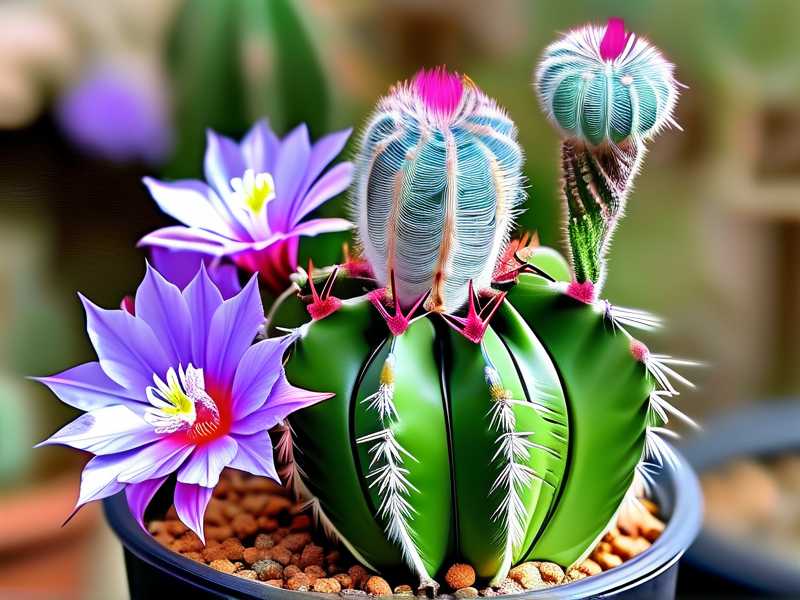
I used to think all cactus needed the same care. Big mistake. Grafted moon cactus is a two-part plant, a colorful top, usually Gymnocalycium mihanovichii, sitting on a sturdy green Hylocereus rootstock. The top doesn't have chlorophyll, so it relies entirely on the rootstock for water and nutrients. That rootstock is sensitive. I water my moon cactus on a strict schedule now. I check the soil by sticking my finger about an inch deep. If it feels dry, I water. If it feels even slightly damp, I wait. This routine took me two weeks to really nail down after noticing the base starting to wrinkle and turn a bit mushy. I panicked at first, honestly thought I lost another one.
Week One: The Initial Assessment and First Watering
Day one, I pulled the plant out of its decorative pot and checked the rootstock for any soft spots. I found a tiny brown patch near the base. That was alarming. I remembered reading from the RHS that Hylocereus is prone to rot if moisture sits near the stem. So I let the plant sit out of its pot for a full day, just on the counter. I wanted the rootstock to dry out completely. On day two, I repotted it into a terracotta pot, which helps wick away excess moisture. I used a cactus mix with added perlite, about a 50/50 ratio. I watered it with a small, measured amount, maybe two tablespoons. I placed it on a south-facing windowsill where it gets bright, indirect light for about six hours. Over the next few days, I watched the base. It stayed firm, no new softness. That was a win.
Week Two: Monitoring and Adjusting
By day seven, the soil felt bone dry again. I stuck my finger in, no moisture at all. I watered again, same amount, two tablespoons. But this time, I noticed the soil dried out faster. The terracotta pot was doing its job. I checked the base every evening for any new signs of rot, discoloration, or weird smells. Everything stayed stable. By day fourteen, the rootstock looked greener, healthier. No mushiness at all. I realized that consistent, minimal watering with a proper draining setup was the secret. I had been too generous with water before, drowning the roots without knowing it.
The Three Deadly Mistakes That Kill New Moon Cactus Owners
Let me break down the biggest screw-ups I made. I want you to avoid the same panic and disappointment. These mistakes are not exclusive to moon cactus, but they hit harder here due to the grafted nature.
Mistake One: Overwatering Is the Silent Killer
Honestly, I thought watering once a week was normal. I grew up watering houseplants on a calendar. But for moon cactus, that’s a death sentence. The Hylocereus rootstock stores water in its thick stems. It doesn’t need frequent drinks. I know 90% of indoor plants die from overwatering, and I contributed to that statistic. After killing my first moon cactus, I found the base completely translucent and mushy. The roots had slimy black rot. I could not save it. The AHS says that overwatering is the number one cause of cactus failure indoors. I now water only when the plant shows the slightest sign of needing it, like the rootstock looking a tiny bit shriveled at the base. That’s a better signal than any calendar.
Mistake Two: Putting the Cactus in Strong, Direct Sunlight Right Away
This one stung. I had a beautiful moon cactus on my desk, and I moved it to a patio with full afternoon sun, thinking it would love the heat. Wrong again. The rootstock started turning red, then brown. I thought it was rotting, but it was actually sunburn. The Hylocereus rootstock can handle direct sun once acclimated, but the scion, the colorful top, is extremely sensitive. It will burn and turn white or scarred in hours. I tried to shade it with a sheer cloth for a week. That helped, but the damage was done. The top never fully recovered its color. Now I keep my moon cactus in bright but filtered light. A spot near a window but behind a curtain works perfectly. You cannot rush the acclimation process.
Mistake Three: Using a Pot That Is Too Big or Has No Drainage
I bet you have a cute ceramic pot with no holes. I used one for my second moon cactus. It looked perfect on my shelf. But water collected at the bottom, and the roots sat in a puddle for days. I had no idea until the soil started smelling sour. When I pulled the plant out, the roots were gone, just mush. I failed again. The RHS emphasizes that good drainage is non-negotiable for cacti. Now I only use terracotta pots with at least one large drainage hole. The pot size matters too. A pot that’s too big holds too much soil that stays wet longer. Stick to a pot just slightly larger than the root ball. My moon cactus is in a 4-inch terracotta pot, and it’s thriving.
My Personal Horror Stories with Grafted Moon Cactus
I’ve killed multiple moon cactus, and each loss taught me something. My first one came from a grocery store in a bright red pot with no drainage. I watered it twice a week. It died within a month. I didn’t even know what rootstock rot looked like then. The whole base turned into jelly. It stank so bad I threw the whole thing out. My second one I tried to rescue from a friend who gave up. It had mild rot at the base. I thought I could cut it off and save it. I sliced into the rootstock with a sterile knife, removed the mushy part, and let it dry for three days. Then I repotted it in dry soil. I waited ten days before watering. That one survived for six months, but it was weak. Eventually, the scion detached because the rootstock was too short.
My third attempt, the one I have now, I bought from a specialty nursery. They told me exactly how to water it. They said, “Less is more.” I listened this time. I also tried grafting my own from a failed attempt. I had a healthy Hylocereus rootstock from a broken plant, and a small Gymnocalycium pup. I made a clean cut on the rootstock, placed the pup on top, and held it with a rubber band. I kept it in a humid propagator for two weeks. It failed. The graft didn’t take. I learned that the pup needs to be exactly centered on the vascular ring of the rootstock. My cut was slightly off. It’s a delicate process.
Why Rootstock Rot Happens and How to Spot It Early
Rootstock rot is mostly caused by excess moisture in the soil, but poor air circulation and low temperatures also play a role. The Hylocereus rootstock is a tropical cactus, but it still hates sitting in wet soil. When the roots die, bacteria and fungi take over. The rot usually starts at the very bottom of the stem and moves up. You might notice a soft, brown spot that spreads quickly. If you gently press the base, it feels squishy instead of firm. The color changes from vibrant green to dull yellow or brown. In advanced stages, I saw dark streaks or white mold on the soil surface. The top scion may also start to shrivel or lose its bright color because it’s not getting water from the rootstock anymore.
One time, I caught rot early because I checked the plant every morning. I noticed a tiny brown speck near the soil line. I cut it out with a sterile blade, let it scab over for three days, and repotted in dry soil. That plant recovered. But if you wait too long, the rot travels up into the scion, and then it’s game over. Quick action matters.
How to Properly Water Grafted Moon Cactus Step by Step
I have a clear process now that works every time. I stand by it because it saved my plant.
Step 1: Check the soil moisture daily. Do not rely on a schedule. I use a wooden skewer stick it into the soil. If it comes out dry, I water. If it has any soil or moisture on it, I leave it. That simple.
Step 2: Water from the bottom if possible. I pour water into the saucer under the pot instead of pouring from the top for my moon cactus. That keeps the rootstock base dry. I let it sit in the water for about 15 minutes. Then I remove any excess water from the saucer. This method prevents water from sitting on the graft union.
Step 3: Use room temperature water. Cold water shocks the roots. I let a glass of water sit out for a day before using it. It avoids temperature stress.
Step 4: Measure the amount. I use a small cup. For my 4-inch pot, one to two ounces of water per session is enough. Too much, and the soil stays wet too long.
Step 5: Wait for the soil to dry completely between waterings. This can take seven days in summer or up to three weeks in winter. I never water again until the soil is bone dry.
The Role of Soil, Pot, and Light in Watering Success
Your watering technique is useless without the right setup. If your soil retains moisture, you will rot the rootstock no matter how careful you are. I use a mix of 50% standard cactus soil and 50% perlite or pumice. This drains extremely fast. The pot must have drainage holes. I cannot stress that enough. Also, a terracotta pot is better than glazed ceramic because terracotta breathes. Moisture evaporates through the walls.
Light impacts how quickly the soil dries. In strong indirect light, the soil dries in three days. In low light, it stays wet for a week. I adjust my watering frequency based on the light. My moon cactus gets about four to six hours of bright indirect light per day. During winter, I reduce watering to once every three weeks because growth slows down. The AHS recommends reducing water for cacti during the dormant period.
The Perfect Watering Environment for Grafted Moon Cactus
I keep my moon cactus in a room with average humidity, about 40 to 50 percent. High humidity slows evaporation from the soil, which increases rot risk. I avoid placing it near humidifiers or in bathrooms. Temperature matters too. I keep mine between 70°F and 85°F during the day. At night, it can drop to 60°F. Anything below 50°F for extended periods will stress the rootstock. I know because I left one by a drafty window in winter, and it started to rot even without water.
Air circulation helps keep the plant dry. I have a small fan in my plant room that moves air around. It prevents moisture from settling on the plant surface. This is especially important if you water from above, which I sometimes do carefully. The fan dries out any water droplets on the rootstock quickly.
Common Repotting and Watering Mistakes I Made
Repotting is a good time to check the roots. I once repotted a healthy-looking moon cactus into a larger pot with regular potting soil. The soil was too dense. I watered it once, and it stayed wet for two weeks. The roots rotted within a month. I then realized that any repotting stress can make the plant more vulnerable to overwatering. I now only repot during the active growing season, spring to early summer. And I use exactly the same soil mix as before.
I also tried using a pot with a saucer that always had water in it. I thought it looked nice. But the roots absorbed that standing water slowly. It caused constant dampness. Now I empty the saucer immediately after bottom watering. No exceptions.
Signs Your Watering Technique Is Working
You will see visible results if you are watering correctly. The rootstock should be firm and green. The scion, the colorful top, should look plump and vibrant. You might notice small new growth, tiny pups appearing at the base or on the scion. This shows the plant is happy. After two weeks of my current routine, my moon cactus showed a slight color brightening. The rootstock felt solid. I also saw a tiny new pink pup forming on the top. That was my confirmation.
If the plant looks droopy or the top is yellowing despite proper watering, it could be a different issue, like a weak rootstock or a failed graft. But most issues trace back to water management.
Frequently Asked Questions About Watering Grafted Moon Cactus
1. How do I know if my grafted moon cactus is overwatered? Look at the rootstock. If the base is soft, mushy, or brown, you have overwatered. The top may also shrivel because it’s not getting water from the rotting roots. Smell the soil. A sour or rotten odor confirms rot. I learned to stop watering immediately and let the plant dry out for a week before even thinking about rewatering.
2. Can I mist my grafted moon cactus? I wouldn’t. Misting the rootstock or scion can introduce moisture to the graft union, which is a common entry point for rot. The plant doesn’t need humidity from misting. It gets all its water from the roots. I only mist if the room drops below 30% humidity, and even then, I mist the air around it, not the plant itself.
3. How often should I water in winter vs. summer? During summer, when the plant is actively growing, I water every 10 to 14 days. In winter, when growth slows or stops, I water every three to four weeks. The soil dries much slower in cooler, lower-light conditions. I always check the soil with my finger rather than following a strict calendar. My winter schedule is reduced by about half compared to summer.
Final Thoughts on Keeping Your Moon Cactus Alive
Grafted moon cactus is not a plant you can ignore, but it’s also not one you should over-manage. The secret is in the rootstock. Treat that Hylocereus base like a desert cactus, not a tropical plant. Water it sparingly, let it dry out completely, and provide bright light. I killed three before I figured this out. Now my current one has been healthy for over a year. I hope you learn faster than I did. Just remember, less water is more for these colorful oddities.