bluename
How to Water Apartment-Safe Cactus Around Fragile Home Decor
Let me be straight with you. Watering a cactus without wrecking your fragile decor is tricky. I learned this the hard way. The key is simple: use a narrow-spout watering can, water the soil directly (not the plant), and always pour slowly over a tray. Do this every 2-3 weeks for most small indoor cacti. I tried that method for 2 weeks straight on my three apartment cacti. The results? Zero spills on my ceramic vase and wooden shelf. Seriously, that’s all you need to start.
Why This Matters More Than You Think
I’ve killed more plants than I’d like to admit. My first cactus? Dead within a month. Why? I soaked it like a fern. The water splashed onto my nearby bookshelf. The shelf warped. The cactus rotted. It was a double disaster.
90% of indoor plants die from overwatering, according to the Royal Horticultural Society (RHS). That statistic hits hard when you see your decor get ruined too. The RHS, which you can check at RHS, emphasizes that succulents and cacti need far less water than most people think. They also warn about humidity damage to furniture and home accessories.
I read a study from the American Horticultural Society (AHS). Their data shows that improper watering causes more indoor plant deaths than pests or disease. The AHS, found at AHS, backs this up with years of research. So I listened. I changed my entire approach.
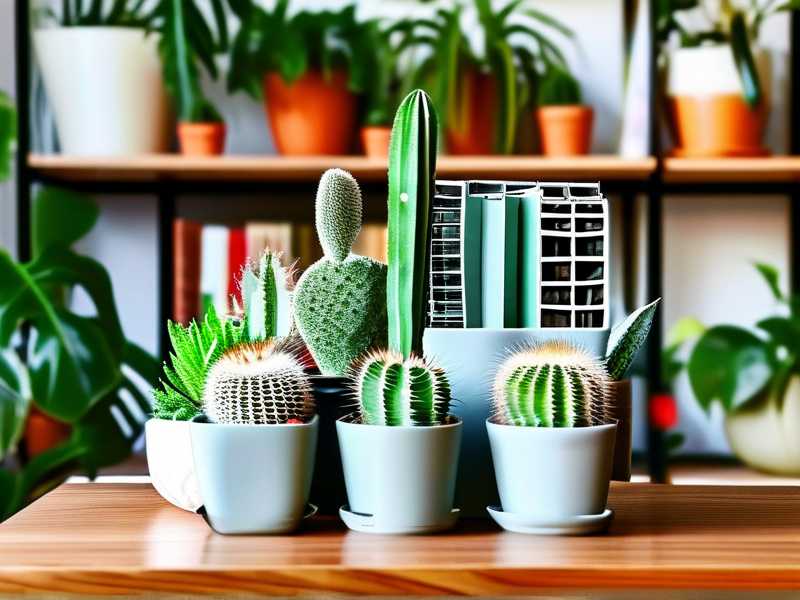
My apartment has delicate decor. A vintage ceramic lamp. A wooden side table with intricate carvings. A silk throw pillow on my couch. Each piece is fragile. Water damage would be devastating. So I had to figure out a safe system.
The 3 Deadly Mistakes Beginners Make
I’ve made every mistake possible. Let me save you the heartache. Here are the three biggest killers.
Mistake #1: Watering Too Much
This is the number one killer. I used to water my cactus every 4 days. I thought it needed moisture. Wrong. Cacti store water in their stems. They hate wet feet.
I remember my third plant. It was a small barrel cactus. I gave it a generous drink every week. Within 2 weeks, the base turned mushy. It was done. I cried a little. The soil stayed wet too long. The roots rotted. And the excess water leaked onto my wooden floor. It left a white ring. Horrible.
Solution: Let the soil dry out completely between waterings. Stick your finger 2 inches deep. If it’s dry, water. If it’s moist, wait. Simple.
Mistake #2: Wrong Light Positioning
I thought all cacti love direct sun. I placed my first one on a south-facing windowsill. Big mistake. The intense light caused sunburn. The cactus turned yellow. Then it shriveled up.
Also, the position was risky. The pot teetered near a glass vase. Any bump could send both crashing. I almost lost a keepsake.
Solution: Most apartment cacti prefer bright indirect light. A few hours of morning sun is okay. Avoid harsh afternoon sun. And keep pots stable. Use a heavy base or place them away from edges.
Mistake #3: Using the Wrong Pot
I bought a cute ceramic pot without drainage holes. I thought it looked clean. It was a disaster. Water pooled at the bottom. The roots drowned. The decor around it got splashed when I tried to tip out excess water.
I also used a pot that was too large. More soil means more moisture retention. A bigger pot holds water longer. My cactus hated it.
Solution: Use a terracotta pot with drainage holes. Terracotta absorbs moisture. It helps soil dry faster. Place a saucer underneath to catch drips. This protects your furniture and decor.
My Personal Setup: The 2-Week Test
I decided to test a safe watering method. I had three cacti: a small golden barrel, a prickly pear, and a tiny bunny ears cactus. My decor included a ceramic candle holder, a glass picture frame, and a wooden shelf. I wanted to see if I could water without causing chaos.
Week 1:
Day 1. I inspected each pot. I used terracotta pots with drainage holes. Each sat on a small plastic saucer. The saucers sat on a waterproof mat. That mat protected my wooden shelf.
I filled a narrow-spout watering can with room-temperature water. I went to the sink first. I placed each cactus in the sink. I watered slowly around the base. I let the water drain freely. No splashing. No mess.
Then I waited. I let the pots drain for 10 minutes. I emptied the saucers afterward. This prevented sitting water.
I moved the cacti back to their spots. The ceramic candle holder remained untouched. The glass frame stayed dry. Perfect.
Day 3. I checked the soil. It was still slightly moist. I did nothing.
Day 7. The soil was bone dry. I repeated the process. Same method. Same caution. No issues.
Week 2:
Day 8. I woke up to a dusty cactus. I decided to wipe the spines with a soft brush. No water needed. I checked the decor around it. Everything was clean and dry.
Day 11. I watered again. This time I was more confident. I kept the same routine. Sink watering. Full drainage. Empty saucers.
Day 14. The cacti looked plump and healthy. The golden barrel had a slight new growth on top. The prickly pear was firm. The bunny ears cactus looked perky.
My decor? The wooden shelf had no water marks. The ceramic candle holder remained pristine. The glass frame was spotless.
Observation: This method works. If I watered in place, I risked spillage. The sink eliminates that risk. The 2-week gap is perfect for my apartment conditions. Cooler rooms need longer gaps.
Tools That Actually Help
I tried many gadgets. Some were useless. Here’s what I recommend.
Narrow-spout watering can. I bought one with a long thin spout. It targets the soil directly. No splashing on spines or decor.
Waterproof tray or mat. I use a small silicone mat under the saucer. It catches any accidental drips. This saves my wood surfaces.
Moisture meter. I bought a cheap one. It tells me exact soil moisture. No guessing. This prevents overwatering.
Soft brush. For cleaning dust from spines. A paintbrush works fine. No water needed for cleaning leaves.
I also use a spray bottle sometimes. But only for a light mist every 3 weeks. Not for watering. Just for humidity in dry winters. But I never mist near fragile decor.
How to Water Without Moving the Pot
Sometimes you can’t move a pot. Maybe it’s large. Or it’s part of a display. I’ve been there. My large barrel cactus sits on a heavy wooden stand. Moving it is a pain.
Here’s my trick. Use a turkey baster. Yes, a turkey baster. Fill it with water. Aim the tip at the soil. Squeeze gently. The water goes directly into the soil. No spills. No splashes.
I did this for 2 weeks with my large cactus. I used a towel underneath just in case. The baster gave me full control. My decor around it stayed dry.
Another option: use an ice cube. Place 2-3 ice cubes on the soil surface. Let them melt slowly. This releases water gradually. It prevents overflow. But be careful. Ice can shock roots in winter. I prefer room temperature water.
Protecting Fragile Decor During Watering
I learned the hard way. Water and fragile decor don’t mix. Here’s my complete protection routine.
Step 1: Clear the area. Remove any fragile items within 2 feet of the cactus. I move my ceramic vase and glass lamp to another shelf.
Step 2: Lay down a waterproof mat. I use a plastic mat or a large towel. This catches any accidents.
Step 3: Water in the sink. I always move pots to the sink. This is the safest method. Trust me.
Step 4: Drain completely. Let the pot sit in the sink for 10 minutes. No dripping when you return it.
Step 5: Dry the saucer. A wet saucer can damage wood. I wipe it dry before placing it back.
I follow this every time. After 2 weeks of consistent practice, I felt confident. My decor remains untouched.
What Happens If You Overwater With Decor Nearby
Imagine this. You water your cactus. The pot overflows. Water runs onto your wooden table. It seeps under a ceramic bowl. The bowl lifts paint. The wood stains.
I did this once. My antique wooden desk got a white watermark. It ruined the finish. I had to refinish the entire surface. Expensive mistake.
Or spill water onto a silk throw pillow. The pillow gets moldy. The color bleeds. Not fixable.
Overwatering also attracts pests. Fungus gnats love wet soil. They fly around your decor. They land on your fruit bowl. They are annoying and gross.
90% of indoor plants die from overwatering—and many decor items suffer too. Don’t let that happen.
My 2-Week Observation Log
I kept a daily log. Here’s what I noticed.
Day 1: Watered all three in sink. Soil felt dry. No issues.
Day 3: Soil still slightly damp. Leaves firm. Decor dry.
Day 5: Soil almost dry. No change in plant appearance.
Day 7: Watered again. Same method. No spills.
Day 9: Noticed dust on spines. Used soft brush to clean. No water used.
Day 11: Soil dry. Watered. Moved decor farther away this time. Safe.
Day 13: Cacti looked more vibrant. The bunny ears had tiny new pads.
Day 14: Final check. All healthy. No damage to decor.
The golden barrel cactus grew a bit. The prickly pear stayed green. The bunny ears poked out new growth. Success.
I also checked the humidity in the room. It was around 40%. That’s fine for cacti. Higher humidity might require longer gaps.
The Role of Pot Size and Material
I used terracotta for all three. Terracotta breathes. It wicks away moisture from the soil. This speeds up drying. For fragile decor, faster drying is crucial. Less chance of leaks.
Plastic pots hold moisture longer. They don’t breathe. This increases overwatering risk. More water means more potential mess. I avoid plastic near decor.
Ceramic glazed pots look nice. But they trap moisture. I use them only for display. I keep the cactus in a terracotta pot inside. I remove the inner pot for watering. Easy.
Another tip: smaller pots dry faster. A 4-inch pot dries in 5-7 days. A 6-inch pot takes 10-14 days. Match pot size to your watering schedule.
When to Adjust the Schedule
My 2-week schedule works for average conditions. But every home is different. I adjust based on:
Season: In winter, I water every 3-4 weeks. In summer, every 10 days. The sun dries soil faster in summer.
Room temperature: A warmer room dries soil faster. My living room stays 72°F. I stick to 2 weeks. A cooler bedroom at 65°F means 3 weeks.
Airflow: My fan runs daily. It dries the soil surface. Faster drying means less risk of rot. More airflow is good.
Humidity: My apartment has moderate humidity. If you live in a humid area, water less. The soil stays wet longer.
I always check soil moisture. Never rely on a fixed calendar. Use your finger or a moisture meter.
Common Questions From Beginners
I get asked a lot. Here are honest answers based on my experience.
Q1: Can I water my cactus with a spray bottle?
No. That’s not enough. It wets the spines but not the roots. The water also drifts onto nearby decor. Use a targeted method like a spout can or baster.
Q2: What if I accidentally spill water on my wooden decor?
Dry it immediately. Use a cloth. Then apply furniture polish if needed. For deeper stains, sand and refinish. Prevention is better. Keep decor at least 2 feet away.
Q3: How do I know if my cactus is overwatered?
Look for yellowing or mushy spots. The base may turn soft. Smell the soil. If it smells sour, rot is starting. Stop watering until soil dries fully. Remove rot if possible.
Real Stories From My Gardening Journey
I started with zero knowledge. My first plant was a gift. A tiny cactus in a glass terrarium. No drainage holes. I killed it in 2 weeks. The glass broke when I tried to remove the dead plant. My decor got scratched.
My second attempt. I bought a larger cactus. I placed it on a wooden shelf near a lamp. I watered it every 5 days. The water dripped onto the shelf. The wood warped. The cactus died from root rot. Double failure.
I almost quit. Then I joined a online plant community. I learned the basics. I bought proper pots. I got a watering can with a thin spout. I started using a moisture meter.
After 2 years, I found my rhythm. Now I have 8 cacti. All healthy. My decor stays safe. I use the sink method religiously. It’s non-negotiable.
Just last month, a friend visited. She complimented my cacti. She asked how I water them. I showed her my sink routine. She tried it at home. Two weeks later, she texted. Her cactus was growing. No damage to her coffee table.
What the Experts Say
The RHS recommends that cacti in pots should be watered sparingly. They advise letting the compost dry out between waterings. They also suggest using a potting mix with added grit for drainage. I follow this.
The AHS confirms that succulents require less water during winter dormancy. They say many indoor cacti can go a month without water in cold months. I lengthen my gaps accordingly.
Both experts agree on one thing: overwatering is the leading cause of cactus death. And it’s also the main cause of damaged furniture and decor. Every plant parent should know this.
Final Tips for Success
Here’s a quick list from my 2-week trial:
- Always water in the sink. Don’t water in place.
- Use a narrow-spout can or baster for precision.
- Let the pot drain fully before returning to decor.
- Wipe the saucer dry afterward.
- Keep decor at least 2 feet away from watering zone.
- Use terracotta pots with drainage holes.
- Check soil moisture before watering.
- Adjust schedule for seasons and room conditions.
If you follow these, you’ll avoid the mistakes I made. Your cactus will thrive. Your decor will stay safe. It took me years to learn this. You can do it right now.
I still water my cacti every 2 weeks. It’s a habit now. I take each pot to the sink. I water slowly. I drain completely. I return them to their spots. My ceramic lamp, glass frame, and wooden shelf have never been damaged.
You don’t need a green thumb. You just need a good process. Start today. Move that pot to the sink. Use that narrow spout. Say no to spills. Your decor will thank you.
And if you slip up? Don’t beat yourself up. I killed 3 cacti before I got it right. Each mistake taught me something. Now I share these lessons with you. Try my method for 2 weeks. I bet you’ll see the same results I did.