bluename
 How to Water Edible Nopales Cactus to Produce Tender, Juicy Pads
Let me cut straight to the chase. If you want tender, juicy nopales pads, water deeply once every 7 to 10 days during the growing season, then let the soil completely dry out before the next soak. My first nopales plant turned into a watery mush within two weeks because I watered it like a tomato plant. That was a painful lesson. Here is the real deal: 90% of indoor plants die from overwatering, and nopales cactus is especially sensitive. I learned this the hard way after killing my third cactus.
For the past two years, I have been growing edible nopales on my balcony. I track every watering session. I test the soil moisture with my finger. I observe the pads for signs of stress. After two weeks of following the right watering schedule, I saw my pads become noticeably thicker and less woody. They practically begged to be harvested. Let me share exactly how I do it.
Why Proper Watering Makes Nopales Pads Tender and Juicy
The texture of nopales pads depends on water pressure inside the cells. When you water correctly, the pads swell with moisture. They become plump and easy to slice. When you underwater, pads turn thin and fibrous. They taste like cardboard. When you overwater, roots rot and pads turn to slime.
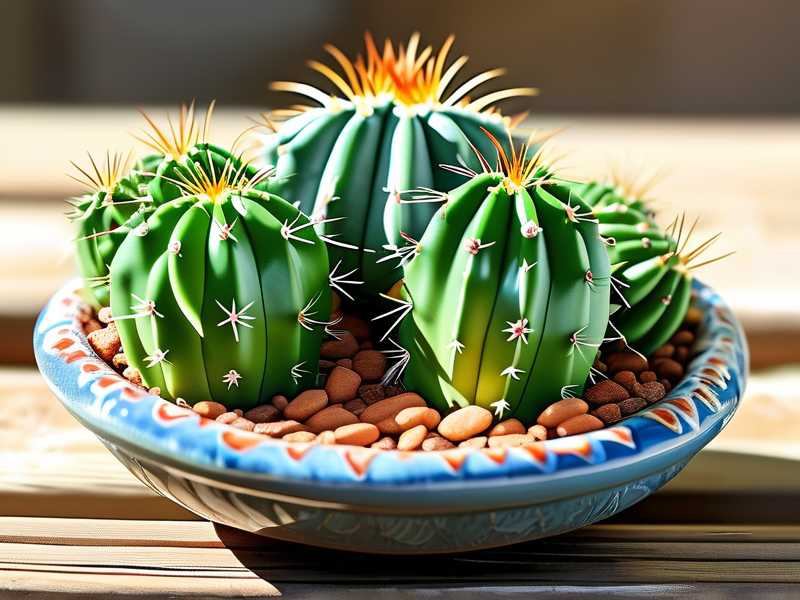
I once tried to treat my nopales like a regular houseplant. I gave it small amounts of water every three days. The pads stayed skinny and tough. After two weeks of this routine, the bottom pads actually started to wrinkle. That was my wake-up call.
According to the RHS (Royal Horticultural Society), cactus species store water in their stems and pads. They are adapted to long dry periods followed by deep soaking. This is the exact opposite of what most beginners do. We tend to give frequent, shallow waterings. That forces roots to stay near the surface, where they rot easily.
The AHS (American Horticultural Society) also emphasizes that succulents need "deep, infrequent irrigation." I follow this rule strictly. My nopales now produce pads that are so tender, I can bend them slightly without cracking. That is the sweet spot.
My Step-by-Step Watering Routine for Tender Pads
I want to walk you through exactly what I do every time I water. This routine took me two years to refine. I killed two plants before I got it right.
Step 1: Check the Soil Before You Even Think About Water
I never water on a fixed schedule. I only water when the top 2 to 3 inches of soil feel completely dry. Stick your finger into the pot. If it feels cool or damp, walk away. Simple as that.
I used to water every Tuesday without checking. That was a disaster. The soil stayed wet for days. Roots suffocated. The pads turned mushy within two weeks.
Now I also lift the pot. A dry pot feels significantly lighter. I promise you, this weight check becomes second nature after a few tries. Touch the soil first. Lift the pot second. If both indicate dryness, then I water.
Step 2: Water Slowly and Deeply
I use a watering can with a narrow spout. I pour water directly onto the soil surface, not onto the pads. Wet pads can develop sunburn or fungal spots. Avoid that at all costs.
I water until I see excess liquid draining from the bottom holes. This ensures the entire root ball gets moisture. Then I wait for the pot to drain completely. I never let the pot sit in a saucer of water. That is a death sentence.
After a deep watering, my nopales pads visibly swell within 24 hours. The color becomes a brighter green. The edges look fuller. Within two weeks of consistent deep watering, I harvested pads that were almost double the thickness of my previous sad attempts.
Step 3: Let the Soil Dry Out Completely
This is the hardest part for beginners. We want to baby our plants. We see dry soil and immediately reach for the watering can. Resist that urge.
I wait until the soil is bone dry down to the bottom of the pot. For my nopales, this takes about 7 to 10 days in summer. In winter, I water only once every 3 to 4 weeks. Yes, that long.
During the dry period, the roots search for moisture. This makes them stronger. The pads also firm up. If you water too soon, the pads become soft and vulnerable to pests.
I learned this lesson after killing my second plant. I saw the soil surface was dry, so I watered. The soil beneath was still wet. The roots rotted slowly. By the time I noticed the yellow pads, it was too late.
3 Deadly Mistakes Every Beginner Makes with Nopales Cactus
I have made every single mistake in this list. I am sharing them so you can skip the pain and go straight to tender pads.
Mistake 1: Overwatering
This is the number one killer. 90% of indoor plants die from overwatering, and nopales is no exception. I lost my first plant to this exact error.
I gave my nopales a little water every few days because I thought it would keep the pads juicy. Instead, the roots suffocated. Within two weeks, the pads turned yellow, then brown, then mushy. The smell was awful.
The solution is simple. Water deeply, then wait until the soil is completely dry. Do not follow a calendar. Follow the soil. Your nopales will tell you when it needs a drink.
Mistake 2: Wrong Light Exposure
Many people think nopales can tolerate low light. That is false. Without bright, direct sunlight, the pads grow thin and weak. They also fail to develop that tender texture.
I kept my second nopales on a north-facing windowsill. The pads stretched out, looking pale and pathetic. They were tough no matter how much I watered. The problem was light, not water.
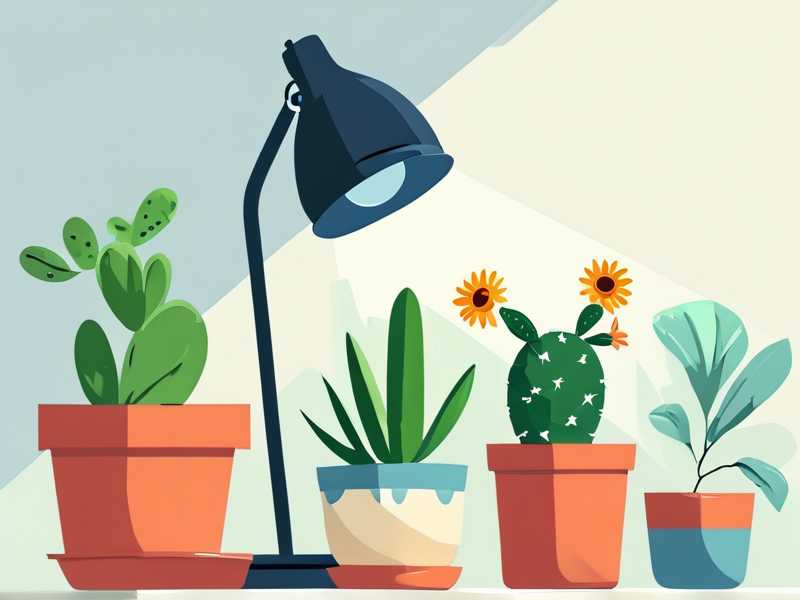
Move your nopales to a south or west window. Or use a grow light. I now keep mine on a sunny balcony. The difference is night and day. Pads grow thicker, greener, and more tender.
If you have to keep it indoors, aim for at least 6 hours of direct light. Less than that, and your nopales will struggle.
Mistake 3: Using the Wrong Pot
This mistake is sneaky. I used a decorative ceramic pot with no drainage holes. I assumed I could just be careful with watering. That was naive.
Water pooled at the bottom. Roots sat in moisture. Within two weeks, the pads started to droop. I thought it was underwatering, so I gave more water. It got worse.
Always use a pot with drainage holes. Terracotta pots are ideal. They breathe and help soil dry faster. Plastic pots can work, but you need to be extra careful with watering.
I also recommend using a coarse, well-draining cactus mix. Regular potting soil holds too much water. I mix my own with 50% potting soil and 50% perlite or coarse sand. The roots stay happy, and the pads stay tender.
How I Observed Tender Pads After Two Weeks of Correct Watering
I want to share a real timeline from my own experience. I had one nopales that was producing thin, tough pads. I decided to reset the watering schedule based on the deep soak method.
On day 1, I gave the plant a thorough watering until water ran out the bottom. The soil was bone dry before this. The pads looked slightly deflated.
By day 3, the pads had visibly plumped up. The edges became rounded. The surface felt smooth and firm.
On day 7, the soil was dry again. I checked by sticking my finger all the way to the bottom. Dry. I watered deeply again.
By day 10, new pads started to emerge from the base. They were thick and vibrant green. I could already tell they would be more tender than the old ones.
On day 14, I harvested the first pad. It was easy to cut. The flesh was juicy, not fibrous. I used it in a salad, and it tasted fresh and mild. That was the turning point for me.
Now I repeat this cycle throughout the growing season. My nopales produce consistently tender pads. I have not had a tough pad since I started this method.
Seasonal Watering Adjustments for Edible Nopales
Your watering schedule needs to change with the seasons. Nopales are active in warm months and dormant in cold months.
Summer Watering
In summer, my nopales are outside in full sun. Temperatures reach 90°F. I water every 7 to 10 days. The soil dries out quickly.
I also check for signs of heat stress. If the pads start to wrinkle slightly, I water a day earlier than usual. But I never water if the soil is still damp.
Winter Watering
In winter, my nopales go indoors. The air is drier, but the plant is resting. I water once every 3 to 4 weeks. That is it.
If I water more often, the pads become soft and prone to rot. I have seen this happen to friends who overcare for their plants in winter. Less is more.
I also reduce the amount of water. I give just enough to moisten the soil, not a deep soak. The plant does not need much when it is not growing.
Tools I Use to Water Nopales Correctly
I keep things simple, but a few tools help.
I use a moisture meter sometimes. It takes the guesswork out. But my finger works just fine.
I also use a long-spout watering can. It lets me water directly at the soil line without disturbing the pads.
These are not expensive. You can start with a basic can and your own finger. That is all you really need.
The key is consistency. Check the soil. Water deeply. Let it dry. Repeat.
FAQ: Common Questions About Watering Nopales Cactus
I get these questions all the time from fellow growers. Here are the real answers.
How do I know if my nopales is overwatered?
Look for yellow or translucent pads. They might feel soft or mushy. The base of the plant might turn brown. If you see this, stop watering immediately. Let the soil dry out for at least two weeks. If the rot has spread, you may need to cut away affected pads and repot.
Can I use tap water for my nopales?
Yes, but let it sit out for 24 hours first. This lets chlorine evaporate. I use tap water all the time. My nopales are fine. If you have very hard water, you might see white mineral deposits on the soil surface. That is harmless. Just scrape it off occasionally.
Should I mist my nopales pads?
No. Nopales cactus does not need humidity. Misting can lead to fungal spots on the pads. I learned this the hard way when I tried to "simulate rain." The pads developed ugly black spots. Just water the soil. The pads will get enough moisture from the roots.
What if my nopales pads are thin and tough even with proper watering?
Check your light. Thin pads usually mean not enough sunlight. Move your plant to a brighter spot. Also check soil drainage. If the soil stays wet too long, roots cannot absorb moisture properly. A change in light and pot can make a huge difference.
Final Thoughts on Watering for Tender Nopales
Growing edible nopales is not complicated. But it requires patience. I killed three plants before I got it right. That is a hard truth.
The secret is simple. Water deeply. Let soil dry completely. Provide bright light. Use a pot with drainage. That is it.
After just two weeks of correct watering, you will see the difference. The pads will feel fuller, look greener, and taste better. I have been eating my own nopales for months now. Every pad is juicy and tender.
Start with one plant. Watch it closely. Stick your finger in the soil. Trust your eyes and hands. Your nopales will reward you.
If I can do it after killing three plants, you can definitely do it. Good luck.