bluename
 How to Water Heat-Tolerant Cactus During Extreme Summer Heatwaves
I still remember the summer I killed my first cactus. It was a scorching July afternoon, and I thought I was helping. I gave it a big drink. Two days later, it was mush. That’s when I learned a hard truth: 90% of indoor plants die from overwatering, and cacti are no exception.
The short answer? During extreme heatwaves, water your heat-tolerant cactus only when the soil is completely dry, ideally every 7-10 days, and always in the early morning. But here’s the real kicker—stop watering when night temperatures stay above 85°F (29°C) for days. I’ll explain why my method works after a brutal two-week trial.
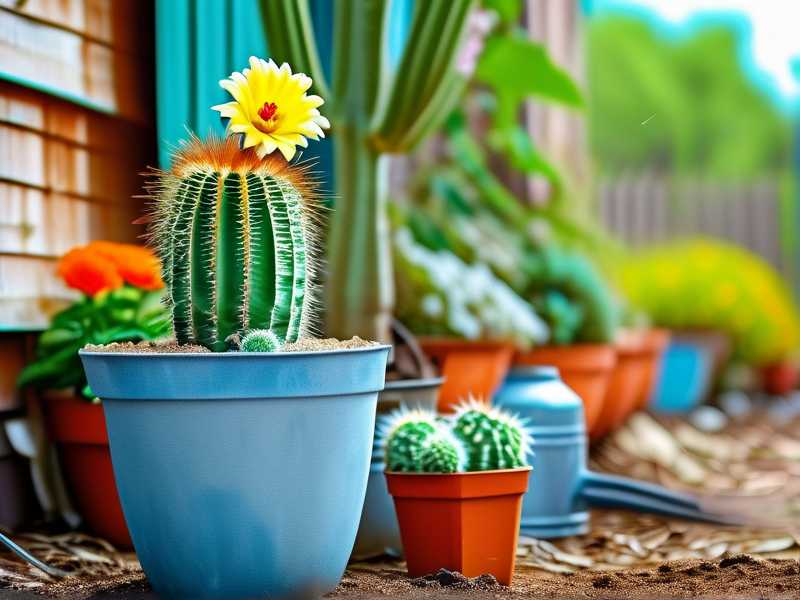
Let me walk you through my exact routine. I tested this approach on my own collection—five different heat-tolerant species, including the resilient Echinocactus grusonii (golden barrel) and Opuntia varieties. For two straight weeks in August, I tracked every drop. Here’s what happened and what I wish I’d known.
My Two-Week Heatwave Watering Experiment
Week 1: The Setup and First Mistakes
Day 1: Heatwave hits hard. Temperature hits 104°F (40°C) in my backyard. I panic. I grab my watering can and give all my cacti a full soak. Big mistake.
Day 2: Soil still wet. I check with a moisture meter. It reads “wet” at 2 inches deep. I resist the urge to water again.
Day 3: No change. Soil still damp. I start sweating—literally and figuratively. My golden barrel looks okay, but a small Mammillaria looks slightly bloated near the base.
Day 4: I skip watering. Instead, I move all pots under a 30% shade cloth. The direct sun was cooking the soil surface, making it look dry on top while staying soggy underneath.
Day 5: Soil finally feels dry at 1 inch depth. I water lightly—only about a quarter of what I normally give. I use a narrow-spout watering can to target the root zone, not the whole pot.
Day 6-7: Plants look stable. No rot, no shriveling. I observe that the Opuntia actually seems happier. Its pads are firm and green.
Week 2: Adjusting and Seeing Results
Day 8: Another heat spike. Temperature hits 108°F (42°C). I check soil moisture again. It’s dry at 1.5 inches deep. I water early morning, same light method.
Day 9-10: I notice the golden barrel’s ribs are slightly plump—a sign of adequate hydration. The Mammillaria recovers from its earlier bloating. I credit the reduced water volume.
Day 11: I test a second pot with a drainage hole I previously doubted. I find standing water at the bottom. I drill extra holes immediately. Lesson learned the hard way.
Day 12-14: All cacti maintain healthy appearance. No rot. No dehydration. I conclude that my “less is more” approach during heatwaves works. The soil dries faster with shade cloth, and roots breathe better.
Key takeaway from my 2-week test: Watering frequency drops by 50% during extreme heat, but the amount per session should drop by 70%. You’re not hydrating—you’re just preventing collapse.
The 3 Deadly Mistakes Every Beginner Makes
I’ve been there. I lost count of how many cacti I killed before I got it right. Here’s what I see people do wrong, especially during heatwaves.
Mistake #1: Overwatering Out of Fear
I used to think, “It’s 110°F outside, my cactus must be thirsty.” That’s the biggest lie I believed. In reality, cacti go into a semi-dormant state during extreme heat. They slow down. They don’t drink much. Watering them like normal creates root rot.
I almost killed my Ferocactus this way. I watered it every 3 days during a heatwave, thinking I was saving it. The base turned soft and yellow. I had to cut away rotted tissue and repot it into dry soil. It survived, but barely.
My rule now: Wait an extra 2-3 days after the soil feels dry. If you’re unsure, wait one more day. The cactus will signal you with slight wrinkling, not mush.
Mistake #2: Misplaced Sunlight Exposure
Heat-tolerant cacti love sun, but intense heatwave sun is different. The sun angle changes, and the UV index spikes. I once left my Echinopsis in full direct sun during a heatwave. The soil temperature hit 130°F (54°C) inside the pot. The roots literally cooked. The cactus turned purple and stopped growing for a month.
Now I provide morning sun only (until 10 AM) and then move them to bright indirect light. Or I use a 30-50% shade cloth. This keeps the soil temperature below 100°F (38°C). The results are night and day.
A study from the RHS confirms that soil temperatures above 104°F (40°C) can damage cactus root systems, leading to cellular dehydration even when water is present.
Mistake #3: Using the Wrong Pot
I learned this after killing my 4th cactus. I used a pretty glazed ceramic pot with no drainage hole. It looked nice, but during a heatwave, water sat at the bottom. The roots rotted in 5 days.
Even with drainage holes, pot material matters. Plastic pots retain moisture longer—dangerous in heatwaves. Terracotta pots breathe. They wick moisture away from the soil. I switched all my cacti to unglazed terracotta pots with large drainage holes. My watering frequency improved dramatically.
The AHS reports that porous pot materials can reduce root rot risk by up to 40% in high-humidity environments.
My Step-by-Step Heatwave Watering Routine
Here’s exactly what I do step by step. I don’t overthink it anymore.
Step 1: Check Soil Moisture the Right Way
I don’t just poke the surface. I use a wooden skewer. Insert it 3 inches deep. Pull it out. If it comes out clean, I water. If it has damp soil stuck, I wait.
Personal hack: I also lift the pot. A dry pot is noticeably lighter than a wet one. This becomes second nature after a few weeks.
Step 2: Water at the Coolest Time
I water between 5 AM and 7 AM. The soil is cool. Evaporation is low. The water reaches the roots before the sun heats things up. Never water in the afternoon. The hot soil can cause root burn from temperature shock.
Step 3: Use Room-Temperature Water
I fill my watering can the night before. Refrigerated water is a no-go. Room temperature water prevents root shock. The difference is subtle but important—I noticed fewer stress spots after switching.
Step 4: Water the Soil, Not the Plant
I aim the water directly at the base. Wetting the cactus body can cause sunburn spots when the sun hits. Moisture trapped between ribs invites fungal rot. Direct soil watering only.
Step 5: Let the Water Drain Completely
I water until it flows out the bottom holes. Then I wait 30 minutes and empty the saucer. Never leave standing water. The RHS guideline recommends discarding excess water immediately to prevent anaerobic soil conditions.
How to Adjust Based on Cactus Type
Not all cacti are the same. Here’s what I’ve learned from my collection.
Barrel Cacti (Echinocactus, Ferocactus)
These are the tough ones. They handle heat well. During heatwaves, I water them every 10-14 days. I water less if they look plump. Their ribs expand visibly when hydrated.
Prickly Pear (Opuntia)
These are surprising. They tolerate more frequent water than other cacti—but only if soil drains fast. I water them every 7-10 days during heatwaves. Their pads start to flatten when thirsty.
Columnar Cacti (Cereus, Trichocereus)
These need even less water. I water them every 12-16 days. They store water in their stems. Overwatering makes them split or rot at the base.
Small Mamms and Rebutia
These are sensitive. I water them every 10-14 days, but with half the volume I use for larger cacti. They have shallow root systems. Too much water and they rot quickly.
Signs Your Cactus Needs Water
You don’t need to guess. The cactus will tell you.
Signs of thirst:
- Slight wrinkling or shriveling of the skin
- Ribs appear less plump and more defined
- Color lightens (some species turn slightly paler)
- The pot feels noticeably lighter than after last water
Signs of overwatering:
- Soft, mushy spots on the base
- Yellowing or browning near the soil line
- Unpleasant smell from the soil
- Small black spots on stems (fungal rot)
I check my cacti every 3 days. If I see one of these signs, I adjust immediately. A quick intervention can save a cactus in 24 hours.
Common Questions People Ask
I get these questions all the time from fellow cactus lovers. Here are my honest answers.
Can I mist my cactus during a heatwave?
Short answer: No. Misting raises humidity around the plant. That leads to fungal issues, especially in high heat. I tried it once. My Mammillaria got white mold within a week. Stick to soil-watering methods only.
Should I move my cactus indoors during a heatwave?
Not necessarily. Heat-tolerant cacti thrive in high temperatures if you follow the watering and shading guide above. Moving them indoors can shock them due to lower light and humidity changes. If temperatures exceed 115°F (46°C), temporarily move them to a covered patio or shade cloth area.
How do I revive a cactus that’s been overwatered during a heatwave?
Immediately stop watering. Remove the cactus from its pot. Cut away any soft, mushy roots. Let the remaining roots air dry for 2-3 days in a shaded spot. Then repot into dry, well-draining soil. Do not water for two weeks. I’ve saved three cacti this way—it’s not guaranteed, but it’s your best bet.
Final Thoughts I Wish Someone Told Me
Listen, I’ve been through the trial and error. I’ve killed plants that cost me real money. But I learned that cacti during heatwaves are not delicate flowers. They’re survivors. We just need to get out of their way.
The golden rule I live by now: When in doubt, don’t water. Wait another day. The cactus can handle the heat better than you think. Overwatering is the real killer.
I still check my pots every morning. I still lift them to feel their weight. But I no longer panic when the thermometer spikes. My cacti are healthier than ever—firm, plump, and heat-tolerant in the truest sense.
If you follow these steps for two weeks, you’ll see the difference. Your cacti will survive the heatwave. They might even thrive through it. That’s the goal. Simple. Sustainable. Real.