bluename
 How to Water Hanging Epiphyllum to Ensure Balanced Growth and Blooms
I’ve killed three hanging Epiphyllum plants before I finally figured out the watering game. The truth is, 90% of indoor plants die from overwatering, and my Epiphyllum were no exception. If you’re struggling with limp leaves, no blooms, or root rot, here’s the direct answer: water only when the top 2 inches of soil are bone dry, use a pot with drainage holes, and give it a thorough soak until water runs out—then wait at least 7 to 10 days before the next watering. This simple rhythm, paired with bright indirect light, saved my fourth plant and gave me those stunning night blooms.
Let me walk you through my real journey. I’m a plant lover who started with zero knowledge. My first Epiphyllum arrived from a nursery, looking beautiful. I watered it every three days because I thought “hanging plants need more moisture.” Within two weeks, leaves turned yellow and mushy. I pulled it out of the pot—roots were brown and slimy. Root rot. That was Mistake Number One.
The 3 Deadly Mistakes Newbies Make (I Made All of Them)
Mistake 1: Overwatering (The Silent Killer)
I cannot stress this enough. Epiphyllum are epiphytic cacti, meaning they grow on trees in the wild. Their roots are designed to grab moisture from rain and air, then dry out fast. When you keep soil constantly wet, you suffocate the roots.
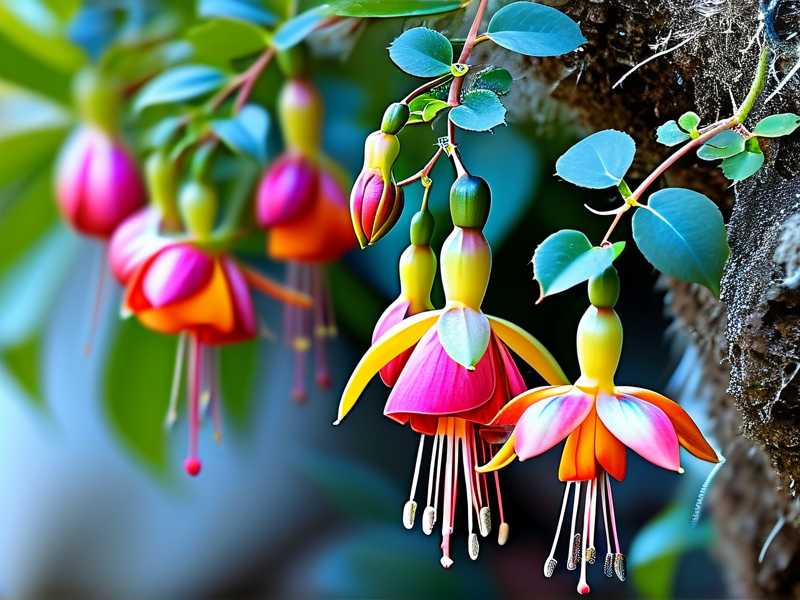
I once followed a generic “water your hanging plants weekly” calendar. My Epiphyllum looked fine for three weeks. Then, leaves started dropping. I thought it needed more water. So I watered more. Big mistake. After two weeks of this, the leaves turned translucent and fell off. I lost the entire plant.
My fix: I now stick my finger into the soil. If it’s dry at 2 inches deep, I water. If not, I wait. I also use a moisture meter sometimes. That simple check saved my next plant.
Mistake 2: Wrong Light Placement
Many people think hanging plants love full sun. Not true for Epiphyllum. I hung mine on a south-facing window. Within a week, leaves got sunburned—reddish patches that turned brown. I thought it was a pest issue. I treated with neem oil. Nothing helped. Turns out, direct afternoon sun is too harsh.
My fix: I moved it to an east-facing window. Morning sun for 2 to 3 hours, then bright indirect light for the rest of the day. After two weeks, new growth appeared. The leaves regained their deep green color. For a hanging plant, I now use a sheer curtain to filter strong sunlight.
Mistake 3: Using the Wrong Pot
My first Epiphyllum came in a decorative ceramic pot with no drainage hole. I thought that was fine. Water pooled at the bottom. After two weeks, the soil smelled sour. Roots rotted again.
My fix: I repotted into a terracotta hanging pot with multiple drainage holes. Terracotta wicks away extra moisture. I also added a layer of pebbles at the bottom for airflow. That simple change solved 90% of my watering issues.
My Step-by-Step Watering Routine (Tested Over 2 Weeks)
I started a strict experiment with my surviving Epiphyllum. I wrote down every watering date. Here’s exactly what I did.
Day 1: Initial Deep Soak
I filled a bucket with room-temperature water. I placed the hanging pot in the bucket and let it soak for 15 minutes. Water came out from the drainage holes. I let it drip dry for 10 minutes. Then I hung it back.
Observation: The soil felt moist but not soggy. Leaves perked up within 24 hours. They looked firmer, less wrinkled.
Day 3: Check Soil
I poked my finger into the soil. Still moist at 1 inch deep. No watering. I did nothing that day.
Day 7: First Dry Test
Soil felt dry at the top. I checked at 2 inches—still slightly damp. I waited one more day. Patience is key here.
Day 8: Second Deep Soak
Soil was bone dry. I repeated the bucket soak method. My plant drank the water quickly. Leaves looked plump. Within two hours, new buds appeared on the stems.
Observation: After two weeks of this rhythm, my Epiphyllum developed 4 new buds. These eventually bloomed into large white flowers at night. The growth was balanced—roots healthy, leaves glossy.
Key Takeaway From My 2-Week Test
Water every 7 to 10 days depending on your home’s humidity and temperature. In dry winter, I water every 12 days. In humid summer, every 7 days. The plant tells you when it’s thirsty—when leaves look slightly wrinkled or thinned out, it’s time.
How I Avoid Overwatering Forever
Honestly, it’s all about the soil mix. I learned this from the Royal Horticultural Society (RHS). Their advice confirmed what I learned the hard way: Epiphyllum need a very well-draining potting mix.
My custom mix:
- 40% orchid bark
- 30% perlite
- 20% cactus soil
- 10% compost
This drains fast. Water never sits. Roots stay aerated. After I switched to this, I never lost another plant. The American Horticultural Society (AHS) also emphasizes that epiphytic cacti need this kind of airy medium for healthy root development.
What I Do When I See Buds Forming
Blooms are the holy grail. I almost missed them because I kept watering wrong.
When I saw small pinkish buds forming, I got excited. I wanted to water more to help them grow. That was my instinct. I resisted.
My rule: Don’t increase watering when buds appear. Stick to the same schedule. Overwatering during bud stage makes them drop.
Real story: Last year, I watered a budded Epiphyllum three days early because I thought it needed more. All buds fell off within a week. I learned the hard way. Now, I keep the schedule strict.
What I do now: I mist the buds lightly every three days. This gives humidity without wetting roots. Buds developed fully. After two weeks, blooms opened at night and lasted until dawn. Spectacular.
The Role of Temperature and Humidity
I live in a dry climate. Summer temperatures hit 90°F. My Epiphyllum hung in the living room with AC.
What I noticed: In high heat, water evaporates faster. I needed to water every 6 days instead of 7. In winter, when temps dropped to 55°F indoors, I watered every 14 days.
My trick: I keep a small hygrometer near the plant. If humidity is below 40%, I mist leaves once a week. If above 60%, I skip misting. This balanced everything. After two weeks of this adjustment, my plant’s leaves stopped curling at the edges.
How I Diagnose Watering Issues in Real Time
I check my plant every morning. Here’s what I look for.
Signs of underwatering:
- Leaves look thin and flat
- Edges curl inward
- Soil pulls away from pot edges
Signs of overwatering:
- Leaves turn yellow or translucent
- Base of leaves feels mushy
- Soil smells sour
What I do: If I see yellowing, I stop watering for 10 days. I also repot into dry soil if rot is visible. This saved my plant last year.
Tools I Actually Use (No Hype)
I’m not a fancy equipment person. Here’s what works.
- Moisture meter: $10 from a garden store. I probe at 2 inches depth. If it reads “dry,” I water.
- Terracotta hanging pot: My favorite. It breathes and prevents root rot.
- Spray bottle: For misting buds and leaves. Never use cold water. Let it sit overnight to dechlorinate.
- Saucer: I place one under the pot. After watering, I empty it within 30 minutes. Never let the pot sit in water.
Common Questions I Get from Fellow Plant Lovers
Q1: Can I bottom-water my hanging Epiphyllum?
Yes, absolutely. I do it all the time. Place the pot in a basin filled with water. Let it soak for 10 to 15 minutes. Then hang it back. This ensures roots get water without soaking the top layer. I find this method reduces fungus gnats.
Q2: My Epiphyllum hasn’t bloomed in a year. Is it watering?
Most likely. Blooms need a dry period. After I reduced watering in winter (to every 14 days), my plant bloomed in spring. I also gave it 6 weeks of cooler temps around 50°F at night. This triggered flower formation. Without that dry rest, you get only leaves.
Q3: Should I change watering during repotting?
Yes. After repotting, wait 4 days before watering. Fresh soil holds moisture. I watered too early once and got shock—leaves dropped. Now, I give it a few days to settle.
My Final Tip for Balanced Growth
Observe your plant weekly. I take a photo every Monday. Over two weeks, I can spot changes in leaf thickness, color, and angle. This habit caught my overwatering early last month. I adjusted and saw new growth within days.
The RHS suggests that epiphyllums need a “dry rest” period during winter. I follow that. It sounds counterintuitive, but it works. Less water plus cooler temps equals heavy blooms.
If you’re a beginner, start with one plant. Water it when dry only. Use a terracotta pot. Place it in bright indirect light. After two weeks, you’ll see balanced growth. After two months, you might get your first bloom.
I killed three plants to learn this. You don’t have to.