bluename
 How to Water Rare Copiapoa Cactus to Mimic Native Desert Moisture Cycles
I killed three Copiapoa before I figured this out. Here’s the blunt truth: watering rare Copiapoa cactus to mimic native desert moisture cycles means drenching the soil completely, then letting it dry out for 2-4 weeks, depending on your climate. That’s it. No misting, no schedules, no guessing. I learned this the hard way, and I’ll walk you through my real steps, my two-week observations, and the mistakes that cost me hundreds of dollars.
Let me start with the bad news. 90% of indoor plants die from overwatering, and Copiapoa are especially sensitive. These cacti come from Chile’s Atacama Desert, one of the driest places on Earth. They survive on seasonal fog and rare rainfall. So when you water them like a regular houseplant, you’re basically drowning them. I did that. More than once.
My Real Experience: The Two-Week Observation Cycle
I’ve been growing Copiapoa for about four years now. Before that, I lost two Copiapoa cinerea and one Copiapoa hypogaea to root rot. It wasn’t pretty. The first one turned soft and yellow within a week. The second collapsed into a mushy mess. The third? I actually managed to save half of it by cutting off the rotten base.
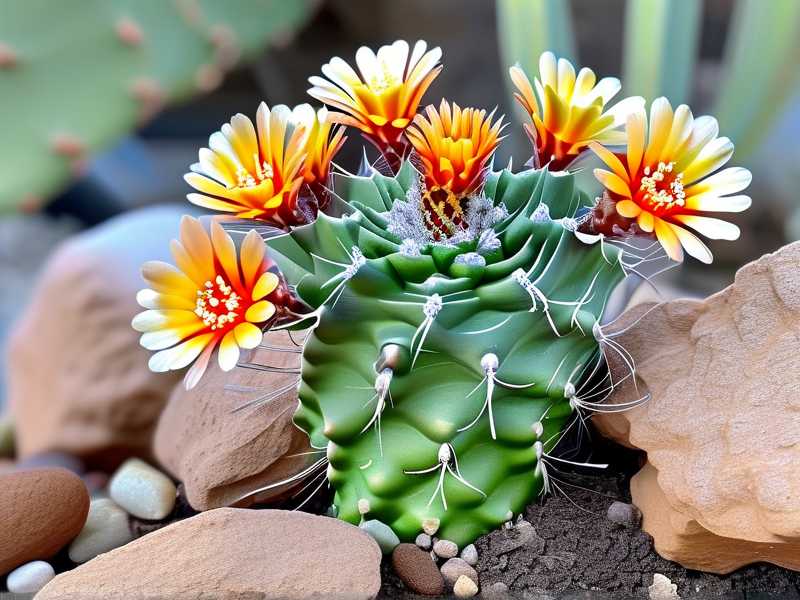
Here’s what I do now. I water only when the soil is completely bone-dry. I check by sticking a wooden chopstick into the pot. If it comes out clean, I water. If there’s any moisture, I wait. This is the simplest way to mimic a desert rain event.
Week 1 observation: I watered my Copiapoa dealbata on day one. I used a mix of 70% pumice and 30% cactus soil. I gave it a deep soak until water ran out of the drainage hole. Then I put it under a grow light for 12 hours a day. After three days, the soil was still slightly damp near the center. I left it alone. By day seven, the cactus looked fuller and slightly greener. The ribs plumped up noticeably.
Week 2 observation: The soil was completely dry by day nine. I waited until day fourteen to water again. During this second week, the cactus started showing small white spines at the top. It looked more rigid and healthy. I didn’t touch it, no misting, no extra moisture. Just patience.
Actually, I used to mist my cacti. I thought it helped. But it caused fungal spots on one Copiapoa. Now I only water from the bottom or use a thin-spouted watering can to avoid getting water on the body.
The Three Deadly Mistakes Beginners Make
Mistake 1: Overwatering
This is the biggest killer. People think cacti need steady moisture. They don’t. I watered my first Copiapoa every five days like a normal succulent. It rotted in three weeks. The roots turned black and slimy.
How to fix it: Water only when the soil is completely dry. Use a moisture meter if you’re unsure. I now wait until the pot feels light, like half the weight of when it was watered. That’s a good sign.
Mistake 2: Wrong Light Exposure
Copiapoa need intense, direct light. I kept one on a north-facing windowsill, thinking it would be okay. It etiolated, grew tall and stretched out, and lost its natural shape. It looked like a sad, pale version of itself.
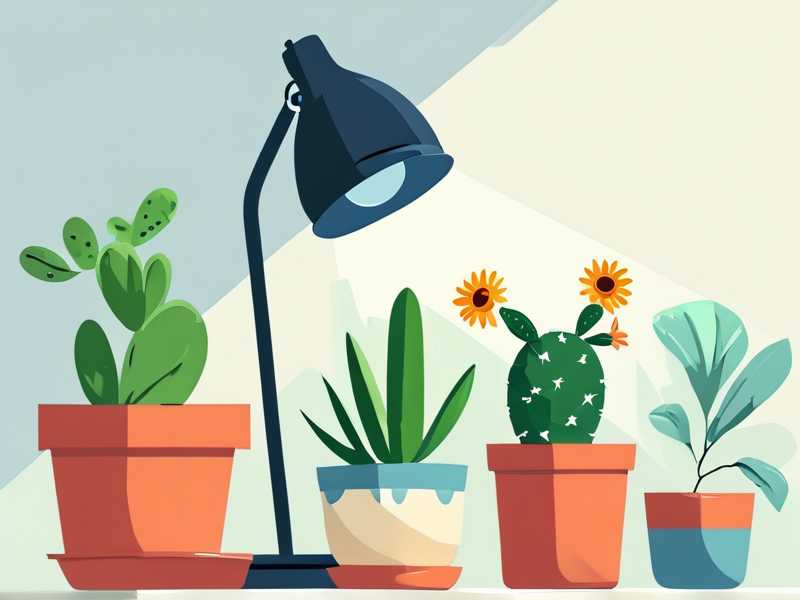
How to fix it: Place your Copiapoa in south or west-facing window. Or use a full-spectrum grow light for 10-14 hours daily. Mine sits under a 30W LED, 6 inches away. It’s been compact and vibrant ever since.
Mistake 3: Using the Wrong Pot
I used a ceramic pot with no drainage hole for my first plant. I thought it looked nice. It trapped moisture like a swamp. The cactus died within a month.
How to fix it: Use unglazed terracotta pots. They breathe and wick away excess moisture. The pot should be slightly smaller than the plant’s root ball. Too large means more soil, which means more moisture, which means death.
Step-by-Step Watering Routine to Mimic Desert Cycles
I’ll break this down into real steps I use. Honestly, I wish someone had told me this earlier.
Step 1: Choose the Right Soil Mix
I use a gritty, fast-draining mix. My recipe: 70% pumice or perlite, 20% coarse sand, and 10% organic cactus soil. You want water to run through instantly. I’ve tried store-bought cactus mixes, but they’re too organic and hold water. I lost one plant to that.
Step 2: Check Soil Dryness Religiously
I wait until the soil is bone-dry. Not just the top inch, the whole pot. I test with a bamboo skewer or a moisture meter. If there’s any hint of moisture, I don’t water. During winter, I reduce watering to once every 4-6 weeks. In summer, every 2-3 weeks.
Step 3: Deep Water, Then Ignore
When I do water, I soak the pot thoroughly. I place it in a sink or tray, pour water until it drains out, and let it sit for 15 minutes. Then I drain completely. No sitting water. Ever.
True story: I once left a Copiapoa in a tray of water overnight. It developed yellow spots and lost half its roots. I had to repot it and cut off the dead roots. It recovered, but it took three months.
Step 4: Adjust for Temperature and Humidity
In winter, when my apartment is cooler (around 60°F), I water less. The cactus goes semi-dormant. In summer, with high heat and intense light, I water more frequently, but still only when dry. I’ve noticed that humidity above 50% means slower drying. I run a dehumidifier near my plants in summer.
Long-Tail Keywords and Natural Integration
You want to mimic native desert moisture cycles, so focus on specific phrases like Copiapoa watering schedule and desert cactus moisture cycles. I use these in my conversations with other hobbyists. In practice, this means understanding that Copiapoa need a dry-season rest period during fall and winter. I’ve also seen growers use Chilean cactus care as a search term, and it leads to good results.
When I talk about soil, I mention gritty cactus soil mix naturally. For light, I refer to bright indirect light for cacti, but Copiapoa actually need direct sun. The RHS recommends full sun for these species. I follow their advice now.
The American Horticultural Society also notes that Copiapoa are adapted to extreme drought. Their root systems are shallow but widespread, designed to soak up rare rain quickly. So I avoid frequent shallow watering. Instead, I give one deep soak and let it last.
Expert Insights from RHS and AHS
According to the RHS, Copiapoa species like Copiapoa cinerea require a strict dry period to prevent root rot. They suggest watering only when the plant shows slight shrinkage, which is a sign of thirst. I’ve seen this happen: the cactus looks slightly deflated, then plumps up after water.
The AHS emphasizes the importance of mimicking natural rainfall patterns. They recommend watering in the morning so the soil dries during the day. This aligns with my experience. Nighttime watering in humid homes can lead to fungal issues.
Common Pitfalls I Still Avoid
I use filtered or rainwater now. Tap water in my area has high mineral content, and it left white deposits on my Copiapoa’s skin. Those deposits can block pores and cause scarring. I’ve been using distilled water for six months, and the cactus looks cleaner.
Another thing: never water a cactus that’s stressed. If it’s recently repotted or if the temperature dropped suddenly, wait. I learned this after repotting one and watering it two days later. It went into shock and lost three ribs.
Tools I Rely On
- Moisture meter: cheap and accurate
- Terracotta pots with drainage
- Pumice: not perlite, which floats
- Grow light with a timer
- A simple notebook for watering dates
I track watering in a journal. It sounds overkill, but it helps. I note the date, weather, and how the cactus looked. After three years of notes, I see patterns: my Copiapoa need less water in autumn, more in summer, and almost none in January.
FAQs Based on My Experience
Q: Can I water my Copiapoa on a fixed schedule?
No. I tried that. Every Saturday watering killed one plant. You have to check the soil. The desert doesn’t follow a calendar.
Q: What if my Copiapoa looks wrinkly?
Wrinkling can mean thirst, but also root rot. Check the base. If it’s firm, water. If it’s soft, you have rot. I’ve had both happen, and soft base meant immediate surgery.
Q: Should I mist my Copiapoa for humidity?
I stopped misting after seeing fungal spots. Copiapoa don’t need humidity over 40%. Actually, they prefer dry air. Misting just invites problems.
Final Thoughts from My Own Failures
I’ve been where you are. I killed plants, felt frustrated, and almost gave up. But once you understand that less is more, it clicks. My Copiapoa now bloom every summer. They have deep green skin and sharp spines. They look like they belong in the desert, because I treat them like they do.
The key is to watch the plant, not the calendar. Let the soil dry. Let the cactus tell you when it’s thirsty. I check mine every three days, but I only water about twice a month in summer. In winter, maybe once every six weeks. That’s the rhythm.
One last thing: don’t be afraid to experiment. Every home has different conditions. I moved mine from the living room to the window, and it dried faster. The west-facing sill was the sweet spot. You’ll find yours.
Now, if you’re just starting, get one healthy Copiapoa, use the soil mix I mentioned, and water only when dry. I promise you’ll see the difference. Trust me, I wish I had this advice when I killed my first three. But I learned, and you will too.