bluename
 How to Select Proper Transplant Timing for Cactus During Mild Spring Climate
If you're staring at a root-bound cactus on your windowsill right now, wondering whether this mild spring weather is the right moment to repot, here's the short answer: wait until nighttime temperatures stay above 50°F (10°C) for at least a week, and your cactus has clearly broken dormancy with visible new growth at the tip. That's your green light. I've transplanted cacti too early and watched them sulk for months, and I've also waited too long and dealt with cracked pots. Getting transplant timing right during a mild spring makes all the difference, and it's honestly not complicated once you know what to look for.
Let me walk you through exactly how I time my cactus transplants now, after killing more cacti than I'd like to admit. The first few were pure beginner mistakes, and I'll share those so you don't repeat them.
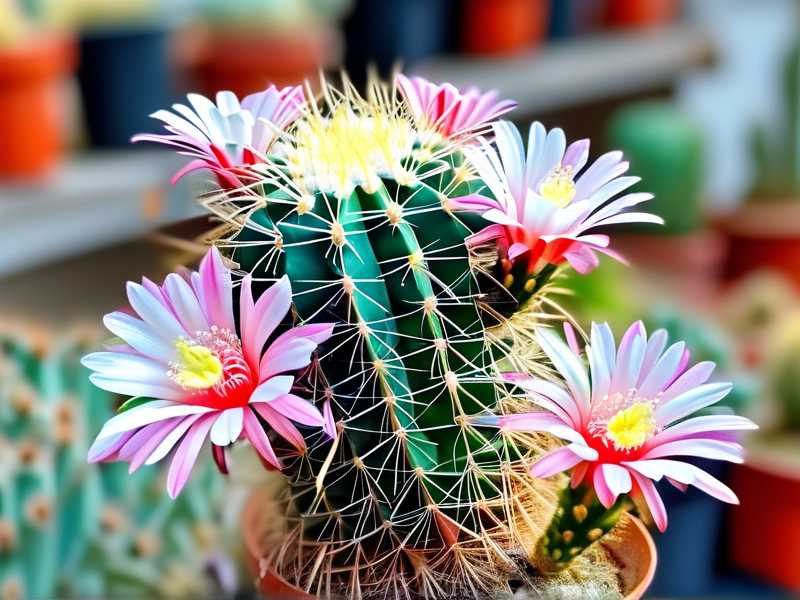
Why Spring Is the Sweet Spot for Cactus Transplanting
Cacti operate on a different rhythm than most houseplants. They go dormant in winter, and their roots basically shut down. If you repot during dormancy, the roots sit in damp soil without absorbing anything, and rot sets in fast.
Spring changes everything. The plant wakes up, roots start actively growing, and the cactus can recover from the shock of being moved.
But "spring" means different things depending on where you live. In the UK, mild spring might mean April with 55°F days. In Arizona or Australia, spring arrives earlier and hotter. So the calendar date matters less than what your plant and your local weather are actually doing.
The RHS recommends repotting cacti in early spring before the growing season kicks into full gear. That timing gives roots maximum time to establish before summer heat stress. The AHS similarly notes that early spring transplanting allows plants to capitalize on natural growth cycles.
The 2-Week Observation Method I Use Before Every Transplant
I don't guess anymore. I watch. Two weeks of observation before I touch a single pot.
Here's my process:
Week 1: I check for new growth at the crown or tips. Even a tiny bit of fresh green tissue means the cactus is waking up. I also check nighttime temperatures in my area. If they're still dipping below 50°F, I wait.
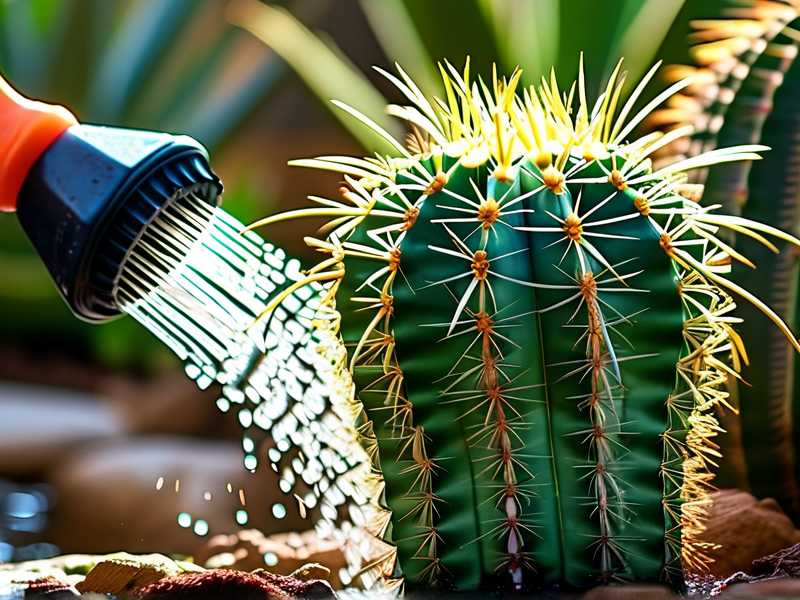
Week 2: I water lightly once, just around the base, and watch how the soil dries. If it dries within 3-4 days, roots are active. If it stays wet for a week, the cactus is still semi-dormant. Not ready.
Simple, right? But most people skip this entirely and just repot whenever they feel like it. Then they wonder why the cactus looks terrible.
My Biggest Transplant Timing Mistake (So You Can Avoid It)
I once repotted a beautiful Mammillaria in late February because we had a warm spell. Two 70°F days and I thought spring had arrived. Classic overconfidence.
Within a week, nighttime temps dropped back to 40°F. The cactus had been watered into fresh soil, roots couldn't dry out fast enough, and the base turned mushy. I lost the whole plant.
That was the third cactus I killed through bad timing. The others died from overwatering and wrong soil, but this one was purely a timing error.
What I learned: one warm week doesn't mean spring. You need consistent warmth. The plant needs to be actively growing, not just responding to a temporary temperature spike.
Now I use a simple rule. If I'm not sure, I wait another 10 days. Cacti aren't going anywhere. They're patient plants, and honestly, they'd rather stay root-bound a bit longer than get transplanted at the wrong moment.
Three Fatal Beginner Mistakes That Ruin Cactus Transplants
Everyone talks about timing, but timing alone won't save your cactus if you're making these other mistakes.
1. Watering Too Much After Transplant
This is the big one. 90% of indoor plants die from overwatering, and cacti are especially vulnerable right after transplanting. Their roots have tiny wounds from being disturbed. Wet soil + wounded roots = rot.
After I transplant, I don't water for at least 5-7 days. Then I give a light watering and wait another week before watering normally. In mild spring conditions, the soil dries at a reasonable pace, and the roots have time to callus over.
I used to water immediately after repotting because that's what I did with regular houseplants. That habit killed two cacti before I figured it out.
2. Light Placement Errors
A freshly transplanted cactus needs bright, indirect light for the first week or two. Not full blazing sun. Not a dark corner.
I made this mistake with a golden barrel cactus. Repotted it on a sunny Saturday and put it right back on my south-facing windowsill. By Wednesday, the stressed tissue near the base had started to blister.
Now I keep newly transplanted cacti in bright filtered light for 10 days, then gradually move them back to their regular spot. In a mild spring climate, the sun intensity is still ramping up, so the transition is easier. But if you're in a warm climate with strong spring sun, be extra careful.
3. Using the Wrong Pot
Size and material both matter, and getting either wrong can undo your good timing.
The pot should be only slightly larger than the root ball. One to two inches wider in diameter is enough. Too big, and the excess soil holds moisture the roots can't reach. That's a rot risk.
Material matters too. Unglazed terracotta wicks moisture away from the soil, which helps prevent overwatering. Glazed ceramic or plastic keeps moisture in longer. I use terracotta for almost all my cacti now, and my survival rate has gone way up.
I once put a small Echinocactus in a decorative glazed pot that was three sizes too big. The soil stayed damp for nearly two weeks after one watering. The cactus didn't make it.
Step-by-Step: What I Actually Do on Transplant Day
After two weeks of observation and confirming the cactus is actively growing, here's my transplant sequence:
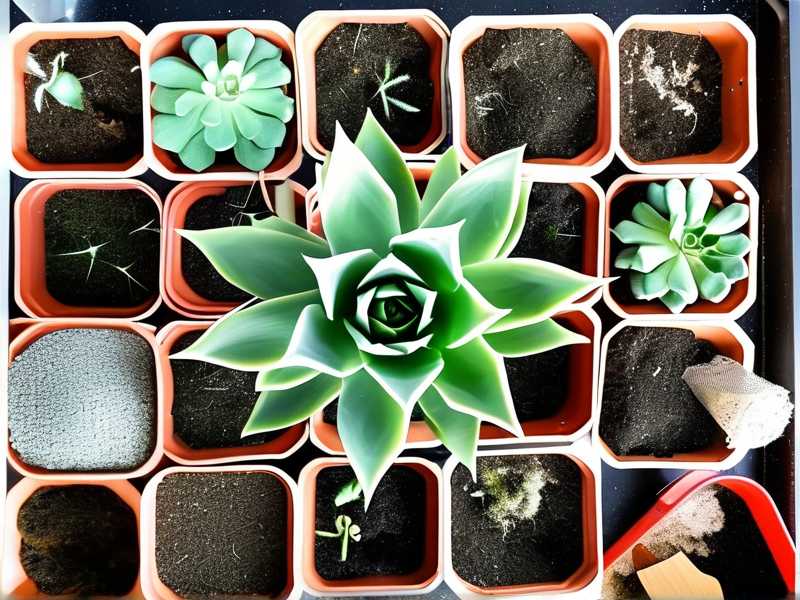
Step 1: I gather everything first. New pot, fresh cactus mix (I use a blend of potting soil, perlite, and coarse sand in roughly equal parts), gloves, and a chopstick.
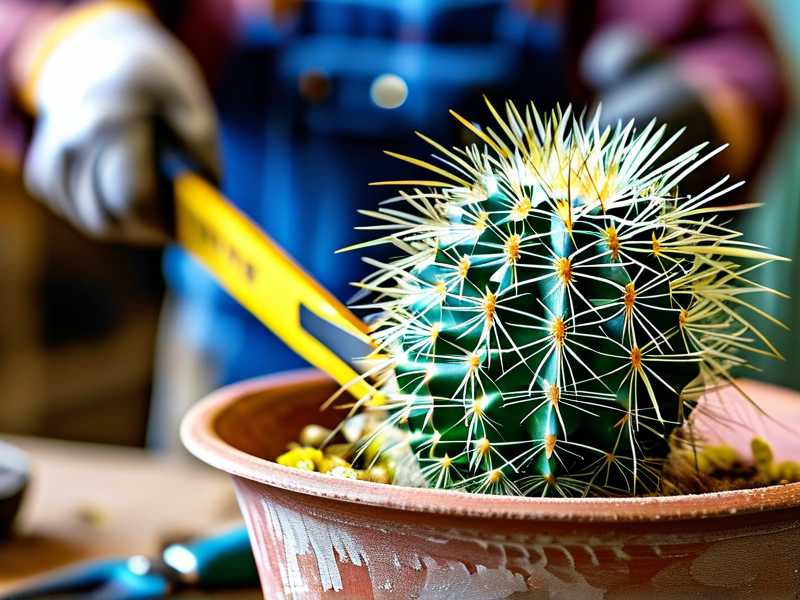
Step 2: I gently remove the cactus from its old pot. If it's stuck, I run a knife around the inner edge. I don't pull hard on the plant itself.
Step 3: I shake off old soil from the roots. Not aggressively. Just enough to see what I'm working with. If roots are circling tightly, I loosen them slightly with my fingers.
Step 4: I place the cactus in the new pot and backfill with fresh mix. I tap the pot on the table a few times to settle soil, then firm it gently. I don't water.
Step 5: The cactus goes into bright, indirect light. No water for 5-7 days. Then a light watering. Then back to normal care after another week.
That's it. No fertilizer for at least a month. No direct sun for two weeks. No fussing.
Adjusting Timing for Different Mild Spring Climates
Mild spring means something different in Portland versus London versus Melbourne. Here's how I think about it:
USDA Zone 8-9 (US South, UK, coastal Australia): Spring transplant window is usually March through April. Nighttime temps hover around 50-55°F. Watch for late cold snaps.
USDA Zone 6-7 (US Mid-Atlantic, Pacific Northwest, parts of Canada): Wait until late April or early May. The risk of a cold night is too high before that.
USDA Zone 5 and below (Northern US, most of Canada): You're probably growing cacti indoors year-round. Transplant timing depends more on indoor conditions than outdoor weather. If your home stays warm and your cactus is showing growth, early spring works.
The principle is the same everywhere: consistent warmth, active growth, and a gentle transition.
Aftercare: What the First Month Looks Like
The first month after transplant tells you whether you got the timing right.
If the cactus stays firm, doesn't wrinkle, and shows new growth by week three or four, you nailed it. If it starts to shrink or discolor, something went wrong. Usually it's watering too soon or too much.
I check my transplanted cacti every few days for the first two weeks. Just a quick look. Firmness, color, any soft spots at the base. If I see anything off, I pull back on water immediately.
By week four, if everything looks good, I resume my normal watering schedule. For most cacti in mild spring conditions, that's once every 10-14 days, depending on pot size and humidity.
Frequently Asked Questions
Can I transplant a cactus in early spring if it hasn't shown new growth yet?
I wouldn't. Without active growth, roots won't recover from transplant shock efficiently. Wait until you see new tissue forming at the tips or crown. That's your signal.
What if spring stays cool and cloudy for weeks?
Patience. Cool, cloudy conditions slow root development. If nighttime temps are still below 50°F, hold off. A delayed transplant is far better than a rushed one.
Should I water before or after transplanting?
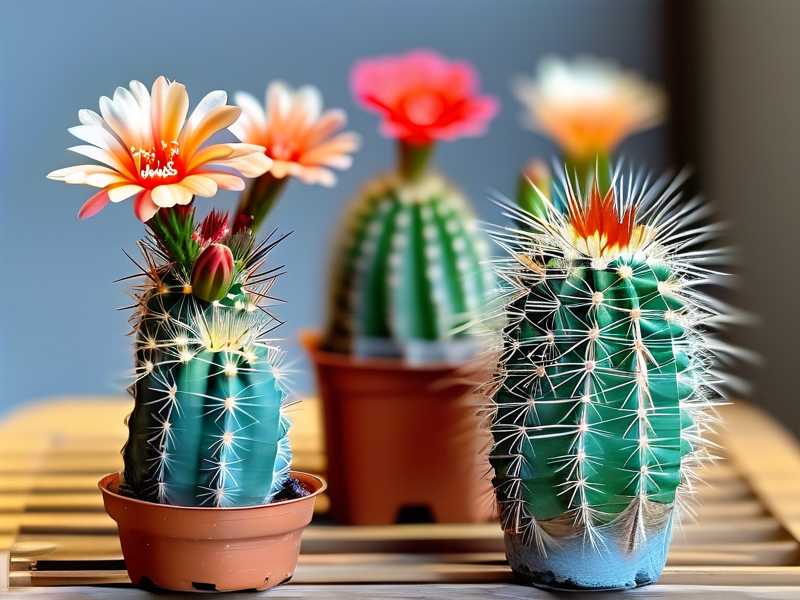
Neither, ideally. I stop watering 3-4 days before transplant so the soil is mostly dry. After transplanting, I wait 5-7 days before the first light watering. This gives any root damage time to heal without sitting in moisture.
Final Thoughts
Getting the timing right for your cactus transplant during mild spring really comes down to watching your plant, not your calendar. Two weeks of observation, consistent nighttime temperatures above 50°F, visible new growth, and a patient aftercare routine will set you up for success. Avoid the three big killers — overwatering, wrong light, wrong pot — and you'll be ahead of most beginners.
I've killed my share of cacti learning this. You don't have to.