bluename
 How to Manage Cactus Collections When Tap Water Supply Is Limited
Let me guess why you're here. You've got a windowsill of cacti, a water bill that's climbing, and maybe a drought restriction or a well that's running low. Or you're just tired of hauling buckets. Either way, you want to know how to manage cactus collections when tap water supply is limited—without losing the plants you've spent years growing.
Here's the short answer: cacti are built for scarcity, so you're already ahead. The trick is changing how you water, not how often. I switched my entire collection to a rain-catch and gray-water routine two summers ago. It took about two weeks to see which plants adapted and which threw a fit. By the end, I'd lost one old Mammillaria to rot—my fault—and saved the rest.
I'm not a botanist. I'm a hobbyist who's killed more cacti than I'll admit. But I've learned a few things the hard way, and I want to save you the same trouble.
Why Cacti Are Actually the Perfect Plants for a Water Shortage
Most houseplants panic when you cut back. Cacti don't. They evolved in places where rain shows up a few times a year and then vanishes.
The Royal Horticultural Society notes that cacti and succulents store water in their stems and leaves, which means they can coast through dry spells far longer than a fern or a fiddle-leaf fig. That's your advantage. Use it.
The American Horticultural Society adds that many desert cacti go dormant in extreme heat or cold, and during dormancy they need almost no water at all. So if your tap is limited, you can lean into dormancy instead of fighting it.
The Three Mistakes That Kill Cacti When Water Is Scarce
Before I get into solutions, let's talk about what goes wrong. I've made all three of these mistakes, and I've watched friends make them too.
Mistake 1: Overwatering Because You're Worried About Underwatering
This is the big one. 90% of indoor plants die from overwatering. I know that sounds dramatic, but it's true. And it gets worse when water is scarce—because you start rationing, then you panic, then you dump a cup on a cactus that didn't need it.
I killed a beautiful Echinocereus this way. I thought, "It's been three weeks, it must be thirsty." It wasn't. The soil was still damp two inches down. That plant rotted from the inside out in about ten days.
The fix? Buy a cheap moisture meter. Or use a wooden skewer. Stick it in the soil, pull it out. If it's damp, walk away. Cacti would rather be bone dry than slightly moist.
Mistake 2: Putting Them in the Wrong Light
When you cut back on water, light becomes even more important. Cacti need strong light to dry out their soil and stay compact.
I once moved a group of cacti to a shady corner to "protect" them from a heat wave. Big mistake. They stretched. They got pale. One developed a soft spot that turned into rot. Light isn't optional—it's part of the water equation.
Most cacti want at least four to six hours of direct sun. South-facing windows are ideal in the northern hemisphere. If you're in Australia or the UK, adjust accordingly. In the UK, you might need a grow light in winter. I use a simple LED panel for eight hours a day from October to March.
Mistake 3: Using the Wrong Pot
This one sneaks up on you. I used to plant cacti in glazed ceramic pots because they looked nice. Then I wondered why they kept rotting.
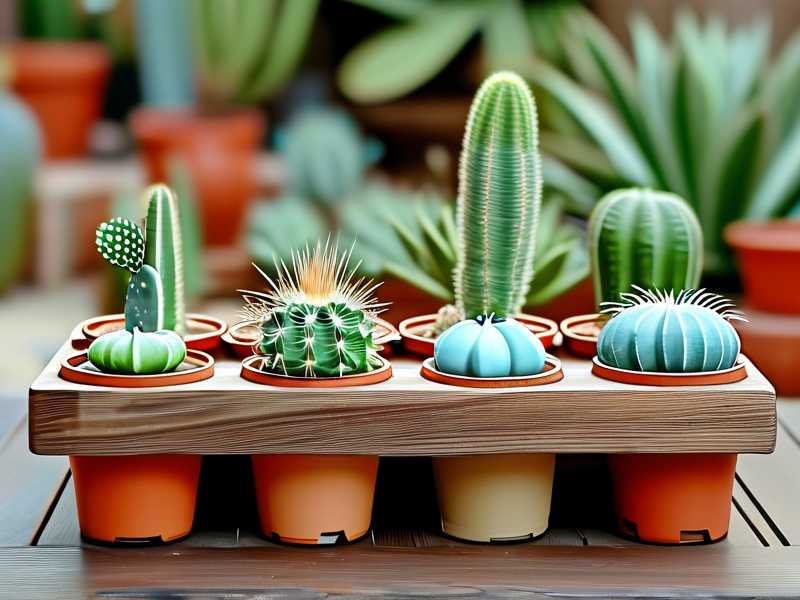
Glazed pots hold moisture. Plastic pots hold moisture. Terracotta breathes. Unglazed clay wicks water away from the soil and helps it dry faster. That's exactly what you want when water is limited and you can't afford to overdo it.
I switched my entire collection to terracotta two years ago. My rot problems dropped by about 80%. I'm not exaggerating. The pots cost a little more, but they've saved me dozens of plants.
How I Actually Manage Water When the Tap Is Restricted
Okay, now the practical stuff. Here's what I do, step by step.
Step 1: Catch Rain Whenever You Can
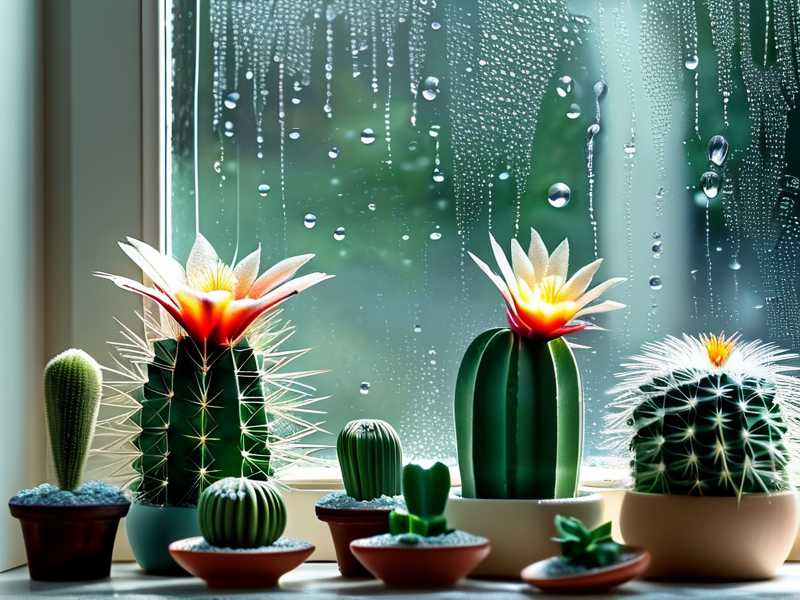
I keep two 50-gallon rain barrels under my downspouts. Even in dry climates, you get a few good storms a year. That water is free, and it's better for cacti than tap water because it's slightly acidic and has no chlorine or fluoride.
If you can't set up barrels, put buckets out during storms. Every gallon counts.
Step 2: Reuse Household Water
I'm not talking about weird science experiments. I'm talking about water you'd otherwise pour down the drain.
When I boil vegetables, I let the water cool and use it on my cacti. When I rinse rice, same thing. When I clean my aquarium, that water goes into a watering can. It's full of nutrients and it's already been "used" once.
Just avoid water with soap, bleach, or heavy salt. Those will hurt your plants.
Step 3: Water Deeply, But Rarely
This is the core principle. Don't give your cacti a little sip every few days. Give them a thorough soak every two to four weeks during the growing season.
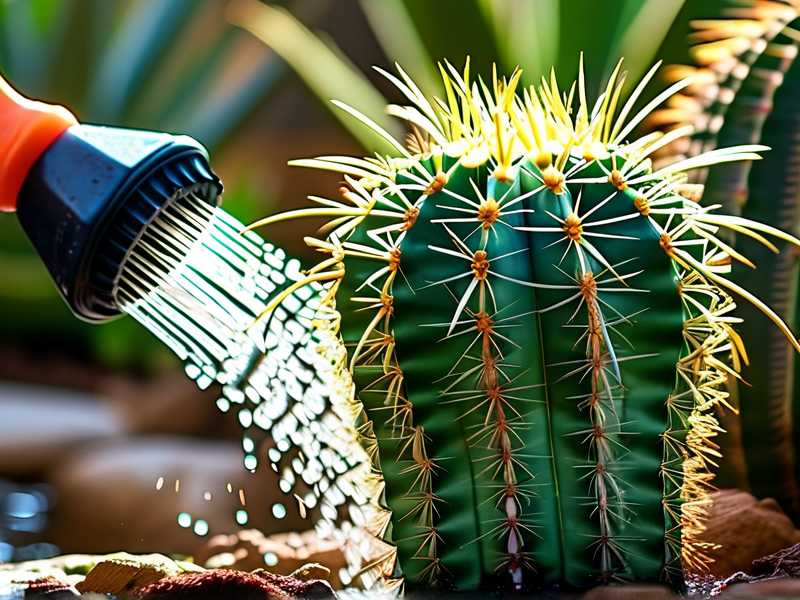
I set my pots in a tub of water and let them wick up from the bottom for about 20 minutes. Then I take them out and let them drain completely. No standing water. Ever.
In winter, I stop watering almost entirely. Maybe once every six to eight weeks, and only if the plant looks slightly shriveled.
Step 4: Use the Right Soil
If your cactus is sitting in regular potting mix, it's going to hold water like a sponge. That's a death sentence when you're trying to be careful.
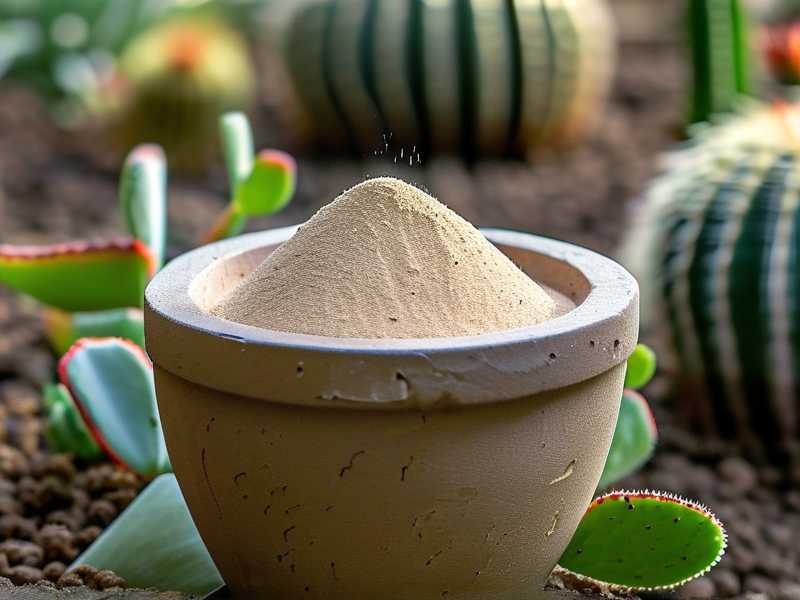
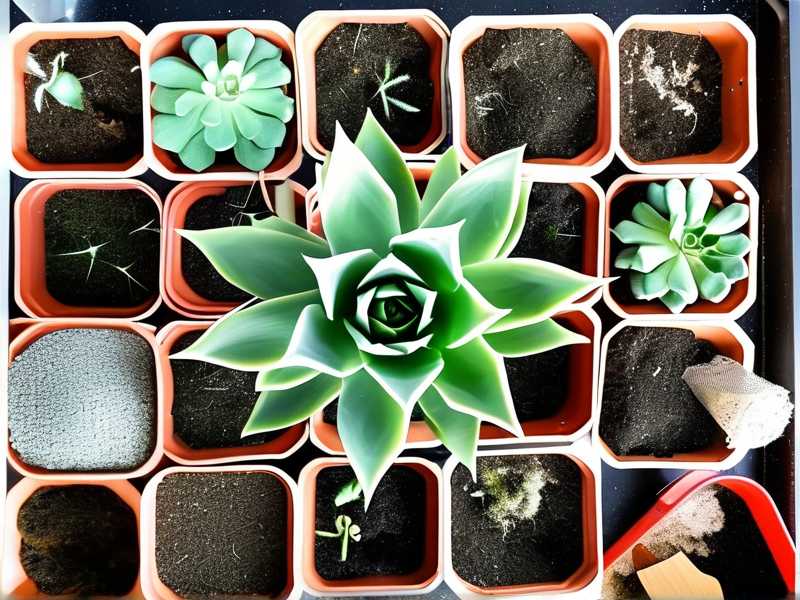
I mix my own: one part cactus potting soil, one part perlite, one part coarse sand or pumice. That blend drains fast. Water runs through it in seconds. That's what you want.
I tried a commercial "cactus mix" once. It was basically peat moss with a few rocks. My plants hated it. Now I amend everything with extra perlite. It looks like white Styrofoam bits, but it works.
Step 5: Group Plants by Thirst
Not all cacti are the same. Some, like Opuntia, are thirsty. Others, like Ariocarpus, want almost nothing.
I keep a spreadsheet. Yes, really. I track when I watered, how much, and how the plant responded. After two weeks of doing this, I started seeing patterns. My Ferocactus wanted water every 10 days in summer. My Mammillaria wanted it every 21 days. Now I group them by need, so I'm not guessing.
What I Learned After Two Weeks of Strict Rationing
I ran a little experiment last July. I cut my tap water use by 70% and relied on rain and gray water only.
Week one: Everything looked fine. No wilting. No shriveling. I was suspicious.
Week two: A few plants started to pucker slightly. My Echinopsis looked a little deflated. But no deaths. No rot. The terracotta pots were doing their job.
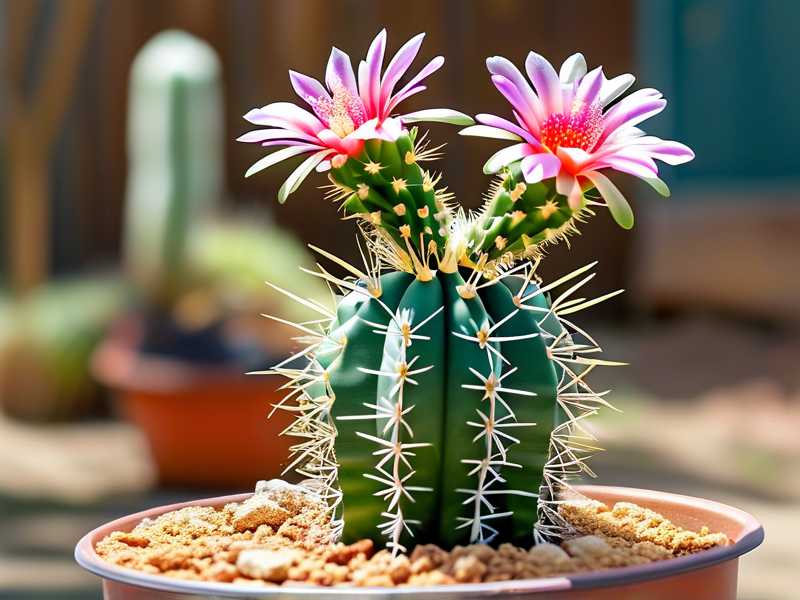
By the end of the month, I realized I'd been overwatering for years. My cacti were actually healthier with less. They were tighter, more colorful, and one even threw a flower—which it hadn't done in three years.
A Few More Tips That Saved My Collection
Mulch with Small Rocks
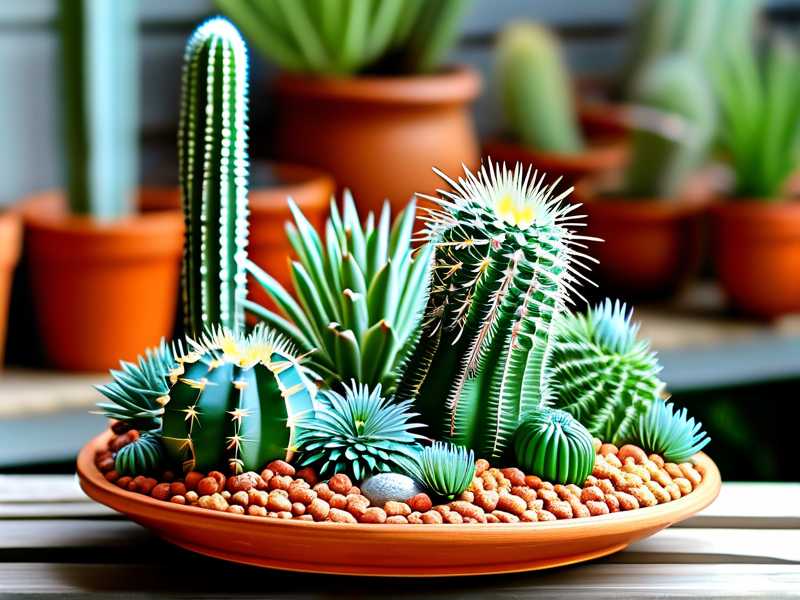
A top dressing of small pebbles or gravel does two things. It keeps the soil from drying out too fast, and it keeps the base of the plant from sitting in wet soil. I use aquarium gravel. It's cheap and comes in nice colors.
Watch for Pests
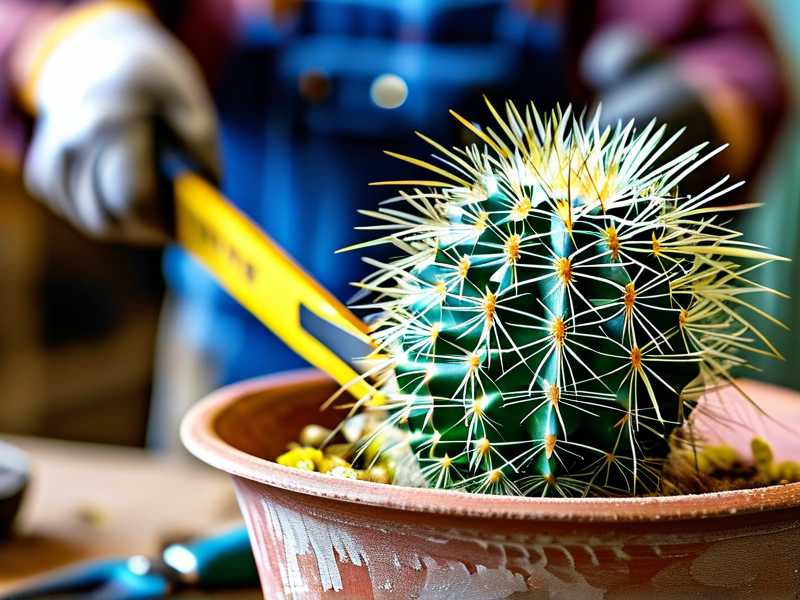
Stressed plants attract pests. I check my cacti every week for mealybugs and spider mites. A cotton swab dipped in rubbing alcohol takes care of most problems. If it's bad, I use neem oil. But I haven't had a major infestation since I switched to terracotta and better soil.
Don't Fertilize When Water Is Scarce
Fertilizer pushes growth. Growth demands water. If you're rationing, skip the fertilizer. Your cacti will thank you.
Frequently Asked Questions
Can I use distilled water for my cacti?
Yes, but it's expensive and unnecessary for most species. Distilled water lacks minerals, which is fine short-term but not ideal forever. Rainwater is better and free.
How do I know if my cactus is getting too little water?
It will start to shrivel or pucker. The ribs will look deflated. That's your cue to water. But don't wait until it's crispy. A slight pucker is fine. A deep wrinkle means you waited too long.
What if I live in an apartment with no outdoor space?
You can still catch rain. Put a bucket on your balcony or even a windowsill during a storm. You can also collect condensation from your air conditioner. Every drop helps.
Final Thoughts
Managing a cactus collection when tap water is limited isn't about deprivation. It's about paying attention. Cacti are tough. They've survived deserts for millions of years. They can survive your water restrictions too.
The key is to stop treating them like tropical houseplants. Give them fast-draining soil, terracotta pots, strong light, and deep but infrequent water. Catch rain when you can. Reuse what you can. And for goodness' sake, don't overwater.
I've killed my share of cacti. But I've also learned that less is almost always more. Once you get the rhythm, it becomes second nature. Your plants will be healthier. Your water bill will be lower. And you'll finally understand why these strange, spiky plants have survived for so long.