bluename
 How to Treat Sap Leakage on Cactus Stems After Accidental Damage
So your cactus got bumped, knocked over, or maybe you nicked it while repotting, and now there's sticky sap oozing out of the wound. I've been there more times than I'd like to admit. The short answer: stay calm, don't panic-water it, and let the wound callus over in dry air before you do anything else. Sap leakage on cactus stems after accidental damage looks alarming, but most healthy cacti seal themselves up within a week or two if you keep the cut dry and clean. The real danger isn't the sap itself, it's what happens next, because a wet open wound is basically an invitation for rot. I've lost a gorgeous Mammillaria to a tiny scrape I ignored, so trust me when I say the first 48 hours matter most.
Why Cacti Leak Sap in the First Place
Cactus sap is a clear or milky fluid that travels through the plant's tissues. When the outer skin breaks, that fluid escapes, kind of like a scab forming on your own skin.
Some cacti have watery sap. Others, especially Euphorbia species, drip a thick white latex that can irritate your skin. I learned that one the hard way, without gloves, and spent an hour washing my hands.
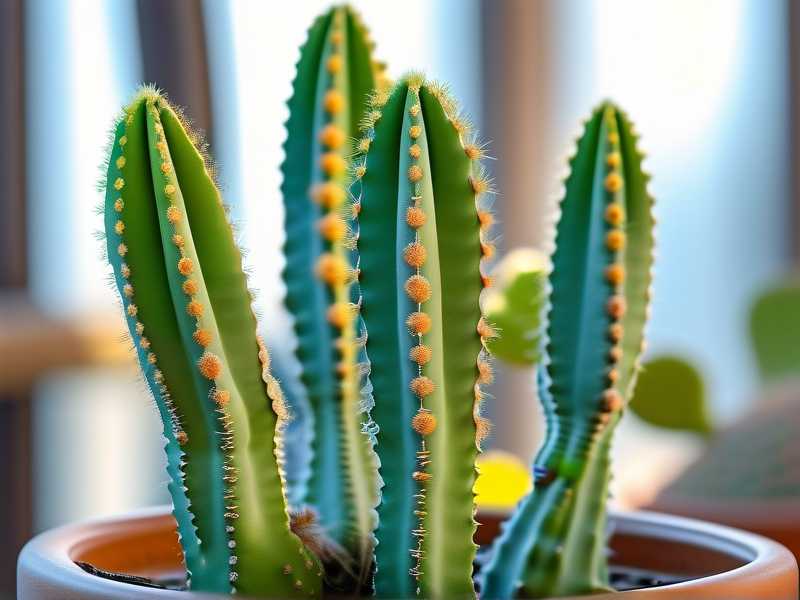
The sap itself usually isn't the problem. It's the open doorway it leaves behind. Bacteria and fungi love a moist wound, and that's how a small nick turns into a mushy black spot.
My Two-Week Recovery Routine After a Stem Injury
I want to walk you through exactly what I did after my Echinopsis got a deep gash from a falling shelf bracket. I tracked it for 14 days, and this is what actually worked.
Day 1 to Day 3: Stop the Bleeding and Dry the Wound
First, I moved the cactus away from other plants. Sounds obvious, but sap can drip and stick.
Next, I blotted the wound gently with a clean paper towel. No rubbing, just light pressure. You don't want to smear sap back into the cut.
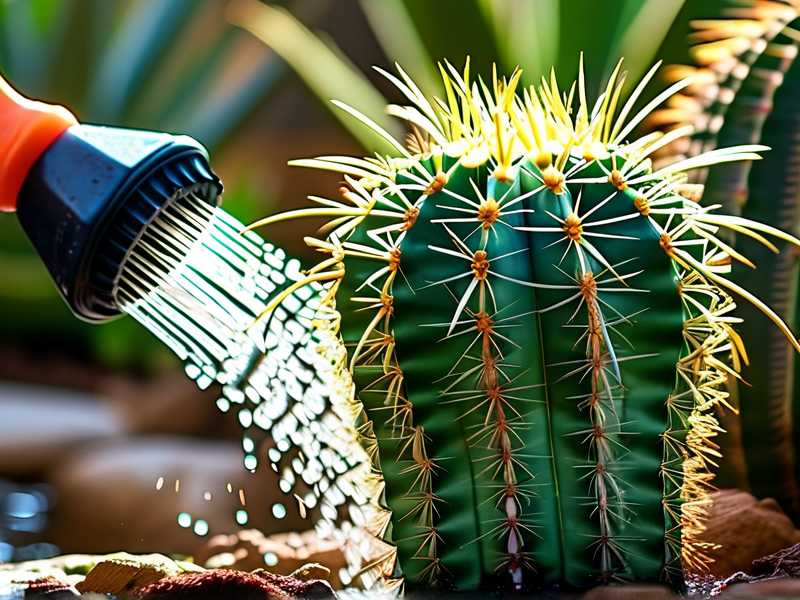
Then I left it completely alone. No water, no misting, no "helpful" dabbing. I placed it in a warm spot with good airflow, out of direct sun.
By day 3, the sap had stopped flowing and a pale callus started forming at the edges. That callus is your best friend, it's the plant's natural bandage.
Day 4 to Day 7: Watch for Trouble Signs
This is the window where things either go right or go wrong.
I checked the wound once a day, usually in the morning. I looked for three things: blackening tissue, soft mushy spots, or a foul smell. Luckily, mine stayed firm and dry.
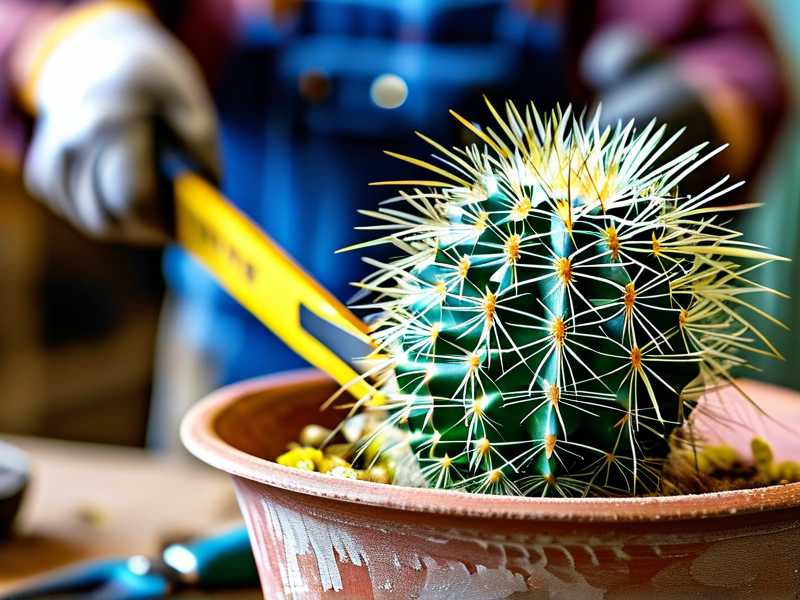
If you see spreading black areas, that's rot setting in. You'll need to cut it out with a sterilized blade, going into healthy green tissue until you hit clean flesh. I've had to do this twice, and it's nerve-wracking but necessary.
One thing I stopped doing: touching the wound. Every time you poke it, you risk introducing bacteria from your fingers.
Day 8 to Day 14: Confirm the Callus and Resume Gentle Care
By day 10, my cactus had a solid tan callus over the entire wound. It felt like hard wax.
I didn't water it until day 12, and even then I gave just a small amount around the edge of the pot, not directly at the base. Overwatering a healing cactus is a rookie move that kills more plants than any injury.
By day 14, the callus had fully hardened and the plant showed no signs of stress. New growth even appeared at the tip a few weeks later.
The Three Deadly Mistakes New Growers Make
I've coached a lot of friends through cactus care, and the same three errors come up again and again. Honestly, I made all of them myself early on.
Mistake 1: Overwatering After an Injury
This is the big one. 90% of indoor plants die from overwatering, and a wounded cactus is even more vulnerable. Extra water pools around the roots and pushes moisture up toward the open cut.
I killed a beautiful Ferocactus by "helping" it recover with a big drink. The wound rotted from the inside within five days.
The fix: wait until the callus is fully formed, then water sparingly. When in doubt, wait another week.
Mistake 2: Putting It in the Wrong Light
After an injury, some people move their cactus into a dark corner to "rest." Others blast it with full sun to "dry it out."
Both are wrong. Dark spots encourage fungal growth. Harsh direct sun can scorch stressed tissue and cause the wound to split wider.
I now use bright, indirect light for the first two weeks. A spot near an east window works beautifully for most cacti.
Mistake 3: Using the Wrong Pot or Soil
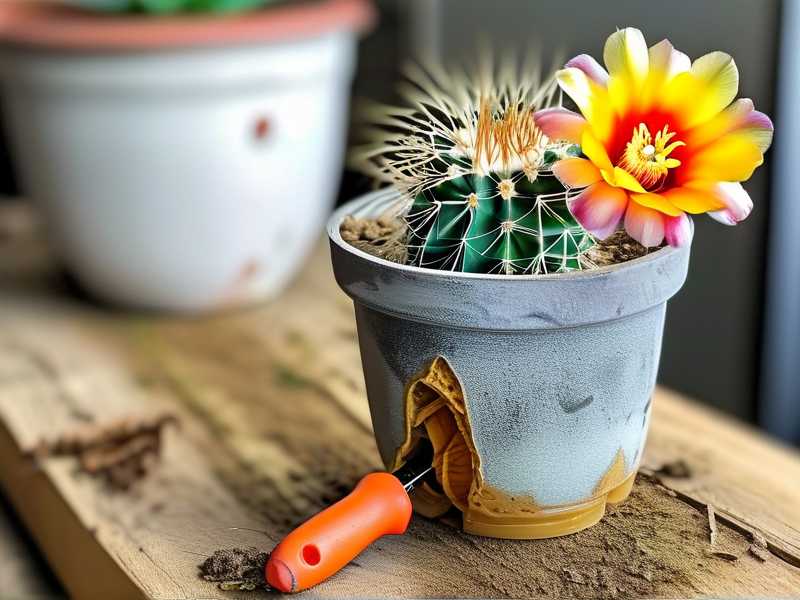
A cactus in a plastic pot with dense, peat-heavy soil stays wet far too long. That's a disaster for a healing wound.
After my third failed rescue, I switched all my injured cacti into terracotta pots with a gritty mix, roughly 60% pumice or perlite and 40% cactus soil. The difference was night and day.
According to the RHS, good drainage and airflow around the root zone are non-negotiable for cactus health. The AHS makes a similar point about matching soil to plant type.
What About the Sap Itself, Is It Dangerous?
Most cactus sap is mildly irritating, not toxic. But some species, particularly Euphorbias that look like cacti, produce latex that can cause real skin reactions.
I always wear nitrile gloves now. I also keep the wounded plant away from pets and kids until the sap dries.
If you get sap on your skin, wash with cool water and soap. Don't rub your eyes. I made that mistake once and regretted it for hours.
If the sap gets on a table or shelf, wipe it up with a damp cloth before it hardens. Dried cactus sap is stubborn stuff.
When to Worry and When to Relax
Not every leak needs intervention. A small bead of sap on a healthy green stem is usually fine.
Worry if the sap keeps flowing for more than three days, if the wound turns black, or if the surrounding tissue goes soft. Those are signs you need to act.
Relax if the sap stops, the wound dries, and the plant looks otherwise normal. Cacti are tough. They've survived worse in the wild.
A Few Extra Tips I Wish I'd Known Sooner
Keep a small first aid kit for your plants: sterilized blade, gloves, sulfur powder, and a clean cloth.
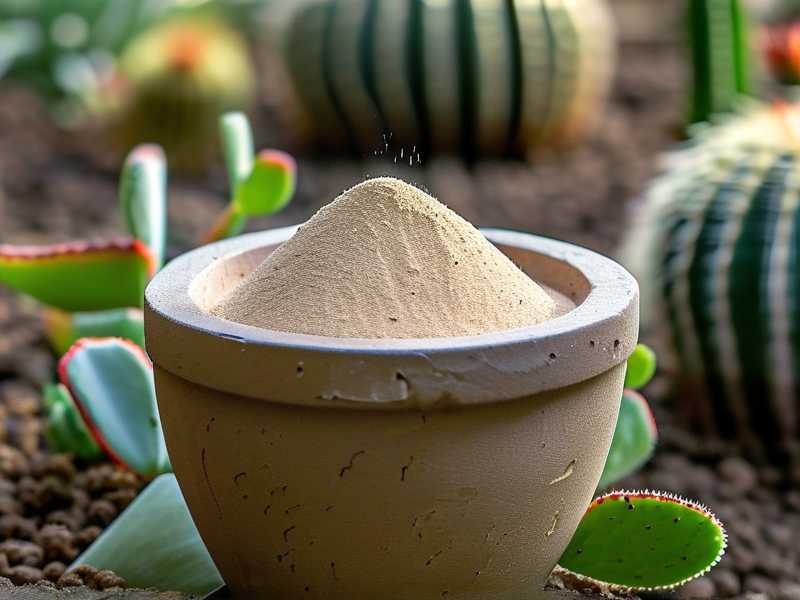
Sulfur powder can help dry a stubborn wound, but don't overdo it. A light dusting is enough.
Don't repot a wounded cactus until the callus is fully formed. Moving it around delays healing.
And here's a big one: label your plants. I can't tell you how many times I forgot which cactus had a wound and accidentally watered it too soon.
FAQ
How long does cactus sap take to stop leaking?
Usually a few hours to a couple of days. If it's still flowing after three days, something else is going on and you should inspect for deeper damage.
Can I put a bandage on a cactus wound?
No. Bandages trap moisture and invite rot. Let the wound callus in open air instead.
Should I cut off a stem that's leaking sap?
Only if the tissue around it is turning black or mushy. A clean cut into healthy green tissue can save the plant, but cutting too early on a healthy stem does more harm than good.
The bottom line: sap leakage on cactus stems after accidental damage is manageable. Dry the wound, keep it clean, watch for rot, and don't drown the poor thing. Give it two weeks of patient, hands-off care, and your cactus will likely reward you with a tough callus and fresh growth.