bluename
 How to Arrange Cactus to Avoid Root Competition with Nearby Garden Shrubs
I learned the hard way that arranging cactus near garden shrubs isn't just about spacing—it's about root warfare beneath the soil. After killing my third potted cactus in two years, I finally figured out that the shrubs were stealing water and nutrients right out from under it. Here's the short answer: give cactus their own root zone with at least 60–90 cm (2–3 ft) of separation from shrub root balls, use physical barriers like buried edging, and plant cactus slightly raised in gritty, fast-draining soil. That's it. Everything else is just details I wish someone had told me sooner.
I've been gardening for about eleven years now, mostly in a semi-arid climate with sandy loam. My front yard has a mix of drought-tolerant shrubs—Texas sage, oleander, and a few native buckwheats—and I desperately wanted to tuck cactus between them for texture. Big mistake the first time. The cactus sulked, turned pale, and eventually rotted at the base. Not from cold. From competition.
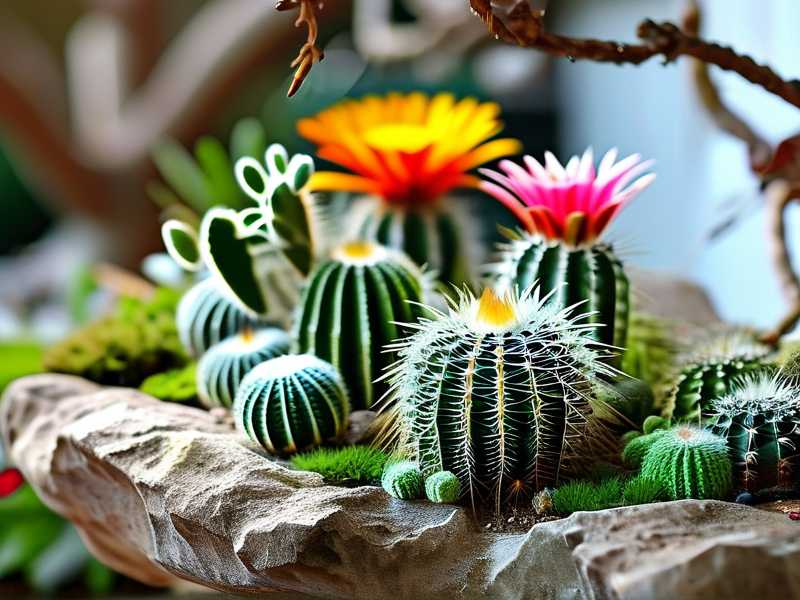
So let me walk you through what actually works, based on two weeks of close observation after I reset my arrangement, plus years of trial and error.
Why Root Competition Kills Cactus Faster Than You Think
Shrubs are bullies underground. Their roots spread wide and shallow, often two to three times the width of the canopy. Cactus roots, by contrast, are shallow but incredibly efficient at grabbing brief rain. When shrub roots invade that same top 15–30 cm of soil, the cactus loses every time.
I dug up a dead saguaro seedling once—yes, I tried growing one from seed, foolishly—and found its tiny root system completely tangled with the fibrous roots of a nearby crepe myrtle. The cactus had essentially been starved.
The Royal Horticultural Society (RHS) points out that root competition is one of the most overlooked causes of poor plant performance in mixed borders. They're not wrong. And the American Horticultural Society (AHS) regularly advises against mixing plants with drastically different water needs in the same root zone. That includes cactus next to thirsty shrubs.
So the goal isn't just "give them space." It's about designing a root barrier that lasts.
My 2-Week Observation: What Changed After I Fixed the Arrangement
Two weeks after I replanted my cactus with proper separation and a barrier, I noticed real differences. I kept a simple journal—yeah, I'm that person.
Day 1–3: No visible change. The cactus looked stressed from transplanting, which is normal.
Day 4–7: The soil around the cactus stayed dry longer than before. That was the first sign the shrub roots weren't sucking up all the moisture.
Day 8–10: New growth tips on the cactus started to plump up. Not dramatic, but noticeable.
Day 11–14: The shrub beside it—a petite oleander—actually looked fine too. No wilting. That surprised me. I thought the barrier might starve the shrub. It didn't, because the shrub's roots simply redirected deeper.
The key takeaway: you can have both, but you must physically separate their root zones.
Three Beginner Mistakes That Ruin Cactus-Shrub Arrangements
Let's get these out of the way. I've made all three.
1. Overwatering Because You Think the Cactus Looks Thirsty
90% of indoor plants die from overwatering. Outdoors, that number drops a bit, but overwatering still kills more cactus than cold or pests. When a cactus is competing with shrub roots, it often looks shriveled or pale. Your instinct is to water more. Wrong move.
The shrub roots soak up that extra water, leaving the cactus in soggy soil. Cactus roots hate sitting wet. They rot.
My fix: Water only when the top 5 cm of soil around the cactus is bone dry. Use a soil moisture meter if you're unsure. I bought a cheap one for $12 and it saved my remaining cactus.
2. Light Mismatch That Makes Cactus Stretch and Weaken
Shrubs cast shade. Cactus need full sun—most of them, anyway. If you tuck a cactus on the north side of a bushy shrub, it will etiolate. That means it stretches thin and pale, reaching for light. A stretched cactus is a weak cactus. It can't compete for anything.
I once planted a golden barrel cactus behind a vigorous rosemary shrub. Within a month, the barrel started leaning sideways. I thought it was rotting. Nope. Just desperate for sun.
My fix: Place cactus on the south or west side of shrubs (in the Northern Hemisphere). In Australia, reverse that—north or east. The cactus should get at least 6 hours of direct sun. No exceptions.
3. Using the Wrong Pot or No Barrier at All
If you're growing cactus in containers near shrubs, the shrub roots will grow right into the pot's drainage holes and fill the pot. I've pulled pots out of the ground after six months and found them packed with foreign roots.
If you're planting in the ground, no barrier means shrub roots will invade within one growing season.
My fix: For containers, raise them on feet or pavers so roots can't enter from below. For in-ground planting, bury a physical barrier.
How to Arrange Cactus and Shrubs Step by Step
Here's exactly what I did, and what I recommend you do too.
Step 1: Map the Shrub Root Zone First
Before you dig anything, water the shrub deeply and wait a day. Then use a garden fork to gently probe the soil around it. You'll feel where the roots are dense. Mark that area with stakes and string.
For most medium shrubs, the competitive root zone extends 60–90 cm beyond the drip line. That's your no-cactus zone.
Step 2: Create a Physical Root Barrier
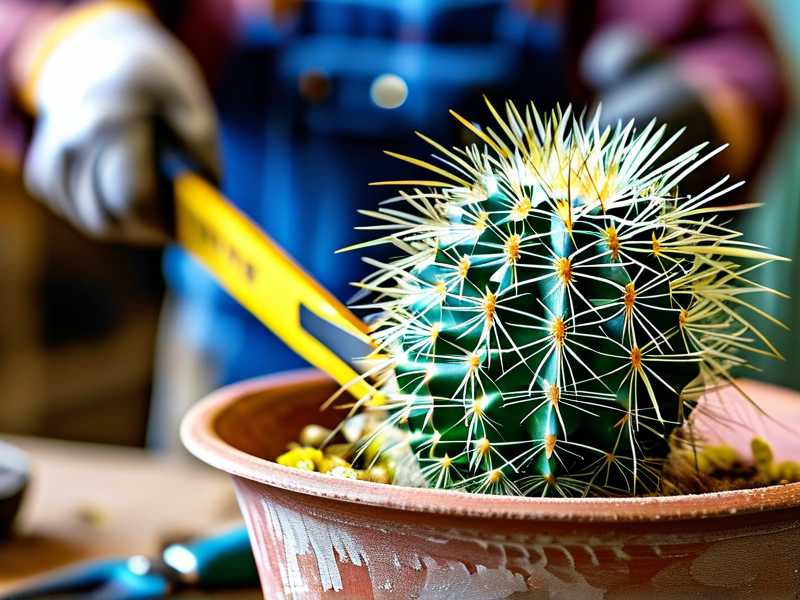
I used 30 cm (12 in) deep rigid plastic edging, buried so only 2 cm shows above soil. You can also use galvanized metal flashing or even thick rubber pond liner. The barrier needs to go deep enough to block shallow shrub roots, but not so deep that it stops drainage completely.
Leave small gaps at the bottom—about 5 cm—so water doesn't pool. I learned that after creating a bathtub effect and nearly drowning a cactus.
Step 3: Amend the Cactus Side Heavily
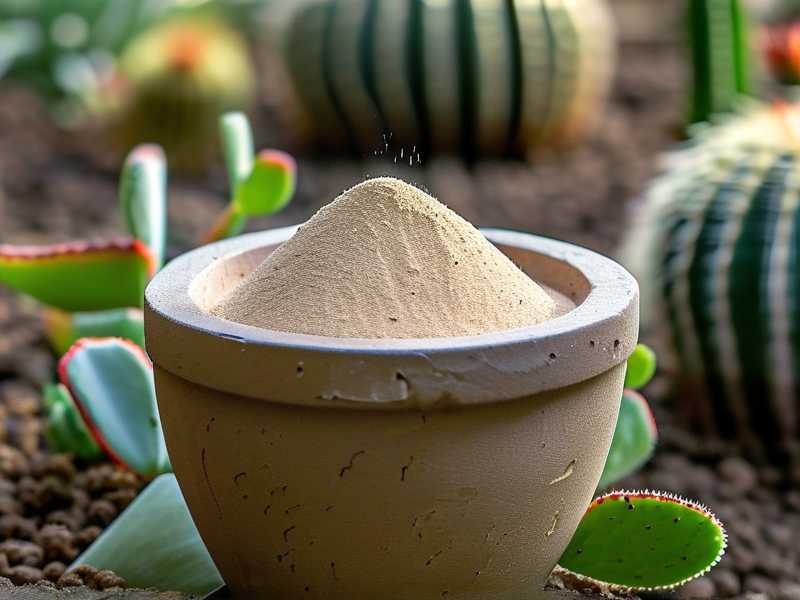
On the cactus side of the barrier, I mixed native soil with 50% coarse sand, 25% pumice, and 25% compost. That gives fast drainage but holds just enough moisture.
Shrub side stays as is. Don't amend the shrub side unless your soil is terrible. Shrubs are adaptable.
Step 4: Plant Cactus Slightly Raised
I mound the cactus planting area about 10–15 cm above grade. This keeps the crown dry and discourages shrub roots from creeping over the barrier. It also looks intentional—like a small berm.
Step 5: Water Differently on Each Side
This is critical. Shrubs get deep, infrequent watering. Cactus get light, infrequent watering. If you use drip irrigation, put them on separate valves or emitters. I made the mistake of one shared drip line. The shrub thrived. The cactus rotted.
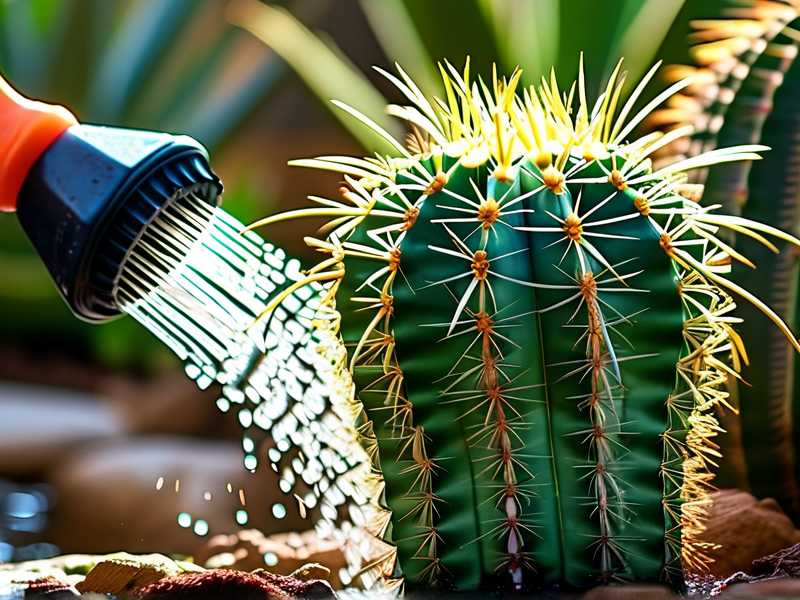
Now I hand-water the cactus once every 10–14 days in summer, and barely at all in winter.
Which Shrubs Are Worst Bullies for Cactus?
Not all shrubs are equal. Some are absolute thugs underground.
- Crepe myrtle: Fibrous, aggressive roots. Avoid near cactus.
- Oleander: Tough, spreading roots. Tolerable with a barrier.
- Rosemary: Surprisingly competitive for a Mediterranean plant.
- Texas sage: Deep roots, less shallow competition. Okay with spacing.
- Buckwheat (Eriogonum): Mild competitor. Works if you give 45 cm separation.
I've had the best luck with native desert shrubs that naturally grow alongside cactus—like creosote bush or jojoba. They evolved together. But even then, give them room.
What About Raised Beds and Containers?
Honestly, this is the easiest solution. I moved most of my cactus into a dedicated raised bed 30 cm tall, lined with landscape fabric on the sides and bottom. Shrub roots can't get in from below if the bed sits on a hard surface like concrete or pavers.
If you're using containers, choose unglazed terracotta or fabric pots. They dry out faster, which cactus love. And elevate them on pot feet. I use brick scraps. Free and effective.
The Two-Week Test: How to Know It's Working
After you rearrange, watch for these signs over 14 days:
- Soil moisture: Dig 5 cm down near the cactus. It should dry out within 2–3 days after watering. If it stays wet, shrub roots are still invading.
- Cactus color: Should stay deep green or blue-green, not pale or yellowing.
- New growth: Even a tiny new spine or areole bump means the cactus is happy.
- Shrub health: Should not wilt or decline. If it does, your barrier might be too restrictive. Loosen it.
I checked every other day for two weeks. By day 14, I had clear evidence it was working: dry soil, plump cactus, happy shrub.
Frequently Asked Questions
Can I just plant cactus and shrubs together and let them sort it out?
No. In 99% of cases, the shrub wins and the cactus dies slowly. Root competition isn't a fair fight. You need a barrier or separation.
How deep should a root barrier be for cactus and shrubs?
At least 30 cm (12 in) deep for most garden shrubs. For aggressive rooters like crepe myrtle, go 45 cm (18 in). Bury it so only a sliver shows above soil.
What if I have heavy clay soil?
Cactus hate clay. Build a raised mound with 50% grit and plant the cactus there. The shrub can stay in the clay—it probably prefers it. Just keep the mound separate with edging.
Final Thoughts
Arranging cactus near garden shrubs isn't impossible. It just requires you to think underground, not just above. Give cactus their own root zone, use a physical barrier, plant them raised, and water them separately. Do that, and both plants will thrive.
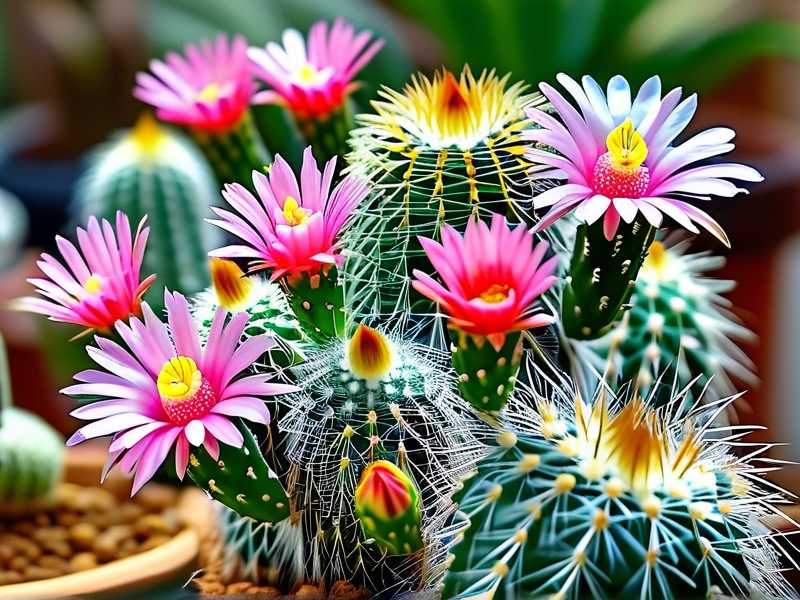
I wasted three cactus and two years learning this. You don't have to. Start with spacing and a barrier, watch for two weeks, and adjust. Your cactus will thank you with slow, steady growth—and maybe a flower or two.