bluename
 How to Distinguish Sunburn Damage from Pest Bites on Cactus Epidermis
If you have ever stared at a weird brown or tan patch on your cactus and panicked, you are not alone. I have killed more cacti than I care to admit, and most of those deaths started with a spot I misdiagnosed. Here is the short answer: sunburn damage on cactus epidermis usually appears on the side facing the strongest light, looks like dry, papery, or blistered skin, and does not spread to shaded areas. Pest bites, on the other hand, often show up as small, clustered, scabby, or weeping wounds, sometimes with tiny dark specks or webbing, and they can appear anywhere on the plant. The tricky part is that both can scar and both can look brown. I spent two full weeks watching a rescued Mammillaria to figure this out, and I want to save you that confusion.
I have been growing cacti on a sunny windowsill and under cheap LED grow lights for years. Around year three, I noticed a tan patch on my golden barrel cactus and assumed it was rot. I watered less, moved it, and still lost half the plant. Later I learned it was sun scorch from a sudden move to full afternoon sun. That mistake cost me a beautiful specimen. So let’s break this down like I wish someone had done for me.
What Sunburn Actually Looks Like on Cactus Skin
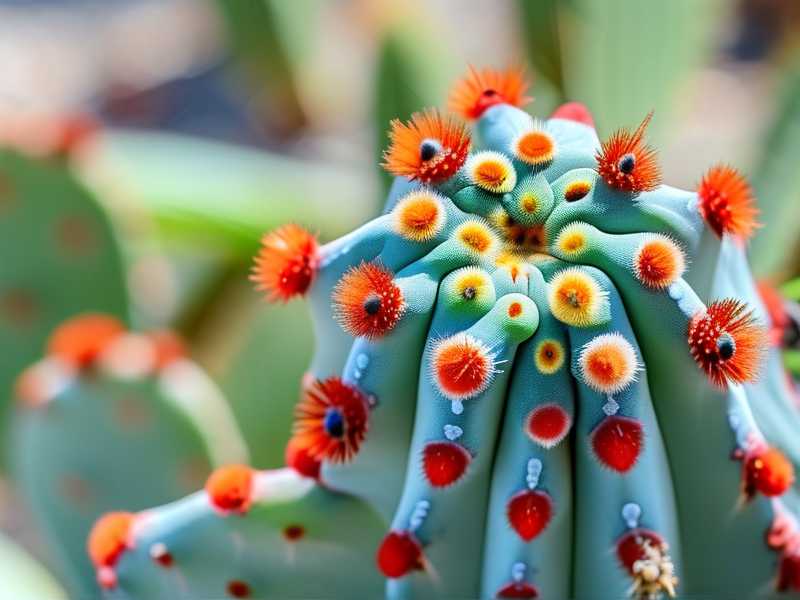
Sunburn on a cactus is basically a plant version of a bad sunburn on your own arm. It happens fast when a cactus goes from low light to intense direct sun without hardening off. The damage is usually on the sunniest side of the plant, often the south or west facing side if you garden in the northern hemisphere.
In the first 24 to 48 hours, you might see pale, yellow, or white patches. That is the epidermis cooking. Within a week, those patches turn brown, tan, or gray. They feel dry and sometimes look like thin paper. The skin may blister and peel, or it may crack into a scab. The key point: sunburn does not move. If you rotate the plant, the damaged side stays damaged, but healthy green tissue remains on the other sides.
One more thing I learned the hard way: sunburn can happen even in winter if you move a cactus from a dim garage to a bright window. The plant does not care about the season. It cares about sudden light intensity.
What Pest Bites and Pest Damage Look Like
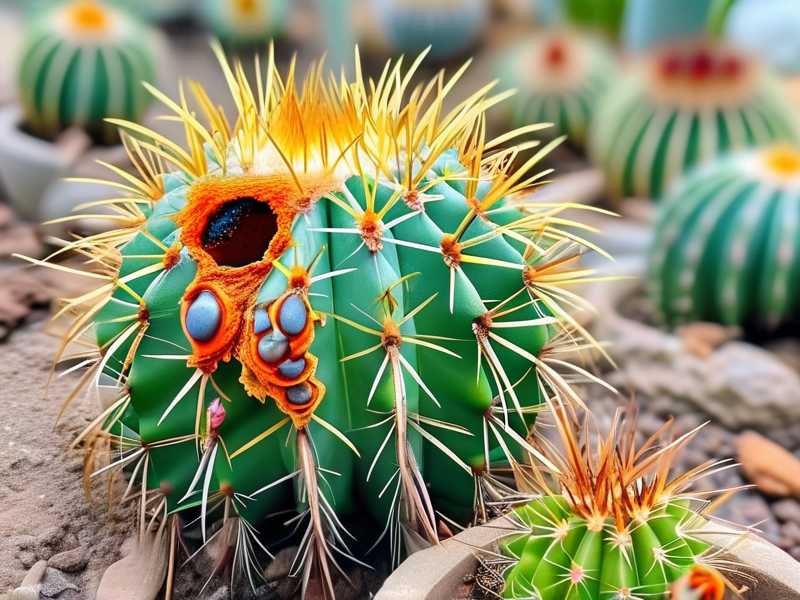
Pests are messier. They leave tiny, repeating marks. Spider mites, for example, create stippled yellow or white dots that look like someone poked the cactus with a pin over and over. Mealybugs leave white cottony fluff and sticky honeydew. Scale insects look like small brown or tan bumps that you can scrape off with a fingernail. Thrips and some beetles chew small, irregular holes or notches along the edges.
The biggest difference is distribution. Pest damage often appears on new growth, in crevices, or on the shaded side where humidity lingers. It also changes over time. You might see a small bite turn into a larger sunken scar as the cactus tries to heal. And if you look closely, you will often find the pest itself: webbing, shed skins, or moving specks.
I once ignored a light dusting of what I thought was dust on my Opuntia. Two weeks later, that dust had turned into a full-scale scale insect infestation. I had to dab every single insect with rubbing alcohol. Not fun.
My Two-Week Observation Experiment
I wanted a real answer, so I set up a simple test. I took two identical cuttings from the same cactus. I put one on a windowsill that gets six hours of direct afternoon sun. I put the other in the same room but behind a sheer curtain. Then I introduced a few spider mites to the shaded one.
Day 1 to 3: The sunlit cutting showed a faint pale spot on the side facing the glass. The shaded cutting showed nothing yet.
Day 4 to 7: The sunlit spot turned tan and dry. The shaded cutting started showing tiny yellow stipples, like salt and pepper.
Day 8 to 10: The sunlit spot stopped spreading. It was clearly a burn. The shaded cutting’s stipples multiplied and started to look rusty.
Day 11 to 14: The sunlit spot scabbed over. The shaded cutting had fine webbing near the base. I confirmed mites with a hand lens.
That experiment told me what books say but experience cements: sunburn is static and dry, pest damage is active and often accompanied by signs of life.
Three Beginner Mistakes That Make This Confusion Worse
If you are new to cacti, you are probably making at least one of these mistakes. I know I did.
Mistake 1: Overwatering. This is the big one. You have heard it before, but I will say it plainly: 90% of indoor plants die from overwatering. Cacti are not immune. Overwatering causes soft, dark, mushy spots that can look like rot, not sunburn. But if you overwater and then put the cactus in strong sun, you get a triple threat: weak roots, swollen cells, and scorched skin. I killed a beautiful Echinopsis this way. The soil stayed wet, the sun hit, and the whole base turned to black goo. That was not sunburn. That was me loving it too much.
Mistake 2: Light misplacement. Cacti need bright light, but they need consistency. I used to move my plants around like furniture. One week on the balcony, next week on the kitchen table. That inconsistency causes sunburn on one side and weak, stretched growth on the other. Pick a spot and stick with it. If you must move a cactus to brighter light, do it over two weeks, not two hours.
Mistake 3: Wrong pot. A pot without drainage holes is a death sentence. But even a pot that is too large holds moisture too long. I used to think bigger was better. Then I learned that cacti like snug roots. A pot that is one or two inches wider than the root ball is plenty. Terra cotta is your friend because it wicks moisture away. Plastic holds water. I lost a Rebutia in a cute ceramic pot with no hole. The soil stayed damp for weeks. The plant rotted from the bottom up. No amount of sun diagnosis could have saved it.
How to Tell Them Apart in Real Life
So how do you actually diagnose? Start with location. If the damage is only on the sunniest side and the rest of the plant is green, think sunburn. If damage is scattered, on new growth, or in hidden crevices, think pests.
Next, touch it. Sunburn feels dry, papery, or crusty. Pest damage might feel sticky from honeydew, or you might feel raised bumps from scale. Sometimes pest damage feels soft if bacteria have entered the wound.
Then look for signs. Use a flashlight and a magnifying glass. Spider mites look like tiny moving specks. Mealybugs look like white cotton. Scale looks like stationary brown bumps. Sunburn has none of these.
Finally, wait a week. Sunburn does not get worse unless you keep the plant in the same harsh light. Pest damage almost always spreads or changes. If you see new stippling, new webbing, or new sticky spots, you have pests.
What I Do When I Am Still Not Sure
Sometimes the damage is old and healed. A scar is a scar. In that case, I treat the plant like it has both problems. I move it to bright, indirect light for two weeks. I stop watering until the soil is bone dry. I wipe the epidermis with a cotton swab dipped in diluted rubbing alcohol. That kills most surface pests and cleans the skin. If nothing new appears after two weeks, I call it sunburn and slowly reintroduce stronger light. If new spots appear, I treat for pests with insecticidal soap or neem oil, following the label carefully.
A Word on Authority
The Royal Horticultural Society (RHS) notes that sudden exposure to strong sunlight is a common cause of scorch on cacti and succulents. They recommend gradual acclimation. The American Horticultural Society (AHS) emphasizes that pest management starts with accurate identification. I trust these sources because they are based on decades of hands-on horticulture, not just internet guesses. You can check their websites for more detailed pest and light guides.
Three FAQ
Can sunburn turn into rot? Yes, if the burned tissue cracks and stays wet. Keep burned areas dry and watch for soft, black, or smelly tissue. If you see that, cut it out with a sterile knife.
Do cacti recover from pest bites? Mostly yes, if you catch it early. The scars may remain, but new growth will be healthy. Treat pests for at least two weeks to break the life cycle.
Should I remove a sunburned section of cactus? Only if it is mushy or oozing. Dry, scabbed sunburn can stay. It is cosmetic. Removing it creates a new wound that can invite infection.
So there you have it. Sunburn is dry, static, and sun-side. Pest bites are active, scattered, and come with clues like webbing or sticky residue. Watch your cactus for two weeks, keep it out of harsh afternoon sun, and do not overwater. That alone will save you from most of the heartbreak I went through. Happy growing.