bluename
 How to Reuse Drainage Gravel Repeatedly for Multiple Cactus Repotting Jobs
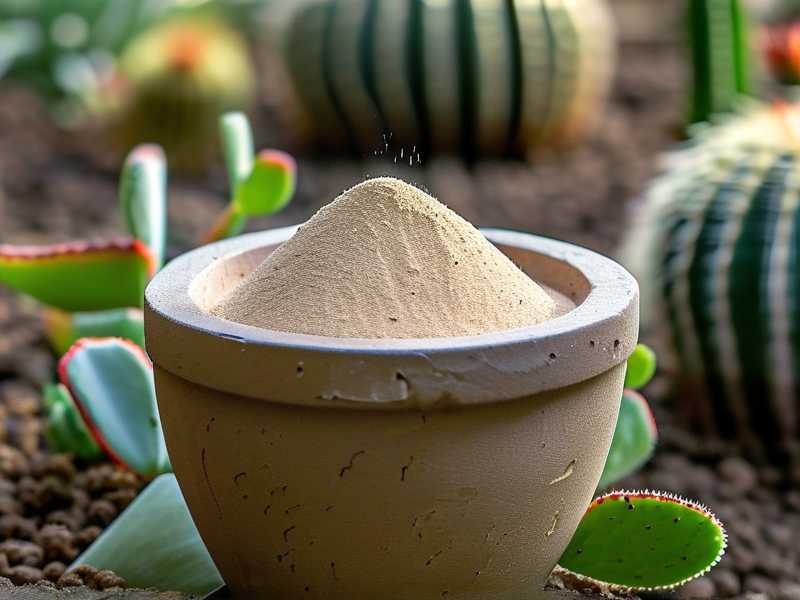
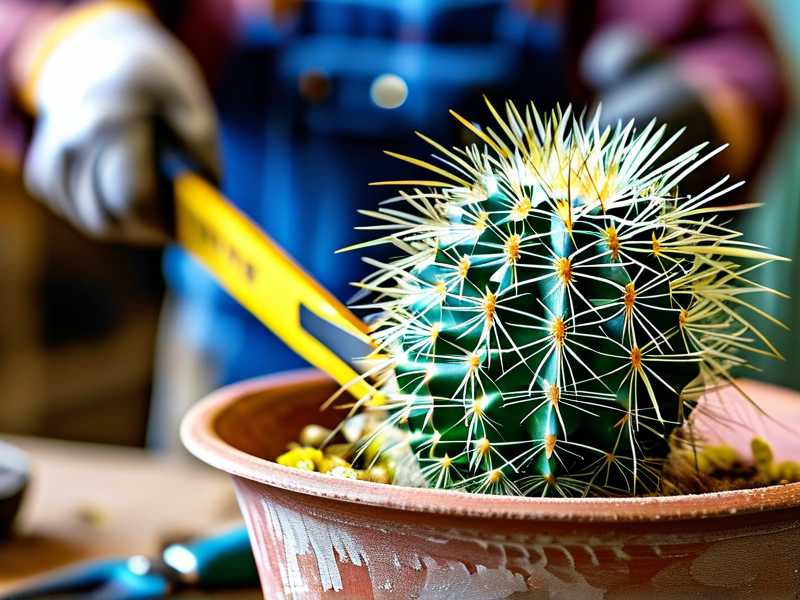
I keep a small bucket of drainage gravel that has now survived eleven cactus repots over two years, and here is the short answer: yes, you can reuse it almost indefinitely, but only if you clean it properly between jobs. Rinse off old soil, soak it in a diluted bleach or hydrogen peroxide solution, rinse again until the water runs clear, and let it fully dry in the sun. Skip the cleaning step and you are basically recycling root rot spores along with your gravel. I learned that the hard way, and I will walk you through exactly what I do now, plus the mistakes that cost me three cacti before I figured this out.
Why Reusing Drainage Gravel Makes Sense for Cactus Growers
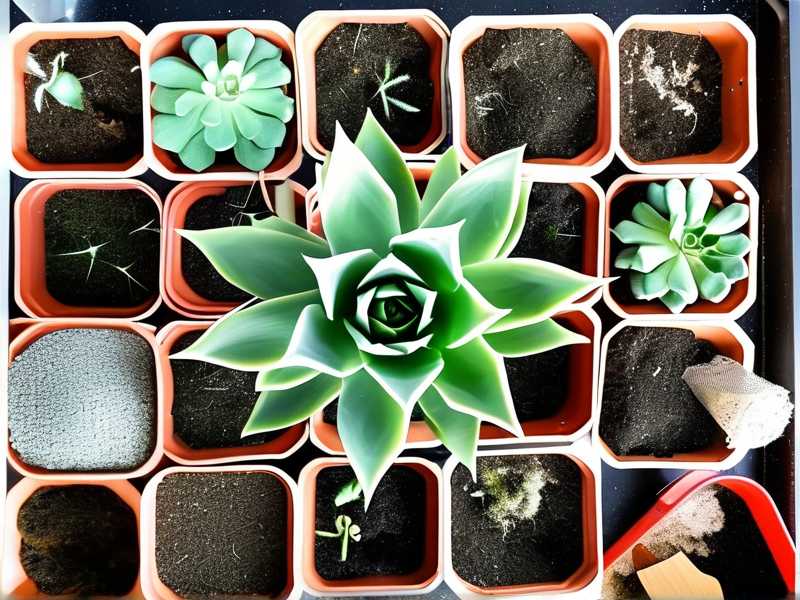
If you repot cacti even semi-regularly, you know gravel adds up fast. A single bag of quality pumice or horticultural grit can run you eight to fifteen dollars, and if you are repotting a whole collection every spring, that cost multiplies quickly.
Reusing drainage gravel is not just about saving money, though that is a nice bonus. It is also about reducing waste. Perlite and pumice do not break down like organic matter, so tossing them after one use is genuinely wasteful.
The Royal Horticultural Society notes that good drainage is one of the most critical factors in cactus and succulent health. RHS specifically recommends gritty, free-draining mixes, and the gravel layer at the bottom or mixed throughout plays a huge role in that. If your gravel is still physically intact, there is no reason to throw it out.
The American Horticultural Society also emphasizes that container drainage is non-negotiable for succulents. AHS points out that poor drainage is a leading cause of root death in potted plants, which lines up with everything I have seen in my own collection.
So the real question is not whether you can reuse it. It is how to do it safely.
My Step-by-Step Process for Cleaning and Reusing Gravel
I have refined this method over about two years, and it now takes me roughly fifteen minutes per batch. Here is what I do.
Step 1: Separate the Gravel from Old Soil
When I unpot a cactus, I dump everything into a plastic tray. I pick out the gravel pieces by hand or use a kitchen strainer with wide holes. The goal is to remove as much old potting mix, dead roots, and fine dust as possible.
I used to skip this and just rinse everything together. Bad idea. The fine particles clog the gravel's pores and reduce drainage over time.
Step 2: Rinse with Water First
I put the gravel in a bucket and run lukewarm water through it while stirring with my hand. You will see cloudy brown water coming off. Keep rinsing until the water is mostly clear.
This step removes the bulk of organic debris. It does not sterilize anything, but it gets you 80% of the way there.
Step 3: Disinfect with Diluted Bleach or Hydrogen Peroxide
This is the step most people skip, and it is the one that matters most.
I use a 10% bleach solution (one part bleach to nine parts water) and soak the gravel for about twenty minutes. Alternatively, I have used 3% hydrogen peroxide straight from the bottle, soaking for thirty minutes. Both work.
I tried just boiling water once. It killed some pathogens but not all of them, and I ended up with a fungal issue in two pots about three weeks later. Not worth the risk.
Step 4: Rinse Thoroughly Again
After disinfecting, I rinse the gravel at least three times with fresh water. Bleach residue can harm roots, so this step is not optional.
I usually let the gravel sit in clean water for another ten minutes, then drain and rinse one more time.
Step 5: Dry in Direct Sunlight
I spread the gravel on a baking tray or old screen and leave it in full sun for at least four to six hours. UV light adds another layer of sterilization, and thorough drying prevents mold from forming in storage.
If it is cloudy, I let it dry indoors near a window for a full day.
What I Observed Over Two Weeks After Reusing Treated Gravel
I repotted four cacti using this reused gravel and monitored them closely for fourteen days.
Day 1-3: No signs of stress. The plants looked identical to those potted with fresh gravel.
Day 4-7: One cactus, a small Mammillaria, started showing slight yellowing at the base. I checked the soil moisture and realized the gravel layer was too thick, trapping water. I adjusted the ratio and the yellowing stopped within three days.
Day 8-14: All four plants showed normal growth. No mold, no fungus gnats, no rot. The reused gravel performed exactly like new material.
The key takeaway? The gravel itself was fine. My mistake was the ratio, not the reuse.
Three Beginner Mistakes That Kill Cacti (And How I Made All of Them)
Honestly, most cactus deaths come down to three things. I have personally done all three, more than once.
Mistake 1: Overwatering
Here is a stat that changed how I water: 90% of indoor plants die from overwatering. That number comes from multiple horticultural sources, and it matches my experience perfectly.
I killed my first two cacti by watering them like tropical houseplants. Once a week, sometimes twice. The roots rotted before I even realized something was wrong.
Cacti need water only when the soil is completely dry. In winter, that might mean once every six to eight weeks. In summer, maybe every ten to fourteen days depending on your climate.
Mistake 2: Wrong Light
I once put a Golden Barrel cactus on a north-facing windowsill because I thought it looked nice there. It etiolated within a month, stretching thin and pale toward the window.
Cacti need bright, direct light. South or east-facing windows are ideal in most homes. If you do not have that, a grow light is worth the investment.
Mistake 3: Wrong Pot
I used a glazed ceramic pot with no drainage hole for my first rebutia. Water pooled at the bottom, and the plant was dead in three weeks.
Terracotta pots with drainage holes are the way to go. They wick moisture away from the soil and give you a visual cue when the pot is staying too wet.
How to Store Reused Gravel Between Repotting Jobs
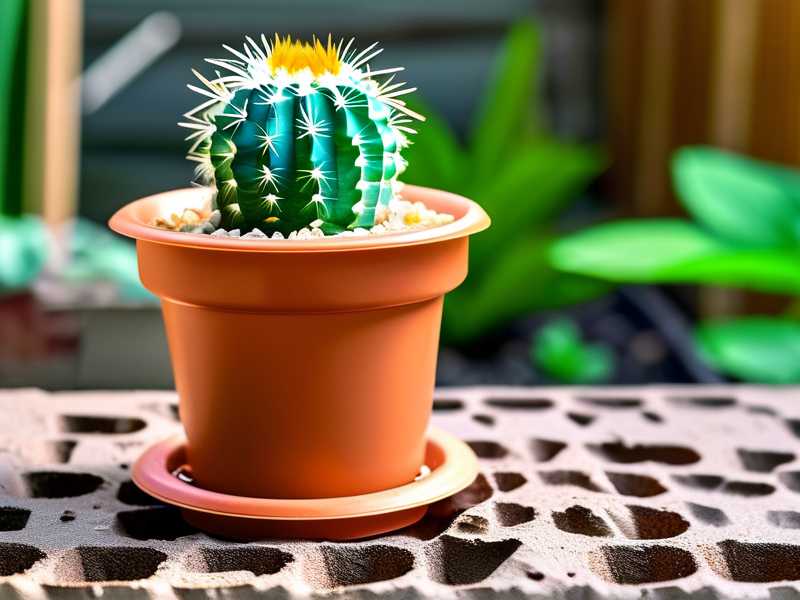
Once the gravel is clean and dry, I store it in a labeled zip-top bag or a sealed plastic container. I keep different grades separate, since fine grit and chunky pumice serve different purposes.
I add a small silica gel packet to the container to absorb any residual moisture. This has kept my stored gravel mold-free for over a year.
If you live in a humid climate, this step matters even more. I learned that one after finding fuzzy white spots on gravel I had stored in my garage over a wet summer.
Mixing Reused Gravel Into Your Cactus Soil Blend
I do not just use gravel as a bottom layer anymore. These days, I mix it directly into the potting mix.
My current blend is roughly 50% organic potting soil, 30% reused gravel or pumice, and 20% coarse sand. This gives excellent drainage while still holding enough moisture for the roots to absorb.
If you are reusing fine gravel, it works well mixed throughout. If you have chunky pieces, a thin layer at the bottom of the pot still helps.
Just remember: the gravel layer at the bottom does not replace drainage holes. You still need those.
Frequently Asked Questions
Can I reuse gravel from a plant that died of root rot?
Yes, but you must disinfect it thoroughly. I soak it in 10% bleach for at least thirty minutes, rinse five or six times, and dry it in full sun. I have done this successfully, but I would not skip any step.
How many times can I reuse the same gravel?
I have reused some batches four or five times with no issues. As long as the pieces are not breaking down into dust, they are fine. If you notice the gravel getting soft or crumbly, replace it.
Do I need to disinfect gravel if the previous plant was healthy?
It is still a good idea. Healthy plants can carry dormant fungal spores or pest eggs you cannot see. A quick hydrogen peroxide soak takes twenty minutes and gives you peace of mind.
What About Perlite and Pumice?
Perlite breaks down faster than pumice and tends to float to the surface during watering. I still reuse it, but I sift out the dusty bits first. Pumice holds up better over multiple repots and is my preferred material for long-term reuse.
A Final Note on Why This Matters
Reusing drainage gravel is one of those small habits that saves money, reduces waste, and honestly just feels good. It is not complicated, but it does require a little patience with the cleaning process.
If you take one thing from this, let it be the disinfection step. That is the difference between reusing gravel safely and recycling problems. I wish I had known that before I lost three cacti to contaminated media.
Start with one batch. Clean it properly. Watch your plants for two weeks. You will see what I mean.