bluename
 How to Manage Cactus Watering Schedules During Extended Rainy Weather
Let me guess what brought you here. You've got a few cacti on a sunny windowsill, maybe a couple on the porch, and then the sky opens up for a week straight. Suddenly every article that told you to "water sparingly" feels useless. I get it. I've killed more cacti from rain than from drought, and I live in a region that gets soggy springs and unpredictable wet spells.
Here's the short answer before we go deep: during extended rainy weather, stop watering entirely, move your cacti out of the rain if possible, and focus on drainage, airflow, and letting the soil dry completely. That's it. The rest of this article explains exactly how I do that, what I've learned the hard way, and how to manage cactus watering schedules when the weather refuses to cooperate.
I should mention that both the RHS (https://www.rhs.org.uk) and AHS (https://ahsgardening.org) stress that root rot from excess moisture is the number one killer of container-grown cacti. That matches everything I've seen in my own collection.
Why Rainy Weather Breaks Normal Cactus Watering Rules
Cacti evolved in places where water shows up in short bursts, then disappears. Their roots are built for that rhythm. They drink fast, then they want dry soil.
Rain doesn't work that way. Rain keeps coming. It soaks the pot, fills the saucer, and sits there. Within two or three days of constant moisture, fine root hairs start dying.
I learned this the expensive way. Back in my early days, I left a potted mammillaria outside during a rainy week and told myself, "It's a cactus, it'll be fine." It was not fine. By day five the base was mushy. By day seven it was gone.
The real problem isn't the water itself. It's the oxygen. Saturated soil has no air pockets. Cactus roots need oxygen to function. When they don't get it, they suffocate and rot. Simple as that.
How I Adjust My Cactus Watering Schedule When Rain Won't Stop
Here's my actual routine. I've been using this for about three years now and my losses have dropped to almost zero.
Step one: I check the forecast every Sunday. If rain is predicted for three or more days, I don't water at all that week. Not even a little.
Step two: I move every pot under a covered porch or into the garage. If you don't have cover, a simple clear plastic storage bin turned upside down works as a mini greenhouse. Just prop one side open for airflow.
Step three: I lift each pot and feel its weight. A dry cactus pot is surprisingly light. A wet one feels like a brick. After two weeks of this habit, you'll be able to tell moisture levels by weight alone.
Step four: I check the soil at root level with a wooden skewer. Push it in, pull it out. If it comes out dark and clumpy, that pot is still wet and doesn't get water for at least another week.
I tracked this over a two-week rainy stretch last spring. Pots I moved indoors stayed firm and green. Two pots I left out because I ran out of space developed soft spots at the base. I caught them early, cut away the rot, and repotted in dry mix. One survived. One didn't. That's a 50% loss from just leaving them out. Not worth it.
Warning Signs That Rain Has Already Done Damage
You won't always catch it in time. Here's what to look for.
- The base of the cactus feels squishy when you press it gently
- The color shifts from green to yellow or brown near the soil line
- The cactus leans or wobbles in the pot
- You see tiny black spots that spread quickly
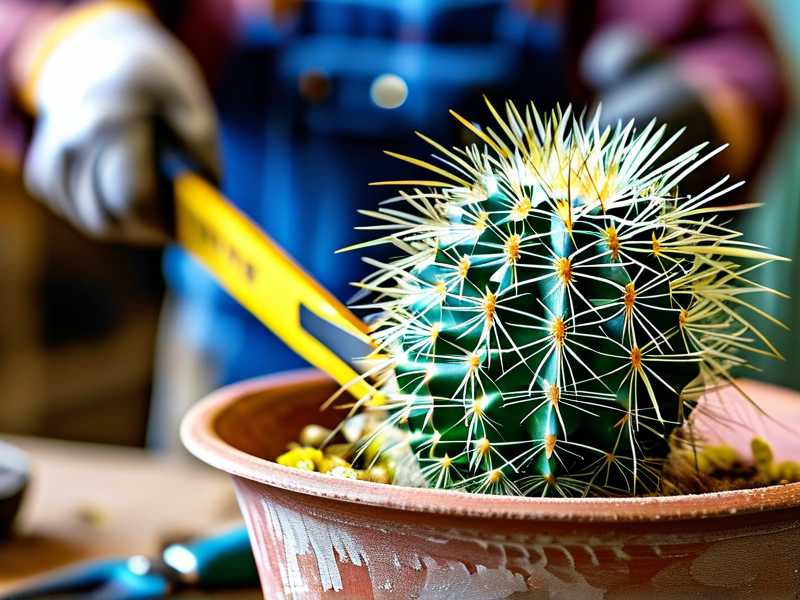
If you spot any of these, stop watering immediately. Unpot the cactus, cut away every mushy root with clean scissors, and let the plant dry on a paper towel for two or three days. Then repot in fresh, dry cactus mix. Don't water for at least a week after repotting.
I've saved maybe six or seven cacti this way. The key is acting fast. Root rot moves quicker than you think.
Soil and Drainage: Your First Line of Defense
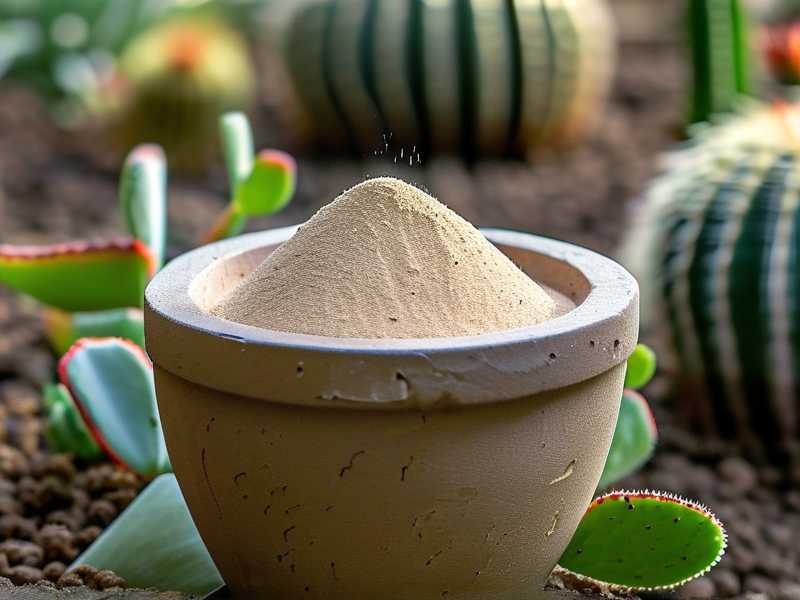
Most bagged cactus soil from big box stores isn't gritty enough. It holds too much water. I mix my own now, and it made a bigger difference than anything else I changed.
My mix: two parts commercial cactus soil, one part perlite, one part coarse sand or small pumice. That's it.
The pot matters just as much. Terra cotta breathes. Plastic doesn't. I use unglazed terra cotta for anything that stays outside during rainy season. It wicks moisture away from the roots.
Always check for a drainage hole. No hole means no cactus. I don't care how pretty the pot is.
Fertilizing During Wet Weather: Just Don't
Fertilizer pushes new growth. New growth needs water and warmth to harden off properly. During a rainy stretch, your cactus isn't actively growing in a healthy way. Feeding it now is like giving espresso to someone who's already anxious.
I stop all fertilizer from late fall through early spring, and I pause it anytime we get more than four days of rain in a row. The plant won't starve. Cacti are built to coast.
When you do fertilize, use a diluted cactus-specific formula at half strength. Once a month during the growing season is plenty. I learned that from a local grower who's been keeping cacti for thirty years. She said, "Feed weak, feed rarely." I've never forgotten it.
Seasonal Adjustments for Cactus Watering in Wet Climates
Spring
This is when cacti wake up. But if spring is rainy where you live, hold off on the first watering until you see clear signs of new growth. That might be a tiny green tip or a slight plumping of the stem.
I wait until nighttime temperatures stay above 50°F (10°C) and the forecast shows at least three dry days ahead. Then I water deeply once, and wait.
Summer
Summer rain is trickier because the heat makes rot move faster. I keep everything under a clear overhang if possible. If not, I use a small fan near indoor pots to keep air moving.
The biggest summer mistake is thinking "it's hot, it needs water." No. A wet cactus in hot weather is a rotting cactus. Stick to the soak-and-dry method: water thoroughly, then wait until the soil is bone dry before watering again.
Fall
Fall is when I start tapering off. I water less often and stop fertilizing entirely by mid-October. If you're in a region with heavy fall rain, move pots under cover now. Don't wait.
This is also when I check every pot for drainage issues. I flush the soil with distilled water once to remove salt buildup, then let it dry completely.
Winter
Winter is dormancy. Most cacti want cool temperatures and almost no water. I water maybe once every six to eight weeks, and only if the stems look slightly shriveled.
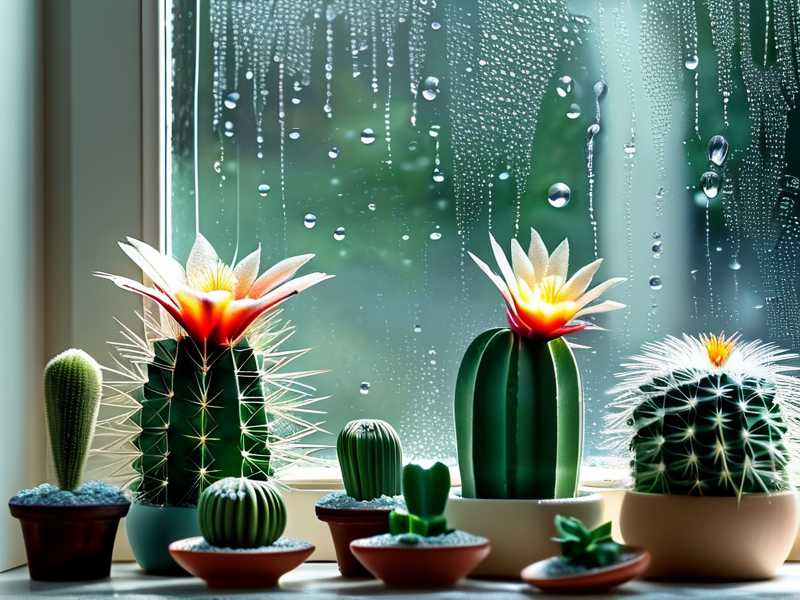
If you keep cacti indoors near a window, watch for condensation. That's a sign of high humidity. Crack a window for an hour a day, or run a small dehumidifier.
Three Mistakes That Kill Most Beginner Cacti
-
Overwatering. This is the big one. 90% of indoor plants die from overwatering, and cacti are no exception. People water on a schedule instead of checking the soil. I did this for years.
-
Wrong light. Cacti need bright, direct light. A north-facing window won't cut it. They stretch, weaken, and become vulnerable to rot.
-
Bad pots. No drainage hole, too-small pot, or glazed ceramic that traps moisture. I killed a beautiful echinocactus because I put it in a decorative pot without a hole. Learned my lesson.
What I Do After Two Weeks of Rain: A Real Outcome
I had a two-week rainy period last October. I moved twelve pots under my carport and left three outside because they were too heavy to move.
The twelve under cover? All fine. The three outside? One showed early rot at the base. I cut it, dried it, and repotted. It's still alive today. The other two were fine, but I think that's luck more than anything.
The main takeaway: move them if you can. If you can't, watch them like a hawk.
Questions I Get From Other Cactus Growers
How often should I water a cactus during rainy season?
Don't water at all if rain is hitting the pot. If your cactus is indoors and rain isn't a factor, water only when the soil is completely dry. That might be every two to three weeks.
Can a cactus survive a week of rain?
It can, if the soil drains fast and the pot has a hole. But a week of rain in heavy clay soil or a pot without drainage will likely cause rot within a few days.
What's the fastest way to dry out wet cactus soil?
Move the pot to a warm, well-ventilated spot. You can also gently slide the root ball out of the pot and wrap it in newspaper for a day. I've done this twice. It works, but it's stressful for the plant. Better to prevent the problem.
Final Thoughts
Managing cactus watering during extended rain isn't complicated. It's just different from what most care guides tell you.
Stop watering. Move the pot. Check the soil. Act fast if you see rot.
I wish I'd known all this before I lost my first five cacti. But that's how it goes. You learn. You adjust. Your plants survive.
Now when the forecast shows a week of rain, I don't panic. I just grab my pots and move them under cover. It takes ten minutes. And my cacti thank me for it.