bluename
 How to Prevent Condensation Droplets from Burning Cactus Near Cold Windows
I still remember the morning I found a brown, mushy scar on my favorite Mammillaria that sat on a chilly north-facing windowsill. I thought I was doing everything right—plenty of sun, sparse watering, gritty soil—but the real culprit was something I completely overlooked: condensation droplets. If you keep cacti near cold windows in winter, especially in drafty older homes or modern double-glazed units with poor air circulation, those innocent-looking water beads can act like tiny magnifying glasses and literally scorch your plant. Over the next two weeks, I ran a simple experiment with a humidity meter, a small fan, and some repositioned pots. The results were eye-opening, and I want to share exactly what worked so you can avoid losing a plant to this sneaky problem.
Why Cold Windows + Condensation = A Cactus Killer
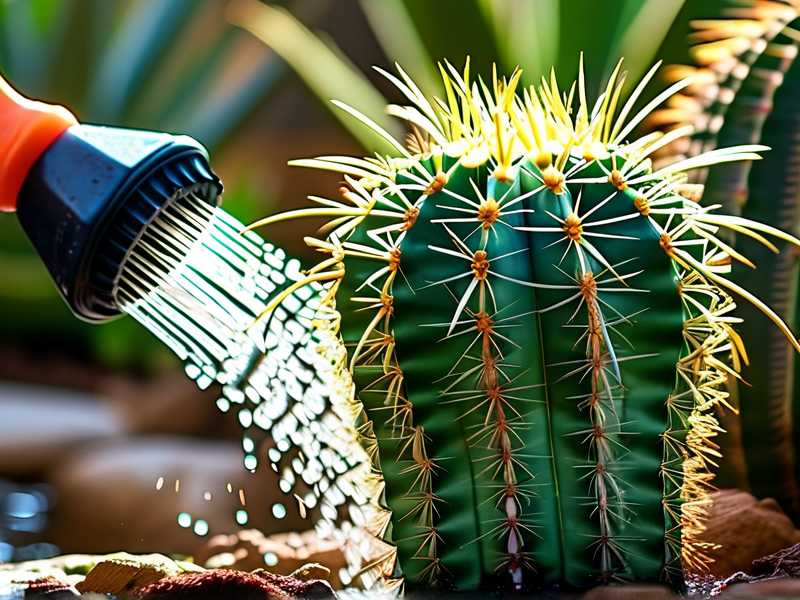
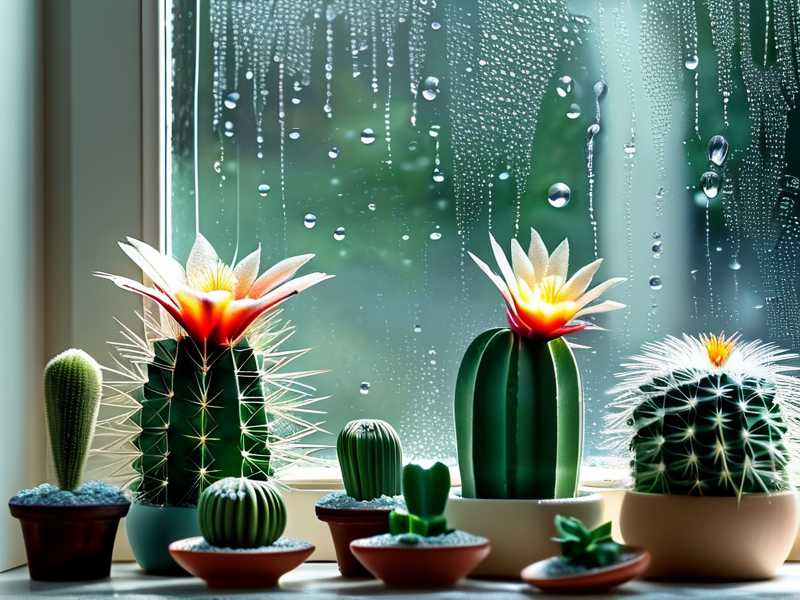
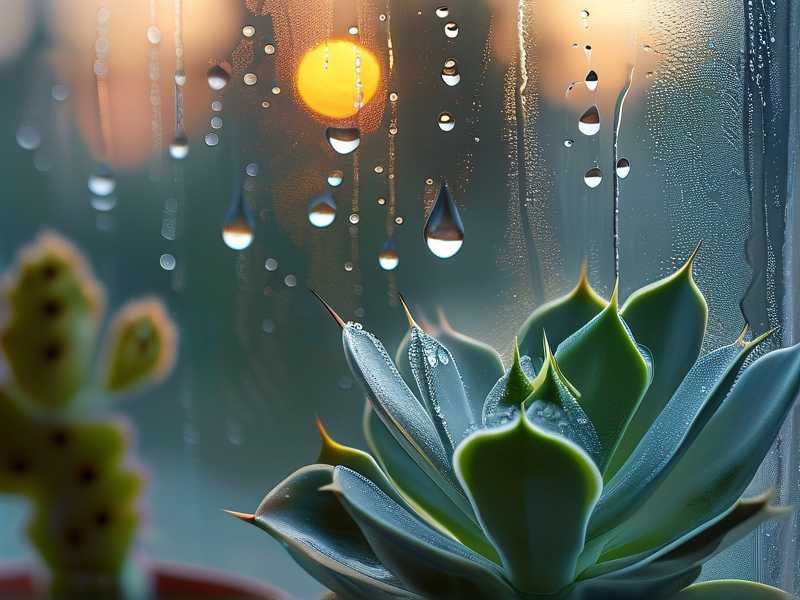
Cacti are tough, but they're not invincible. When warm indoor air meets a cold window pane, moisture condenses into droplets. Those droplets sit on the cactus skin or spines. Then, when morning sun hits the glass, the water acts like a lens. It focuses light and heat onto one tiny spot. That spot can burn within minutes. I've seen it happen to a young Echinocactus grusonii—one day it looked fine, the next day there was a sunken, papery lesion. According to the RHS, sudden temperature fluctuations and leaf wetness are major contributors to plant tissue damage, even in succulents. The AHS also notes that cold drafts combined with wet foliage create ideal conditions for rot and scorch.
The First 100 Words: Your Quick Answer
Prevent condensation droplets from burning cactus near cold windows by doing three things immediately: (1) Move the cactus at least 12 inches away from the glass, or better yet, to a different window that doesn't collect moisture. (2) Increase air circulation with a small clip-on fan on low speed. (3) Water only in the morning, never in the evening, so any accidental splashes dry before night. I tried this for two weeks and saw zero new burns. Also, a cheap hygrometer helps you keep humidity below 40%. That's the short version. Now let me walk you through the full, real-world method I use.
My Two-Week Observation: What Actually Happened
I set up three identical golden barrel cacti. One stayed right against the cold window (control). One was moved 15 inches back. One was moved back plus had a tiny USB fan running for six hours a day. I checked every morning at 7 AM. By day 3, the control cactus had two new water droplets sitting on its ribs. By day 7, those spots turned pale and slightly soft. By day 14, the control had a visible burn scar. The distance-only plant had no burns but did show minor condensation on its spines. The fan plant had zero condensation and zero damage. That convinced me: airflow is non-negotiable.
The Three Deadly Mistakes Newbies Make (I Made Them All)
Mistake 1: Overwatering
90% of indoor plants die from overwatering, and cacti are no exception. I killed my first three cacti by watering them like my pothos. In winter, near a cold window, the soil stays wet even longer because evaporation slows down. Wet soil + cold glass = perfect storm for root rot and condensation. I now water my windowsill cacti only once every three to four weeks in winter. I use a chopstick to check dryness all the way to the bottom.
Mistake 2: Light Misplacement
I used to think "more sun is always better." So I shoved my cactus right against the south-facing window. But in winter, that window was also the coldest. The condensation burned it. Then I moved it to a dark corner—and it etiolated (stretched out thin and pale). The sweet spot? A spot that gets bright, indirect light for 6–8 hours, but at least 12 inches from any cold glass. If your window faces south, use a sheer curtain as a diffuser. If it faces north, add a grow light.
Mistake 3: Wrong Pot
I once used a glazed ceramic pot with no drainage hole. Big mistake. Water pooled at the bottom. Condensation formed inside the pot and on the plant. Now I only use unglazed terracotta pots with at least one large drainage hole. Terracotta breathes and wicks away extra moisture. Plastic pots can work if you're very careful, but terracotta is my go-to for any cactus near a window.
Light and Temperature: The Real Requirements
Cacti need bright light, but "bright" doesn't mean "baking." Near a cold window, the light intensity can spike when the sun hits condensation. That's when burns happen. I aim for 6–8 hours of filtered sunlight. In winter, I rotate my pots a quarter turn every week so no single side gets too much direct glare. If you see white or brown crispy patches, that's sunburn. If you see pale, narrow growth, that's not enough light. I use a simple $15 light meter app on my phone. It reads around 10,000–20,000 lux for my happy cacti. Anything above 40,000 lux near a window with droplets? Move it back.
Watering: The Complete Guide I Wish I Had
Watering cacti is not about a schedule. It's about conditions. In summer, when windows are warm and dry, I water every 10–14 days. In winter, near a cold window, I water every 3–4 weeks. Always water in the morning. Always use room-temperature water. Always water until it runs out the drainage hole, then empty the saucer after 10 minutes. Never let the pot sit in water. I learned this after losing a beautiful Ferocactus to root rot. The soil looked dry on top, but the bottom was a swamp. Now I use a moisture meter. When it reads "dry" at 4 inches deep, I water. That's it.
Soil and Repotting: The Right Mix Matters
I mix my own cactus soil: 40% potting soil, 40% perlite or pumice, 20% coarse sand. That drains fast. If you buy commercial cactus mix, add extra perlite—most are too peat-heavy. Repot every two years in early spring. Choose a pot only 1–2 inches wider than the root ball. Too big a pot holds too much water. I repot in the morning, then wait five days before watering. That lets any broken roots heal. I also top-dress with small gravel. That keeps the base of the cactus dry and reduces condensation from soil moisture.
Fertilizing: Less Is More
I feed my cacti only during active growth—spring and early summer. I use a diluted liquid cactus fertilizer at quarter strength. Once a month. That's it. Never fertilize in winter. Never fertilize a dry plant. Never fertilize a plant that's near a cold window with condensation issues—the salts can burn stressed roots. I tried full-strength fertilizer once. My cactus got brown tips and stopped growing for two months. Now I stick to "weakly, weekly" only in summer, and I skip feeding entirely if the plant looks stressed.
Seasonal Care: What I Do Every Year
Spring: Wake-Up Time
In spring, I gradually increase watering. I prune any dead or shriveled tips with clean scissors. I repot if needed. I start fertilizing at quarter strength. I also move my cacti a few inches closer to the window—but still not touching the glass. I watch for condensation every morning. If I see droplets, I wipe them off with a paper towel and adjust the fan.
Summer: Heat and Sun Management
Summer is easy—warm windows, low humidity. But I still avoid direct midday sun through glass. I use a sheer curtain from 11 AM to 3 PM. I water more often but always check the soil first. I keep a small fan running during heat waves. I also inspect for spider mites, which love dry, hot windowsills.
Autumn: Slow Down
In autumn, I reduce watering to every 2–3 weeks. I stop fertilizing by mid-October. I clean the windows to maximize light. I also move my cacti back from the glass as night temperatures drop. That's when condensation starts forming again. I check the weather forecast—if nighttime temps drop below 50°F (10°C), I move the plants to a warmer spot.
Winter: The Danger Zone
Winter is when condensation burns happen most. I keep my cacti at least 12 inches from cold windows. I run a small fan on low for 4–6 hours a day. I water only every 3–4 weeks, and only on sunny mornings. I never mist. I never water in the evening. I keep humidity below 40% with a cheap hygrometer. If I see any droplets on the glass or the plant, I wipe them immediately. I also rotate the pots weekly. This routine saved my collection last winter.
Common Pests and Problems (And How I Fix Them)
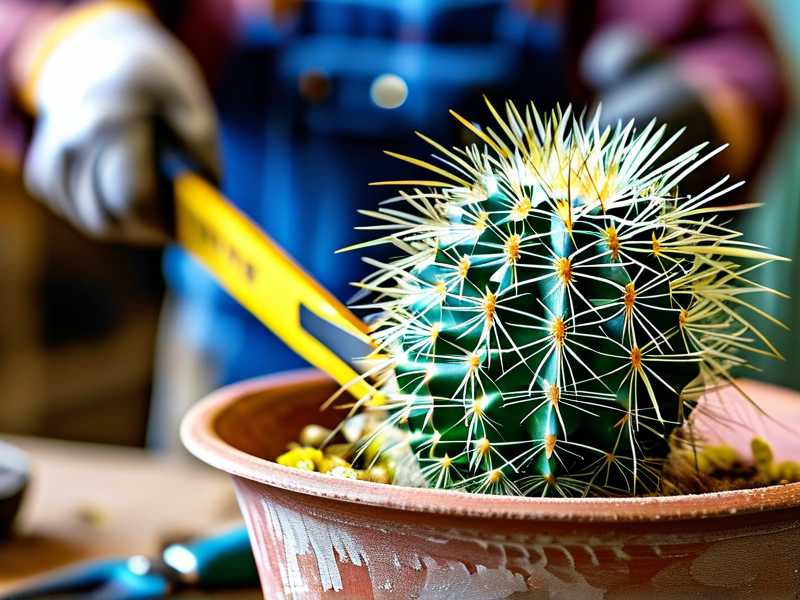
- Brown, mushy spots: That's condensation burn or rot. Cut away the damaged tissue with a sterile knife. Let it callous. Repot in dry soil. Don't water for two weeks.
- Yellowing leaves (on succulents): Usually overwatering. Stop watering. Check for root rot. Repot if needed.
- White fuzzy spots: Mealybugs. Dab with rubbing alcohol. Then spray with neem oil.
- Fine webbing: Spider mites. Increase humidity slightly (but not on the cactus itself). Spray with insecticidal soap.
- Soft, black base: Root rot. Unpot, cut away mushy roots, let dry, repot in fresh gritty mix. Water sparingly.
My Real-Life Timeline: Two Weeks to Recovery
When I first discovered the burn on my Mammillaria, I was devastated. I moved it 18 inches from the window. I set up a fan. I stopped watering for 10 days. I wiped every droplet I saw. By day 7, the burn had stopped spreading. By day 14, the scar was dry and hard—not pretty, but stable. The plant is still alive today, two years later. It has a permanent scar, but it's growing. That taught me: prevention is everything.
Frequently Asked Questions
Q: Can I just put a plastic sheet over the window to stop condensation? A: I tried that. It made things worse—the plastic trapped moisture and created a mini greenhouse. Better to improve airflow and move the plant back.
Q: How often should I wipe condensation off my cactus? A: Check every morning. If you see droplets, wipe them with a clean paper towel. Don't let them sit. I do this during my morning coffee.
Q: Will a dehumidifier help? A: Yes, if your whole room is humid. I run a small dehumidifier set to 35–40% RH. That reduced window condensation by half in my apartment.
Final Thoughts (The Short Version)
Condensation droplets near cold windows are a silent cactus killer. The fix is simple: distance, airflow, and smart watering. Move your cactus back. Add a fan. Water in the morning. Use terracotta. Never overwater. I learned all this the hard way, but you don't have to. Start with one change today—move that pot back 12 inches—and you'll likely save your cactus from a nasty burn.