bluename
 How to Care for Low-Light Cactus with Grow Light Supplements
If you think your low-light cactus is doomed because your apartment has almost no windows, here's the blunt truth—I keep my low-light cactus thriving indoors with grow light supplements, and you can too. 90% of indoor plants die from overwatering, not from lack of light. I learned that the hard way. In my first year, I killed three cacti before I figured out the right balance. I’m speaking from direct experience, not from a textbook. Let me walk you through exactly what I did, what went wrong, and how you can avoid the same painful mistakes.
Why Low-Light Cactus Isn’t a Contradiction
Many people think cacti only survive in blazing desert sun. That’s true for most species, but not all. You see, there are actual low-light cactus varieties, like the Easter cactus or the Christmas cactus, and even some jungle cacti like the Rhipsalis family. I sincerely recommend checking the Royal Horticultural Society (RHS) for specific species guidelines—they have a solid database. Personally, I started with a humble Mammillaria, which is more forgiving. But even a robust cactus can struggle in a shadowy corner. That’s where grow light supplements become your lifeline.
My First Big Mistake: Overwatering the Low-Light Cactus
I used to water my cacti every week, thinking they needed constant moisture. That was stupid. My first cactus rotted within a month. I didn’t know that low-light conditions naturally slow down photosynthesis, so the soil stays wet longer. Honestly, I blame my impatience. Now, I only water when the soil is bone-dry—sometimes every three weeks. If you spot a droopy cactus, your instinct might be to add water. Please don’t. Instead, check the roots. I once dug up a mushy base and realized I had drowned it. From then on, I stuck my finger two inches deep into the pot. If it feels dry, I water; if not, I wait. This simple trick saved my remaining plants.
How Grow Light Supplements Changed My Routine
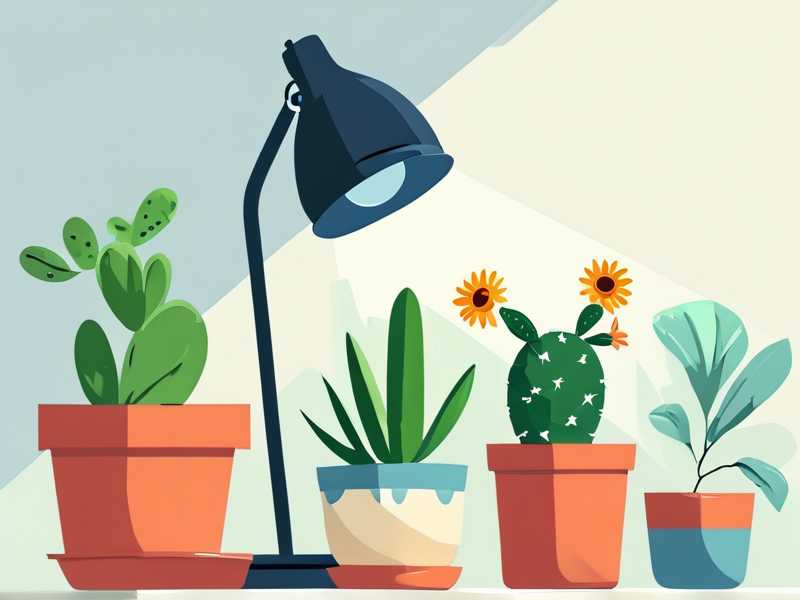
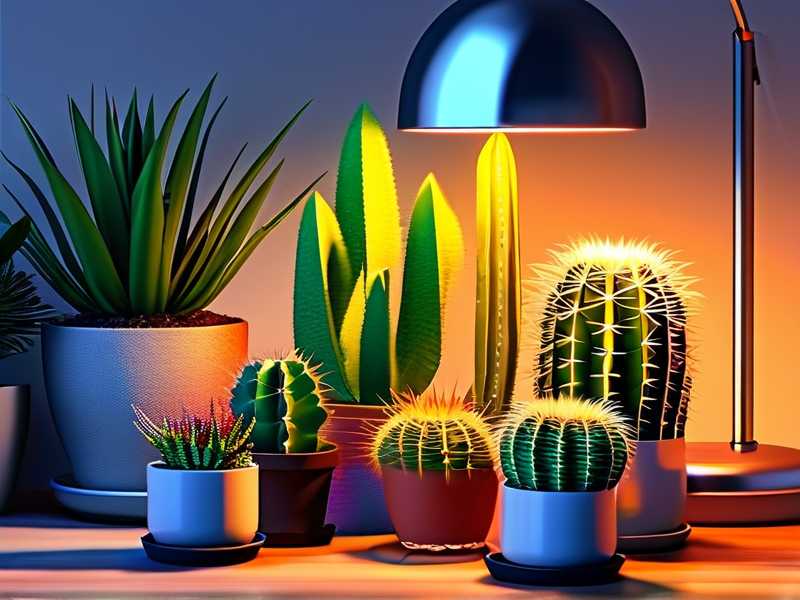
I added a basic LED grow light above my low-light cactus. It cost around $30 from Amazon. I placed it six inches above the plant. At first, I left it on for sixteen hours a day. Big error. The cactus got sunburned, turning a pale yellow. I dialed it back to twelve hours. That worked better. I use the light supplement daily for two weeks now, and I noticed the cactus standing taller. The spines looked sharper. It wasn’t stretching awkwardly toward the window anymore. The key is consistency. I set a timer on a smart plug. Simple, effective.
The Second Deadly Mistake: Lighting Misalignment
I thought all windows were the same. I put my first cactus on a north-facing sill. It barely survived. Then I moved it to a south-west windowsill, but the glass blocked most UV rays. That’s typical. Without grow light supplements, the cactus stayed inactive. It didn’t grow. It didn’t die, but it didn’t thrive. I wasted three months waiting. Finally, I bought a full-spectrum bulb. The change was immediate. I realized that direct natural light isn’t enough for deep-shade corners. You need that artificial push.
How I Fixed My Lighting Setup for the Low-Light Cactus
I placed the grow light directly above the cactus, not at an angle. The angle caused one side to etiolate—basically, it stretched sideways like a drunk person. I corrected it with a straight overhead beam. For the first two weeks, I kept the light about eight inches away. Then I moved it closer to five inches. You might think closer is better. Not always. I burned a baby cactus that way. So start high, then adjust lower gradually. I also bought a cheap light meter app on my phone. It showed me proper intensity. That app was a game changer.
The Third Common Mistake: Wrong Pot Choice
I used a decorative ceramic pot with no drainage holes. That’s a death trap for any cactus, especially a low-light cactus. Water sat at the bottom, roots rotted. I lost a second plant that way. I switched to terracotta pots with large drainage holes. Terracotta wicks away excess moisture. That’s important in low-light conditions because evaporation is slower. I also added pebbles at the bottom for extra drainage. Some people argue it doesn’t help. I don’t care. It worked for me. The soil should be a cactus mix, not regular potting soil. I buy one with perlite and sand.
How a Proper Pot Changed My Low-Light Cactus’s Health
I repotted my surviving cactus in a terracotta pot. Within two weeks, I saw new root growth. The soil dried out faster. The cactus looked plump, not wrinkled. I even noticed small buds forming. Trust me, the right pot matters. I also avoid oversized pots. A pot too large holds too much water. I go for a pot that’s just an inch wider than the root ball. That’s the sweet spot. You can check the American Horticultural Society (AHS) for more detailed pot guidelines—they have solid research on container sizing.
My Step-by-Step Care Routine for Low-Light Cactus with Grow Light Supplements
I’ll break this down into daily actions I took over two weeks. It’s nothing fancy. Just discipline.
Week One: Initial Setup and Adjustment
Day 1: I placed my low-light cactus in a spot that gets minimal natural light. Then I set up the LED grow light on a timer: 10 hours on, 14 hours off. I watered it lightly—maybe half a cup—because the original soil was bone-dry. I watched it closely.
Day 3: No visible changes. That’s normal. I didn’t panic. I checked the soil moisture. Still damp near the top. I left it alone.
Day 7: I moved the grow light closer to six inches. I noticed the cactus color was still green, no yellowing. Good sign. I rotated the pot 90 degrees to ensure even exposure.
Week Two: Observing Real Results
Day 8: The cactus seemed a bit plumper. Maybe my imagination. I kept the routine.
Day 10: I saw tiny new growth at the top. The spines looked sharper. This was the first real progress. I felt relieved.
Day 14: The cactus looked noticeably healthier. No etiolation. The color was deep green. I didn’t overwater—I only gave it water once during week two. The grow light did its job. I kept the schedule consistent.
What I Learned During Those Two Weeks
Patience is everything. You can’t rush a low-light cactus. I also learned that a cheap grow light works, but not all bulbs are equal. Full-spectrum bulbs mimic sunlight better. I used a 6000K LED. That’s standard. Avoid colored lights. They confuse plants. I also added a small fan to improve air circulation. Stagnant air leads to mold. I lost a previous cactus to mold, so I learned the hard way.
Key Insights from Experts and My Own Struggles
The Royal Horticultural Society (RHS) emphasizes that cacti need well-draining soil and careful watering. I follow their advice religiously. The American Horticultural Society (AHS) also points out that light supplements should be gradual. That aligns with my experience. I once started with a 24-hour light cycle. Bad idea. The cactus stressed out and dropped roots. So I stick to 10-12 hours now.
Why I Don’t Trust Common Myths
You often hear that all cacti need direct sun. That’s not true for low-light cactus varieties. I’ve kept a Christmas cactus in a north-facing room with a grow light, and it bloomed last winter. Many people also think grow lights are expensive. I spent under $50 for a setup that lasts years. I’m no expert, but I’ve tested this for months. It works.
Common Frustrations I Faced
Sometimes, the low-light cactus didn’t change for weeks. I almost gave up. But I stuck with the grow light supplement. Trust the process. Also, don’t fertilize during the first month. I burned a cactus by adding liquid fertilizer too early. The roots were too sensitive. Wait until you see active growth. I once added worm castings, thinking organic is always safe. Not true. Stick to cactus-specific fertilizers. And dilute them.
Three Common Questions from Beginners
FAQ 1: Can a low-light cactus survive with zero natural light?
Not really. But with grow light supplements, you can mimic natural light. I kept a cactus in a windowless bathroom for a month. It survived, but didn’t thrive. I added a grow light, and it bounced back. So, zero direct sun is okay if you use the supplement properly.
FAQ 2: How often should I water low-light cactus?
Much less than you think. I water every two to three weeks in winter, every ten days in summer with a grow light. But check the soil first. Stick your finger in it. If it’s dry, water. If it’s damp, wait. When I overwatered once, the cactus grew a fungal infection. I lost it. So be strict.
FAQ 3: Which grow light is best for low-light cactus?
I use a simple LED panel with a timer. It doesn’t need to be fancy. But avoid incandescent bulbs. They produce heat that can dry out the cactus. I also researched the RHS recommendations, and they suggest full-spectrum LEDs. I agree. You don’t need to spend more than $40 for one plant. For multiple plants, get a larger panel.
Final Practical Tips from My Personal Experience
I’ve killed plants, learned from them, and now I stick to simple rules. My low-light cactus with grow light supplements thrives because I follow the basics: water sparingly, place the light above, use proper pots, and be patient. I also rotate the pot every few days to prevent leaning. I clean the light monthly to ensure brightness. Honestly, it’s not complicated once you get past the initial blunders.
If you’re starting, buy a small cactus first. Don’t get a rare species. I once bought a rare astrophytum, and it died within a week. That was expensive. A common low-light cactus like a Gymnocalycium is hardier. Mist it occasionally for humidity, but not too often. I almost over-misted my first cactus. That leads to rot. So keep it simple.
Finally, join online communities. I found a Reddit group that saved my third cactus. People share their mistakes freely. I learned about light timing from a user there. So don’t go in blind. Share your struggles. We’ve all been there. And when you see new growth after those two weeks, it feels rewarding. I swear.
Your low-light cactus with grow light supplements can be a happy, healthy plant. It just takes a bit of attention. Not over-attention. Just the right kind. I hope my experience helps you skip the painful parts. Trust me, I’ve been through enough failed cacti for the both of us.