bluename
 How to Water Prickly Pear Cactus to Maximize Edible Fruit Yield
You’ve nurtured your prickly pear cactus, watched it bloom with stunning flowers, and eagerly awaited its fruit. But when harvest time comes, you’re met with disappointment: small, dry, or sparse fruit. Often, the culprit isn’t the soil or sunlight—it’s how you water. Mastering the delicate balance of irrigation is the single most critical factor for transforming your cactus from a survivor into a prolific producer of sweet, plump edible fruit.
This guide cuts through the guesswork. We’ll provide a clear, step-by-step framework for watering that aligns with the cactus’s natural rhythms, directly boosting both the quantity and quality of your prickly pear harvest.
Understanding the Prickly Pear’s Water Logic
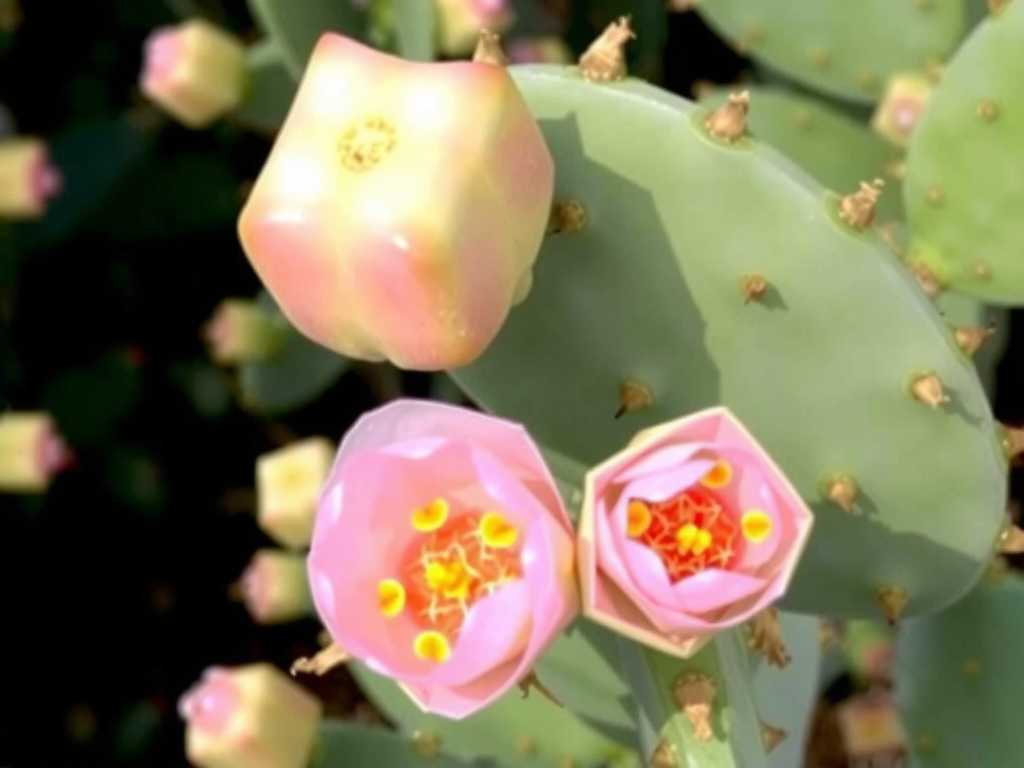
To water effectively, you must first understand why the prickly pear cactus (Opuntia spp.) is so sensitive to moisture. These plants are drought-resilient, not drought-loving. Their flat, padded stems (cladodes) store water, allowing them to endure dry spells. However, for fruit production, strategic hydration is non-negotiable. Fruit development—from flower set to sugar accumulation—demands significant resources. Improper watering, either too much or too little, disrupts this process, leading to flower drop, poor fruit set, and bland flavor.
The Golden Rule: Deep, Infrequent Soaking
The cardinal principle for watering prickly pear cactus for fruit is deep, infrequent soaking. This method encourages the development of a deep, robust root system that can access subsurface moisture and better support heavy fruit loads. Shallow, frequent watering promotes weak surface roots and increases the risk of root rot.
A Seasonal Watering Blueprint for Maximum Fruit
Your watering schedule must be dynamic, changing with the seasons and the plant’s growth cycle.
Spring: The Growth and Flowering Kick-Off As temperatures rise and new pads emerge, your cactus exits winter dormancy. This is the time to initiate careful watering.
- Schedule: Begin watering when you observe consistent new growth. Provide a deep soak every 3-4 weeks if spring rains are absent.
- Goal: Support pad expansion and the initial development of flower buds. Consistent, moderate moisture at this stage prepares the plant for the energy-intensive flowering phase.
Summer: The Critical Fruit Development Phase This is the most crucial window for watering to increase prickly pear yield. The plant is actively flowering and the fertilized flowers are swelling into fruit.
- Schedule: During peak flowering and early fruit set, increase watering to a deep soak every 2-3 weeks, depending on heat and soil drainage.
- Goal: Prevent water stress that causes blossoms to abort. Ensure a steady supply of moisture for cell expansion in the young fruit, directly influencing final fruit size and juiciness. Dr. Linda Fox, a horticulturist specializing in arid-land crops, notes, “A period of moderate water stress after fruit set can concentrate sugars, but a severe drought during cell division will permanently limit fruit size and yield.”
- Caution: Always allow the soil to dry completely between waterings. Check by inserting a finger or a moisture meter several inches into the soil.
Late Summer to Fall: Ripening and Sweetening As fruits mature and change color, your watering strategy shifts again.
- Schedule: Gradually reduce watering frequency. In the 2-3 weeks before your planned harvest, stop watering entirely if possible.
- Goal: This controlled dry-down period concentrates sugars and flavors within the fruit, enhancing sweetness and complexity. It also signals the plant to start preparing for dormancy.
Winter: Strict Dormancy Your cactus requires a rest period.
- Schedule: Withhold water completely from late fall through winter, especially if temperatures drop below freezing. Wet soil in cold conditions is a primary cause of root and pad rot in Opuntia.
Advanced Techniques for Optimal Irrigation
Method Matters: Drip Irrigation is Best For the ultimate control, install a drip irrigation system. It delivers water slowly and directly to the root zone, minimizing evaporation and preventing moisture on the pads (which can cause fungal issues). Soaker hoses are a good alternative. Always avoid overhead watering.
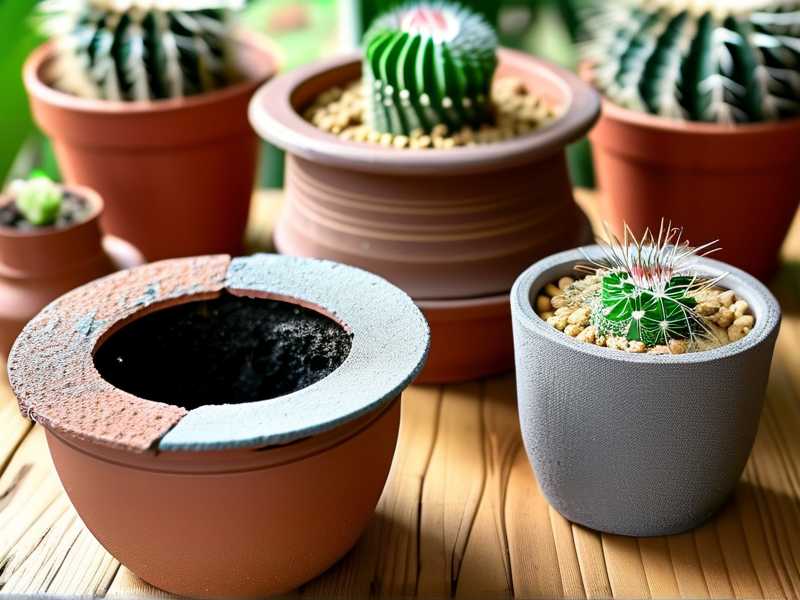
The Foundation: Perfect Soil and Drainage Watering is only as good as your soil drainage. Prickly pear cactus demands exceptionally well-draining soil. Amend heavy garden soil with 50% coarse sand, gravel, or perlite. For container growth, use a dedicated cactus/succulent mix and ensure pots have large drainage holes. A study by the University of Arizona’s Cooperative Extension emphasizes that “waterlogged soil is the fastest way to kill a cactus and will absolutely prevent any meaningful fruit production.”
Container vs. In-Ground Watering
- Potted Cactus: These dry out faster. Check moisture weekly in summer but still adhere to the “soak and dry” cycle. Water only when the soil is completely dry throughout the pot.
- In-Ground Cactus: More resilient and require less frequent watering. Rely more heavily on the seasonal schedule, using natural rainfall as part of your calculation.
Signs You’re Getting It Wrong
- Overwatering Signs: Pads are soft, mushy, or discolored (yellowish/brown). They may droop or fall off. Fruit may split or taste watery. A foul smell indicates root rot.
- Underwatering Signs: Pads appear thin, wrinkled, or shriveled. New growth is stunted. Flowers wither before opening, and developing fruit remains small and hard.
Frequently Asked Questions
My cactus pads look full, but it’s not flowering. What’s wrong? This is often a sign of overwatering or insufficient sunlight. A cactus with constant access to water feels no need to reproduce (flower and fruit). Reduce watering drastically and ensure it receives at least 6-8 hours of direct, intense sun daily to trigger the flowering cycle.
Can I use regular garden fertilizer to get more fruit? Avoid high-nitrogen fertilizers, which promote excessive pad growth at the expense of flowers and fruit. If you fertilize, do so only once in early spring with a low-nitrogen, high-potassium formula (like a 5-10-10 blend). Potassium supports flower and fruit development. Often, mature cacti in ground soil require little to no fertilizer.
How do I know exactly when to water without guessing? Invest in a simple soil moisture meter. Insert the probe 3-4 inches deep near the root zone. Water only when the meter reads “Dry.” This tool removes all uncertainty and is especially helpful for beginners or for container-grown plants.
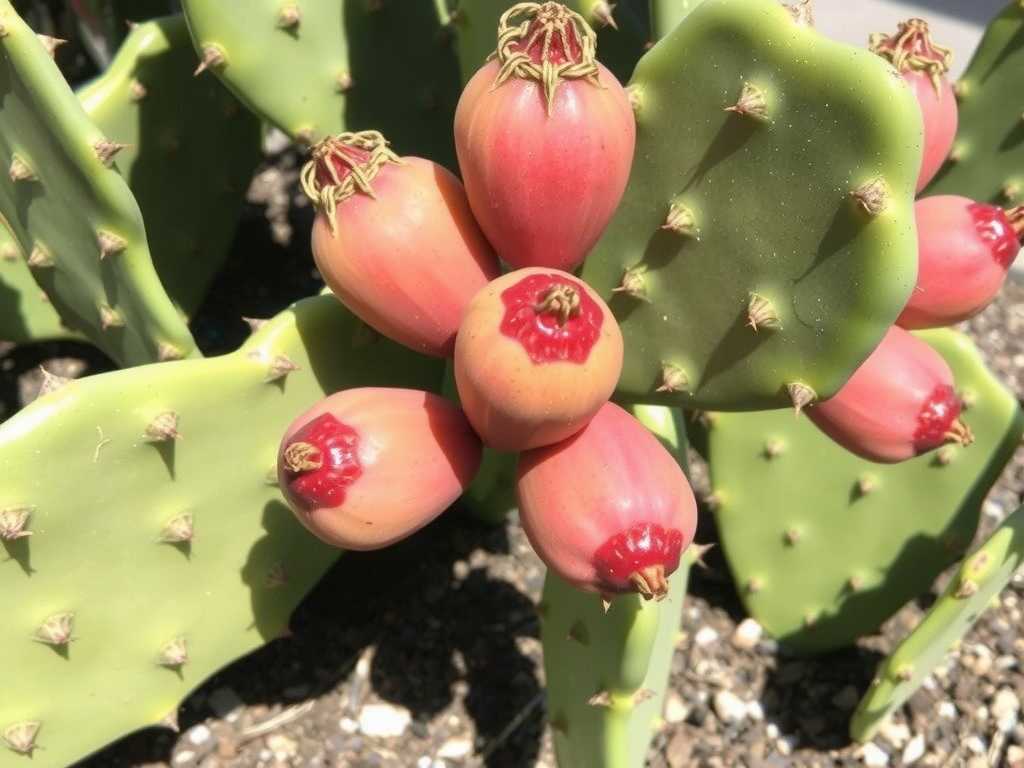
Mastering the art of watering your prickly pear cactus is a journey of observation and slight adjustment. By mimicking the natural cycle of generous rains followed by dry periods, you work with the plant’s biology. The reward is a resilient cactus that not only thrives but generously offers a bountiful harvest of delicious, home-grown fruit. Start by implementing the deep-soak method this season, adjust based on your climate, and prepare for your most productive yield yet.