bluename
 How to Water Columnar Cactus to Prevent Top-Heavy Stem Collapse
There’s a heart-stopping moment every columnar cactus owner dreads: you walk into the room and notice your once-proud, upright cactus is now leaning, bending, or worse—completely collapsed under its own weight. This top-heavy stem collapse isn't just an aesthetic issue; it's a critical sign of improper care, most often stemming from one fundamental mistake: incorrect watering. Learning how to water columnar cactus to prevent top-heavy stem collapse is the single most important skill you can master to ensure your towering plant thrives for decades.
Unlike other houseplants, columnar cacti like the San Pedro (Echinopsis pachanoi), Mexican Fence Post (Pachycereus marginatus), or Old Man Cactus (Cephalocereus senilis) have evolved to store vast amounts of water in their thick stems. Their internal structure is designed for resilience in arid environments, not for the consistent moisture common in our homes. A watering routine that ignores this biology leads to weak, unstable growth and, ultimately, structural failure.
Understanding the Root Cause: Why Improper Watering Leads to Collapse
To water correctly, you must first understand what you’re fighting against. A top-heavy cactus that collapses isn't simply "too tall"; it's structurally compromised.
- The Role of Turgor Pressure: Healthy cactus cells are full of water, creating internal pressure (turgor pressure) that helps the stem remain rigid and upright. Chronic underwatering depletes these reserves, causing cells to shrink. The stem may become rubbery, wrinkled, and unable to support its own mass, leading to a bend or lean.
- The Hidden Danger of Overwatering: This is the more frequent and severe culprit. Constantly wet soil suffocates roots, causing them to rot. A rotten root system cannot absorb water or nutrients, no matter how much you pour. The cactus, unable to feed its upper growth, develops a weak, unstable base. Simultaneously, the stem may absorb excess water, causing cells to swell and growth to become overly rapid and soft (etiolated if light is also low), creating a heavy, weak top that the compromised base cannot support.
- The Structural Weak Point: Collapse often occurs at a point where growth was stressed—typically where a period of overwatering created spongy tissue or where an underwatered section constricted. This weak point becomes the plant's breaking point.
The Golden Rule: Soak and Dry is the Only Way
Forget weekly schedules. The perfect watering schedule for tall columnar cactus is not a schedule at all—it’s a cycle based on the plant's environment and needs.
- The "Soak": When it is time to water, do so thoroughly. Pour water evenly around the base until it flows freely out of the drainage holes. This ensures the entire root ball is moistened and encourages deep, strong root growth.
- The "Dry": This is the critical phase. You must allow the potting mix to become completely dry all the way through the pot. Do not water again until the soil is dry. For large pots, this could take 3-6 weeks or more in winter.
- The Test: Never guess. Use a moisture meter probe or a simple wooden skewer. Insert it deep into the soil near the roots. If it comes out with any soil clinging or feels cool, wait. Water only when it comes out completely dry.
Tailoring Watering to Seasons and Environment
Your cactus’s thirst changes with the seasons, a concept vital for columnar cactus care for stability.
- Spring and Summer (Growth Season): With increased light and warmth, your cactus is actively growing. This is when it will use water most efficiently. The "dry" period between soaks will be shorter. Monitor closely.
- Fall and Winter (Dormancy): This is the most dangerous time for overwatering. As light levels drop and temperatures cool, your cactus enters a rest period. Its water needs plummet. You may only need to water once or twice the entire winter, if at all. The goal is to prevent severe shriveling, not to promote growth.
As noted by Dr. Karen Zimmerman, a horticulturist specializing in succulents, "Dormancy is not a suggestion for these plants; it's a physiological requirement. Forcing growth with water in low-light conditions is a direct path to etiolation and stem weakness."
Beyond Water: The Support System for a Stable Cactus
Watering alone won't guarantee stability. It works in concert with other critical factors.
- The Right Soil is Non-Negotiable: Standard potting soil retains too much moisture. You need a fast-draining, gritty mix. A good starting formula is 50-60% mineral grit (perlite, pumice, coarse sand) to 40-50% potting soil. This provides anchorage and dries out rapidly, preventing root rot.
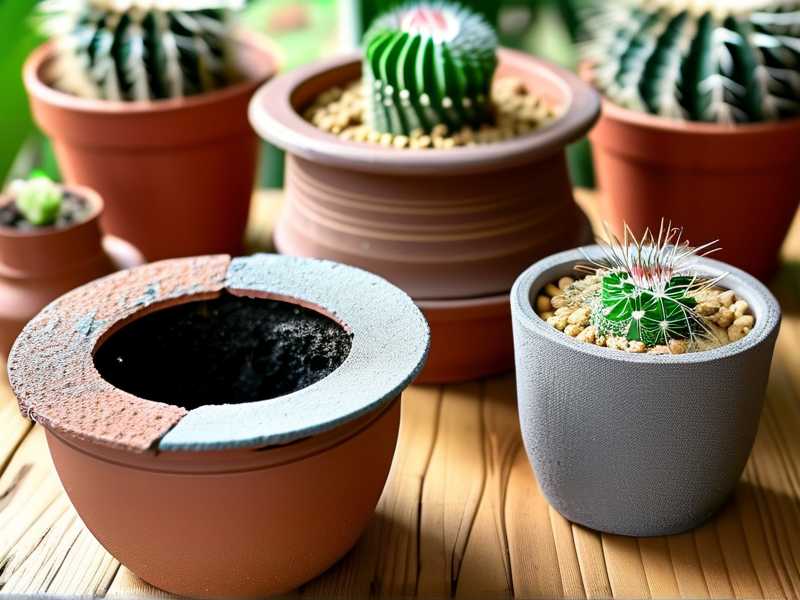
- Pot Choice Matters: Always use a pot with ample drainage holes. Terracotta pots are excellent as they are porous and wick away moisture from the soil. Ensure the pot is not excessively large, as too much soil will stay wet for too long.
- Sunlight is Structural: A cactus stretching for light becomes etiolated—thin, pale, and weak. Provide the brightest light possible, preferably several hours of direct sunlight daily. Strong light promotes compact, sturdy growth that can bear weight.
- When to Stake: If your cactus is already leaning, a temporary stake can provide support. However, as plant physiologist Dr. Alex Chen advises, "Staking is a brace, not a cure. Address the underlying cause—usually water or light—first. The goal is for the plant to develop its own strength, not to become permanently dependent on external support."
Correcting a Leaning or Damaged Cactus
If collapse has begun, act quickly.
- Assess the Damage: If the stem is mushy and brown at the base, it's likely rot. If it's just leaning but still firm, there may be hope.
- For Rot: You must perform surgery. Using a sterile knife, cut away all soft, rotten tissue until you reach clean, firm, green flesh. Allow the cut end to callus over in a dry, airy spot for several weeks. Once callused, you can re-root it in dry, gritty mix.
- For a Lean: Repot the plant, checking for root rot. Trim any rotten roots. Repot in fresh, dry, gritty mix and do not water for at least a week. Provide maximum light. You can gently stake it for support while it re-establishes stronger roots.
FAQ
How often should I water my indoor columnar cactus? There is no universal frequency. Water only when the soil is completely dry throughout the pot. This could be every 10 days in a hot, sunny summer window or every 45 days in a cool, dim winter. Always let the soil condition, not the calendar, guide you.
My cactus is leaning but the soil is dry. What do I do? This indicates the roots may have already been damaged by past overwatering and can no longer absorb moisture, or the plant was chronically underwatered. Check the roots for rot. If they are healthy, give a thorough soak. If the base is soft, follow the steps for correcting rot. Ensure the plant is getting enough direct sunlight to build strong tissue.
What is the best fertilizer to prevent weak growth? Use a balanced, low-nitrogen fertilizer diluted to half-strength. Apply it only during the active growing season (spring and summer), and only when the soil is moist. Over-fertilizing, especially with high nitrogen, can force overly rapid, weak growth that is prone to collapse. Remember, consistent, strong light is more important for structural integrity than fertilizer.
Mastering the art of watering your columnar cactus is a practice in patience and observation. By embracing the "soak and dry" method, providing a gritty, well-draining home, and ensuring abundant sunlight, you directly contribute to the internal strength of your plant. You are not just preventing a top-heavy collapse; you are cultivating a resilient, self-supporting structure that mirrors the hardy beauty of these magnificent plants in their native habitats. The reward is a steadfast, vertical testament to your mindful care.