bluename
 How to Identify Hybrid Cactus Species and Their Unique Traits
Have you ever brought home a stunning cactus, only to find yourself completely stumped by its identity? You’re not alone. The world of cacti is vast, and the rise of hybrid cactus species has made identification more challenging—and more exciting—than ever. These cultivated creations combine traits from different parent plants, resulting in unique forms, spectacular blooms, and sometimes, puzzling characteristics that don’t match standard field guides. Whether you're a curious collector, a budding horticulturist, or simply someone who wants to understand the unique plant on your windowsill, learning how to identify hybrid cactus species is an essential skill. This guide will equip you with the knowledge to recognize their key traits and appreciate their fascinating origins.
Understanding the Basics: What Are Cactus Hybrids?
Before diving into identification, it's crucial to understand what a hybrid cactus is. In simple terms, a hybrid is a plant resulting from the cross-pollination of two different species or genera. Hybridization can occur naturally when pollinators like bees, bats, or birds transfer pollen between plants. However, the most striking and diverse hybrid cactus varieties are often created intentionally by breeders seeking specific traits.
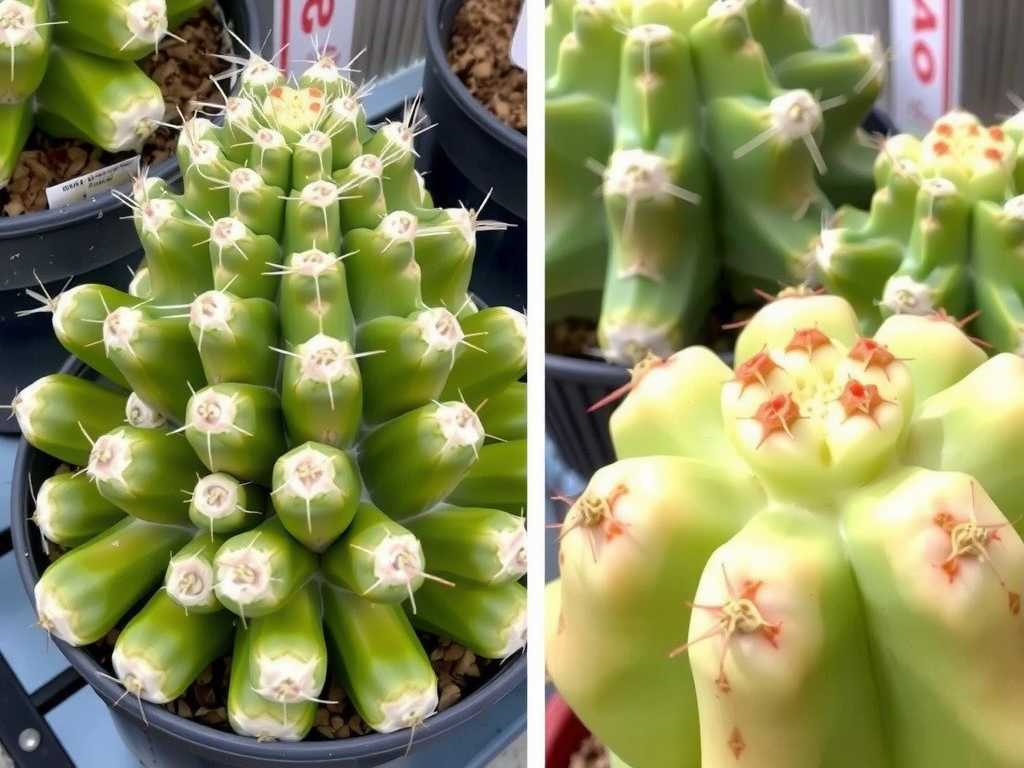
These cultivated hybrids are developed for various reasons: to produce more vibrant or frequent flowers, to create dwarf or monstrous forms, to enhance cold hardiness, or simply to achieve a novel and visually appealing shape. This deliberate breeding means that a hybrid may not fit the classic description of any single known species, which is the root of the identification challenge.
Key Traits and Features for Identifying Hybrid Cacti
Identifying these plants requires a detective's eye. Instead of looking for a perfect match to one species, you'll be piecing together clues from its morphology. Focus on these primary characteristics.
Analyzing Growth Habit and Overall Shape
The overall architecture of a cactus offers the first major clue. Observe its form carefully.
- Columnar vs. Clumping: Does it grow tall and solitary like a Trichocereus, or does it readily produce offsets (pups) to form a cluster, like many Mammillaria or Echinopsis hybrids?
- Stem Structure: Look for ribs (vertical ridges), tubercles (wart-like projections), or a combination of both. The number, prominence, and arrangement of ribs can hint at parentage. For instance, deeply notched ribs might suggest Echinopsis ancestry.
- Unusual Forms: Many hybrids are selected for "monstrose" (twisted, irregular) or "cristate" (crested, fan-shaped) growth. These forms are rare in nature but popular in cultivation and are a clear sign of selective breeding.
Decoding Spine and Areole Characteristics
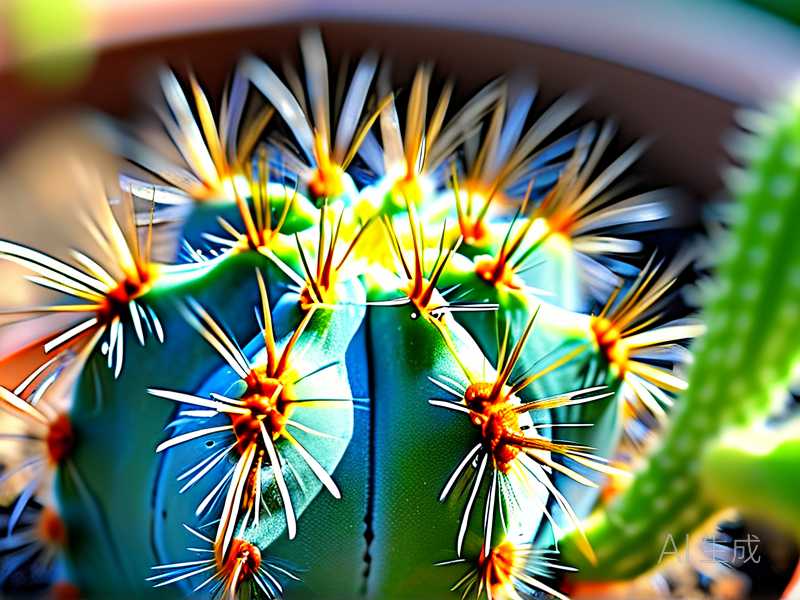
The spines, emerging from spots called areoles, are like a cactus's fingerprint.
- Spine Color and Texture: Note if spines are white, yellow, red, or black. Are they needle-like, hair-like (filamentous), or comb-like (pectinate)? A mix of spine types on one plant often indicates hybrid origins.
- Areole Placement and Density: How far apart are the areoles? Are they located on the tips of tubercles or along the ribs? Dense, woolly areoles might point toward Mammillaria or Copiapoa genes.
The Ultimate Clue: Flower Morphology
Flowers are often the most reliable indicator. When your cactus blooms, take detailed notes and photos.
- Flower Position: Do flowers emerge from the crown (top) of the plant, from the sides of the stems, or from old areoles?
- Color, Shape, and Size: Hybridizers frequently select for flower color. A cactus producing neon pink, multi-petaled blooms likely has Gymnocalycium or Hybrid Echinopsis in its lineage, as these genera are famous for their showy, colorful flowers.
- Blooming Time and Duration: Some hybrids are bred to bloom more profusely or for longer periods than their parent species.
A Practical Step-by-Step Identification Process
Follow this systematic approach to investigate your unknown cactus.
Step 1: Document Everything Gather evidence. Take clear, well-lit photographs of the entire plant, the apex (top), the base, the spine clusters, and any flowers. Use a ruler or common object for scale. Note the plant's size, texture, and any scent.
Step 2: Research Potential Parent Genera Compare your documentation to common hybrid-generating genera. Key players in the hybrid world include Echinopsis (and its former segregates like Trichocereus and Lobivia), Gymnocalycium, Mammillaria, Rebutia, and Astrophytum. Look for shared traits. Does your plant have the body of one but the flowers of another?
Step 3: Consult Specialized Resources Use reputable online databases and forums. Sites like the International Cactaceae Systematics Group or dedicated cactus and succulent society forums are invaluable. Post your photos and ask knowledgeable communities. As noted by cactus taxonomist Dr. Nigel Taylor in a review for the Bradleya journal, "Hybrids often display a blend of characters that can be disorienting; comparison with documented cultivar lists is frequently more fruitful than seeking a pure species match."
Step 4: Consider the Source Where did you acquire the plant? A big-box store likely sells mass-produced, often unlabeled hybrids. A specialized nursery or collector is more likely to provide an accurate name, even if it's a cultivar name like Echinopsis ‘Peruvian Torch’ hybrid or Gymnocalycium mihanovichii ‘Hibotan’.
The Role of Cultivar Names and Labeling
Many popular hybrids are given unique cultivar names. You may encounter a label such as Mammillaria ‘Super Red’ or Astrophytum ‘Kikko Lizard’. These are not botanical names but marketing or descriptive titles registered to a particular hybrid form. They are crucial for identification in the horticultural trade. If your plant has such a label, searching for that exact cultivar name will yield the most accurate care and trait information.
Why Accurate Identification Matters
Knowing what you grow isn't just for pride. It informs proper care. A hybrid with Ferocactus ancestry will crave full, blistering sun, while one with Schlumbergera (holiday cactus) genes will prefer bright, indirect light. Correct identification helps you provide the right soil, water, and light, ensuring your unique cactus thrives for years to come.
How can I tell if my cactus is a hybrid or just a rare species? If your cactus possesses a combination of traits not typical for any one genus—or displays exceptionally vibrant, large, or unusually colored flowers compared to most wild species—it is likely a hybrid. Consulting with expert communities online is the best way to confirm.
Are hybrid cacti harder to care for than pure species? Not necessarily. Many are bred to be more adaptable and forgiving in cultivation. The key is to research the likely parentage and tailor care to the dominant traits. A hybrid may sometimes be more vigorous and easier to bloom.
Can I create my own cactus hybrid? Absolutely. Hybridization is a rewarding aspect of cactus cultivation. By manually cross-pollinating two different flowering cacti and collecting the resulting seeds, you can create your own unique hybrid cactus varieties. Patience is required, as it can take several years for seedlings to mature and reveal their characteristics.
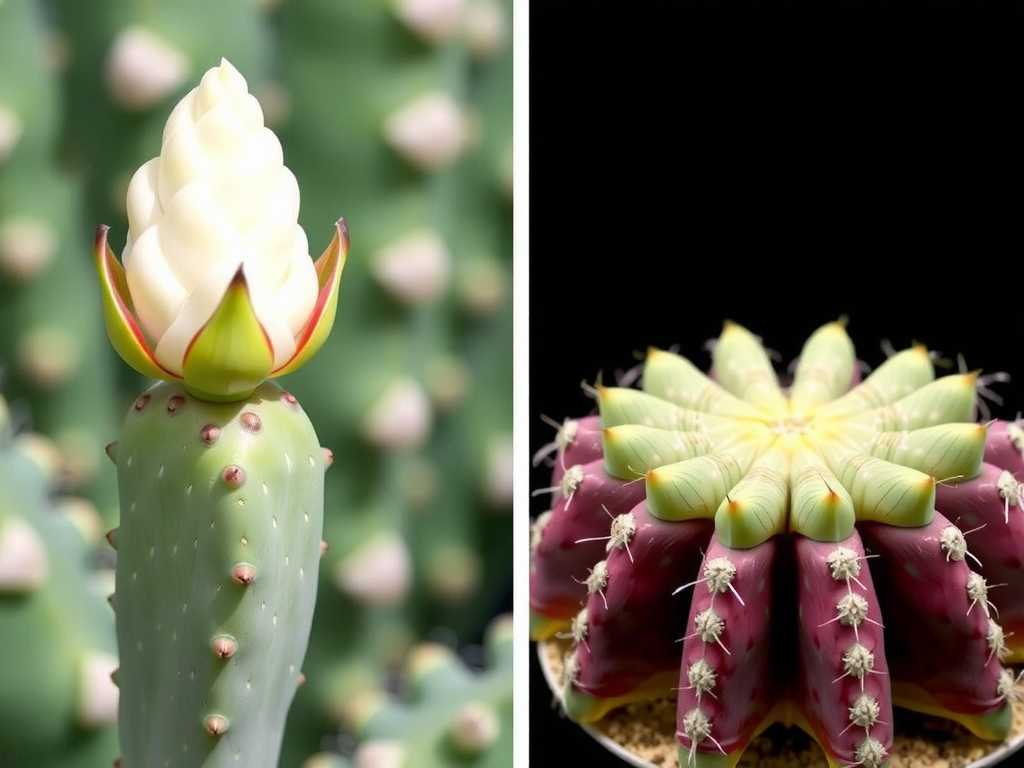
The journey to identify a hybrid cactus is a fascinating exploration of botany and horticulture. By moving away from the need for a single species name and instead learning to read the plant's physical story—its shape, spines, and spectacular blooms—you unlock a deeper level of appreciation. Each hybrid is a living testament to the creativity of nature and human cultivation. Embrace the mystery, use the tools and steps outlined here, and you'll not only solve the puzzle of your plant's identity but also gain the knowledge to help it flourish.