bluename
 How to Water Bonsai Cactus to Keep Its Miniature Size and Shape
You’ve carefully pruned and wired your bonsai cactus, achieving that perfect miniature landscape. Yet, despite your best efforts, you notice new growth becoming unusually plump or elongated, threatening to ruin the delicate proportions you worked so hard to create. The culprit is often not your tools, but your watering can. Mastering how to water a bonsai cactus is the single most critical skill for maintaining its miniature size and iconic shape. Unlike typical houseplants, a bonsai cactus requires a precise watering strategy that balances survival with deliberate, controlled growth. This guide will walk you through the exact techniques to hydrate your plant while actively preserving its artistic form.
Understanding the Bonsai Cactus Philosophy
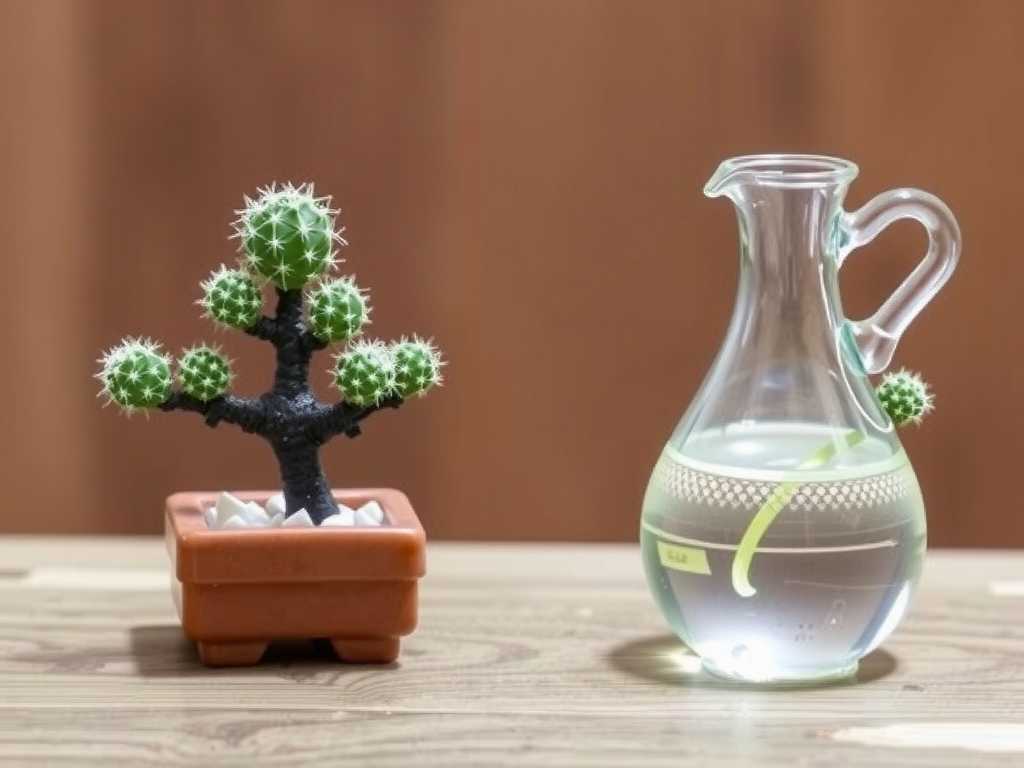
Bonsai is the art of illusion, creating a mature tree’s essence in miniature. When applied to cacti, this philosophy takes a unique turn. We are not just restraining a plant; we are working with a succulent that has evolved to store water. The goal is to provide just enough moisture to keep the plant healthy, but not so much that it triggers vigorous, size-altering growth. Your watering routine is your primary tool for enforcing this discipline.
The Core Principle: Water for Health, Not for Growth
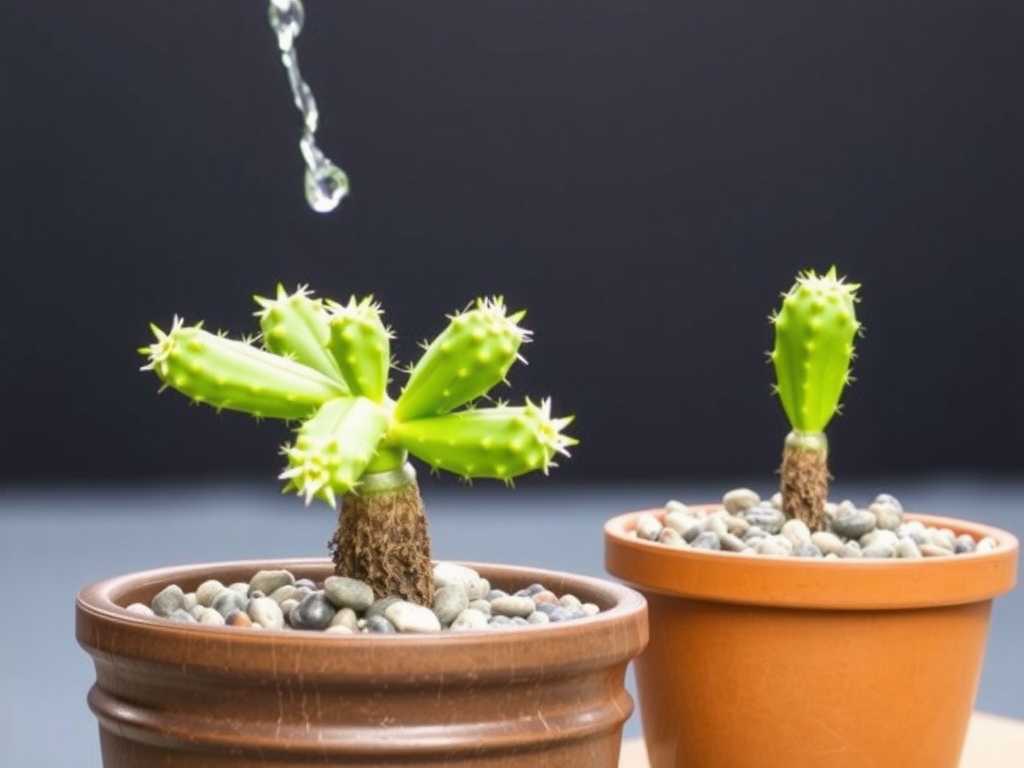
The fundamental mistake is treating a bonsai cactus like a regular potted cactus. A standard approach might be to “water thoroughly when dry,” which can promote faster expansion. For bonsai, we shift the mindset to “water minimally to sustain.” This controlled stress signals the plant to focus on maintaining its existing structure rather than rapidly producing new, often disproportionate, segments.
How Often to Water? It’s Not About a Schedule
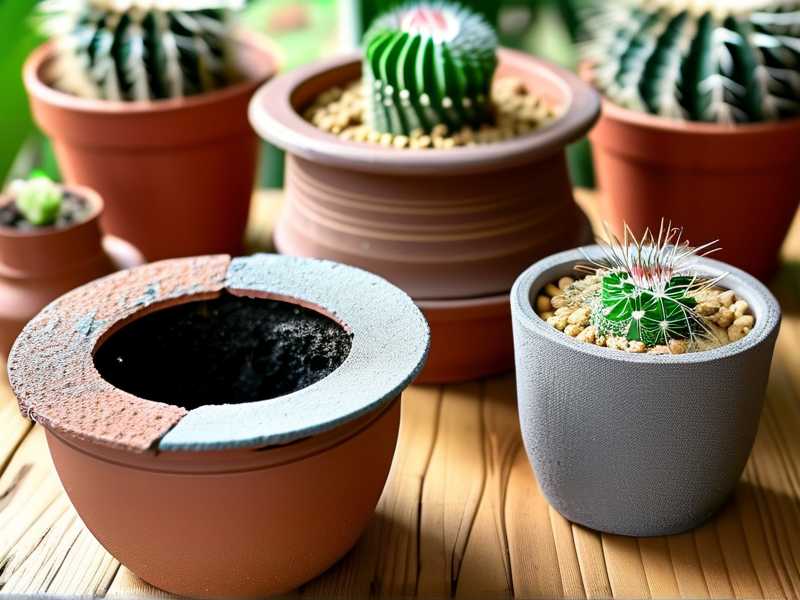
Forget watering on a fixed day of the week. The frequency of how to water bonsai cactus depends entirely on its environment. A cactus in a hot, dry, sunny window will need water more often than one in a cool, humid room. The type of pot also matters. Unglazed clay pots dry out faster than glazed ceramic or plastic pots. The only reliable method is the “soil check.”
The Finger Test and Weight Method
Before you water, perform these two simple checks. First, insert a finger or a wooden skewer about an inch into the soil. If you feel any moisture or particles stick to the skewer, wait. Second, lift the pot. With practice, you’ll learn to recognize its light, dry weight versus its heavier, watered weight. Only water when the soil is completely dry at depth and the pot feels light. This dry period is crucial for maintaining miniature size.
The Right Way to Water: Deep Yet Infrequent Soaks
When it is time to water, do it properly. The goal is to mimic a rare, desert downpour that fully saturates the root zone, followed by a long drought.
Use the immersion or thorough runoff method. Place the entire pot in a shallow basin of water, allowing moisture to seep up through the drainage holes for about 15-20 minutes. Alternatively, water slowly from the top until water runs freely from the bottom. Both methods ensure the entire root ball gets hydrated, encouraging a robust but compact root system. Then, let the plant drain completely. Never let it sit in a saucer of water.
Seasonal Watering Adjustments for Shape Control
This is where strategic watering directly impacts your cactus’s shape. Your watering calendar should mirror the plant’s natural, slowed growth cycles.
Spring and Summer (The Growing Season): This is the time for cautious hydration. Water only when the soil is completely dry, as described. This controlled moisture supports slow, steady growth that you can then shape with pruning. Overwatering now leads to fat, out-of-scale new pads or columns.
Fall (The Preparation Phase): Gradually extend the time between waterings. This helps the plant harden off and prepare for dormancy, solidifying the season’s growth without encouraging more.
Winter (The Dormant Period): Drastically reduce watering. For many bonsai cacti, a single light watering every 4-6 weeks may be sufficient. The goal is to prevent severe shriveling, not to support growth. This rest period is vital for keeping the plant compact and setting it up for a healthy spring.
The Critical Role of Soil and Pot Selection
Your watering technique is only as good as your soil mix. Standard cactus soil is often too moisture-retentive for bonsai cultivation. A well-draining, gritty mix is non-negotiable.
Create a blend of 50-70% inorganic material like pumice, lava rock, or coarse sand, with 30-50% organic matter like pine bark or coconut coir. This mix allows water to flow through instantly, preventing soggy roots and allowing for the quick dry-back essential for size control. A shallow pot with excellent drainage further restricts root growth and accelerates soil drying, both key for miniaturization.
Recognizing the Signs: Thirst vs. Overindulgence
Learn your cactus’s language. Signs of underwatering (thirst) include noticeable wrinkling or shrinking of the stems, and dry, brittle roots. Signs of overwatering (overindulgence) are more dangerous: a soft, mushy base, black spots, or sudden, pale, and weak new growth that stretches for light. Overwatering is the fastest way to lose a bonsai cactus to rot and ruin its shape.
Integrating Watering with Other Bonsai Techniques
Watering does not work in isolation. It is part of a holistic approach.
Pair controlled watering with strategic pruning. After a watering cycle, when the plant is turgid, you can safely remove unwanted new growth to direct energy. Fertilize very sparingly, only during the growing season, with a diluted, low-nitrogen formula. High-nitrogen fertilizer combined with ample water will force rapid, unshapely growth. Remember, your bonsai cactus should always be in bright, direct light. Insufficient light combined with water leads to etiolation—thin, stretched growth that permanently damages its form.
Expert Insight: The Art of Restraint
Renowned bonsai artist and cactus cultivator, Michael S., emphasizes patience. “A bonsai cactus teaches you the value of neglect,” he notes. “The desire to care for it by watering is strong, but true care is often shown by holding back. Each time you resist watering until it’s absolutely necessary, you are sculpting with time, reinforcing its miniature stature.”
Frequently Asked Questions
My bonsai cactus is starting to plump up more than I’d like. What should I do? This is a clear sign to review your watering and feeding. Immediately extend the dry periods between waterings and ensure it is receiving maximum sunlight. Re-evaluate your soil mix to guarantee it is fast-draining. Hold off on any fertilizer until the growth stabilizes.
Can I use a moisture meter for my bonsai cactus? While moisture meters can be helpful for beginners with tropical bonsai, they are less reliable for the dry, gritty mixes used for cacti. The physical finger test and weight method are more accurate for determining when to water a bonsai cactus, as they give a better sense of the soil’s complete dryness.
Is it better to water in the morning or evening for bonsai cacti? Always water in the morning. This allows any accidental moisture on the plant’s body to evaporate quickly in the daytime sun and warmth, reducing the risk of fungal infections or rot. Evening watering leaves the plant damp and cool overnight, which can be detrimental.
Mastering the art of watering your bonsai cactus transforms routine care into a deliberate practice of shape preservation. By prioritizing deep, infrequent soaks only after the soil is completely dry, adjusting your approach with the seasons, and using a well-draining soil mix, you directly influence the plant’s growth pace. This disciplined hydration, combined with good light and minimal feeding, allows you to maintain the captivating illusion of a miniature, ancient desert specimen thriving quietly in your care. The key is to listen to the plant and the soil, not the calendar.