bluename
 How to Care for Cactus Species in Air-Conditioned Rooms: The Ultimate Survival Guide
You’ve brought home a resilient cactus, expecting it to thrive with minimal fuss, only to find it looking deflated, discolored, or oddly stretched in your cool, air-conditioned office or apartment. This common frustration highlights a critical misunderstanding: while cacti are desert champions, the artificial environment of an air-conditioned room presents a unique set of challenges that mimic neither the desert nor a typical home. How to care for cactus species in air-conditioned rooms requires a tailored approach, addressing constant cool temperatures, low humidity, and stagnant air. This guide will transform your approach, ensuring your spiky friends not only survive but flourish.
Understanding the AC Environment vs. Desert Nature
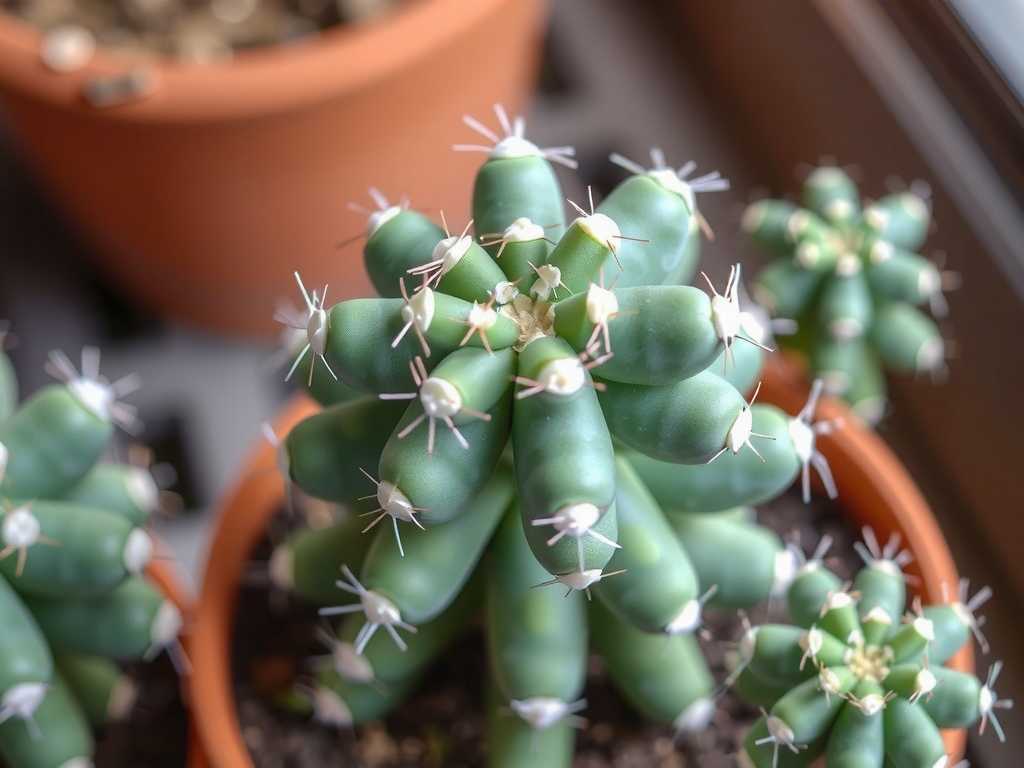
To care for your cactus effectively, you must first understand the enemy: the air-conditioned climate. A desert, the natural home for most cacti, experiences extreme fluctuations—scorching, sunny days and significantly cooler nights. Humidity, while low, isn’t always absent, and air movement is constant. Conversely, an air-conditioned room flattens these dynamics into a consistently cool, dry, and still environment. This lack of variation and key stressors is what leads to poor health.
The constant chill, often between 18-22°C (64-72°F), can slow a cactus’s metabolism to a crawl. Growth may halt, and the plant enters a semi-dormant state, making it more susceptible to overwatering. Furthermore, as noted by horticulturist Dr. Linda S. Smith in the Journal of Arid Land Studies, "Prolonged exposure to temperatures below a plant's preferred range disrupts its physiological processes, including nutrient uptake and photosynthesis." The dehumidifying effect of AC robs the air of what little moisture exists, potentially stressing some species more than expected. Stagnant air, a final blow, encourages pest infestations like mealybugs and spider mites, which thrive in dry, still conditions.
Essential Adjustments for Thriving Cacti in AC
Your success hinges on mimicking beneficial desert conditions while mitigating AC-induced harm. Focus on these four pillars: light, watering, temperature management, and airflow.
Mastering the Light Equation
Light is non-negotiable. Cacti in air-conditioned rooms need more light than you might think to compensate for the cooler temperatures and drive photosynthesis. A south-facing window is ideal. Observe your plant: signs of etiolation (stretching thin and pale towards the light) mean it’s starving for sun.
If natural light is insufficient, especially in office settings, invest in a grow light. A full-spectrum LED panel, running for 12-14 hours a day, can make a dramatic difference. Position it 15-30 cm above the cactus to provide intense, direct "sun" without burning it.
The Revolutionary Watering Strategy
This is the most critical adjustment. The old adage "neglect them" fails in AC care. Instead, water deeply but infrequently, only when the potting medium is completely dry. In cool, low-light AC rooms, this could mean watering only once every 4-6 weeks in winter, and perhaps every 3-4 weeks in summer.
Always use the "soak and dry" method. Take the pot to a sink and water thoroughly until it runs freely from the drainage holes. This ensures the entire root ball is moistened. Then, let it drain completely before returning it to its spot. Never let the pot sit in a saucer of water, as cold, wet roots in a cool room are a sure path to fatal rot.
Mitigating Temperature and Humidity Extremes
While you can't turn off the AC, you can create a microclimate. Avoid placing cacti directly in the path of cold air vents. The sudden blast can cause shock and localized damage. If possible, group your cacti together with other plants. This creates a slightly more humid microenvironment through collective transpiration.
For valuable specimens, consider a small horticultural heat mat placed under the pot during cooler months. This gently warms the root zone by a few degrees, stimulating metabolism and mimicking the warm desert soil, even if the air above is cool. This simple tool can prevent dormancy and support healthier growth.
Ensuring Vital Air Circulation
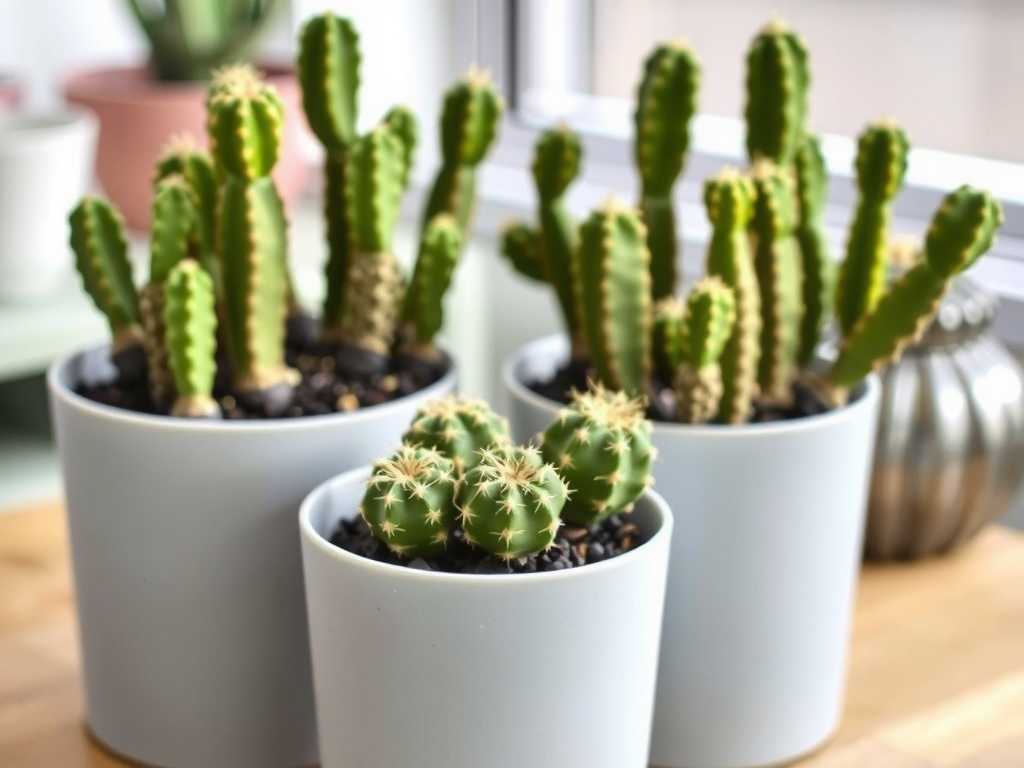
Combat stagnant air. A small, oscillating fan set on low, placed several feet away from your plants, can work wonders. Run it for a few hours each day to simulate a natural breeze. This strengthens the cactus’s skin, discourages mold, and dramatically reduces the risk of pest infestations by disrupting their preferred still environment. It’s one of the most overlooked yet effective practices for indoor cactus care in climate-controlled spaces.
Choosing the Right Species and Potting Mix
Your battle is half-won if you start with a suitable cactus. Some species are better equipped for growing cacti in air-conditioned offices.
- Low-Light Tolerant: Gymnocalycium (Chin Cactus), Parodia (Ball Cactus), and Rhipsalis (Mistletoe Cactus) handle less intense light better than others.
- Cool-Tolerant: Many Mammillaria and Rebutia species originate from higher altitudes and can tolerate cooler night temperatures.
Avoid highly temperature-sensitive or light-demanding species like some Trichocereus or Melocactus unless you have perfect conditions.
The potting mix is your insurance policy. Use a gritty, fast-draining cactus and succulent mix. To further enhance drainage—critical in cool, slow-drying conditions—amend it with 50% additional perlite or pumice. Always use a pot with a drainage hole. Terracotta pots are excellent as they are porous, allowing the soil to dry out more evenly and quickly.
Routine Monitoring and Maintenance
Weekly, take a moment to inspect your cactus. Look for early warning signs: soft, mushy spots (rot), dry brown patches (scorch or dehydration), or cottony white fluff (mealybugs). Catching issues early is paramount. Gently wipe off dust from the spines and body with a soft brush to ensure maximum light absorption. During the active growing season (spring and summer), you can feed with a diluted, balanced fertilizer specifically formulated for cacti, but only once or twice at most. In the constant cool of an AC room, their nutritional needs are low.
Why is my cactus turning yellow or brown at the base in my AC room? This is most often a sign of overwatering and early root rot, exacerbated by the cool, slow-drying conditions. The plant cannot use the water provided, and the roots suffocate and decay. Immediately stop watering, check if the soil is soggy, and if the damage is localized, you may try to cut away the rot, let the plant callous, and re-root it in fresh, dry mix.
Can I keep my cactus on my desk far from a window if I use a grow light? Yes, absolutely. A dedicated, high-quality grow light can successfully substitute for natural sunlight. Ensure the light is strong enough (check lumens and Kelvin rating, aiming for 6500K) and is positioned close enough to the plant (as recommended by the manufacturer) to provide sufficient intensity. A light meter app can help you gauge sufficiency.
How often should I really water my cactus in a constantly cool, air-conditioned room? Throw away the calendar. The frequency depends entirely on the dryness of the soil. Insert a wooden skewer or your finger deep into the pot. If it comes out completely clean and dry, and the pot feels very light, it’s time to water deeply. In many AC settings, especially in low light, this interval can easily extend to a month or more.
Success with cacti in air-conditioned environments is a testament to attentive, informed care. It moves beyond simple neglect to proactive stewardship—providing intense light, watering with precision, ensuring movement in the air, and selecting the right plant and soil from the start. By understanding and replicating the core elements of their natural habitat while defending against the artificial chill, you create a sanctuary where these desert wonders can showcase their unique beauty and resilience for years to come.