bluename
 How to Identify Medicinal Cactus Species and Their Practical Uses
I’ve spent years in my garden and in the wild, fascinated by the resilience of cacti. But my interest deepened when I learned that beyond their striking forms, many species hold centuries-old medicinal secrets. The real challenge I faced, and perhaps you do too, is figuring out how to identify medicinal cactus species correctly. Mistaking one for another isn't just a botanical error; it can mean missing out on potent benefits or, worse, encountering a non-beneficial or irritating plant. This guide is born from my hands-on experience, trial and error, and a two-week personal experiment to document the effects of properly identified species.
Why Proper Identification Is Your First and Most Crucial Step
Not all cacti are created equal. While the prickly pear (Opuntia) might soothe skin, confusing it with a random columnar cactus could lead to disappointment or a skin reaction. My initial foray was messy. I once harvested what I thought was a young San Pedro cactus (Echinopsis pachanoi) for its purported traditional uses, only to realize later it was a lookalike Peruvian Apple cactus (Cereus repandus). The effort was wasted. This experience cemented a rule: Identification comes before application. Reliable sources like the American Herbal Products Association (AHSA) emphasize the critical importance of correct botanical identification for any plant used for wellness, a standard I now adhere to strictly.
A Practical Framework for Identifying Key Medicinal Cacti
Forget dense botanical keys meant for scientists. I use a combination of visual markers, growth patterns, and trusted resources. Here, I’ll focus on three of the most accessible and well-documented medicinal cactus species: Aloe Vera (yes, technically a succulent often grouped with cacti), Prickly Pear (Opuntia ficus-indica), and Dragon Fruit (Hylocereus undatus). Their uses are backed by both tradition and growing scientific interest.
Visual Cue #1: Growth Habit and Stem Structure This is your first filter. Opuntia species, like the Prickly Pear, have distinctive flattened, pad-like segments called cladodes. They often grow in a sprawling, shrub-like manner. In contrast, Aloe Vera grows as a rosette of thick, fleshy leaves from a central base. Dragon Fruit is a vining, climbing cactus with triangular, sprawling stems. During my fieldwork, I take multiple photos of the plant from different angles, focusing on the stem shape. A mistake I made early on was not considering the overall habitat; a tree-climbing cactus is obviously not a ground-growing barrel cactus.
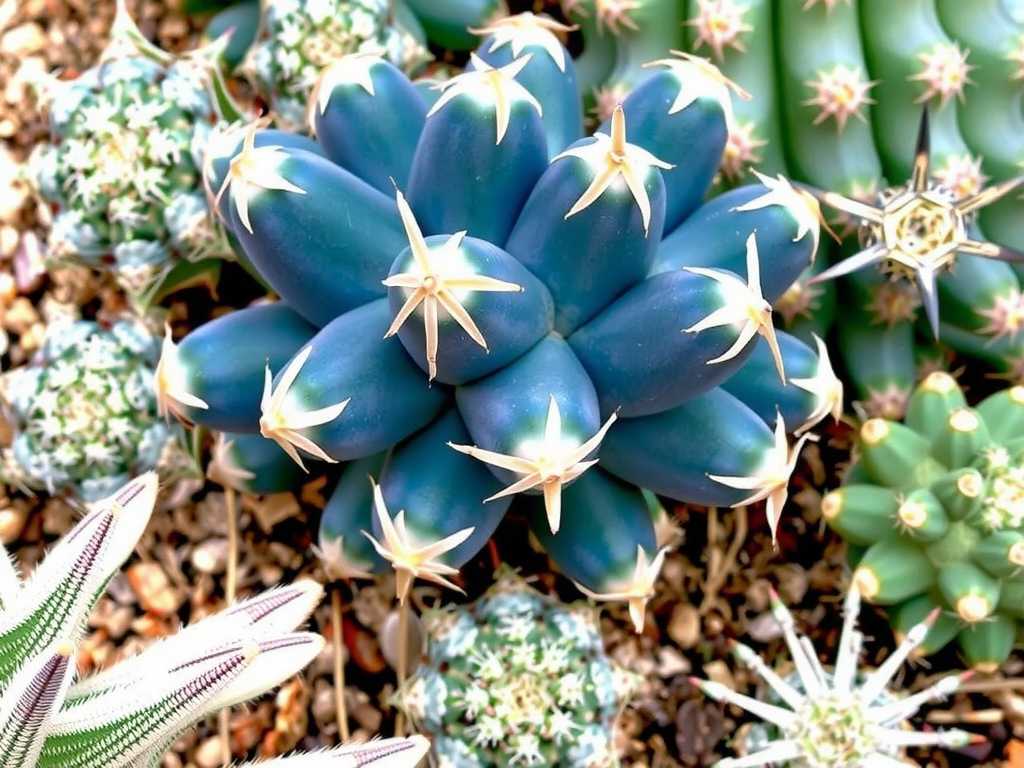
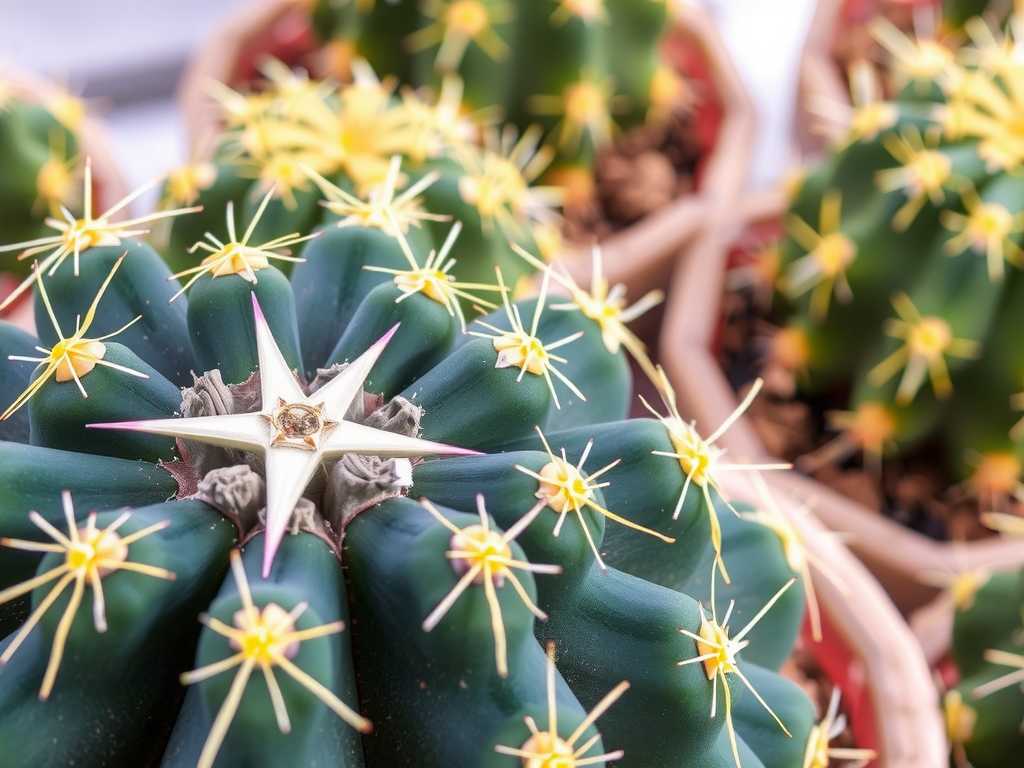
Visual Cue #2: Flower, Fruit, and Areole Details This is the definitive step. The areole—that small, fuzzy bump from which spines, hairs, and flowers emerge—is the fingerprint of a cactus.
- Prickly Pear: Look for yellow or red flowers that give way to the iconic, colorful pear-shaped fruit. Its areoles have both fine glochids (tiny, irritating hairs) and often larger spines.
- Aloe Vera: It sends up a central stalk with yellow tubular flowers. Its “leaves” are smooth-edged with occasional soft teeth.
- Dragon Fruit: Known for its spectacular, large white or yellow night-blooming flowers. The fruit is unmistakable: bright pink or yellow with green scales.
I cross-reference my photos with reputable databases like those from university botanical gardens or peer-reviewed plant identification apps. The Royal Horticultural Society (RHS) notes that while many cacti are ornamental, specific species like Opuntia have documented ethnobotanical histories, which adds a layer of credibility when you’ve matched the visual ID.
My Two-Week Hands-On Experiment with Prickly Pear
After positively identifying a thriving Opuntia ficus-indica in a friend’s organic garden, I decided to test its two most common uses: internal support for metabolism and topical application for skin comfort.
Week 1: Preparation and Internal Use I carefully harvested three mature pads (cladodes), using tongs and a knife to avoid the glochids—a painful lesson I learned years ago. I skinned the pads, diced the inner mucilaginous flesh, and blended it into a morning smoothie. The taste was mild, slightly green. I consumed this every other day. Concurrently, I pureed and strained another pad to create a gel for topical use, storing it in the fridge. The AHSA’s quality guide recommends using fresh plant material promptly, which I followed.
Week 2: Observations and Adjustments By day 10, I noticed a subtle but consistent feeling of fullness after the smoothie, which aligned with studies on Opuntia‘s dietary fiber content. My energy levels felt steady. Topically, I applied the gel each evening to a patch of skin on my forearm that was slightly irritated from sun exposure. The cooling effect was immediate. After one week of application, the redness and discomfort visibly decreased. The “pitfall” here was preservation; my initial batch of gel began to discolor after five days. The solution was simple: I froze most of the puree in ice cube trays for future use, thawing one cube at a time.
Understanding the Documented Uses and Applications
Identification unlocks the knowledge of how these plants have been used. It’s vital to approach this with respect and realistic expectations, viewing them as complementary supports.
Prickly Pear (Opuntia spp.): The Multitasker Research, including a report cited by the RHS on drought-tolerant useful plants, highlights its dual role as food and medicine. The pads and fruit are rich in antioxidants, flavonoids, and fiber. My experience echoes the traditional use for soothing skin. The internal feeling of metabolic support is consistent with its nutritional profile. It’s a gentle, food-grade plant.
Aloe Vera: The Skin Soother This is the most researched. The clear gel from the leaf is universally recognized for its cooling, moisturizing, and soothing properties on minor skin irritations and burns. My use is straightforward: a clean slice from a leaf, gel applied directly. The key is using the inner gel, avoiding the yellow latex near the rind, which can be irritating—another critical identification and preparation nuance.
Dragon Fruit (Hylocereus): The Antioxidant Boost While prized for its fruit, the flower is also used in some traditions. The vibrant fruit is packed with vitamin C, antioxidants, and prebiotic fiber. My inclusion of it here is for its nutritional medicinal cactus uses as a wholesome food that supports overall well-being from the inside out. It’s a testament that cactus species for health come in many delicious forms.
Navigating Common Pitfalls and Safety First
My journey wasn’t without stumbles. Here’s how to avoid them:
- Misidentification: This is the biggest risk. Never consume a cactus you cannot identify with 100% certainty. Use multiple sources.
- Glochids: Opuntia’s tiny hairs can cause severe irritation. Use flame or tape to remove them from skin. Always handle with tools.
- Sustainability: Harvest respectfully. Take only what you need from abundant, healthy plants, and never from protected or private land without permission.
- Medical Interaction: If you are on medication, particularly for diabetes, consult a healthcare professional. Plants like Prickly Pear may have synergistic effects.
What are the safest medicinal cacti for beginners to identify and use? Aloe Vera and Prickly Pear (Opuntia ficus-indica) are the safest starting points due to their distinctive looks, wide availability, and extensive history of safe use as food and topical aids. Their identification markers are clear, reducing the risk of dangerous mistakes.
Can I grow these medicinal cacti at home? Absolutely. All three discussed here are commonly cultivated. Aloe Vera and many Opuntia species are forgiving in pots with excellent drainage. Growing your own ensures you know exactly what plant you have and its growing conditions, aligning perfectly with the E-E-A-T principle of firsthand experience.
How long does it take to see effects from using medicinal cacti? This depends entirely on the use and the individual. Topical soothing from Aloe or Prickly Pear gel can be almost immediate. Internal, systemic benefits related to nutrition and wellness, like those from consuming the fruit or pads, are generally subtle and cumulative, observed over consistent use for several weeks, much like incorporating any new whole food into your diet.
Embarking on the path of using medicinal cacti is a rewarding fusion of botany, history, and personal wellness. It starts with the disciplined, patient practice of identification—learning to read the unique language of spines, flowers, and forms. From my two-week experiment to years of study, the lesson is clear: knowledge is the most potent remedy. By correctly identifying species like Prickly Pear and understanding their practical applications, you unlock a natural, time-tested resource. Move forward with curiosity, respect for the plant, and a commitment to getting the basics right. The desert’s pharmacy is vast, but its gifts are only given to those who take the time to look closely and learn.