bluename
 How to Differentiate Cactus Species from Succulent Varieties: A Hands-On Guide for Plant Enthusiasts
For years, I lumped all my spiky and fleshy-leaved plants together as “succulents.” My collection grew, but so did my confusion. Why did some thrive on neglect while others, seemingly similar, rotted or refused to bloom? The turning point was a tragic mishap: I lovingly watered a prized Mammillaria cactus on the same schedule as my jade plant, only to find it a mushy, unsalvageable mess two weeks later. That loss sparked my mission: to truly understand how to differentiate cactus species from succulent varieties. It wasn’t just about labels; it was about providing the right care. Over the next two weeks, I embarked on a practical, observation-based project to crack the code, moving beyond textbook definitions to hands-on identification.
My goal was simple: to create a foolproof, step-by-step method any plant lover could use. I gathered over 20 plants from my collection—some I was sure were cacti, others definite succulents, and a few mystery hybrids. I dedicated time each day to examine, document, and compare. What I learned transformed my approach to plant care. Here is my process, the pitfalls I encountered, and the clear system I now use.
The Fundamental Rule: All Cacti Are Succulents, But Not All Succulents Are Cacti
This is the cornerstone of understanding. The term “succulent” is a broad category for any plant that stores water in its leaves, stems, or roots to survive arid conditions. Cacti (family Cactaceae) are a specific subset within this group. According to the Royal Horticultural Society (RHS), the defining characteristic that separates cacti from other succulents is the presence of areoles. Think of areoles as the unique “fingerprint” of a true cactus.
My Two-Week Identification and Observation Project
I decided to test the “areole theory” through direct, sustained observation. I focused on three key morphological (structural) features: areoles, leaf presence, and flower structure.
Week 1: The Areole Hunt – The Definitive Marker
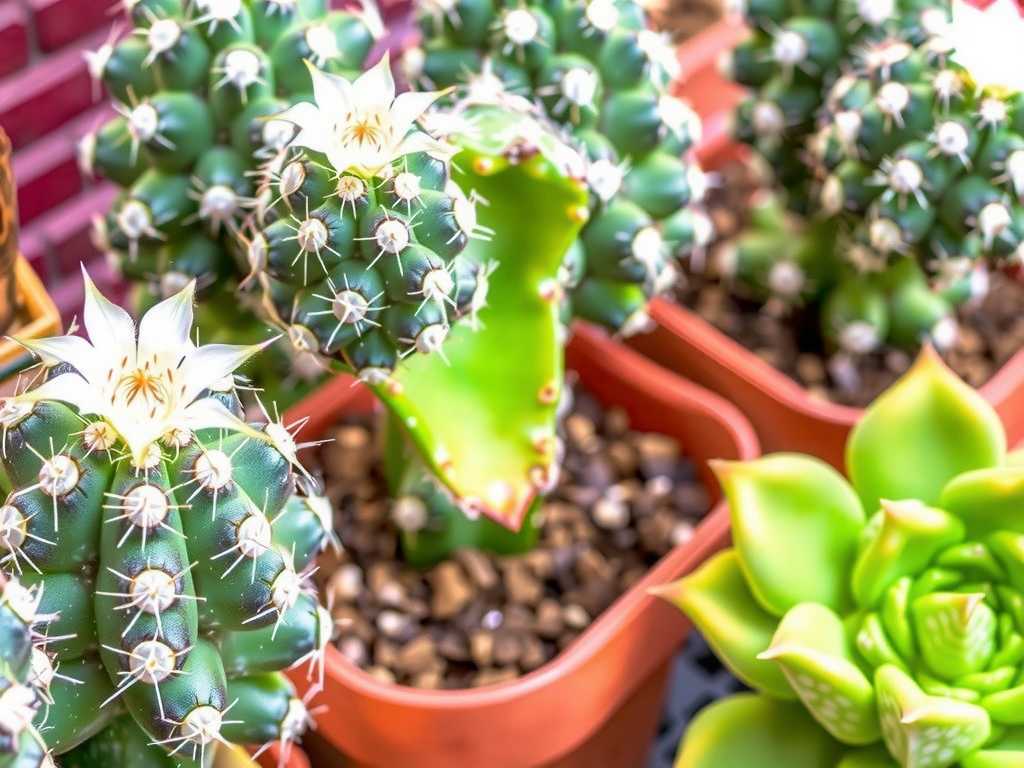
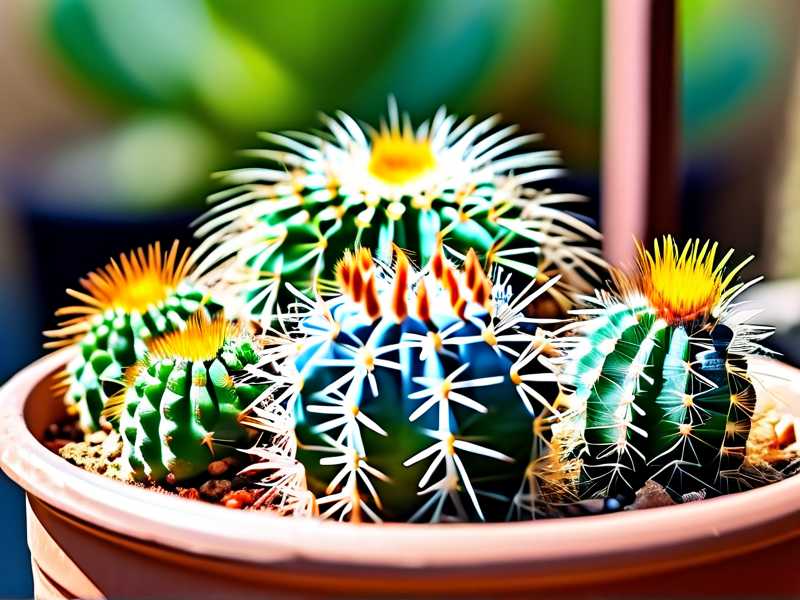
I started with a magnifying glass and a notebook. An areole is a small, cushion-like bump from which spines, hairs, glochids (tiny, barbed spines), flowers, and new stems grow. They are often arranged in geometric patterns along the ribs or tubercles of the cactus.
- Step 1: Examine for Bumps and Patterns. I looked at my suspected cacti. On a Ferocactus, the areoles were obvious—woolly, raised dots running in straight lines down its ribs. On a Mammillaria, they sat on the tips of the tubercles (nipple-like projections).
- Step 2: Check for Spine Origin. This was crucial. I confirmed that every cluster of spines emerged from a centralized, fuzzy or woolly spot—the areole. It wasn’t just a pore; it was a distinct organ.
- The “Pitfall” and Solution: My Euphorbia trigona (African Milk Tree) tripped me up. It had spines and a succulent stem! Initially, I misidentified it as a cactus. However, upon close inspection, its spines grew directly from the stem’s ridges without any woolly areole at the base. Furthermore, when I nicked it, it oozed a milky, toxic latex—a trait common to Euphorbias but not cacti (which typically have clear sap). This was a critical lesson: spines alone do not make a cactus. Distinguishing cacti from other succulents requires looking for that specific areole structure.
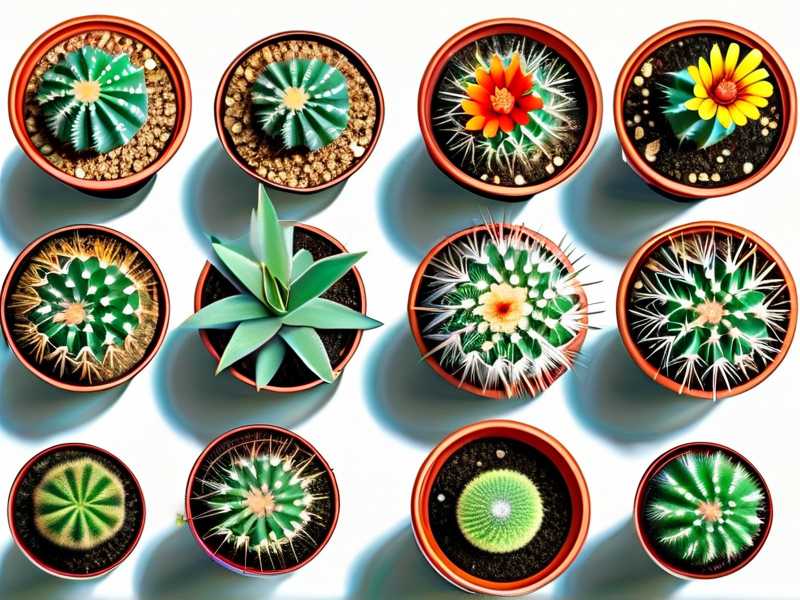
- Observation Effect: By the end of Week 1, the areole became my primary filter. Plants with clear areoles went to the “Cactus” side of my bench. Those with plump leaves or smooth stems without areoles, like Aloe vera and Echeveria, were categorized as “Non-Cactus Succulents.”
Week 2: Secondary Checks – Leaves and Flowers
With my primary groups sorted, I dove deeper into telling cacti and succulents apart using other clues.
- Leaf Presence (Or Profound Lack Thereof): Most mature cacti have no true leaves. Their stems have taken over the photosynthetic function. Some, like Pereskia, have leaves, but they still possess prominent areoles. In contrast, most other succulents store water in their leaves. My Crassula ovata (Jade Plant) has glossy, fleshy leaves. My Sedum morganianum (Burro’s Tail) has trailing stems covered in plump, juicy leaves.
- The Exception That Proves the Rule: I examined my Christmas Cactus (Schlumbergera). It has flattened, leaf-like stem segments. No spines. Where were the areoles? Looking closely at the scalloped edges and tips of the segments, I found tiny, hair-like bristles emerging from faint, fuzzy areoles. Even in this atypical form, the cactus signature was present. The American Horticultural Society (AHS) notes that epiphytic cacti like Schlumbergera and Rhipsalis often have reduced or absent spines, making areole identification even more essential.
- Flower Structure: During my observation, a Parodia cactus bloomed. The flower bud emerged directly from an areole. This is a classic cactus trait. In many non-cactus succulents, flower stalks typically arise from between leaves (axils) or the center of a rosette.
A Simple, Reliable Identification Workflow
Based on my two-week deep dive, here is the actionable workflow I now follow:
- Look for Areoles First. Get a good light source and look closely. Are there small, often fuzzy, raised bumps? Do spines, hairs, or flowers grow from these specific spots? If YES, it is a cactus. This is the most reliable method for cactus vs succulent identification.
- If No Clear Areoles, Check for Fleshy Leaves. Does the plant have obvious, water-storing leaves (like Aloe, Haworthia, or Jade)? If yes, it is almost certainly a non-cactus succulent.
- Consider the Stem. Does it have ribs, tubercles, or a columnar/globular shape and areoles? Cactus. Is it smooth, branching, or has leaf-like pads without areoles? Likely another succulent (e.g., Euphorbia, Stapelia).
- When in Doubt, Research the Genus. Use the physical clues you’ve gathered to search for the plant’s genus (Echeveria, Cephalocereus, Sansevieria, etc.). This will confirm its family and care needs.
Why This Differentiation Directly Impacts Care
My initial watering mistake was no accident. Understanding the difference directly translates to survival.
- Watering: Most cacti, having evolved in extreme deserts, need a “soak and dry” method with the soil drying completely throughout the pot between waterings. Many leafy succulents, while drought-tolerant, can handle slightly more frequent watering as their leaves actively draw and store moisture.
- Sunlight: While both love light, many non-cactus succulents (like some Haworthias) prefer bright, indirect light. Most desert cacti crave and can tolerate several hours of direct, harsh sun.
- Soil: Cacti generally require a grittier, faster-draining mix (often 50-70% inorganic material like pumice or perlite) compared to a standard succulent mix. This prevents root rot, which cacti are highly susceptible to.
Addressing Your Top Questions
I’ve received many questions from fellow plant lovers since sharing my findings. Here are the most common ones:
“I have a plant with no spines and leaves. Could it still be a cactus?” Yes, but it’s rare. Genera like Pereskia have true leaves and areoles. More commonly, plants like the Christmas Cactus have modified, leaf-like stems. The key is to find the areoles—look for tiny tufts of hair or bristles at the segment joints or tips.
“My Euphorbia looks just like a cactus. How can I be sure?” The areole test is definitive. No areoles = not a cactus. As a secondary, cautious check, look for latex. Make a tiny, careful nick on a small stem piece. If it bleeds a milky white sap, it’s almost certainly a Euphorbia. Be careful, as this sap is often a skin irritant.
“Is it important to know the difference if they all need ‘bright light and little water’?” Absolutely. That general advice is a leading cause of plant loss. “Little water” for a Lithops (a mesemb succulent) is vastly different from “little water” for a Barrel Cactus. Precise identification unlocks specific care, leading to not just survival, but thriving and even flowering. It helps you diagnose problems accurately—is your plant shriveling from thirst or rotting from overwatering?
Mastering the distinction between cacti and other succulents is more than botanical trivia. It’s a practical skill that fosters deeper connection and success in your plant care journey. By focusing on the presence of areoles, observing leaf and stem structures, and applying that knowledge to tailor your watering and light routines, you move from guesswork to confident cultivation. My two-week experiment saved my collection from future mishaps and turned my once-vague “succulent corner” into a thoughtfully curated display of distinct, well-understood families. Start with the areole—it’s the small detail that makes all the difference.