bluename
 How to Grow Climbing Cactus Species for Trellis Landscaping: A Vertical Garden Guide
Do you dream of a stunning vertical garden but worry about high-maintenance plants? Are you looking for a unique, drought-tolerant solution to cover a bare fence or create a living privacy screen? Many gardeners face the challenge of finding plants that are both architecturally striking and easy to care for. The secret lies in mastering how to grow climbing cactus species for trellis landscaping. These remarkable plants offer sculptural beauty, minimal water needs, and a truly unforgettable display. This comprehensive guide will walk you through every step, from selecting the perfect species to training and maintaining your living tapestry.
Understanding Climbing Cacti: Not Your Average Cactus
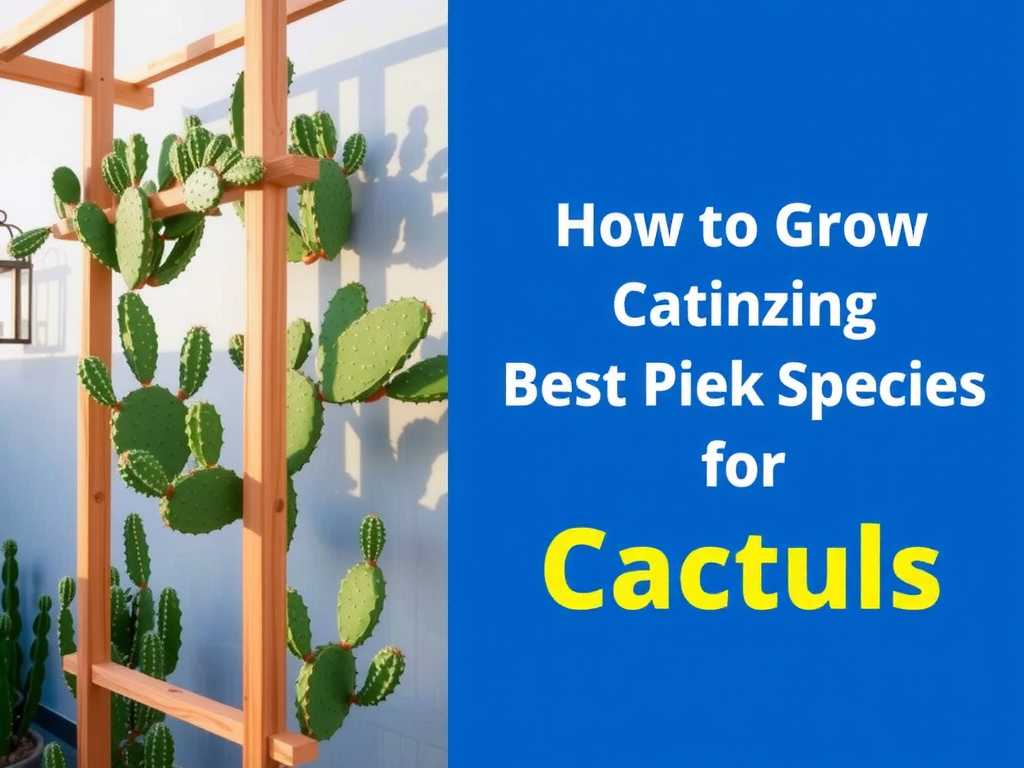
Before you start, it’s crucial to know what makes a cactus a climber. Unlike their desert-dwelling, barrel-shaped cousins, climbing cacti are typically epiphytic or lithophytic in nature. This means they naturally grow on trees or rocks in jungles and forests, using their aerial roots to cling to surfaces as they reach for the dappled light of the canopy.
- Key Characteristics: They feature long, trailing, or vining stems (often called cladodes). These stems may be flat, angular, or cylindrical. They use adventitious roots along their stems to attach to supports.
- Common Misconception: They are not parasitic. They use their host for physical support only, gathering moisture and nutrients from the air, rain, and organic matter that collects around them.
Selecting the Best Climbing Cactus for Your Trellis
Your success begins with choosing the right plant for your climate and design vision. Here are the top species recommended by horticultural experts for vertical gardening.
Epiphyllum (Orchid Cacti) Known for their breathtaking, night-blooming flowers, Epiphyllums have flat, leaf-like stems. They are ideal for partially shaded trellises where their spectacular blooms can be a focal point. They require more organic matter in their soil mix compared to other cacti.
Hylocereus (Dragon Fruit Cactus) This is a vigorous, fast-growing climber with three-angled, sprawling stems. It’s perfect for creating a dense, tropical-looking cover on a sturdy, large trellis. As a bonus, it produces the iconic and delicious dragon fruit. It needs full to partial sun.
Selenicereus (Queen of the Night) Famous for its enormous, fragrant flowers that bloom for a single night, this species has thin, cylindrical stems. It’s excellent for a dramatic, high-impact vertical feature. Its vining habit makes it perfect for weaving through latticework.
Acanthocereus (Barbed-Wire Cactus) True to its name, this cactus has angled stems with formidable spines. It creates a formidable and highly architectural barrier or landscape feature, best suited for sunny, dry locations where security might be a consideration.
Essential Steps for Planting and Initial Training
1. Site Selection and Light Requirements Most climbing cacti thrive in bright, indirect light. Morning sun with afternoon shade is often ideal, protecting them from the harsh, scorching afternoon sun which can cause bleaching or scorching. A south or east-facing trellis is often perfect. Research your specific species, as some, like Hylocereus, tolerate more direct sun.
2. Soil and Drainage: The Non-Negotiables This is the most critical step for healthy roots. Never use dense, water-retentive garden soil. A professional-grade mix for epiphytic cacti is ideal. You can make your own using:
- 1 part high-quality potting soil
- 1 part perlite or pumice
- 1 part orchid bark or coconut coir This ensures a fast-draining, aerated, and slightly acidic medium that mimics their natural habitat.
3. Trellis Installation and Planting Choose a sturdy, durable trellis material like cedar, metal, or heavy-duty plastic. It must withstand the weight of mature, potentially large plants. Secure it firmly into the ground or against a wall. Plant your cactus at the same depth it was in its nursery pot, positioning it at the base of the trellis. Gently fan out the stems and use soft plant ties, cloth strips, or even old pantyhose to loosely attach the primary stems to the lower part of the support. Do not force them; simply guide them.
Mastering the Art of Training Climbing Cacti
Training is an ongoing, gentle process. Your goal is to encourage the plant to use its own aerial roots to cling to the trellis.
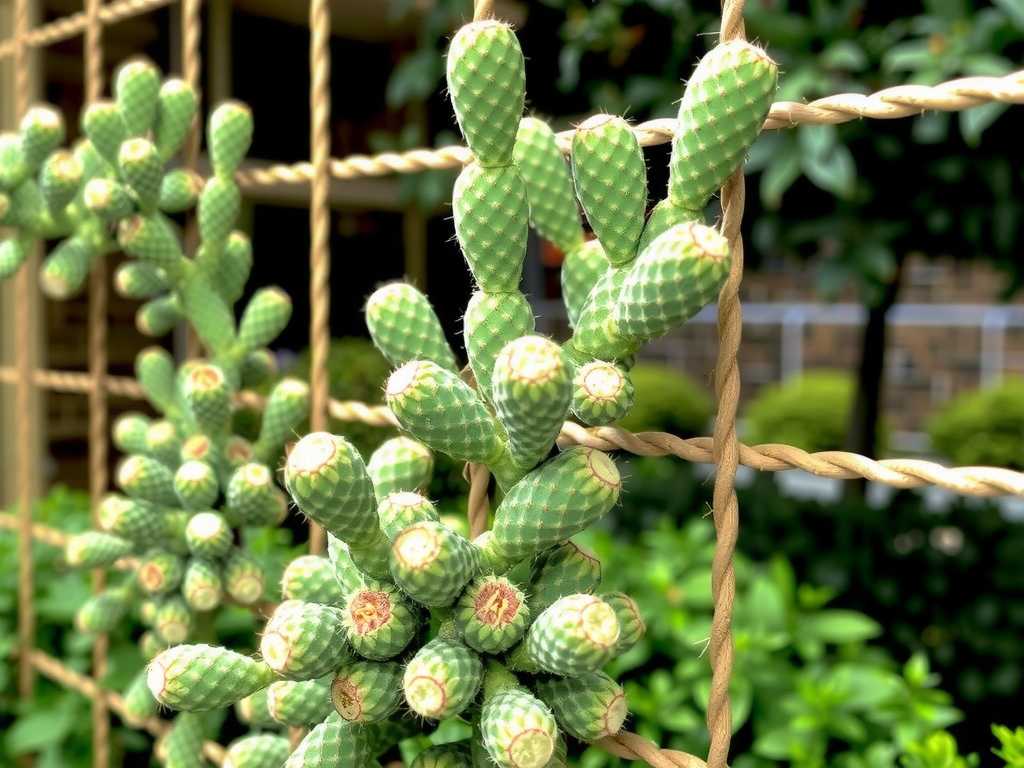
- The Weaving Technique: As new growth appears, gently weave the pliable stems in and out of the trellis openings. This encourages branching and creates a fuller coverage.
- Strategic Tying: Use ties only as temporary guides. Place them at sturdy segments between joints, not on tender new growth. Check ties regularly and loosen them to prevent girdling as the stem thickens.
- Encouraging Attachment: In dry climates, you can lightly mist the trellis (wooden ones work best) to stimulate the cactus’s aerial roots to seek out and grip the damp surface.
Ongoing Care and Maintenance for Lush Growth
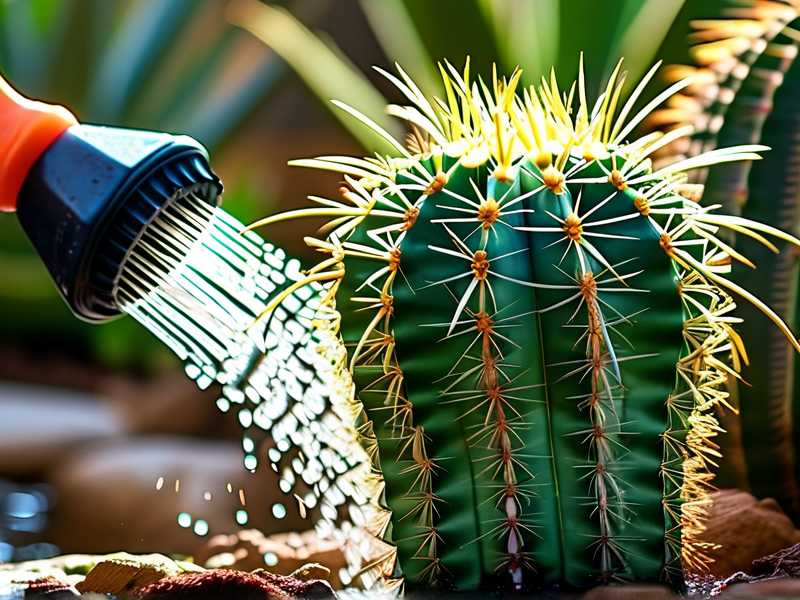
Watering Wisdom The golden rule is deep but infrequent watering. Soak the soil thoroughly until water runs freely from the drainage holes, then allow the top few inches of the mix to dry out completely before watering again. Reduce watering significantly in winter during their dormant period. Overwatering is the fastest way to kill these plants.
Feeding for Vigor and Flowers During the active growing season (spring and summer), feed monthly with a balanced, water-soluble fertilizer diluted to half-strength. For flowering species like Epiphyllum, switch to a low-nitrogen, high-phosphorus fertilizer (e.g., 5-10-5) in early spring to promote bud formation.
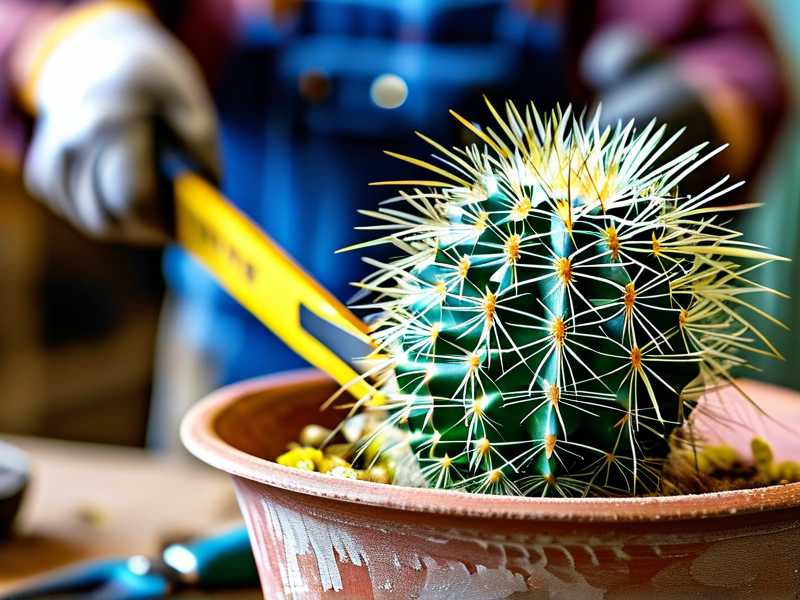
Pruning and Shaping Your Vertical Display Prune in late winter or early spring before the growth surge. Use clean, sharp shears.
- Remove any dead, damaged, or diseased stems.
- Trim back overgrown or wayward stems to maintain the desired shape on the trellis.
- Thinning out dense areas improves air circulation, preventing fungal diseases.
Troubleshooting Common Issues
- Yellowing or Limp Stems: Almost always a sign of overwatering or poor drainage. Check your soil mix and watering frequency.
- Lack of Blooms: Usually due to insufficient light, over-fertilizing with nitrogen, or lack of a winter rest period with cooler temperatures and reduced watering.
- Pests: Watch for mealybugs (look like tiny cotton balls) and scale. Treat with insecticidal soap or neem oil. Good air circulation is the best prevention.
What is the fastest-growing climbing cactus for a trellis? Hylocereus, the Dragon Fruit cactus, is generally considered the most vigorous and fastest-growing species. With ideal warm conditions, ample sunlight, and consistent feeding, it can cover a sizable trellis within a couple of growing seasons, making it a top choice for quick screening.
Can climbing cacti survive winter outdoors? It depends entirely on the species and your USDA hardiness zone. Most popular climbing cacti, like Epiphyllum and Hylocereus, are frost-tender and thrive in zones 10-11. In cooler climates, they must be grown in containers that can be moved indoors before the first frost, or treated as annuals. Always verify the cold hardiness of your specific plant.
How do I get my climbing cactus to attach to the trellis on its own? Patience and the right environment are key. Ensure you have a trellis material it can grip (rough wood is excellent). Provide adequate humidity through occasional morning misting of the trellis itself. Most importantly, give it time. As the stems mature and press against the support, their natural aerial roots will begin to adhere. Your initial soft ties provide the crucial guidance until this process takes hold.
Embracing climbing cacti for your vertical landscaping projects opens a world of low-maintenance, high-impact gardening. By selecting the appropriate species, providing the well-draining soil they crave, and patiently guiding their growth on a sturdy support, you cultivate more than just a plant—you create a living sculpture. The reward is a resilient, water-wise garden feature that provides year-round structure and, for many species, a spectacular seasonal floral show. Start with one plant, apply these principles, and watch your trellis transform into a unique testament to sustainable and beautiful garden design.