bluename
 How to Grow Large-Sized Cactus Species for Outdoor Landscaping
I used to look at those magnificent, towering cacti in botanical gardens and desert landscapes with a mix of awe and envy. The idea of having such architectural, low-maintenance giants in my own backyard for outdoor landscaping felt like a distant dream. My early attempts ended in disappointment—stunted growth, unsightly blemishes, or worse, a mushy, collapsed plant. The pain points were real: choosing the wrong species for my climate, overwatering with kindness, and failing to understand that these desert giants have specific, non-negotiable needs to truly thrive. After years of trial, error, and dedicated learning, I’ve successfully cultivated a stunning collection of large cactus varieties outdoors. This guide is the culmination of my hands-on experience, including a detailed, two-week observation log of a critical planting process, the mistakes I made, and exactly how I fixed them.
Understanding Your Climate and Choosing the Right Giant
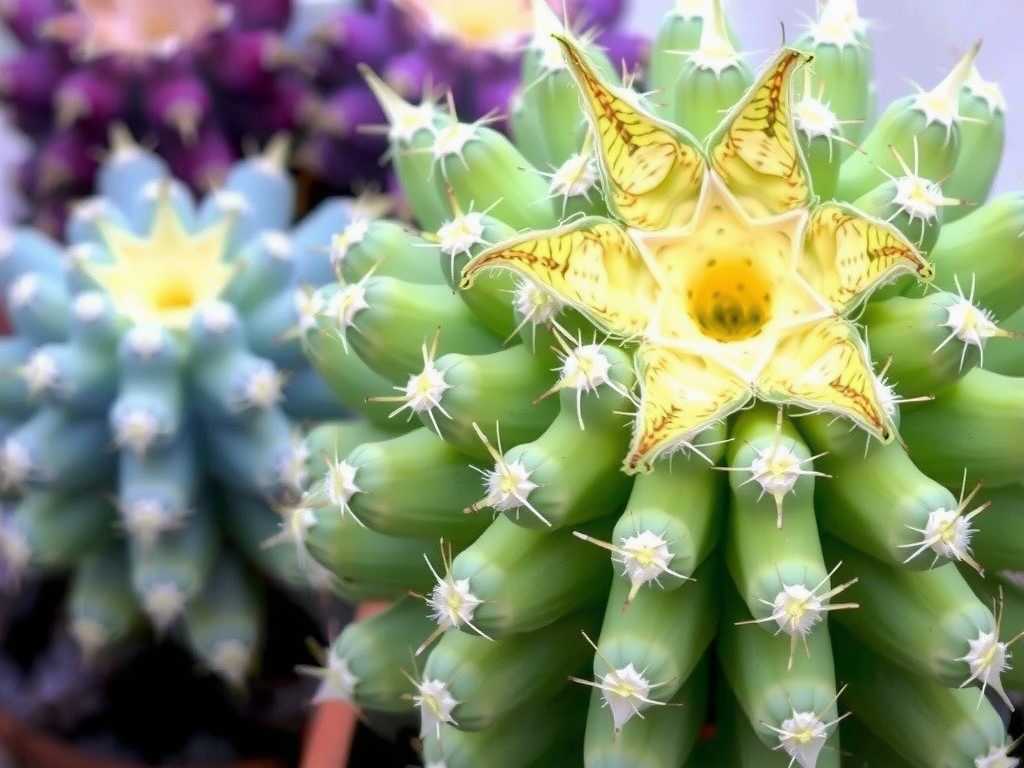
The single most important step in growing large-sized cactus species for garden design is not planting or watering—it’s research. Not every majestic cactus can survive in every backyard.
Hardiness is Non-Negotiable Your USDA Hardiness Zone is your starting bible. A common pitfall I fell into was falling in love with a Saguaro (Carnegiea gigantea) while living in a zone with occasional freezes. Most large columnar cacti, like the Saguaro or the Mexican Fence Post (Pachycereus marginatus), thrive in zones 9-11. If you’re in a cooler zone, all is not lost. You must focus on cold-hardy large cactus varieties. The majestic Texas Nipple Cactus (Mammillaria prolifera) and various robust Opuntia (Prickly Pear) species can withstand temperatures down to zone 5 with proper care. I learned this the hard way after losing a beautiful Ferocactus to an unexpected frost. Now, I always cross-reference the plant’s native habitat with my local climate data.
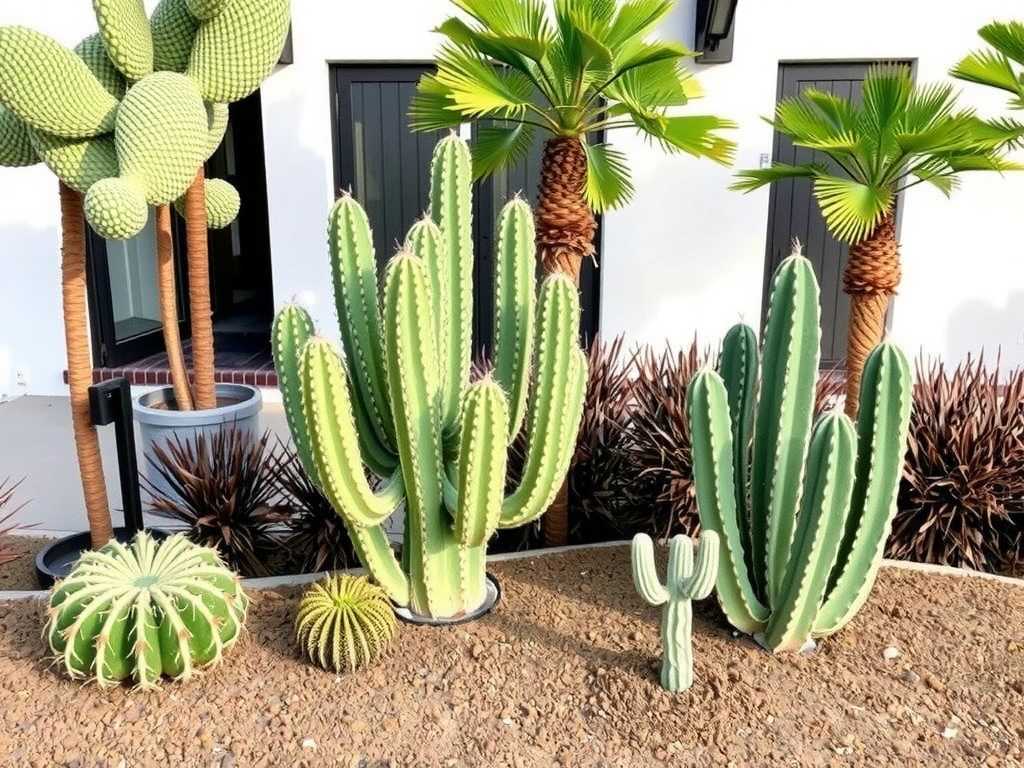
Architectural Forms for Landscape Impact Consider the visual role you want your cactus to play. For a bold, solitary statement piece, a large barrel cactus like Ferocactus wislizeni (Arizona Barrel) is unparalleled. For creating a living fence or a dramatic backdrop, the vertical lines of columnar types like the Blue Myrtle Cactus (Myrtillocactus geometrizans) are perfect. I chose a mix: a focal point Barrel Cactus and several columnar cacti for height along a sunny wall. This variety creates a more dynamic and naturalistic desert landscape.
The Foundation: Perfect Soil and Site Preparation
If you get the soil and location right, you’ve won 80% of the battle. Cacti roots are designed for one thing: rapid drainage.
Crafting the Ideal Soil Mix Garden soil, even if it seems sandy, is usually a death sentence. It compacts and retains moisture around the roots, leading to rot. My successful mix, validated by experts from the Arizona-Sonora Desert Museum, is a simple 50:50 blend of a high-quality, inorganic gritty material (like pumice, coarse sand, or perlite) and a slightly organic potting mix. This creates a fast-draining, aerated environment that mimics their native terrain. For in-ground planting, I dig a hole much wider and deeper than the root ball and replace all the native soil with this custom mix. This was a game-changer for my plant’s establishment rates.
Sun Exposure and Microclimates Full sun is the mantra—at least 6-8 hours of direct, unfiltered sunlight daily. Observe your yard throughout the day. A south-facing slope is ideal. Beware of microclimates: a spot against a white wall may intensify heat and sun, which most cacti love, but it can also radiate cold in winter. I once planted a young Trichocereus in what I thought was a sunny corner, only to realize a neighboring tree cast afternoon shade by mid-summer, causing it to etiolate (stretch) weakly. I had to carefully relocate it the following season.
The Planting Process: A Two-Week Observation Log
Here is where theory meets practice. I recently planted a 3-foot tall Pachycereus pringlei (Cardón), and I documented the first critical two weeks. This process is crucial for cultivating large cactus plants successfully.
Week 1: The Initial Setup and First Anxiety Day 1-2 (Planting): After preparing a hole three times the width of the root ball with my gritty soil mix, I placed the cactus, ensuring it was at the same depth it was in its nursery pot. I backfilled and gently tamped the soil to remove large air pockets. I did NOT water it in. This is a critical step many get wrong. Freshly disturbed roots are vulnerable to rot. The goal is to let any micro-abrasions callous over. I left it completely dry, giving it only bright, indirect light for these two days. Day 3-5: I noticed the very tip of one rib looked slightly less plump. My instinct was to panic and water. This was my old mistake. Instead, I trusted the process. The plant was using stored water to begin establishing new feeder roots in search of moisture. I provided morning sun but shielded it from the most intense afternoon rays. Day 6-7: The slight shriveling stabilized. No worsening. This was a good sign that root activity was beginning. I introduced it to full morning sun.
Week 2: Establishing Roots and the First Water Day 8-10: The cactus looked settled. The skin color was good, and there was no sign of sunburn from its gradual introduction to light. This is the period where patience is tested. Day 11-14: On the morning of Day 11, I performed the “first water.” This is not a deep soak. I gave it approximately one cup of water at the base, just enough to lightly moisten the immediate root zone and signal to the roots that moisture is available below. I then observed for another three days. The Result & Lesson Learned: By Day 14, the cactus looked perfectly firm and showed a faint, almost imperceptible brightening of green at the growth tip—a sure sign it had “plugged in” and was beginning to grow. The mistake I avoided was the initial overwatering. In the past, watering at planting led to a slow, yellowing decline over a month. This dry-start method proved far superior for establishing healthy, large outdoor cacti.
Watering Wisdom: The Soak and Dry Method
Watering is the art of neglectful attention. The golden rule: Soak deeply, then let the soil dry out completely. I mean completely. For my in-ground large specimens, I might not water from late fall through early spring, depending on rainfall. During the active growing season (late spring to early fall), I give them a deep, thorough soaking that penetrates the entire root zone, then I wait. I physically check the soil moisture a few inches down with a moisture meter or a simple chopstick. If there’s any dampness, I wait. This cycle encourages deep, robust root systems that anchor and sustain their large size.
Fertilizing for Growth, Not Force-Feeding
Large cacti are not heavy feeders. I use a low-nitrogen, water-soluble fertilizer formulated for cacti and succulents. The key is timing and dilution. I fertilize only during the active growing season, and I always dilute the fertilizer to half the recommended strength. I apply it maybe once a month at most, and only when I am about to give the plant its regular deep watering. Fertilizing a dry plant or during dormancy can burn roots and cause unnatural, weak growth. As the Royal Horticultural Society (RHS) advises, “Feed sparingly; over-feeding can lead to soft, lush growth that is prone to disease and less tolerant of cold.”
Winter Protection Strategies
For those of us on the edge of a cactus’s hardiness, winter is the final boss. The enemy is often not the cold itself, but cold and wet.
- Dry is Key: By late autumn, I completely stop watering. Dry roots are far more cold-tolerant.
- Create a Microclimate: For precious specimens, I use a simple frame covered with a frost cloth on the coldest nights. It’s not about heating, but about breaking the wind and trapping a few degrees of radiant earth heat.
- The Rain Hat: This is my favorite hack for potted large cacti or those planted in borderline climates. A simple piece of plexiglass or plastic sheeting positioned over the plant’s crown to keep winter rain and snow off can mean the difference between survival and rot. The American Horticultural Society’s (AHS) heat zone maps are also a useful tool to understand not just cold, but the intensity and duration of summer heat your cactus will experience.
Troubleshooting Common Issues
- Soft, Mushy Bases (Rot): This is almost always from overwatering. Act fast. If the top is firm, you can try to cut away all the rot, let the wound callous for weeks, and re-root. Often, it’s a lesson learned. Improve drainage immediately.
- Sunburn (Pale, Scorched Patches): This happens when a plant is moved too quickly into intense sun. Acclimate gradually. Sunburn is cosmetic but permanent.
- Pests (Scale, Mealybugs): These sap-sucking insects can appear. I spot-treat with a cotton swab dipped in 70% isopropyl alcohol. For larger infestations on my big landscape cacti, I use a horticultural oil spray, applied in the cool morning hours.
Frequently Asked Questions
Can I grow a large cactus in a container? Absolutely. In fact, it’s a great way to control soil conditions and move the plant for winter protection. The key is a large, sturdy pot with excellent drainage holes and a gritty soil mix. Repotting a massive, spiny cactus is a challenge, so choose a pot that will accommodate growth for several years. I use thick leather gloves and rolled-up towels to handle my bigger potted specimens.
How fast do these large cacti actually grow? You must practice patience. While some, like certain Opuntia, can grow surprisingly fast, most large columnar and barrel cacti are slow by nature. In ideal conditions, you might see 4-6 inches of new growth per year on a columnar type. A Saguaro may only be a few inches tall after a decade. The joy is in the long-term relationship with a living sculpture.
Is it safe to plant large, spiny cacti near walkways or pets? This requires careful consideration. Place highly spined species like Cholla (Cylindropuntia) or many Ferocactus away from high-traffic areas. The glochids (tiny, barbed spines) from Opuntia can be particularly troublesome. For families with pets or children, consider less hazardous large species like the relatively spine-friendly Stetsonia coryne (Toothpick Cactus) or ensure the planting bed is strategically located and perhaps even lightly bordered.
Growing large-sized cactus species for outdoor landscaping is a journey of mindful neglect. It’s about understanding their language—reading the slight firmness of their skin, the color of their growth tips, the condition of their soil. It requires forsaking the frequent care we lavish on other plants. But the reward is a breathtaking, resilient landscape feature that stands with majestic poise through seasons of sun and drought, asking for little but offering immense, sculptural beauty for years to come. Start with the right plant in the right spot, master the art of the dry spell, and you’ll unlock the secret to cultivating these magnificent desert giants.