bluename
 How to Select Cactus Species for Coastal Climate Gardens
You've dreamed of a stunning, low-maintenance cactus garden, but your coastal location feels like a dealbreaker. The salty air, high humidity, and sandy, often nutrient-poor soil seem to spell disaster for these iconic desert plants. It's a common and frustrating pain point for seaside gardeners. The good news? Success is entirely possible. The secret lies not in fighting your environment, but in selecting cactus species for coastal climate gardens with the right innate adaptations. This guide will transform your approach, helping you choose resilient cacti that will not just survive, but thrive by the sea.
Understanding the Coastal Challenge
Before choosing your plants, it's crucial to understand what makes coastal gardening unique. It's more than just a beautiful view; it's a specific set of environmental conditions.
Salt Spray and Soil Salinity Salt is the primary adversary. Carried by wind, it can coat plants, desiccate tissues, and burn pads or stems. Salt can also accumulate in the soil, hindering a plant's ability to absorb water and nutrients, a condition known as physiological drought. Not all cacti have mechanisms to cope with this.
High Humidity and Moisture Coastal areas often experience high humidity and frequent fog. While cacti are drought-tolerant, many desert species are prone to rot and fungal diseases in consistently moist air, especially if combined with poor drainage or cool temperatures.
Sandy, Fast-Draining Soil Typically, coastal soil is sandy and quick to drain. For many cacti, this is actually a benefit, preventing dreaded "wet feet." However, it also means the soil holds few nutrients and can dry out extremely quickly in sun and wind, demanding careful selection of species that can handle these conditions.
Wind Exposure Constant or strong winds can physically damage cacti, cause soil erosion around their roots, and accelerate moisture loss (transpiration). Selecting wind-resistant, compact, or low-growing forms is often a smart strategy.
Essential Traits of Coast-Adapted Cacti
When choosing cacti for seaside gardens, look for species that naturally exhibit the following characteristics:
- Salt Tolerance: Some cacti have waxy, thick cuticles or dense spines that help deflect and resist salt spray.
- Robust Root Systems: Species that form wide, fibrous root systems are better at stabilizing in sandy soil and accessing moisture from a broader area.
- Disease Resistance: Look for cacti known for their vigor and resistance to fungal issues like root and stem rot.
- Structural Integrity: Low-growing, columnar, or clustering forms generally withstand wind better than tall, top-heavy, or slender-stemmed varieties.
Top Cactus Species for Your Coastal Garden
Here are exceptional cactus species and groups renowned for their ability to flourish in coastal conditions. These selections are backed by horticultural expertise and observations from botanical gardens in coastal zones.
The Opuntia (Prickly Pear) Family: The Coastal Champions Without a doubt, Opuntias are among the best cacti for coastal landscapes. Their adaptations are nearly perfect for the seaside. Many species have a natural glaucous (powdery) bloom on their pads that helps protect against salt and sun. Their tough skin and ability to root easily from pads make them resilient. Specifically, Opuntia ficus-indica (Indian Fig) and Opuntia engelmannii are celebrated for their salt tolerance. As noted by coastal landscape specialists, established Opuntia hedges are common sights in seaside communities, serving as effective windbreaks and erosion controls.
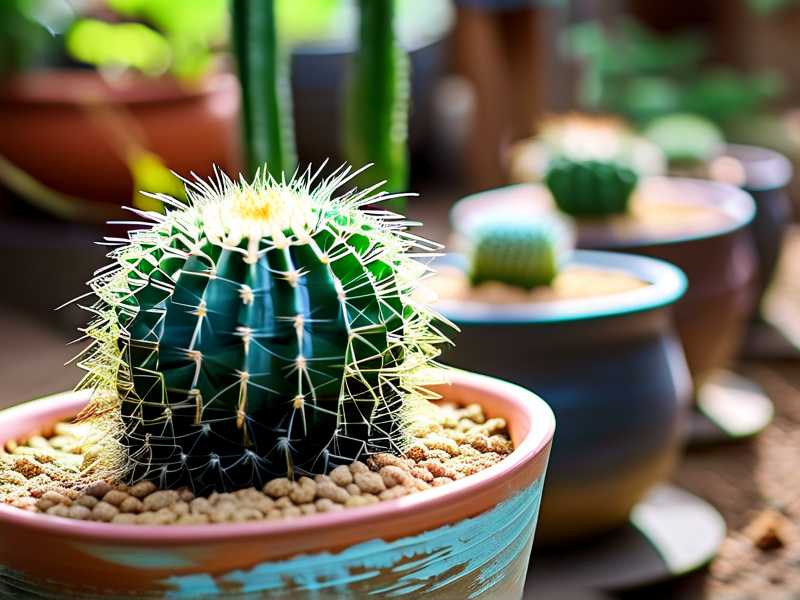
Columnar Cacti with Maritime Resilience Certain columnar cacti possess surprising hardiness. The Cereus hildmannianus (Queen of the Night) and its relatives often perform well, developing woody stems that brace against wind. The Echinocactus grusonii (Golden Barrel Cactus) is another excellent choice. Its spherical, ribbed shape minimizes wind impact, and its substantial size helps it anchor in sandy soils. It's crucial, however, to ensure perfect drainage at its base to prevent winter rot.
Low-Growing and Clustering Varieties For ground cover or container gardening, consider low-spreading species. Many in the Mammillaria genus, like Mammillaria gracilis, form dense clusters that hug the ground, protecting them from wind and creating their own microclimate. Echinocereus species, such as the clumping Echinocereus triglochidiatus (Claret Cup), are also worth exploring for their hardiness and spectacular blooms.
Practical Steps to Selection and Planting
- Assess Your Microclimate: Is your garden fully exposed to ocean spray, or slightly sheltered? Note the sun exposure (full, 6+ hours is ideal for most) and soil type.
- Source Plants Responsibly: Always purchase from reputable nurseries. As emphasized by organizations like the Cactus and Succulent Society of America, this ensures plant health and ethical propagation, protecting wild populations.
- Prioritize Drainage: Amend sandy soil with a small amount of coarse gravel or pumice to improve structure, but avoid rich composts or water-retentive materials. For pots, use a gritty, cactus-specific mix.
- Plant Strategically: Plant on a slight mound or slope to encourage water runoff. Position salt-tolerant Opuntias as a first line of defense for more sensitive specimens behind them.
- Water Wisely: Water deeply but infrequently to encourage strong root growth. Allow the soil to dry completely between waterings. Reduce watering significantly in cool, humid, or rainy seasons.
- Provide Wind Protection Initially: Use temporary burlap screens or plant behind existing hardy shrubs to protect young cacti until established.
Ongoing Care and Maintenance
Your work isn't done after planting. Rinse your cacti gently with fresh water during dry periods to wash off salt accumulation on their surfaces. Monitor for pests like scale, which can be more prevalent in coastal gardens. Fertilize sparingly, if at all, with a low-nitrogen, balanced formula during the active growing season. Most importantly, practice restraint—coastal-adapted cacti thrive on neglect more than intervention.
Can I grow Saguaro (Carnegiea gigantea) cacti at the coast? It is not recommended. Saguaros are iconic desert giants with specific requirements for dry, hot, low-humidity environments and deep, well-drained soils. They are highly susceptible to rot in humid coastal climates and generally cannot tolerate salt spray or the cooler, damper conditions.
What is the single most important factor for success with coastal cacti? Beyond species selection, it is drainage. Ensuring that water never pools around the stem or root crown is critical. In coastal areas where rain can be combined with cool weather, poor drainage is the fastest way to lose a cactus to rot.
Are there any native coastal cacti I should look for? Absolutely. Research cacti native to the coastal regions of Baja California, Chile, or the Mediterranean. Species like various Maihueniopsis or certain coastal Eriosyce have evolved in fog-dependent, maritime environments and are inherently adapted. Sourcing these from specialty nurseries can be a fantastic strategy.
Creating a vibrant cactus garden by the coast is a rewarding endeavor that defies conventional gardening wisdom. By focusing on the principle of right plant, right place—specifically selecting cactus species for coastal climate gardens that possess natural salt and humidity tolerance—you turn perceived limitations into advantages. Start with the resilient Opuntias, consider sturdy columnar or clustering forms, and always prioritize impeccable drainage. With thoughtful selection and minimal care, your coastal cactus garden will become a unique, thriving, and conversation-starting landscape that celebrates the rugged beauty of both the sea and the desert.