bluename
 How to Water Pet-Safe Opuntia Cactus Around Curious Cats and Dogs
You’ve made the wonderful choice of bringing an Opuntia cactus into your home. Known for being pet-safe and non-toxic, varieties like the Bunny Ears Cactus offer unique beauty without the high risk to your furry companions. However, a common dilemma arises: how do you properly water this desert plant in a home shared with curious cats and dogs? The challenge isn’t just about keeping the cactus alive; it’s about doing so without creating muddy messes, tempting water bowls for pets, or conditions that could harm either your plant or your animals. This guide is designed to navigate that exact problem, providing a safe and effective watering strategy for your household.
Understanding the unique needs of your Opuntia is the first step to creating a harmonious environment. While it’s a relief that the plant itself isn’t poisonous, the real-world interaction between pets, water, and soil requires careful planning.
Understanding Your Opuntia’s Thirst Cues
Opuntia cacti are masters of water storage. Their pads are designed to hold moisture for extended periods, making them highly susceptible to overwatering. The classic advice of “when in doubt, don’t water” is crucial here. For pet owners, this is doubly important, as soggy soil can attract digging dogs or curious cats, creating a dirty hazard.
The most reliable method is the “soil dryness test.” Forget the calendar. Instead, insert a wooden chopstick or your finger about two inches into the soil. If it comes out completely dry, it’s time to water. If there’s any moisture or soil sticking to it, wait. During the dormant winter months, your Opuntia may only need watering once a month or even less, depending on your home’s humidity and temperature.
Creating a Pet-Safe Watering Zone and Routine
Your watering technique can significantly reduce risks to your pets and your plant. A haphazard approach can lead to spills and accessible puddles.
Choose the Right Time and PlaceAlways water your cactus in its designated spot. Avoid moving it to a sink if that spot is on a high shelf inaccessible to pets. The goal is to contain any runoff immediately. Watering in the morning is ideal, allowing excess moisture to evaporate during the day, leaving the soil surface less appealing to pets by evening.
The Soak and Dry Method: A Pet-Friendly TechniqueThis is the gold standard for cactus care and is inherently safer for homes with animals. Take the plant to a sink, bathtub, or a large, shallow tray outdoors. Water the soil thoroughly until you see water freely draining from the bottom of the pot. This ensures the entire root ball is hydrated. Let it drain completely in this isolated location for 30-60 minutes. As noted by horticulturist Dr. Linda S. Smith in The Journal of Arid Land Plants, “Deep, infrequent watering that promotes deep root growth is far superior to frequent, shallow watering, which encourages weak roots and surface moisture that attracts pests.” Once all dripping has stopped, you can return the cactus to its display spot. This method prevents leaving a saucer full of water within your dog’s or cat’s reach.
Securing the Plant’s Environment Post-WateringAfter watering, the setup matters. Never let your cactus pot sit in a saucer of standing water. This is a breeding ground for gnats (which can annoy pets) and root rot. If you use a decorative cache pot without drainage, remove the inner nursery pot for watering, let it drain, and then place it back inside. For added security, consider placing lightweight gravel or large stones on top of the soil. This acts as a mulch to slow evaporation and, more importantly, deters pets who might be tempted to dig in the freshly damp soil.
Mitigating Risks from Curious Cats and Dogs
Even with a perfect watering routine, pets can be unpredictable. Proactive measures are your best defense.
Physical Deterrents and PlacementElevation is your friend. A high shelf, a sturdy plant stand, or a hanging planter can keep the cactus out of reach. For free-roaming floor plants, a small decorative pet gate around a plant grouping can create a visual and physical barrier. Citrus peels or sprays with citrus scents (cats typically dislike them) around the base can be a mild deterrent, but ensure the scent is not directly on the plant.
Training and DistractionPositive reinforcement is key. When your pet ignores the plant area, offer a treat and praise. Provide more appealing alternatives, such as a dedicated cat grass planter for your feline or a durable chew toy for your dog, placed away from the cactus. Consistency helps them learn that their toys are more rewarding than the prickly plant.
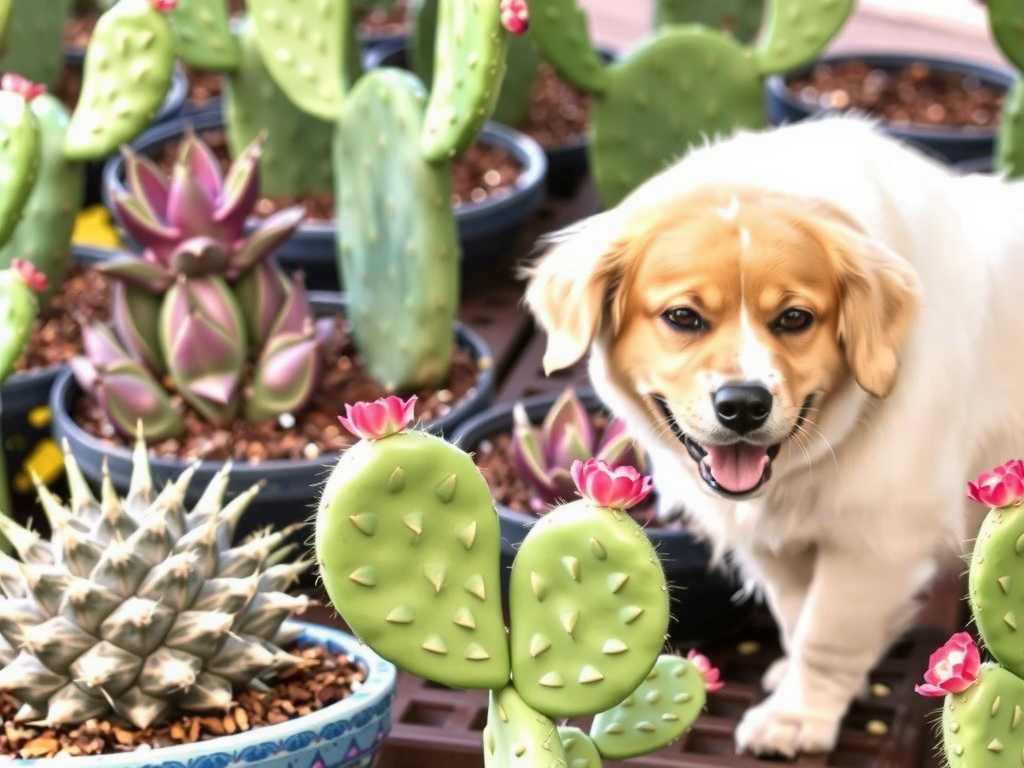
What to Do in Case of Pet-Plant InteractionDespite your best efforts, a curious paw might make contact. Remember, while non-toxic, Opuntia have glochids—tiny, hair-like spines that can detach and cause skin irritation. If your pet investigates the cactus, check their paws, nose, or mouth gently. Use tweezers and adhesive tape to carefully remove any visible spines. If you suspect glochids are embedded in the skin or mouth, or if your pet shows signs of persistent discomfort, contact your veterinarian. For your own safety, always wear thick gloves when handling or moving your Opuntia.
Choosing the Right Soil and Pot for Added Safety
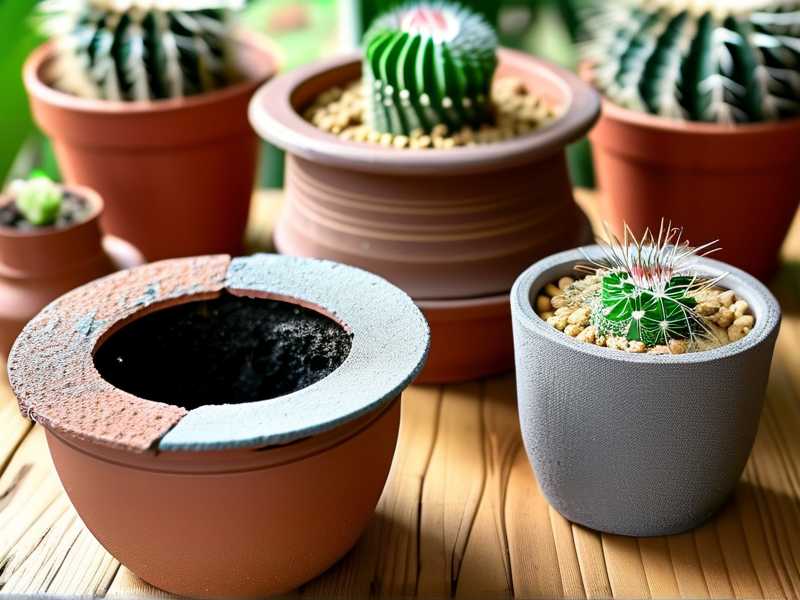
Your setup forms the foundation of safety. A well-draining cactus mix is non-negotiable. It typically contains sand, perlite, and pumice, allowing water to flow through rapidly, reducing the time the soil surface stays wet and interesting to pets. The pot must have excellent drainage holes. A heavy, wide-based terracotta pot is an excellent choice. Terracotta is porous, allowing soil to dry faster, and the weight makes it harder for a playful pet to tip over. A stable pot prevents soil spills that could be ingested or create a mess.
How often should I water my Opuntia if my house is warm and dry?Even in a dry environment, the “soak and dry” method still applies. The soil will simply dry out faster. You may need to perform the dryness test more frequently in summer, but always wait for the soil to be completely dry at depth before watering again. Increased air dryness does not mean the plant needs more frequent sips; it means the thorough watering you provide will be used efficiently.
My dog is always trying to drink the water from the cactus saucer. What can I do?This is a clear sign to eliminate the saucer as a water source. Immediately adopt the practice of watering in a separate location and allowing the plant to drain completely before returning it to its decorative spot. If you must use a saucer for protection, make it a routine to empty it within minutes of watering. Providing fresh, clean water in your dog’s bowl in a prominent location is also important.
Are all Opuntia varieties safe for cats and dogs?While the classic Opuntia species like Opuntia microdasys (Bunny Ears) are generally listed as non-toxic by organizations like the ASPCA, it’s vital to research your specific cultivar. The primary physical risk from all Opuntias comes from their spines and glochids, which can cause mechanical injury and irritation. Always discourage chewing or batting at the plant, as ingestion of plant material, while not poisonous, can cause mild stomach upset or pose a choking hazard.
Successfully caring for a pet-safe Opuntia cactus in a home with animals is a balance of plant knowledge and pet awareness. By mastering the deep, infrequent watering technique, securing the plant’s environment, and understanding the behaviors of your cats and dogs, you create a space where both can thrive. The key is to work with the plant’s natural drought-tolerant cycle, which conveniently minimizes the opportunities for pet-related mishaps. With these strategies, you can enjoy the sculptural beauty of your Opuntia with peace of mind, knowing you’ve created a safe and harmonious home for all your living companions.