bluename
 How to Select Cactus Species for Hanging Planters: A Guide from a Fellow Plant Lover
I’ve always loved the idea of bringing greenery to every corner of my home, but when it came to my sun-drenched, high-up spaces, I hit a wall. Regular trailing plants either demanded constant watering or simply couldn’t handle the intense light. That’s when I turned my gaze to cacti. The vision was clear: stunning, architectural cascades of green that practically thrive on neglect. But my first attempt was a disaster. I simply grabbed a few cute cacti from the store, popped them in a hanging pot, and waited for the magic. Instead, I got etiolated, stretched-out stems, a case of rot from misplaced water, and a planter that looked sparse and sad. It turns out, not every cactus is cut out for life in a hanging basket.
This experience sparked my mission: to crack the code on how to select cactus species for hanging planters. Over the past few months, I’ve experimented, failed, learned, and finally succeeded. I want to share that hands-on journey with you, so you can create your own breathtaking, low-maintenance aerial garden without the guesswork and pitfalls I endured.
Understanding the Unique Demands of a Hanging Home
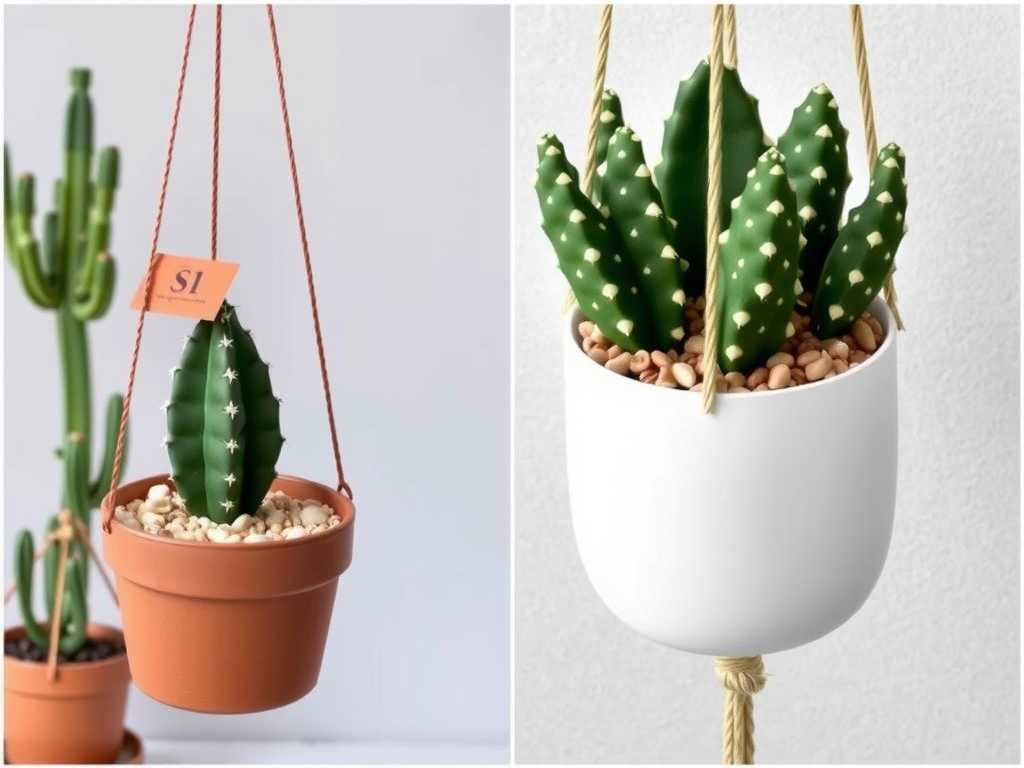
Before we dive into specific species, it’s crucial to understand why hanging planters are a special environment. They’re not just pots on the floor lifted higher. According to principles often emphasized by horticultural societies like the Cactus and Succulent Society of America (CSSA), the key factors are light exposure, airflow, and weight distribution.
A hanging planter, especially near a window, often receives more intense and direct light from multiple angles compared to a shelf plant. The airflow around it is significantly better, which helps soil dry faster—a double-edged sword for moisture-sensitive cacti. Most importantly, we need plants whose growth habit is inherently trailing or clustering, not upright and heavy, which could make the planter unstable and prone to tipping.
My Two-Week Selection and Observation Experiment
Armed with this knowledge, I decided to run a focused experiment. I selected three different cactus species known for their trailing tendencies and observed them closely over two weeks in identical hanging setups. My goal was to see not just if they survived, but how they adapted.
The Setup: I used three 8-inch coir-lined wire baskets with a fast-draining mix of 50% cactus potting soil, 25% perlite, and 25% pumice. All were placed in a south-east facing window receiving about 6 hours of direct morning sun. I watered them thoroughly only once at the start of the experiment, mimicking the "soak and dry" method.
The Candidates & My Observations:
-
The Reliable Cascader: Rhipsalis baccifera (Mistletoe Cactus) This was my control star. It’s not a desert cactus but a jungle epiphyte, meaning it naturally grows hanging from trees. Its slender, segmented green stems immediately started to drape gracefully. Over the two weeks, I noticed the tips showed subtle, healthy new growth of a lighter green. It loved the bright, indirect light and showed zero signs of stress. It confirmed that epiphytic cacti are almost foolproof for hanging cactus planters.
-
The Sun Worshipper: Aporocactus flagelliformis (Rat Tail Cactus) This one is a classic for a reason. Its long, thick, tail-like stems are made to cascade. In the first week, its deep green color held strong under direct sun. By the end of the second week, I could see the very beginnings of a tiny bud forming—a sign it was happy. The stems remained firm and turgid, proving excellent water storage for the hanging, fast-drying environment. This species is a perfect answer to the search for the best trailing cacti for baskets.
-
The Textural Showstopper: Senecio rowleyanus (String of Pearls) Okay, technically a succulent, but so often grouped in "cactus" collections that it deserves mention. This was my "wild card." Its bead-like leaves store water. Initially, the pearls were plump. However, under the direct morning sun, I noticed the topmost pearls slightly shriveled by day 10. This was my "aha!" moment and a common pitfall. The plant was fine, but it signaled that the soil had dried out completely and the intense top-light was a bit strong. I gave it a light bottom-watering and moved it slightly back from the direct sun line. It perked up within two days. The lesson: even drought-tolerant plants in hanging baskets need vigilant observation.
The Pitfalls I Faced and How I Solved Them
My experiment wasn't without its stumbles. Here’s where I went wrong initially and how I fixed it:
Pitfall 1: Choosing for Looks, Not Growth Habit. My first failed basket used a young Ferocactus (barrel cactus). It was beautiful but wanted to grow upright and spherical, becoming top-heavy. The planter felt unstable.
- Solution: I now strictly prioritize natural trailers or clumpers. Look for keywords like "creeping," "trailing," "pendulous," or "epiphytic" in plant descriptions.
Pitfall 2: Ignoring Root Structure and Pot Depth. Some cacti, like many Mammillaria, have deep taproots or form large clumps that need more vertical space than a shallow hanging bowl can provide.
- Solution: I research mature root systems. For hanging planters, I favor species with shallower, fibrous root systems that are content in wider, shallower containers.
Pitfall 3: Overwatering Out of Fear. Seeing the soil dry out quickly in a breezy, sunny spot made me anxious. I watered a Disocactus (orchid cactus) too soon, leading to stem softness.
- Solution: I adopted the "finger test" religiously. I insert my finger up to the second knuckle. If it's dry, I wait another 2-3 days before watering. When I do water, I do so thoroughly until it runs freely from the drainage holes.
Your Curated List: Top Cactus Picks for Hanging Success
Based on my trials and research, here are my top recommendations. These species meet the critical criteria: a trailing or draping form, adaptability to container life, and relative ease of care.
Epiphytic Champions (Ideal for Bright, Indirect Light):
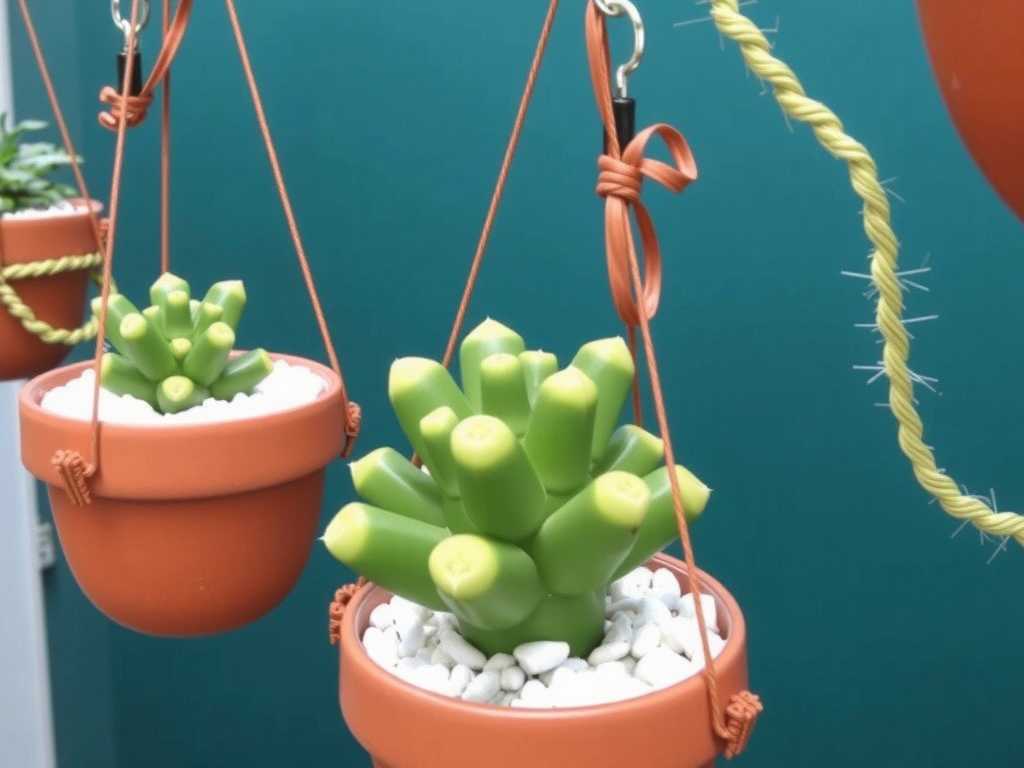
- Rhipsalis Varieties: R. baccifera, R. capilliformis, R. paradoxa. Their elegant, often branching stems create a lush, jungle-like cascade. They are less demanding of harsh sun and more tolerant of occasional humidity.
- Disocactus (formerly Epiphyllum): Known as orchid cacti, they produce stunning flowers. Disocactus flagelliformis (the Rat Tail's relative) is a prolific trailer with gorgeous blooms.
Desert Native Trailers (For Full, Direct Sun):
- Aporocactus flagelliformis (Rat Tail Cactus): The undisputed king of sunny hanging baskets. Long, rapid-growing stems that become covered in brilliant pink flowers.
- Cleistocactus winteri (Golden Rat Tail): Similar in habit to the Rat Tail but covered in soft, golden spines, giving it a shimmering, furry appearance as it drapes.
- Mammillaria elongata ‘Copper King’: While many Mammillaria are globular, this variety forms dense clusters of finger-like stems that eventually spill over the edges of a pot beautifully.
Planting and Ongoing Care for Your Hanging Cactus Display
Selecting the right species is 80% of the battle. The final 20% is setting them up for long-term success.
Planting Steps:
- Pot & Medium: Always use a pot with drainage. Line wire baskets with coir or sphagnum moss. Use an airy, gritty mix as described earlier.
- Handling: Protect your hands with thick gloves or use folded newspaper/tongs to handle spiny specimens.
- Arrangement: Plant multiple stems of the same species or combine textures (e.g., the fine Rhipsalis with the bold Aporocactus) for a fuller look. Plant them closer to the edges to encourage outward growth.
- The First Water: After planting, wait 5-7 days before the initial watering to allow any disturbed roots to callous, preventing rot.
Long-Term Care Rhythm:
- Light: Most trailing cacti need bright light. Desert types want direct sun for several hours; epiphytic types prefer bright, filtered light.
- Watering: This is the most critical skill. Water deeply only when the soil is completely dry. In winter, reduce watering to once a month or less.
- Feeding: Use a balanced, diluted fertilizer formulated for cacti once in early spring and once in mid-summer. Do not fertilize in fall or winter.
What are the absolute best cactus types for a beginner's hanging basket? For sheer forgiveness and quick results, start with Rhipsalis baccifera or Aporocactus flagelliformis. They clearly communicate their needs, grow reliably, and are widely available.
How often should I really water my hanging cactus? Throw away the calendar. Frequency depends on sunlight, heat, and airflow. The only reliable method is to check the soil moisture. In my home, during active growth, it ranges from every 10-14 days in summer to once every 4-6 weeks in winter.
Can I mix different cactus species in one hanging planter? You can, but with caution. The golden rule is to pair plants with similar light and water needs. Mixing a sun-loving Rat Tail with a shade-preferring Rhipsalis will leave one unhappy. A safer approach is to mix different trailing varieties from the same genus or ecological background.
Creating a stunning hanging cactus display is deeply rewarding. It moves beyond basic survival to cultivating a living sculpture that evolves and blooms. The key lies in making an informed choice from the start—selecting species whose natural instinct is to trail and thrive in the unique conditions a hanging planter provides. By understanding their needs, learning from a little observation, and avoiding the common pitfalls, you can turn those high, sunny spaces into focal points of resilient, beautiful greenery. Happy planting