bluename
 How to Propagate Cactus Species by Grafting Techniques: A Complete Guide for Success
Have you ever admired a rare, slow-growing cactus and wished you could speed up its growth? Or perhaps you've struggled to save a delicate seedling that just won't thrive on its own roots. Maybe you've seen stunning "moon cacti" with vibrant colored tops and wondered how that's even possible. The frustration of slow propagation, high failure rates with sensitive species, and the inability to create those unique ornamental plants are common pain points for cactus enthusiasts. The solution lies in mastering cactus grafting techniques. This comprehensive guide will demystify the process, providing you with the clear, step-by-step knowledge to successfully propagate cactus species by grafting, ensuring faster growth, higher survival rates, and the ability to create your own stunning botanical creations.
Understanding Cactus Grafting: Why It Works
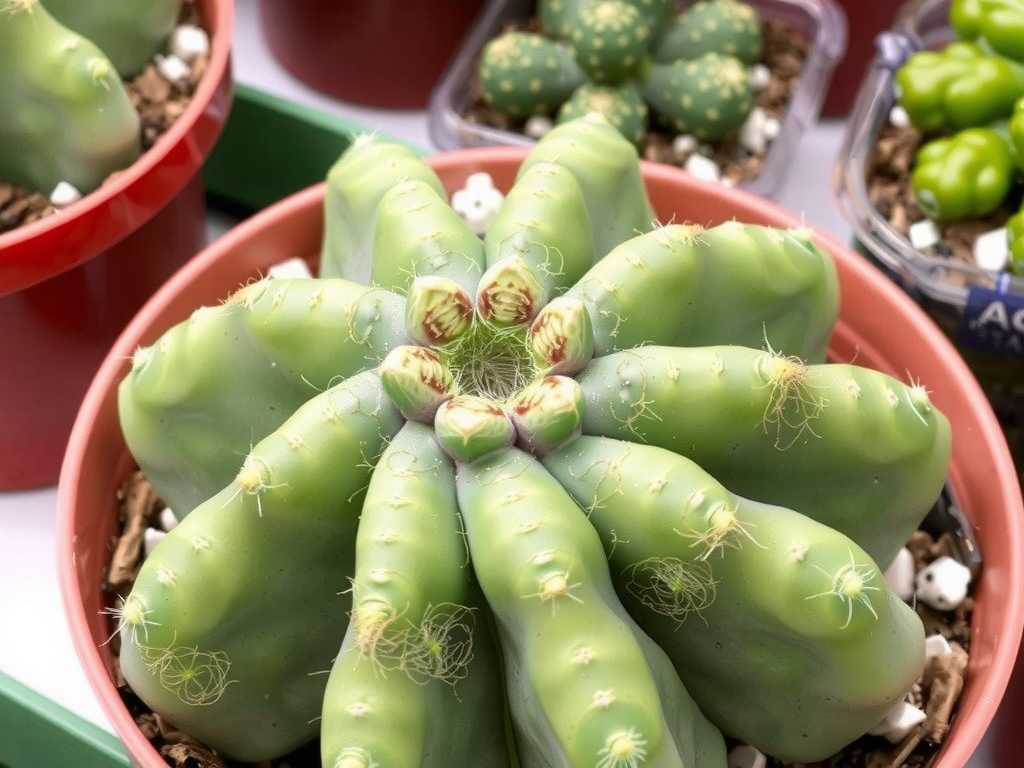
Grafting is a horticultural technique where the tissue of one plant (the scion) is fused to the tissue of another (the rootstock). For cacti, this process leverages the strong, established root system of a hardy rootstock to support and nourish a more delicate or slow-growing scion. The primary vascular cylinder, or stele, of both parts must align to allow for the flow of water and nutrients. According to a study published in the Journal of Arid Environments, successful grafting relies on the compatibility of these vascular tissues and the rapid formation of a callus bridge. This method is particularly valuable for propagating mutant cultivars that lack chlorophyll, accelerating the growth of rare species, and saving plants affected by root rot.
Essential Tools and Materials You'll Need
Before you make the first cut, gathering the right tools is crucial for a clean and successful graft. You will need a very sharp, sterilized blade. A scalpel, razor blade, or sharp grafting knife is ideal, as a clean cut is paramount. Have isopropyl alcohol on hand to sterilize your tools before and between cuts to prevent disease transmission. You'll also need materials for securing the graft. Latex rubber bands, grafting bands, or even gentle but firm weights like soft string work well. Prepare some paper towels or clean cloths for handling. Finally, select your plants: a healthy, vigorous rootstock and a compatible, disease-free scion. Having everything within reach streamlines the process, reducing stress on both you and the plants.
Selecting the Perfect Rootstock and Scion
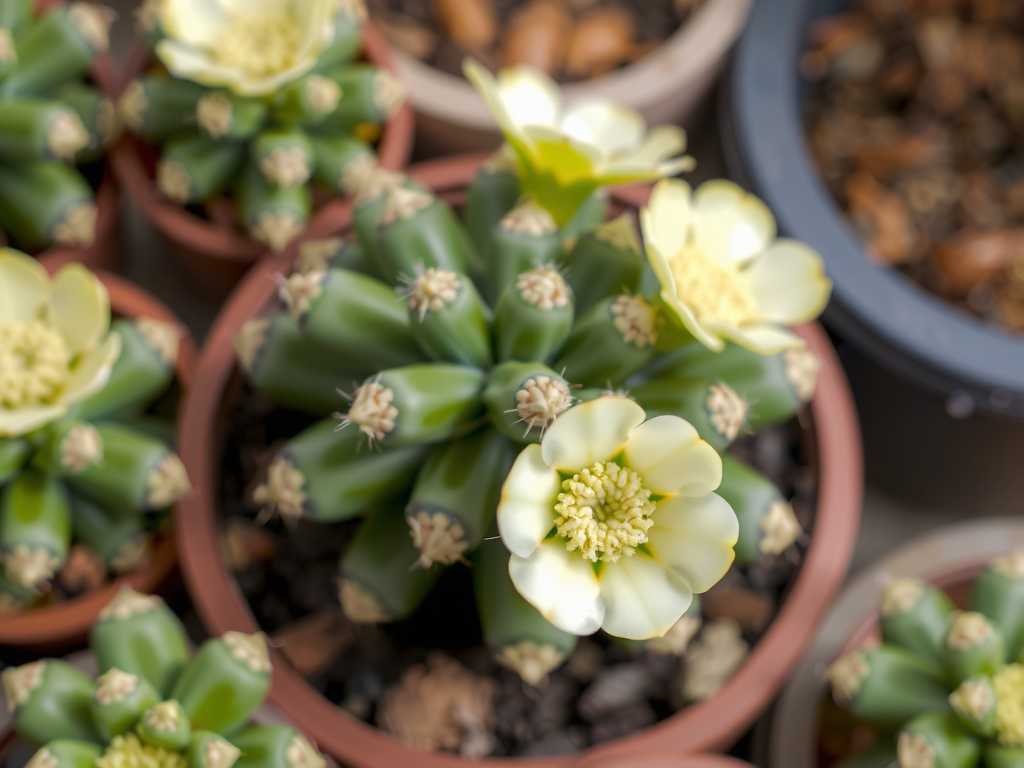
The success of your graft starts with choosing the right partners. The rootstock should be a fast-growing, robust, and commonly available cactus species. Hylocereus undatus (Dragon Fruit) is a top choice for its vigorous growth and compatibility with many scions. Trichocereus spachianus and Eriocereus jusbertii are also excellent, reliable options. The rootstock must be healthy, well-rooted, and actively growing.
The scion is the cactus species you wish to propagate. It can be a rare Mammillaria, a colorful Gymnocalycium mihanovichii (Moon Cactus), a slow-growing Astrophytum, or even a seedling. Ensure the scion is firm, healthy, and of a diameter that roughly matches or is slightly smaller than your rootstock's vascular ring. Compatibility is key; most cacti within the same tribe graft well together, but some experimentation is part of the learning process.
Step-by-Step Guide to the Flat Grafting Technique
The flat graft is the most common and beginner-friendly method for propagating cactus species by grafting. Follow these steps carefully.
-
Prepare Your Workspace and Tools. Clean your surface and sterilize your blade with isopropyl alcohol. Ensure your rootstock is well-watered a few days prior to ensure it is turgid and active.
-
Make the Cut on the Rootstock. With a single, swift, and level motion, remove the top of the rootstock. The cut surface must be perfectly flat. Immediately, make a second, very shallow slice across the top to remove the drying ring of epidermis. This exposes fresh tissue for better fusion.
-
Prepare the Scion. Similarly, make a clean, flat cut at the base of the scion to remove any old tissue. For small seedlings, a simple flat cut suffices. For larger scions, you may also make a slight bevel around the edges to prevent curling.
-
Join the Two Parts. Quickly place the scion onto the center of the rootstock's cut surface. The key is to align their vascular rings as closely as possible. Even a partial overlap is often enough for success, but perfect alignment is the goal.
-
Secure the Graft. Apply gentle, downward pressure. Use rubber bands to anchor the scion. One method is to stretch bands from the bottom of the pot, over the scion, and back down. Alternatively, use soft weights. The pressure must be firm but not crushing.
-
Post-Graft Care. Place the grafted plant in a warm, bright, but indirect light location. Avoid direct sun, which can cause desiccation. Do not water the soil for 7-10 days to prevent rot at the graft union. High humidity can be beneficial initially.
Advanced and Specialized Grafting Methods
Once you master the flat graft, other techniques can solve specific propagation challenges.
Cleft Grafting for Columnar Cacti This method is ideal for grafting a small, round scion onto a thick, columnar rootstock. Instead of a flat cut on the rootstock, make a narrow, downward "V" or cleft cut. The base of the scion is then carved into a matching wedge and inserted into the cleft. Secure it with a rubber band or by threading a spine through both parts.
Side Grafting for Lateral Growth Side grafting is useful for adding multiple scions to a single rootstock or for grafting onto the side of an existing column. Make a downward-slanting cut into the side of the rootstock. Prepare your scion with a matching angled cut and insert it, securing it with a pin or gentle pressure until it heals.
Seedling Grafting for Rare Species Micro-grafting tiny seedlings onto young rootstock pereskiopsis can accelerate growth exponentially. This advanced technique requires a steady hand and magnification. The seedling is placed on a freshly cut rootstock and often secured with a loose plastic bag to maintain humidity.
Critical Aftercare for Grafted Cacti
The first few weeks are vital. Keep the graft stable and undisturbed. After 7-10 days, you can gently remove the rubber bands. If the scion is firmly attached and appears plump, the graft is likely successful. Gradually introduce the plant to brighter light over several weeks. Resume watering cautiously, allowing the soil to dry completely between waterings. Watch for signs of success: the scion remains firm, shows new growth (areolar wool or spines), and increases in size. Signs of failure include the scion shrinking, discoloring, or detaching easily.
Troubleshooting Common Grafting Problems
Even with care, issues can arise. If the scion is shriveling, it may not have formed a successful vascular connection, or the rootstock is not providing water. A failed graft must be re-cut and re-attached quickly if the tissues are still healthy. If the union looks mushy or black, rot has set in due to excess moisture or poor sterilization. You must cut above the rot on both pieces and re-graft with sterilized tools. If the rootstock is outgrowing the scion, you can carefully remove the new growth from the rootstock to direct energy back to the scion.
Creative Applications of Cactus Grafting
Beyond simple propagation, grafting opens a world of creativity. The classic "Moon Cactus" is a Gymnocalycium mihanovichii (lacking chlorophyll) grafted onto a green rootstock. You can create "cactus totems" by grafting multiple scions of different species onto a tall columnar stock. Furthermore, grafting can be a rescue operation, saving a prized cactus from severe basal rot by removing the healthy top and grafting it onto new roots.
Frequently Asked Questions
How long does it take for a cactus graft to heal? A successful graft typically shows signs of fusion within 1-2 weeks, with firm attachment and visible new growth on the scion within 4-8 weeks. Full, strong union development takes several months.
Can you graft any cactus onto any other cactus? While many combinations are possible, success is highest with genetically compatible species, often within the same tribe. Hylocereus rootstock is notably versatile. Incompatible grafts may fuse initially but fail long-term or grow poorly.
What is the lifespan of a grafted cactus? It varies. Some grafts, like moon cacti, may last 2-5 years before the rootstock declines or the scion outgrows it. Others, with highly compatible partners, can thrive for decades. The rootstock may eventually age or become stressed, so monitoring is key.
Mastering the art of propagating cactus species by grafting techniques transforms your approach to cactus cultivation. It turns patience into proactive creation, allowing you to accelerate growth, preserve rarity, and experiment with living art. Start with a hardy rootstock and a simple flat graft. Embrace the learning process, as each attempt builds your skill and intuition. With clean tools, careful alignment, and proper aftercare, you'll soon be unlocking the remarkable potential hidden within these resilient and fascinating plants.