bluename
 How to Care for Cactus Species Affected by Root Rot: A Complete Rescue Guide
Discovering your cactus has root rot is a heart-sinking moment for any plant enthusiast. One day your prickly friend looks perfectly fine, and the next, it might be leaning over, feeling mushy at the base, or showing unexplained yellowing. This silent killer thrives in damp conditions, often going unnoticed until significant damage is done. But don’t lose hope—many cactus species affected by root rot can be saved with prompt and correct action. This guide will walk you through the exact steps to diagnose, treat, and nurse your cactus back to health, drawing on expert horticultural advice to ensure you’re equipped with the best possible knowledge.
Understanding Root Rot in Cacti
Root rot is primarily a fungal disease, often caused by pathogens like Pythium or Phytophthora, which flourish in overly moist soil. Cacti, evolved for arid environments with excellent drainage, are exceptionally vulnerable when their roots sit in water. The problem isn’t just about overwatering once; it’s about a combination of factors like poor-draining soil, a pot without drainage holes, or low light conditions that slow down the plant’s water uptake.
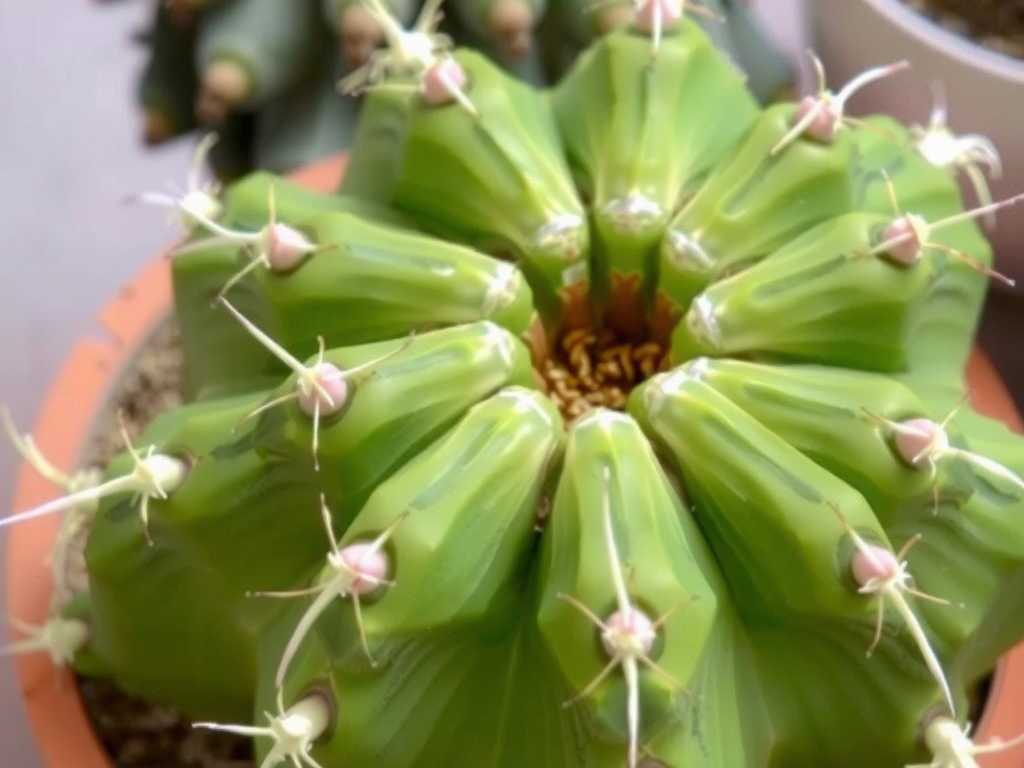
Early signs can be subtle. Above the soil, you might notice a halt in growth, a pale or yellowish discoloration (chlorosis), or the stems becoming slightly shriveled yet soft—a paradox that often confuses owners. As the rot progresses in cactus roots, the base may turn brown or black and become soft to the touch. In severe cases, the plant becomes unstable and may topple over as its root system disintegrates.
Step-by-Step: Diagnosing and Treating Root Rot
The moment you suspect root rot, immediate investigation is crucial. Time is of the essence to save your plant.
Step 1: Unpot and Inspect the Root System Gently remove your cactus from its pot. Brush away the soil to expose the roots completely. Healthy cactus roots are firm and white or light tan. Rotted roots will appear dark brown or black, feel mushy or slimy, and may fall apart easily. A foul, decaying smell is a definitive indicator.
Step 2: Perform Surgical Removal of Rotted Parts Using a clean, sharp knife or pruning shears sterilized with rubbing alcohol, cut away all affected roots and tissue. You must be ruthless—cut back until you only see healthy, firm flesh. If the rot has spread into the stem, carefully carve out all discolored areas. As noted by Dr. Linda Chalker-Scott, a horticulture expert with Washington State University, “Sterilizing tools between cuts prevents spreading pathogens to healthy tissue, a critical step often overlooked by home gardeners.”
Step 3: Apply a Fungicide and Let It Callus Dust the remaining healthy tissue with a sulfur powder or a copper-based fungicide. This creates a protective barrier against further fungal attack. Then, place the cactus in a dry, shaded, and well-ventilated spot. Allow the cut surfaces to dry and form a hard callus. This process can take from several days to a couple of weeks, depending on the size of the cuts and humidity. Do not skip this step; planting a fresh wound invites immediate re-infection.
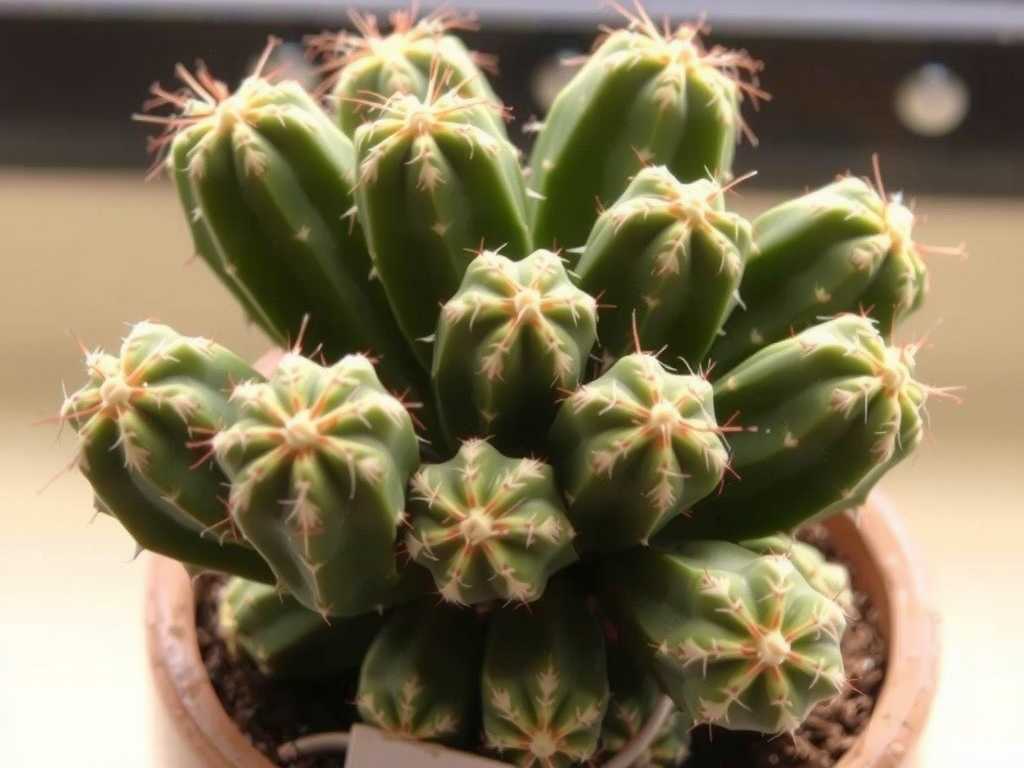
Step 4: Repot in a Fresh, Sterile Medium Choose a new, clean pot with ample drainage holes—terra cotta is ideal for its breathability. Fill it with a fresh, fast-draining cactus and succulent mix. You can enhance drainage by adding extra perlite or pumice (a 50/50 mix of potting soil and mineral grit is a good target). Do not water the plant immediately.
Step 5: The Delayed Watering Protocol After repotting, wait for 7-10 days before giving the first light watering. This pause allows any minor root disturbances to heal and further discourages fungal growth. Then, begin a conservative watering routine, only watering when the soil is completely dry, and always ensuring no water remains in the saucer beneath the pot.
Post-Treatment Care and Recovery Monitoring
Your cactus is now in recovery mode, which requires patience. Place it in bright, indirect light initially, gradually moving it to its preferred sunny spot over a few weeks. Avoid fertilizing for at least 3-4 months, as the plant’s priority is root regeneration, not new growth.
Monitor the cactus closely. A successful recovery is signaled by the plant stabilizing, no further spread of discoloration, and eventually, new root or spine growth. If the cactus continues to soften or collapse, the rot may have been too extensive. The key to saving a cactus from root rot lies in the thoroughness of the initial surgery and disciplined aftercare.
Preventative Measures for a Healthy Future
Prevention is always better than cure, especially for rot-prone cacti with damaged root systems.
- Master the “Soak and Dry” Method: Water deeply only when the soil is 100% dry all the way to the bottom of the pot. Then, let the excess drain freely.
- Invest in the Right Soil and Pot: Always use a gritty, inorganic-heavy potting mix designed for cacti. Ensure every pot has a drainage hole.
- Seasonal Awareness: Cacti need significantly less water during cool, dormant winter months. Reduce watering frequency to match their slowed metabolism.
- Regular Check-ups: During routine care, gently check the base of your cactus for firmness. An annual soil refresh can also prevent compaction and salt buildup.
Frequently Asked Questions
Can a cactus recover from severe root rot? Recovery depends on how much healthy tissue remains after removing all the rot. If the rot has consumed the entire root system and a significant portion of the stem’s interior, the plant may not be salvageable. However, if the apical meristem (top growth point) and a portion of healthy stem remain, you can attempt to re-root it as a cutting after following the callusing process.
How long does it take for a repotted cactus to grow new roots? In ideal warm conditions, a treated cactus may begin to produce new feeder roots within 2 to 6 weeks. Do not tug on the plant to check; instead, look for signs of new growth or improved firmness in the stem, indicating it is successfully taking up water again.
Is it better to water cacti from the top or bottom to prevent rot? For established, healthy cacti, either method is acceptable if done correctly. Top watering should be thorough until it runs from the drainage hole. Bottom watering (setting the pot in a shallow water dish) allows the soil to wick up moisture and can encourage deeper root growth. However, for a cactus recovering from rot or in a poorly ventilated environment, top watering with careful control is often recommended to better monitor moisture levels and avoid over-saturation of the lower soil.
Watching a beloved cactus suffer from root rot is challenging, but it’s often a surmountable problem. The rescue process hinges on swift diagnosis, meticulous removal of all diseased material, and a disciplined approach to repotting and aftercare. By understanding the signs and applying these clear steps, you give your plant the strongest chance at survival. More importantly, adjusting your long-term care habits around watering, soil, and pot choice will build resilience, ensuring your cactus collection remains healthy and thriving for years to come, free from the threat of this common but preventable condition.