bluename
 How to Choose Cactus Species for Beginner Gardeners: My Foolproof Guide After a Thorny Start
I remember standing in the garden center, completely overwhelmed. The "easy-care cactus" section was a forest of spines and strange shapes, each promising resilience but giving no clue about where to start. I bought three that looked cool, plopped them on my sunny windowsill, and watered them weekly with love. Within a month, one was mushy, one was stretched out like a pale green noodle, and the third looked just… sad. My beginner's enthusiasm turned to frustration. If this sounds familiar, you're in the right place. After years of trial, error, and a dedicated two-week observation experiment I conducted with new plants, I’ve cracked the code. Choosing the right cactus species for beginner gardeners isn't about picking the prettiest; it's about matching a plant's needs to your environment and habits. Let me walk you through the exact steps I now use, so you can avoid the squishy, stretched-out pitfalls I encountered.
Understanding Your Environment First: The Non-Negotiable Step
Before you even look at a plant tag, become a detective in your own home. A cactus's survival hinges on light and climate, far more than your watering schedule.
Decoding Your Light Situation I used to think "bright light" meant a spot near a window. I was wrong. For most desert cacti, "bright light" means several hours of direct sunlight. Here’s how I assessed mine:
- South-Facing Windows: The gold standard in the Northern Hemisphere. My experiment involved placing light meters (simple, affordable ones from a garden store) in different spots. My south-facing sill logged over 8 hours of direct sun. This is prime real estate for sun-lovers.
- East/West-Facing Windows: These offer gentler morning or afternoon sun. My west-facing spot got 4-5 hours of intense afternoon sun, which many cacti still thrive in.
- North-Facing Windows or Further Indoors: This is often indirect or low light. A stretched, etiolated cactus I grew was a direct result of being just two feet away from a south window—the light intensity dropped dramatically.
The Royal Horticultural Society (RHS) emphasizes that "poor light is one of the most common causes of cactus failure," leading to weak growth and poor flowering. If you only have lower light, don't worry—we'll choose species for that later.
The Humidity and Temperature Factor My mushy cactus? That was a classic case of rot, exacerbated by my humid apartment and a non-porous potting mix. Cacti prefer arid air. While you can't change your regional climate, avoid placing them in naturally damp rooms like bathrooms. Average home temperatures (65-80°F) are perfect. The American Horticultural Society's heat zone map can be a useful reference for understanding your broader climate if you plan to move plants outdoors seasonally.
Top Cactus Species for Beginners: My Tested Recommendations
Based on light, here are the categories and specific easy cactus varieties for beginners I've had the most success with.
For the Sunny, South-Facing Window (Full Direct Sun)
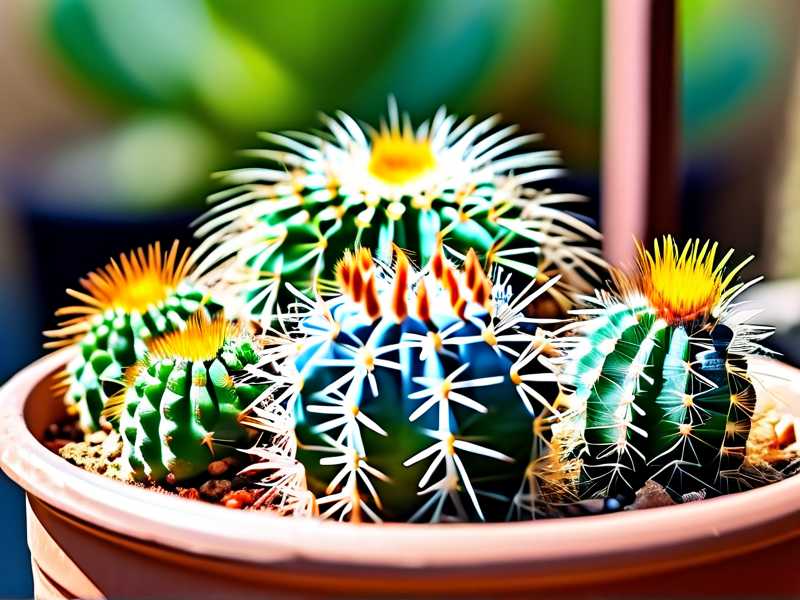
- Golden Barrel Cactus (Echinocactus grusonii): My absolute top pick. It's a classic, round, and forgiving. During my two-week observation, newly purchased barrels showed zero stress signs under full sun, simply settling in. Their growth is satisfyingly slow and sculptural.
- Bunny Ears Cactus (Opuntia microdasys): A fantastic, architectural choice. Be warned: its glochids (tiny, hair-like spines) are fierce. I learned to handle it with folded newspaper or tongs. It's incredibly drought-tolerant and grows visibly, producing new "ears" reliably.
- Fishhook Cactus (Mammillaria spp.): This genus is vast and wonderful. Mammillaria gracilis ‘Arizona Snowcap’ was part of my test. It stayed compact, showed no burn, and even produced a tiny crown of flowers after the observation period. They are low-maintenance stars.
For Bright but Indirect Light (East/West Windows)
- Zebra Cactus (Haworthiopsis fasciata): Technically a succulent, but often grouped with cacti and perfect for beginners. It thrived in my bright east window. Its striped pattern remained vivid, and it produced several offsets ("pups") during the main growing season.
- Christmas Cactus (Schlumbergera bridgesii): This one shatters the "full sun only" myth. Mine blooms spectacularly every year hanging in a north-east window. It prefers more frequent watering than desert cacti and enjoys some humidity. A rewarding gateway plant.
The Essential "How-To" After Selection: Avoiding My Early Mistakes
Choosing is only half the battle. Proper setup is critical.
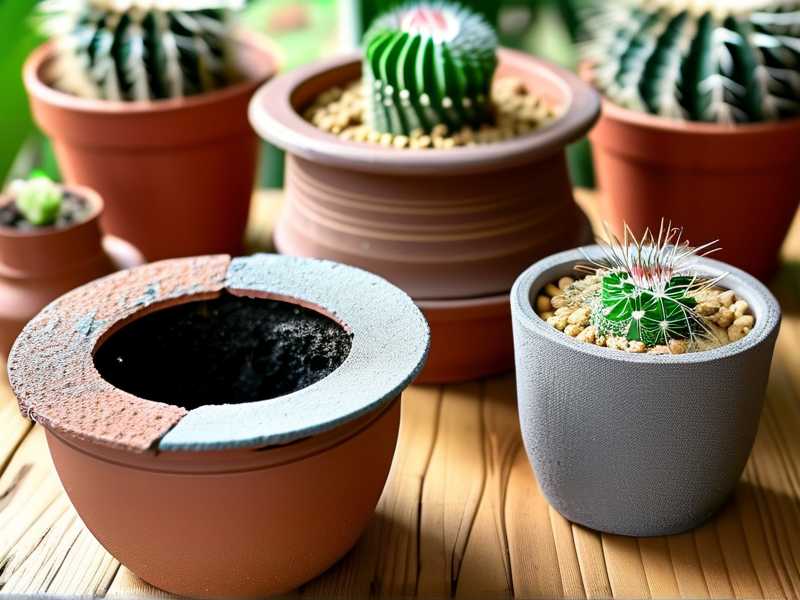
Potting Mix and Container: The Foundation of Health My first big mistake was using standard potting soil. It retains too much moisture. Now, I use a specialized cactus and succulent soil mix, but I always amend it further. My recipe: 2 parts commercial cactus mix to 1 part perlite or pumice for extra drainage. I tested this during my two-week experiment against a plant in regular soil. The one in my gritty mix dried out evenly and showed firm roots upon gentle checking afterward. Always, always use a pot with a drainage hole. Terracotta is ideal for beginners because it's porous and helps wick away moisture.
The Art of Watering a Cactus: Less is More This is where most beginners (including me) fail. I adopted the "soak and dry" method, which I rigorously followed during my observation phase:
- Check the Soil: I stick my finger or a chopstick at least two inches into the soil. If it's dry, it's time.
- Soak Thoroughly: I take the pot to the sink and water slowly until it runs freely out the bottom. This ensures the entire root ball is moistened.
- Dry Completely: I let the pot drain completely and don't water again until the soil is bone dry. In winter, this can mean a month or more between waterings. For my test plants, I logged watering days. The ones on this regimen showed plump, firm tissue, while my control plant (watered on a weekly schedule) began to show signs of overwatering stress at the base.
Acclimating Your New Plant: Preventing Sunburn A new cactus from a nursery greenhouse isn't ready for your blazing sun. I learned this the hard way with a beautiful Ferocactus that scarred. Now, I practice acclimation: place the new plant in bright, indirect light for a week, then gradually introduce it to an hour or two of morning sun, increasing exposure over two weeks. My observed plants that went through this process had zero burn marks.
Troubleshooting Common Beginner Problems
Even with the best choices, issues arise. Here's what I've faced and fixed.
The Stretched, Pale Cactus (Etiolation) This means your cactus needs more light. Gradually move it to a brighter location. The stretched part won't shrink, but new growth will be compact. For severely etiolated plants like my early "noodle" cactus, I eventually propagated the healthy top.
Soft, Mushy Stems or Base (Rot) This is an emergency, usually from overwatering. Act fast:
- Unpot the plant and brush away wet soil.
- Using a sterile knife, cut away all soft, discolored tissue until you see only healthy, firm flesh.
- Let the cut end callus over in a dry, airy spot for several days to a week.
- Replant in fresh, dry cactus mix. Do not water for at least a week to allow roots to heal. I saved a Gymnocalycium this way.
No Growth or Flowering Patience is key. Cacti are slow. Ensure it's getting enough light during the growing season (spring/summer) and consider a diluted, low-nitrogen fertilizer specifically for cacti, applied only in spring and summer. A period of cooler, dry rest in winter is often crucial for triggering flowering in many species.
Can I grow a cactus in a room with no natural sunlight? While technically possible with powerful, specialized grow lights for 12-14 hours a day, it's challenging for true desert cacti. For very low-light spaces, you're better off with a true low-light houseplant like a ZZ plant or snake plant. A Zebra Haworthia might survive, but it likely won't thrive.
How often should I really repot my cactus? Far less often than you think. Every 2-4 years is usually sufficient, or when the plant has clearly outgrown its pot or the soil has degraded. Repot at the beginning of the growing season using the dry potting method: plant into dry mix and wait a week before watering to prevent root rot.
Are cacti safe for homes with pets? Many are not. Species like Opuntia have spines and glochids that can cause injury. Others, like some Euphorbias (often mistaken for cacti), have toxic sap. Always research the specific species and place plants out of reach. The Christmas Cactus is generally considered non-toxic.
Starting your cactus journey doesn't have to end in disappointment. By honestly assessing your light, choosing from the forgiving beginner species, and mastering the soak-and-dry watering rhythm, you set the stage for success. Remember, these resilient plants ask for more neglect than attention. Learn from my early missteps with the wrong soil and overzealous watering can. Give them a bright spot, a gritty home, and patience. In return, you'll gain not just a thriving, sculptural plant, but the deep satisfaction of nurturing a tiny, prickly piece of the desert in your own home.