bluename
 How to Choose Cactus Species for Vertical Wall Gardens: A Complete Guide
You’ve decided to install a stunning vertical wall garden. The vision is clear: a lush, textured, living tapestry that transforms your space. But when it comes to selecting plants, you’re hesitant. You want something dramatic yet low-maintenance, resilient enough for a vertical setup, and visually cohesive. The wrong plant choices can lead to a failing, unhealthy display rather than the thriving piece of living art you imagined. This is where the perfect candidate shines: cacti and succulents. However, not every cactus is suited for life on a vertical plane. Choosing the wrong species can mean poor growth, rot, or a design that falls flat. This definitive guide will walk you through how to choose cactus species for vertical wall gardens, ensuring your project is not only beautiful but sustainable and easy to care for.
Understanding the Vertical Wall Garden Environment
Before selecting specific plants, it’s crucial to understand the unique conditions of a vertical garden. It’s fundamentally different from a traditional pot or landscape bed.
Key Challenges and Advantages A vertical setup presents specific challenges: limited soil volume, faster drainage and drying, potential for uneven light exposure, and the physical challenge of plants anchoring themselves as they grow. However, for cacti and many succulents, these "challenges" are often advantages. Their need for excellent drainage and infrequent watering aligns perfectly with the well-aerated, fast-drying mediums used in vertical systems. The key is to select species that are naturally adapted to shallow rooting and can tolerate the gravitational stress of growing sideways or upward on a wall.
Critical Factors for Plant Selection When evaluating cacti for vertical gardens, four primary factors must guide your decision: light requirements, water needs and root structure, growth habit and size, and climate hardiness. Ignoring any one of these can compromise the entire installation.
Essential Criteria for Selecting Your Cacti
Not all cacti are created equal, especially for vertical applications. Let’s break down the selection criteria to ensure you pick winners.
Light Requirements: Matching Sun Exposure Your wall’s orientation is the first determinant. A south-facing wall in the Northern Hemisphere receives intense, direct light for most of the day—ideal for sun-loving species. East or west-facing walls offer partial sun. North-facing walls receive mostly indirect light, which severely limits cactus options.
- Full Sun Champions: Opt for columnar or barrel cacti that originate from desert environments. They thrive under intense light, which also promotes vibrant colors and compact, healthy growth.
- Partial Sun/ Bright Light Adaptable: Some forest or jungle cacti, along with certain rosette-forming succulents like Echeveria, can adapt to slightly less intense light, but "bright, indirect light" is still a must for health.
Water Needs and Root System Structure This is perhaps the most critical factor. The goal is to avoid rot, which is the number one killer of plants in vertical gardens.
- Shallow vs. Deep Roots: Prioritize species with naturally shallow, fibrous root systems. These roots are adept at quickly absorbing moisture from brief rains or irrigation and are perfectly suited to the shallow planting pockets of a vertical frame. Deep-rooted cacti will become stressed and unstable.
- Drought Tolerance: Choose cacti known for exceptional drought tolerance. They are built to store water in their stems and leaves (pads) and can easily withstand the complete drying cycle of the planting medium between waterings. As noted by horticulturist Dr. Linda S. Smith in Xeriscape Principles, "Plants selected for vertical green walls must possess a high degree of xerophytic adaptation to prevent systemic failure during dry intervals."
Growth Habit, Size, and Visual Impact Consider the mature size and shape of the cactus. You are creating a living painting.
- Growth Rate: Slow-growing species are generally preferable. They will maintain the intended design layout longer with minimal pruning or disruption.
- Form and Texture: Mix forms for visual interest. Combine trailing species (for the edges), clustering or globular forms (for filler and texture), and upright or columnar types (for focal points). This creates depth and a natural, layered look.
- Weight Considerations: The mature weight of the plant matters. Large, heavy barrel cactus may eventually become too heavy for some vertical support systems. Lighter, clustering species are often safer and easier to manage long-term.
Climate and Hardiness Is your vertical garden indoors or outdoors? For outdoor installations, you must choose species hardy to your USDA zone or be prepared to treat it as a seasonal feature. A cactus that tolerates mild drought in a hot climate may rot in a cool, humid one, even on a wall.
Top Recommended Cactus Species for Vertical Gardens
Here are specific, reliable choices categorized by their ideal role in your vertical garden design. These selections balance aesthetics with proven adaptability to vertical conditions.
Trailing and Cascading Varieties (For Edges and Softening) These are essential for creating a flowing, natural look that spills over the edges of the frame.
- String of Pearls (Senecio rowleyanus): While technically a succulent, its iconic trailing habit and low water needs make it a vertical garden favorite. It provides stunning contrast to typical cactus forms.
- Rat Tail Cactus (Aporocactus flagelliformis): A true cactus with long, slender, trailing stems that produce brilliant pink flowers. It’s a classic choice for adding length and color.
- Christmas Cactus (Schlumbergera bridgesii): A forest cactus that thrives in bright, indirect light and offers spectacular seasonal blooms. Its segmented, trailing pads add a different texture.
Clustering and Globular Forms (For Filler and Texture) These plants spread outward rather than downward, filling space beautifully and creating a dense, textured backdrop.
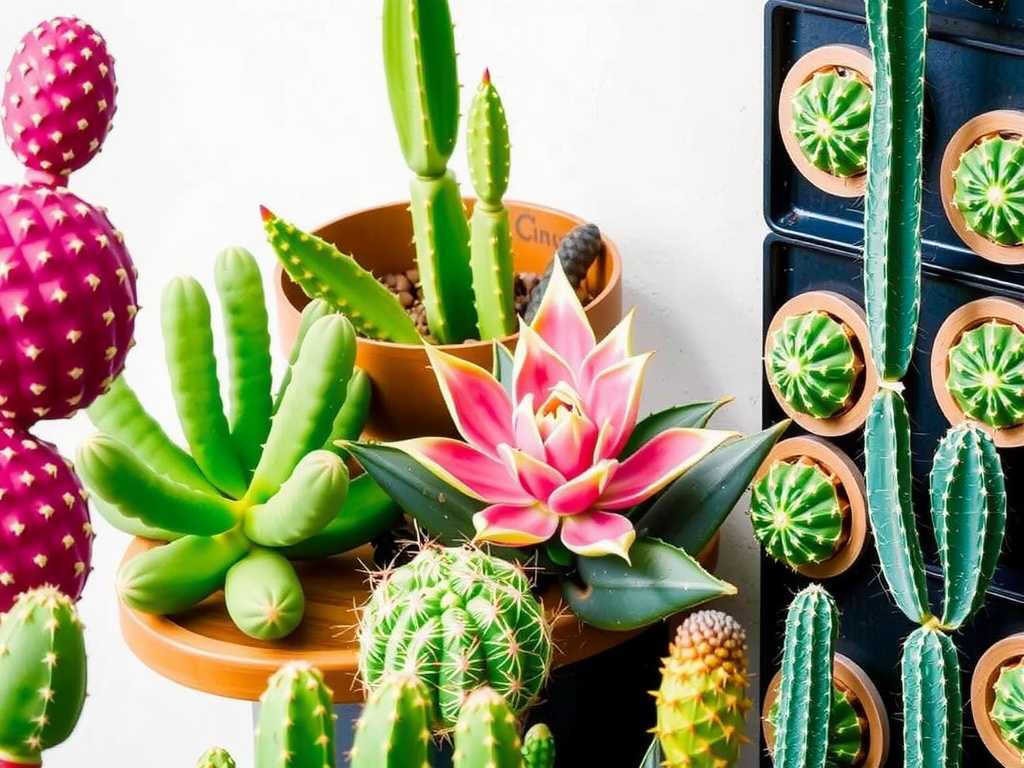
- Hen and Chicks (Sempervivum spp.): Extremely hardy succulents that form tight rosettes and produce numerous "chicks" around the mother plant. They are shallow-rooted and come in incredible colors.
- Echeveria Species: The quintessential rosette succulent. They offer symmetry, a waxy or frosted appearance, and a wide color palette from blue-green to pastel pinks and purples.
- Pincushion Cactus (Mammillaria spp.): A large genus of small, globular cacti that often cluster. They are slow-growing, produce charming crown-like flowers, and are perfectly proportioned for vertical pockets.
Upright and Columnar Types (For Focal Points and Height) Use these sparingly to draw the eye and add vertical lines within the composition.
- Blue Columnar Cactus (Pilosocereus pachycladus): Provides a stunning blue-green color and a strong vertical element without excessive girth.
- Old Lady Cactus (Mammillaria hahniana): A globular cactus that can become columnar with age, covered in white hairs and spines, offering fantastic fuzzy texture.
- Small Barrel Cacti (Echinocactus grusonii ‘Golden Ball’ in youth): Young, small barrel cacti can be used as focal points, but monitor their size and weight over years.
Designing and Planting Your Cactus Vertical Wall
Selection is only half the battle; proper installation ensures longevity.
Creating a Cohesive Planting Plan Sketch your layout. Place taller or focal point specimens first, then fill around them with clusters and cascaders. Consider color stories—will you use cool blues and greens, or warm reds and oranges? Repetition of certain species creates rhythm and unity.
Soil and Irrigation Must-Haves Use a specialized, extremely well-draining cactus and succulent mix, often amended with extra perlite or pumice. The irrigation system should deliver small, frequent amounts of water directly to the root zone, allowing it to dry completely between cycles. Drip irrigation with individual emitters is often the most effective method for a vertical succulent wall.
Installation and Ongoing Maintenance Tips Plant securely, ensuring the root ball is in good contact with the medium. For the first few weeks, monitor moisture closely. Long-term maintenance is minimal: occasional feeding with a diluted, low-nitrogen fertilizer during the growing season, removal of dead material, and gentle pruning to control the shape of more vigorous growers.
Frequently Asked Questions
Can I mix cacti with other succulents in my vertical wall? Absolutely. In fact, it’s highly recommended for visual and textural diversity. The terms "cactus" and "succulent" for vertical gardening are often used interchangeably, as their care needs (high light, excellent drainage, infrequent watering) are nearly identical. Just ensure all selected plants share the same fundamental light and water requirements.
How often do I need to water a cactus vertical garden? There is no universal schedule. Frequency depends on your climate, wall orientation, season, and planting medium. The universal rule is: water only when the planting medium is completely dry. This could be every 7-10 days in hot, dry summer weather, or every 3-4 weeks indoors or during cool periods. Always err on the side of underwatering.
What is the biggest mistake people make when choosing plants for a vertical cactus garden? The single biggest mistake is selecting plants based solely on appearance in a small nursery pot without considering their mature size and growth habit. A small, cute cactus can outgrow its pocket in a year or two, destabilizing itself and the plants around it. Always research the mature dimensions and growth speed, and prioritize slow-growing, shallow-rooted species for a sustainable design.
Creating a thriving vertical garden with cacti and succulents is an achievable and rewarding project. By focusing on the right species—those with shallow roots, slow growth, and adaptability to bright light and fast-draining conditions—you build a foundation for success. Remember, the vertical wall is a unique ecosystem. Choosing plants that are naturally predisposed to thrive in it, rather than merely survive, is the secret. With careful selection and informed design, your vertical cactus wall will become a resilient, breathtaking focal point for years to come, with minimal upkeep required. Start with a plan, choose wisely, and watch your living wall flourish.