bluename
 How to Select Cactus Species for Greenhouse Cultivation: A Grower’s Practical Guide
I remember the excitement of building my first greenhouse, a sanctuary where I imagined a thriving desert landscape. But that excitement quickly turned to overwhelm when I stood before hundreds of cactus species online and at nurseries. Which ones would truly thrive under my glass roof? I made costly mistakes—choosing stunning specimens that rotted within weeks or sun-loving varieties that scorched under amplified heat. If you’re feeling that same paralysis of choice, you’re not alone. Selecting the right cactus species for greenhouse cultivation is the single most critical step between a vibrant collection and a heartbreaking graveyard of succulents.
This guide is born from two years of trial, error, and meticulous observation. I’ll walk you through my exact selection framework, including a detailed two-week acclimatization monitoring process that saved countless plants. Let’s move beyond the guesswork and build a resilient, beautiful cactus greenhouse.
Understanding Your Greenhouse Microclimate First
Before you fall in love with a specific cactus, you must become an expert on your greenhouse’s unique environment. A greenhouse doesn’t create a uniform “desert”; it creates microclimates.
- Light Intensity & Duration: My greenhouse gets full southern exposure. Using a simple light meter, I logged readings at different spots and times. The back shelves received 30% less intense light than the front benches. This simple data point immediately ruled out light-hungry columnar cacti for those shadier spots.
- Temperature Fluctuations: Greenhouses can overheat dramatically by day and cool rapidly at night. I tracked temperatures for a week. My space ranged from 95°F (35°C) on a sunny afternoon to 55°F (13°C) at night in spring. This 40-degree swing was a key filter—it meant I needed species tolerant of both heat and cool nights, not just constant warmth.
- Humidity & Ventilation: Stagnant, humid air is a cactus killer. Even with roof vents, my humidity would spike after watering. I learned that airflow is non-negotiable. I added a small circulating fan, which made species like Mammillaria and Rebutia, prone to fungal issues, far more viable choices.
An expert from the Royal Horticultural Society (RHS) emphasizes this: “The successful cultivation of cacti hinges more on understanding and replicating their native habitat’s climatic rhythms than on any other factor.” Start with diagnostics, not with desire.
A Framework for Selecting Your Cactus Species
I now use a four-pillar checklist to evaluate every potential new cactus. It has prevented 90% of my past mistakes.
1. Growth Habit and Ultimate Size This is about spatial planning. A tiny Lithops (living stone) and a towering Carnegiea gigantea (saguaro) have no business in the same small greenhouse. I ask:
- Is it solitary, clustering, or columnar?
- What is its mature diameter and height? (Nursery labels often underestimate this!)
- Will it need repotting into a massive, heavy container later?
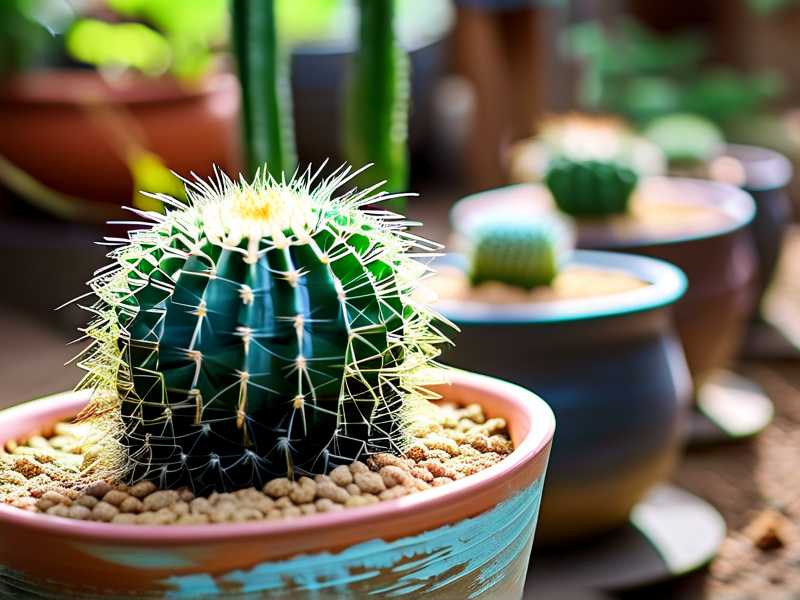
For my 8×10 foot greenhouse, I focused on slow-growing, small to medium species. Echinocactus grusonii (Golden Barrel) was a yes—it grows slowly to a manageable size. Pachycereus marginatus (Mexican Fence Post) was a hard no—it outgrows the space in years.
2. Temperature and Dormancy Requirements Not all cacti want perpetual summer. Many require a cool, dry dormancy period to trigger flowering. The American Horticultural Society (AHS) heat zone map, alongside the hardiness zone, is a useful reference here.
- Cool-Growers (Winter Dormancy): Many Mammillaria, Rebutia, and Echinopsis need winter temperatures between 35-50°F (2-10°C) with absolutely dry soil to bloom spectacularly in spring. My greenhouse, with a small heater to prevent frost, is perfect for these.
- Warm-Growers (No True Dormancy): Jungle cacti like Schlumbergera (Christmas Cactus) or some Rhipsalis prefer more consistent, moderate temperatures and higher humidity. These I placed on shaded, humidified benches.
3. Light Needs: Beyond “Full Sun” The term “full sun” is deceptive. Through a greenhouse panel, intense afternoon sun can cause irreversible photodamage (bleaching and scarring).
- High-Light Champions: Ferocactus, Astrophytum (Star Cactus), and most Opuntia (Prickly Pear) crave the sunniest, hottest spot. They thrived on my south-facing central bench.
- Moderate-Light Performers: Gymnocalycium (Chin Cactus) and many Parodia appreciate bright but filtered light. They did best on the east side or under 30% shade cloth during peak summer.
- The “Two-Week Acclimatization Test”: This is my non-negotiable rule. Every new cactus, regardless of label, goes into a shadier spot than I think it needs. Over two weeks, I observe it daily for any color change. A healthy, dark green cactus turning slightly yellowish or reddish is acclimating to stronger light—this is good. If I see pure white or pale yellow patches (scorch), I move it to a permanently shadier location. One prized Astrophytum myriostigma got scorched on day three because I ignored this rule. I moved it to dappled light, and the scarring stopped, though the marks remain—a permanent lesson.
4. Soil and Watering Compatibility Grouping cacti with similar hydrological needs saves time and prevents rot. I now have three “watering zones” in my greenhouse.
- Zone 1 (Fast-Draining, Infrequent Water): For most desert types (Echinocactus, Ferocactus). I use a gritty mix of 50% pumice, 25% coir, and 25% worm castings. They are watered deeply only when the soil is completely dry, and not at all in winter.
- Zone 2 (Light, Regular Moisture): For epiphytic cacti (Schlumbergera, Epiphyllum). They get a richer, peat-based mix and water when the surface feels dry.
- Zone 3 (Seedlings & Sensitive Types): For young plants and rot-prone genera like Ariocarpus. This zone gets an even grittier mix (80% inorganic) and the most careful, bottom-watering approach.
My Top Recommended Species for Reliable Success
Based on my framework, here are the genera and species that have proven most adaptable and rewarding in my mixed greenhouse environment:
- For Beginners & Predictable Growth: Gymnocalycium baldianum. It tolerates slight overwatering, blooms reliably with pink flowers, and stays compact. A perfect first test plant.
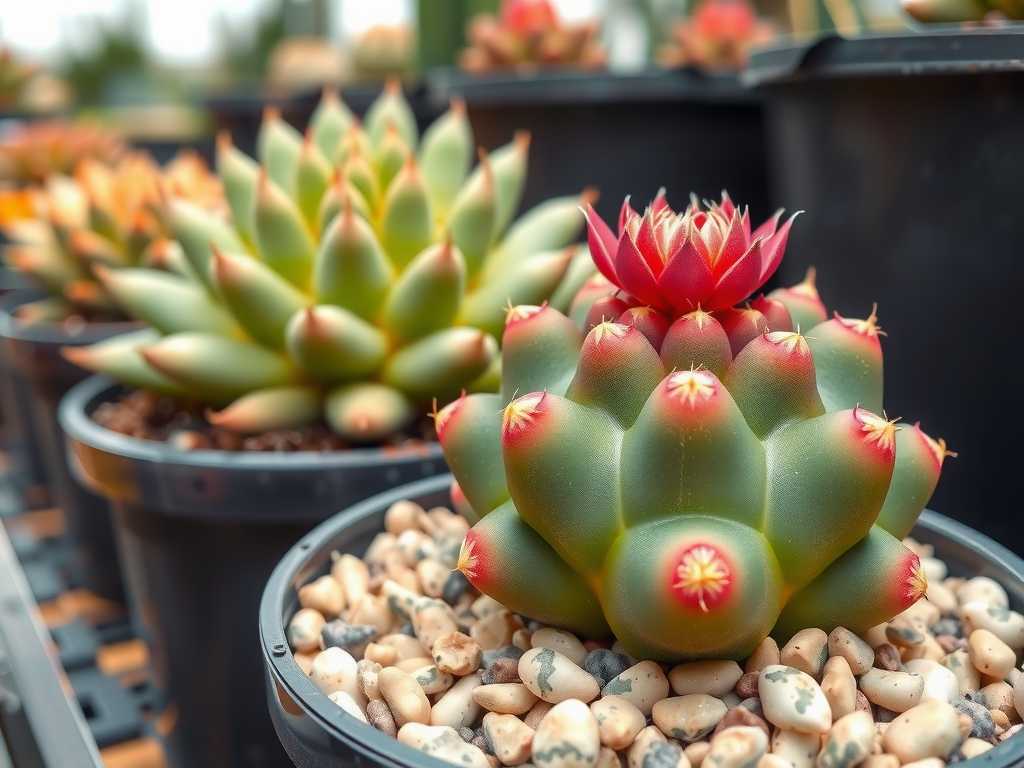
- For Spectacular, Reliable Blooms: Rebutia heliosa. This cool-growing cactus forms stunning clusters and produces a crown of vibrant orange flowers every spring after its dry winter rest. It’s a showcase plant.
- For Architectural Interest & Resilience: Ferocactus hamatacanthus (Turk’s Head). Its formidable hooked spines and robust cylindrical form make a statement. It withstands temperature swings and intense light with grace.
Navigating Common Pitfalls and Solutions
- The Pitfall of Impulse Buying: I bought a beautiful Lophophora williamsii (Peyote) without realizing its extremely slow growth and specific legal considerations in some areas. Solution: Research before you purchase. Understand a plant’s full lifecycle and legal status.
- The “Overcare” Killer: My greatest losses came from overwatering in winter, assuming the warm days meant the plants were active. Solution: In winter, when in doubt, don’t water. Use a moisture meter or a simple wooden skewer to check soil moisture deep in the pot.
- Pest Explosions: A single mealybug on a new Mammillaria spread to three others before I noticed. Solution: Now, every new plant undergoes a strict 2-3 week quarantine in a separate area. I inspect it and treat preemptively with a diluted isopropyl alcohol spray.
Addressing Your Cactus Selection Questions
How many different cactus species can I mix in one greenhouse? You can mix quite a few, but group them by need, not by looks. I have over 30 species, but they are organized into the three “watering zones” and two “light zones” mentioned earlier. This logistical grouping is far more important than creating a perfect aesthetic arrangement.
What is the most common mistake when starting a cactus greenhouse? Assuming all cacti are the same. Treating a Ferocactus and a Christmas Cactus identically will result in the loss of one, if not both. Invest time in learning the native habitat of each genus—it’s the best guide to its care.
Can I grow cacti from seed in my greenhouse? Absolutely, and it’s deeply rewarding. However, seedlings require a consistently warm, humid, and shaded environment (a propagator is ideal) for their first year. They cannot go straight into the harsh conditions of the main greenhouse bench. I start mine on a separate, controlled shelf.
Selecting cacti for your greenhouse is a journey of matching plant intelligence to environmental reality. It’s a dynamic process of observation and adjustment. By starting with a clear understanding of your space, applying a disciplined selection framework, and implementing a strict acclimatization protocol, you build a foundation for success. The joy comes not from filling every empty space immediately, but from watching each carefully chosen specimen adapt, thrive, and eventually bloom in your personal desert oasis.