bluename
 How to Care for Echinopsis Cactus to Encourage Large, Spectacular Blooms
You’ve nurtured your Echinopsis cactus, patiently waiting for its legendary, show-stopping flowers. Yet, season after season, you’re met with lush green growth but no blooms, or perhaps just a few shy, smaller flowers. The frustration is real. Achieving those dinner-plate-sized, vibrantly colored blooms isn't about luck; it's about understanding and replicating the specific conditions this cactus craves. This guide will walk you through the exact steps on how to care for Echinopsis cactus to encourage large blooms, transforming your plant from a quiet succulent into a breathtaking floral performer.
Understanding the Blooming Nature of Echinopsis
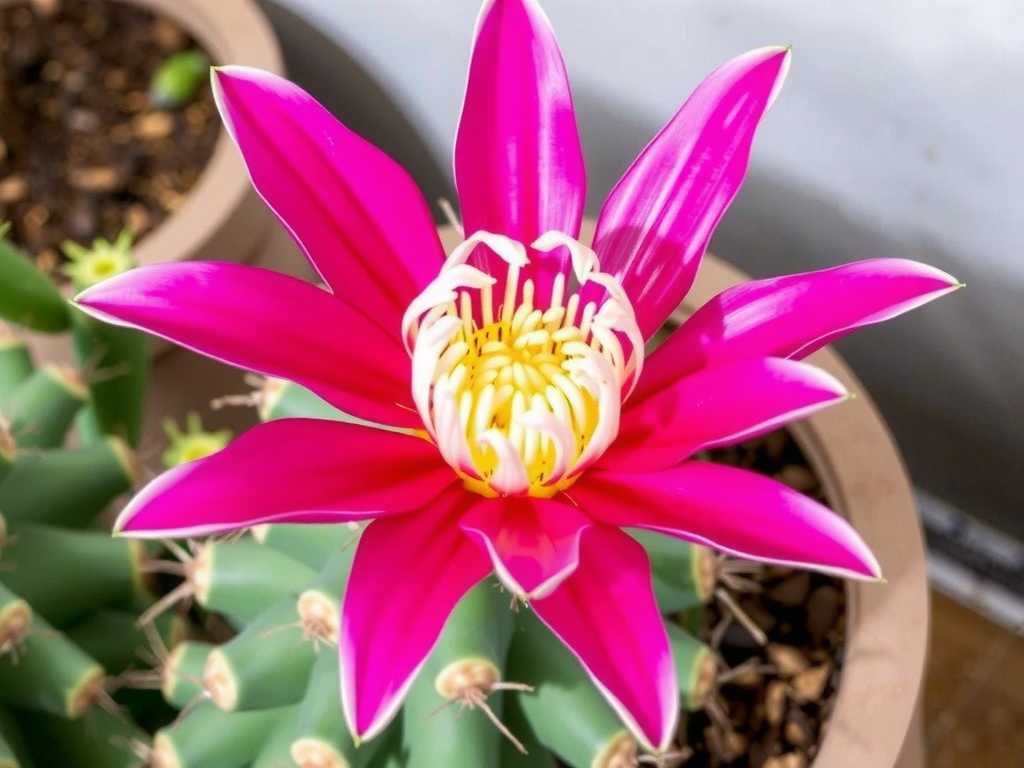
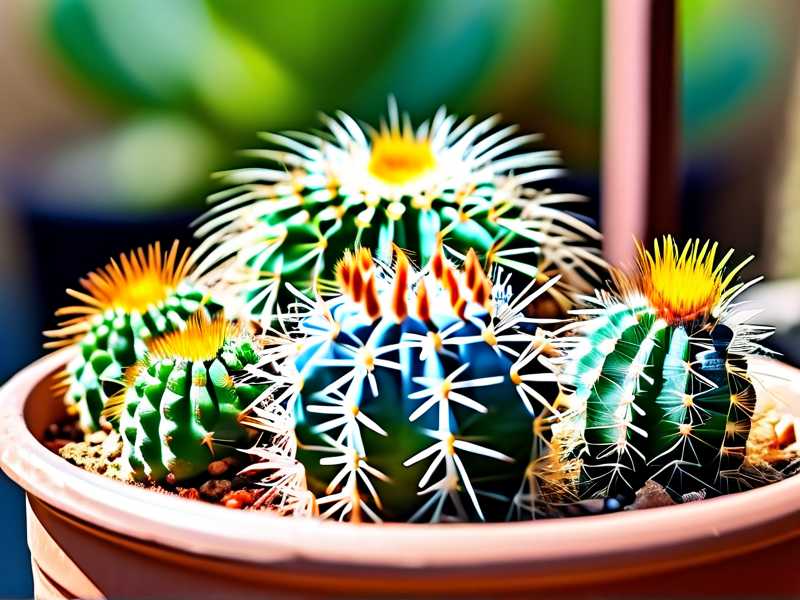
Often called the "Easter Lily Cactus" or "Sea Urchin Cactus," Echinopsis is renowned for its spectacular, often fragrant flowers that emerge from fuzzy areoles. Unlike some cacti that bloom infrequently, a happy Echinopsis can produce multiple flushes of flowers from spring through summer. However, these blooms are the result of a perfect seasonal cycle. The plant requires a distinct period of active growth followed by a crucial rest phase. Getting this cycle wrong is the most common reason for bloom failure. As noted by the Cactus and Succulent Society of America, "Blooming is a cactus's ultimate sign of contentment, signaling that its core needs for light, temperature, and dormancy have been met."
The Essential Pillars for Massive Echinopsis Blooms
Providing Abundant, Direct Sunlight
Light is the primary engine for flowering. Echinopsis needs a minimum of 6-8 hours of direct sunlight daily during its growing season. A south-facing window is ideal indoors. For encouraging large blooms in Echinopsis, insufficient light is the biggest obstacle. The plant may survive in lower light, but it will prioritize survival over reproduction, resulting in etiolated (stretched) growth and no flowers. If you're growing indoors, consider supplementing with a full-spectrum grow light during darker months to maintain intensity.
Mastering the Watering Cycle: Growth vs. Dormancy
Your watering schedule must mirror the plant's natural cycle.
- Spring & Summer (Active Growth): Water thoroughly when the top inch of soil is completely dry. Ensure water drains freely from the pot. This period of ample hydration fuels growth and flower bud formation.
- Fall & Winter (Crucial Dormancy): This is the non-negotiable secret to getting your Echinopsis cactus to flower. Drastically reduce watering to once a month or even less, just enough to prevent severe shriveling. Keep the plant cool (around 50-55°F / 10-13°C). This cool, dry rest period is essential for the plant to set flower buds. Without this stress, it will simply continue vegetative growth.
The Right Soil and Fertilizer Formula
Echinopsis requires fast-draining, gritty soil. A commercial cactus mix amended with extra perlite or pumice (up to 50%) is perfect. This prevents root rot, especially during the dormant period. Feeding is critical for bloom size. During the active growing season (spring to late summer), fertilize every 4-6 weeks with a balanced, water-soluble fertilizer diluted to half-strength. For the final feedings in mid to late summer, switch to a fertilizer higher in phosphorus (the middle number, e.g., 5-10-5) to directly support flower development. Avoid fertilizing entirely during fall and winter dormancy.
Potting and Root Space Considerations
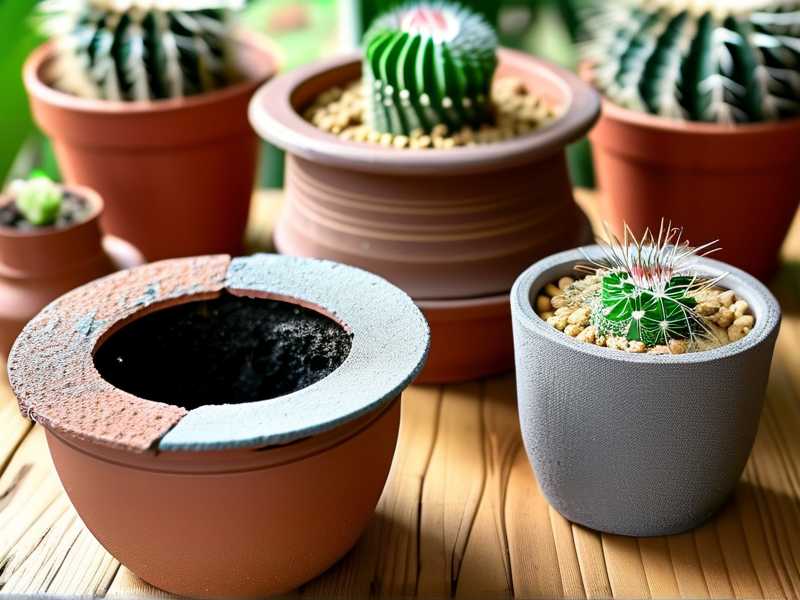
Echinopsis tends to bloom more reliably when slightly pot-bound. A container that is just 1-2 inches wider than the cactus's diameter is sufficient. Repotting is best done in the early spring, just as the growing season begins. Using a pot that is too large holds excess moisture, risking root rot and directing energy to root growth instead of flower production.
Advanced Tips for Maximizing Flower Size and Quantity
Optimizing Temperature Fluctuations
Mimicking natural desert conditions can trigger more prolific blooming. A noticeable drop in temperature between day and night (a difference of 15-20°F / 8-11°C) during the growing season is beneficial. If possible, move your plant outdoors for the summer to experience these natural cycles; just acclimate it gradually to prevent sunburn.
Post-Bloom Care for Repeat Performances
After the magnificent flowers fade, deadhead them by gently twisting them off at the base. Continue with regular growing-season care—full sun, consistent watering, and fertilizing. This allows the plant to recover and store energy for the next bloom cycle or produce offsets (pups).
Troubleshooting: Why Isn't My Echinopsis Blooming?
- "It's all leaves, no flowers": Almost certainly due to insufficient direct sunlight or lack of a proper winter dormancy period.
- "It produced buds but they fell off": This can be caused by a sudden change in environment (moving the plant), inconsistent watering (allowing it to dry out too much after bud formation), or pest infestation.
- "My cactus has never bloomed": Assess all pillars: light exposure, seasonal watering, winter chill, and fertilization history. Young plants may also need to reach a certain maturity before flowering.
Frequently Asked Questions
How long do Echinopsis flowers last? While breathtaking, the individual flowers are famously ephemeral. They typically open in the evening or early morning and last only one to two days. Some hybrids may last slightly longer. The good news is that a mature, healthy plant can produce multiple buds that open in succession over weeks.
Can I force my Echinopsis to bloom? You cannot "force" it, but you can meticulously provide the conditions that make blooming inevitable. The most critical factor you control is enforcing a strict, cool, and dry winter rest period for 8-10 weeks. This seasonal cue is what triggers the plant to initiate flower buds for the coming spring.
Should I remove the pups (offsets) to help the main plant bloom? It depends. A cluster of pups can be beautiful and create a fuller pot that blooms profusely. However, if the plant is directing a lot of energy into growing many offsets, the main stem's blooms might be smaller or fewer. For the largest possible blooms on a single stem, you can remove larger pups and propagate them separately. This allows the mother plant to concentrate its resources.
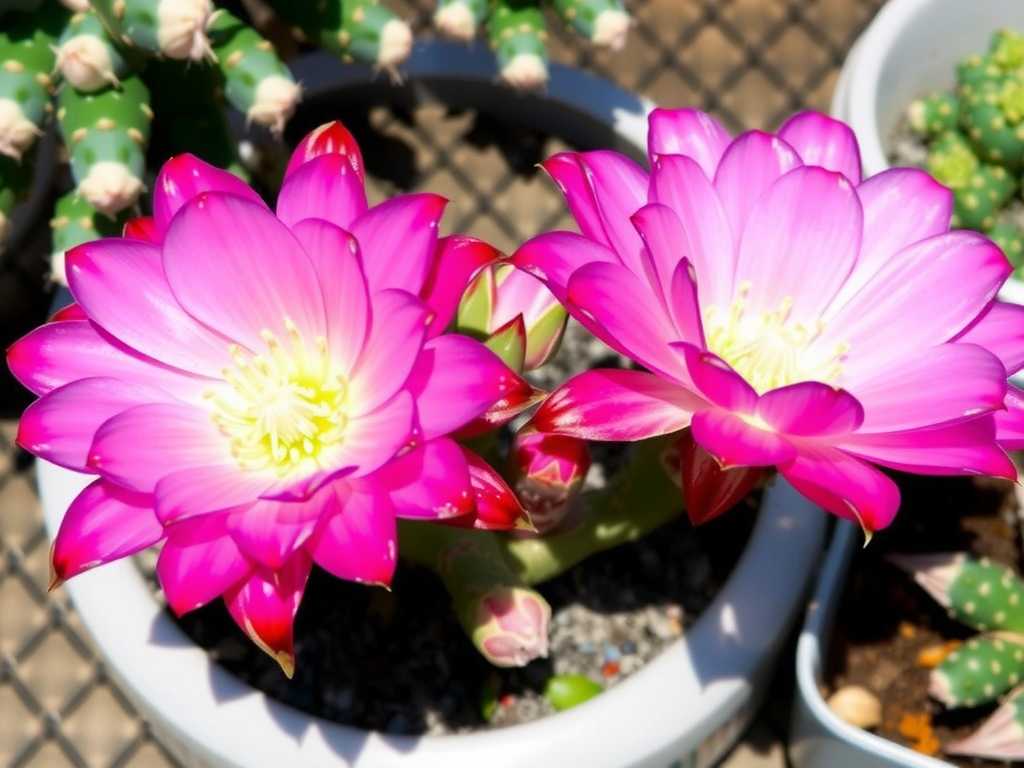
Achieving those colossal, vibrant blooms on your Echinopsis cactus is a rewarding journey of attentive care. It hinges on a simple but strict seasonal rhythm: abundant sun and generous water during its growth phase, followed by a Spartan, cool, and dry winter rest. By aligning your care with this natural cycle, providing the right nutritional support, and ensuring perfect drainage, you move from hoping for flowers to confidently expecting them. The sight of those first giant buds swelling is a clear sign you’ve mastered the art of Echinopsis cactus care for spectacular blooms.