bluename
 How to Care for Your Dancing Cactus to Keep Its Sound and Movement Functions Thriving
You just brought home a fascinating dancing cactus, charmed by its playful wiggles and cheerful tunes. But now, a wave of worry hits. What if the music stops? What if those adorable dances slow to a halt? Keeping your interactive plant friend alive is one thing, but preserving its unique sound and movement functions is the real challenge. Many owners find their cactus slowly becomes a silent, still statue, not knowing the specific care required to maintain its electronic magic. This guide is your solution. We’ll dive deep into the specialized care that ensures your dancing cactus doesn’t just survive, but continues to perform for years to come.
Understanding Your Dancing Cactus: More Than Just a Plant
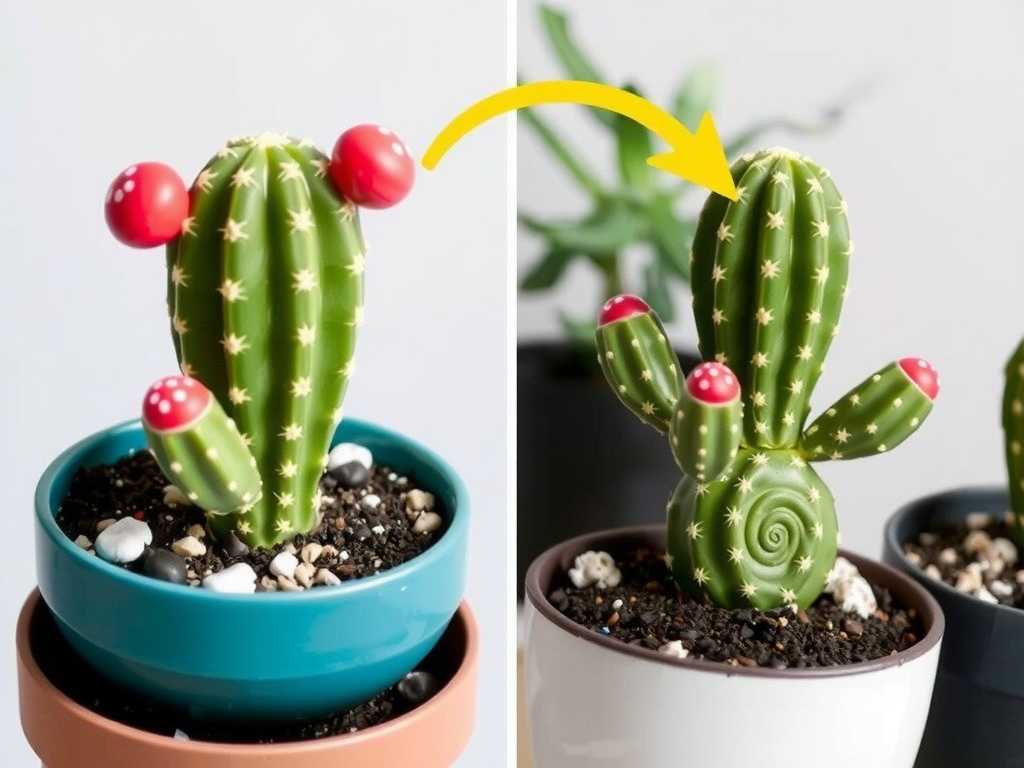
First, let’s clarify what makes this creature special. A dancing cactus is a hybrid of botany and simple robotics. It’s typically a real or realistic artificial cactus plant embedded with motion sensors, a speaker, and mechanical components. When it detects sound or motion, it triggers a pre-programmed dance routine accompanied by music or funny sounds. Therefore, its care is twofold: plant care (for its physical form) and electronic care (for its core functions).
Optimal Environment for Performance
The environment you create directly impacts both the lifespan of the plant and the reliability of its internal electronics.
Light and Placement Your dancing cactus needs bright, indirect light. Direct, harsh sunlight can scorch a live plant and, crucially, overheat the electronic components housed inside the pot. Excessive heat is a primary enemy of batteries, wiring, and small motors. Place it near a window with filtered light but away from radiators, heating vents, or direct afternoon sun.
Temperature and Humidity A stable, room-temperature environment (65-80°F or 18-27°C) is ideal. Extreme cold can damage circuits and drain batteries faster, while extreme heat can warp materials and cause internal malfunctions. Avoid placing it in bathrooms or kitchens where frequent humidity spikes could potentially condense inside the unit, leading to corrosion or short circuits.
Powering the Dance: Battery and Energy Management
This is the heart of keeping the sound and movement functions alive. Neglect here is the most common reason for performance failure.
Choosing the Right Batteries Never use cheap, alkaline batteries for extended periods. They are prone to leakage, and corrosive battery acid will destroy the electronic contacts irreparably. Invest in high-quality, brand-name alkaline batteries for occasional use, or better yet, use rechargeable NiMH batteries. They provide stable voltage and are less likely to leak. As noted by consumer electronics experts, rechargeables are more economical and environmentally friendly for frequently used devices.
Battery Maintenance Routine
- Regular Checks: Even if the cactus is still dancing, mark your calendar to check the batteries every 2-3 months.
- Clean Contacts: When changing batteries, gently wipe the battery compartment’s metal contacts with a dry cotton swab to remove any dust or minor corrosion.
- The “Off” Switch: If you plan to not use your cactus for several weeks, remove the batteries entirely. This prevents any slow, residual power drain or potential leakage from degrading the system.
Dealing with Sound and Movement Issues If movements become jerky or sounds distort, your first step is always fresh batteries. If problems persist with new batteries, gently check for any obvious obstructions in the moving parts and ensure the volume wheel or any control switches are clean and fully functional.
Physical Care and Cleaning
A clean cactus is a happy, functional cactus. Dust and debris are silent killers of both aesthetics and mechanics.
Safe Cleaning Practices Always turn the unit OFF and remove batteries before cleaning. Use a soft, dry microfiber cloth to gently dust the cactus body. For stubborn spots on artificial plants, a slightly damp cloth can be used, but avoid getting moisture near seams or the base where electronics are housed. Never spray cleaners or water directly onto the cactus.
Protecting the Mechanics Be gentle! Avoid forcing movements by hand. The internal gears and motors are small and delicate. Let the sensors trigger the dance naturally. Keep the cactus away from high-traffic areas where it might be frequently bumped or knocked over.
Long-Term Care and Troubleshooting
Proactive care prevents most major issues and extends the functional life of your entertaining companion.
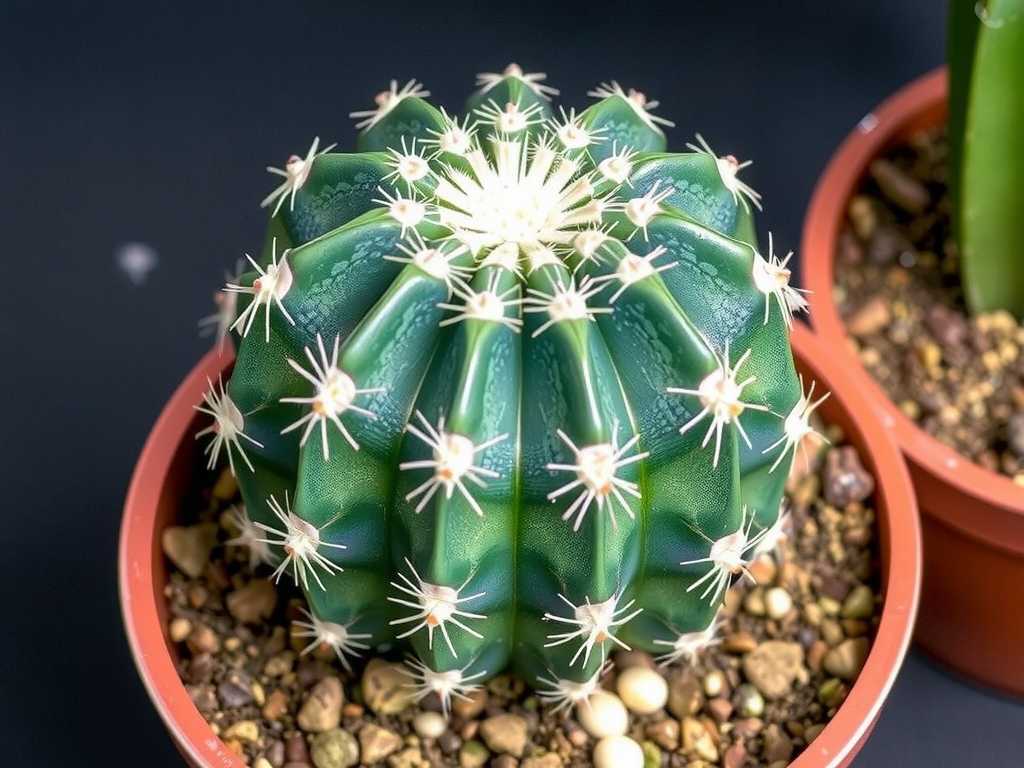
Sensor Sensitivity Most dancing cacti have a sound-activated sensor. Over time, dust can cover the sensor hole (often a small microphone opening). Use a can of compressed air to gently blow away dust from this area, ensuring it remains sensitive to your claps or voices.
When Functions Fade If the cactus stops responding despite fresh batteries and a clean sensor, it may indicate a deeper internal issue, like a loose wire or motor wear. For units under warranty, contact the manufacturer. For others, simple DIY fixes might be possible if you’re handy, but often this signals the natural end of the electronic component’s lifespan. You can still enjoy it as a decorative piece.
Expert Tip for Longevity According to a hobbyist review on interactive toys, “The key to longevity is intermittent use. Don’t leave your dancing cactus switched on continuously for days. Like any mechanical device, its parts need rest. Enjoy it in sessions to reduce wear on the motors and circuitry.”
Why did my dancing cactus suddenly stop moving but still plays sound? This typically points to a mechanical issue separate from the audio circuit. The small motor responsible for movement may have become disconnected, worn out, or jammed. Check for any visible obstructions around the base. If it’s clear, the motor itself may need replacement, which often requires opening the unit.
Can I leave the batteries in if I use it every day? Yes, but with a strict maintenance schedule. Even with daily use, batteries should be checked and replaced or recharged at the first sign of sluggish movement or audio distortion. For daily use, rechargeable batteries are highly recommended to maintain consistent power and avoid leakage risks.
Is it safe to keep my dancing cactus in a child’s room? Generally, yes, as they are designed as interactive toys. However, supervise younger children to ensure they are not overly rough with the cactus (pulling, hitting, or trying to bend it), as this can quickly break the internal mechanisms. Also, be mindful of volume levels to protect little ears.
Preserving the joy of a dancing cactus requires a blend of common sense plant care and mindful electronic maintenance. By providing a stable, cool environment, managing its power source diligently with quality batteries, and keeping it clean and dust-free, you actively protect the components that create its charm. Remember, these are delightful gadgets with a finite operational life, but with proper care, you can maximize their period of song and dance. Enjoy the unique personality it brings to your space, and let its cheerful movements continue for as long as possible.