bluename
 How to Select Pet-Safe Opuntia Cactus Species for Family Homes
Bringing the sculptural beauty of desert plants into your home is a wonderful way to add unique character. For families with curious cats and dogs, however, this dream can quickly turn into a nightmare of worry. You adore the striking, paddle-shaped forms of Opuntia cacti, but the sight of those glistening spines sends a chill down your spine every time your pet sniffs nearby. The fear is real: are these plants toxic? Could a playful swat lead to a painful, spine-filled emergency vet visit? The good news is that with careful selection, you can absolutely enjoy the resilience and beauty of Opuntia cacti without compromising your pet's safety. This definitive guide is designed to help you navigate the world of pet-safe Opuntia cactus species, ensuring a harmonious and hazard-free green space for every member of your household, furry ones included.
Understanding the Real Risks: Opuntias, Pets, and Safety
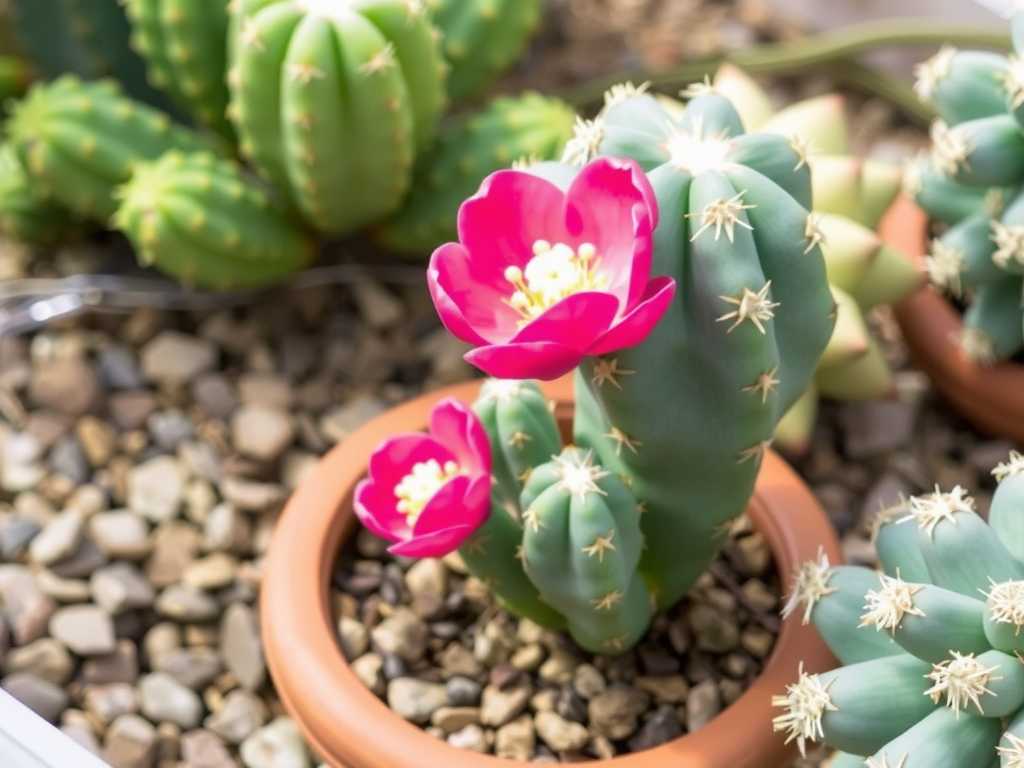
Before diving into safe species, it’s crucial to separate fact from fiction. The primary danger from most Opuntia cacti is not systemic toxicity but physical injury and localized irritation.
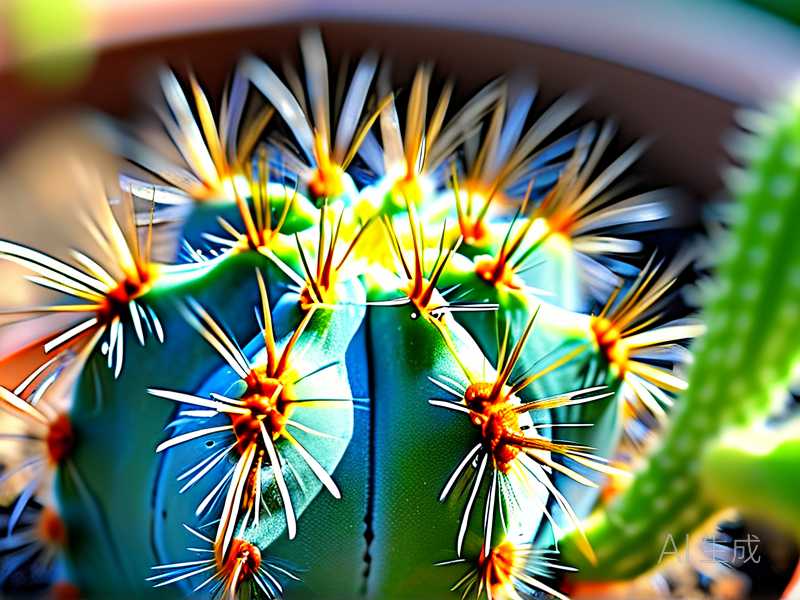
- The Spine Hazard: Glochids are the greatest concern. These are tiny, hair-like barbed spines found in clusters on the pads of many Opuntias. They detach with the slightest touch, embedding in skin and mucous membranes, causing intense irritation, swelling, and potential infection. If ingested, they can cause serious oral, throat, and gastrointestinal distress.
- Toxicity Considerations: According to the ASPCA, many Opuntia species are not listed as systemically toxic. However, the physical damage from spines can be severe enough to require veterinary care. Furthermore, any plant material ingested in large quantities can cause stomach upset in pets.
Your goal, therefore, is to find species that minimize or eliminate these physical threats, creating a truly pet-friendly home environment.
Criteria for Choosing a Pet-Safe Opuntia Cactus
Selecting the right cactus involves looking at specific, tangible features. Use this checklist when evaluating any Opuntia for your home.
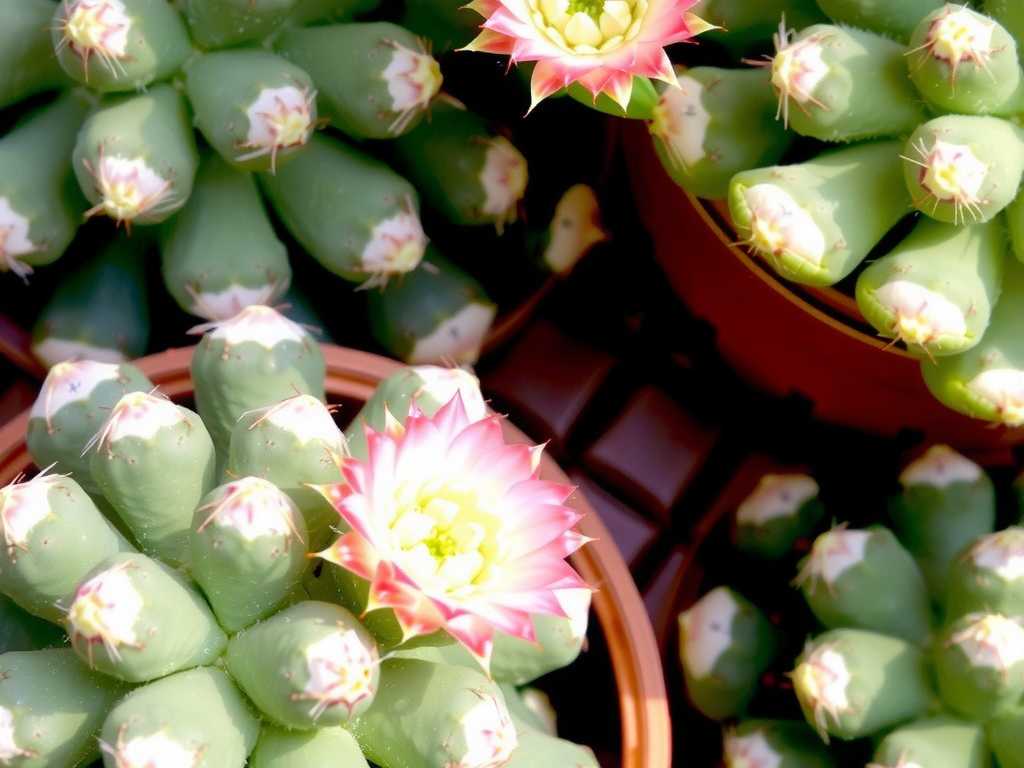
- Minimal or No Glochids: This is the non-negotiable rule. The ideal pet-safe Opuntia variety will have smooth, spineless pads or glochids that are so minimal they pose negligible risk.
- Blunt or Deciduous Spines: Some safe species may have larger central spines, but if they are few, blunt-tipped, or fall off easily (deciduous), the risk is significantly reduced compared to clusters of fine glochids.
- Growth Habit and Size: Consider a species that stays compact or manageable. A large, heavy pad falling onto a pet could cause injury, regardless of spines.
- Reputable Source: Always purchase from a trusted nursery that can accurately identify the species. Mislabeling is common in the plant trade.
Top Recommended Pet-Safe Opuntia Species for Indoor Homes
Based on the criteria above, here are specific Opuntia species renowned for their safety and suitability for homes with pets.
Opuntia ellisiana (Spineless Nopal) Often hailed as the champion of family-friendly cacti, Opuntia ellisiana is a top recommendation from horticultural experts for pet-owning households. True to its common name, mature pads are typically completely spineless and lack glochids, presenting a smooth, blue-green surface. It grows in a classic, upright pad-forming habit and can even produce beautiful yellow or red flowers. Its harmless nature makes it an excellent choice for beginners and a centerpiece in a safe indoor garden.
Opuntia cacanapa ‘Ellisiana’ (Another Spineless Variety) This is a specific cultivar celebrated for its reliability. It maintains its spineless characteristic consistently as it matures. Like O. ellisiana, it offers the authentic Opuntia look without the dangerous barbs, providing immense peace of mind.
Opuntia ficus-indica (Indian Fig) – Select Cultivars The commercial prickly pear grown for fruit can be very spiny. However, cultivated varieties bred for fruit production, such as ‘Burbank’s Spineless’ or other named spineless cultivars, are excellent options. Always verify the specific cultivar’s traits with the seller. These plants offer the bonus of potentially edible fruit (for humans) and a large, architectural form.
Opuntia microdasys var. pallida (Bunny Ears Cactus) – A Word of Caution This popular cactus with cute, pad-like "ears" is frequently suggested but requires extreme caution. While it lacks long spines, its ears are densely covered with glochid clusters (areoles). These glochids readily become airborne and can embed in skin. For this reason, many pet safety guides advise against it for homes with playful or curious pets. If you must have one, place it in an entirely inaccessible, high location.
Safe Placement and Pet Training Strategies
Choosing a safe species is the first step; responsible placement is the second.
- Elevate and Separate: Use high shelves, hanging planters, or rooms that can be closed off. Even safe plants can cause mild stomach upset if chewed on.
- Provide Pet Alternatives: Cats often chew plants out of boredom or for fiber. Grow a pot of pet grass (wheatgrass or oatgrass) as a safe, attractive alternative to divert their attention.
- Use Positive Reinforcement: Train your pet with a firm "leave it" command and reward them for ignoring the plants. Consistency is key.
Care Guidelines for Your Pet-Safe Opuntia
These resilient plants thrive on neglect, making them perfect for busy families.
- Light: Provide the brightest light possible—a south or west-facing window is ideal.
- Soil and Pot: Use a fast-draining cactus/succulent mix and a pot with a drainage hole. Terracotta pots help wick away excess moisture.
- Watering: The golden rule is "soak and dry." Water thoroughly only when the soil is completely dry, then let excess drain away. Reduce watering significantly in winter.
- Handling: Even with spineless varieties, it’s wise to handle new plants with gloves until you’re certain of their condition, and wash your hands afterward.
What to Do in Case of Pet-Cactus Contact
Accidents can happen. Stay calm and act quickly.
- Do Not Panic: Assess the situation. Has your pet ingested plant material or just brushed against it?
- Spine/Glochid Removal: Do not use bare hands. Use tweezers and a magnifying glass for large spines. For glochids, apply and remove sticky tape (like duct tape) repeatedly to the affected area. A paste of baking soda and water can help soothe skin.
- Ingestion: If your pet has chewed or swallowed cactus material, especially from an unknown or spiny type, contact your veterinarian or the ASPCA Animal Poison Control Center (888-426-4435) immediately. Monitor for signs of oral pain, drooling, pawing at the mouth, vomiting, or lethargy.
- Seek Veterinary Care: If you cannot remove embedded spines, if swelling is severe, or if ingestion symptoms appear, take your pet to the vet promptly.
Frequently Asked Questions
Are all "spineless" cactus varieties safe for pets? While "spineless" greatly reduces the risk, always inspect the plant yourself. Some may still have small, barely visible glochids. Opuntia ellisiana and its verified cultivars are considered the most reliably safe. It's also important to remember that any plant can cause gastrointestinal blockage or upset if consumed in large amounts.
My dog ate a small piece of my Opuntia pad. What should I do? First, identify the cactus species if possible. If it's a confirmed spineless, pet-safe variety, your dog will likely be fine but may experience mild stomach discomfort. Offer water and monitor closely for vomiting, diarrhea, or loss of appetite. If the cactus was spiny or unknown, or if symptoms develop, call your vet immediately, as glochids can cause internal damage.
Can I still have other types of cacti if I have pets? Yes, but you must research meticulously. Many non-Opuntia cacti like Mammillaria or Echinopsis have hard spines that are less likely to detach than glochids but can still cause puncture wounds. The key is to avoid cacti with fine, hair-like spines or glochids, ensure the plant is non-toxic, and place it completely out of reach. Always prioritize plants from verified pet-safe lists.
Creating a home that is both stylish and safe for your entire family is entirely achievable. By focusing on proven pet-safe Opuntia cactus species like the spineless varieties, you eliminate the primary dangers associated with these desert plants. Responsible selection, coupled with strategic placement and attentive care, allows you to cultivate a stunning, low-maintenance indoor landscape where both your plants and your pets can thrive in harmony. Start your search with confidence, knowing you are making an informed choice for a beautiful and secure family home.