bluename
 How to Differentiate Columnar vs Globular Cactus Species: A Visual and Practical Guide
Have you ever stood before a stunning cactus collection, utterly captivated, yet completely confused? You’re not alone. For plant enthusiasts and budding botanists, telling the difference between a towering columnar cactus and a compact globular cactus can be surprisingly tricky. Misidentification leads to improper care—wrong watering schedules, insufficient light, or unsuitable soil—ultimately harming these resilient but specific plants. This guide cuts through the confusion. We will equip you with a clear, actionable framework to confidently distinguish between these two major cactus growth forms, ensuring your spiky friends not only survive but thrive.
Understanding this fundamental difference is the first step to becoming a knowledgeable cactus caretaker.
Understanding Cactus Growth Forms: More Than Just Shape
At their core, columnar and globular cacti represent two distinct evolutionary strategies for survival, primarily in arid environments. Their shape is a direct response to factors like water storage, sunlight exposure, and temperature regulation.
A cactus's form is its blueprint for life in the desert.
The Defining Characteristics of Columnar Cacti
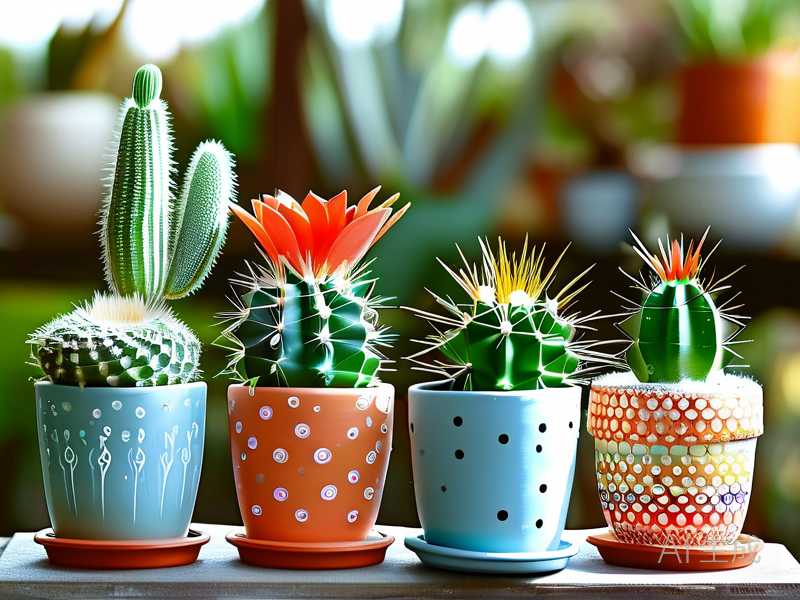
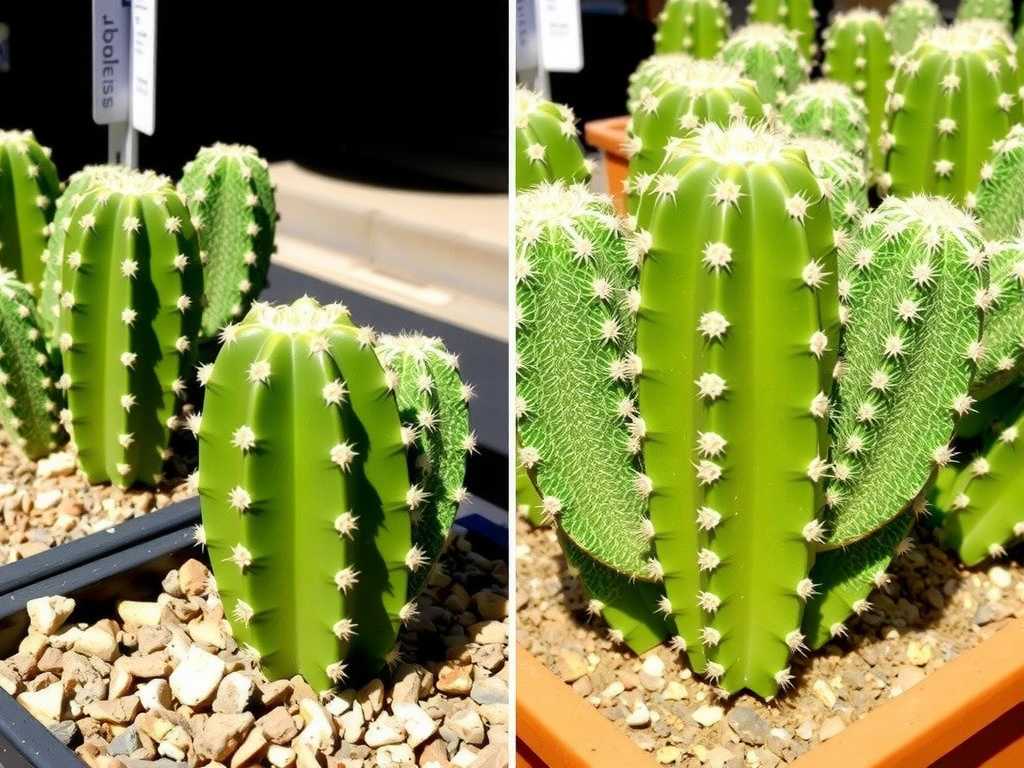
Columnar cacti, as the name suggests, grow vertically in a column-like or cylindrical shape. Think of them as the skyscrapers of the cactus world. This form is an adaptation for maximizing height to reach sunlight in competitive landscapes and for efficiently managing water resources and surface area.
Primary Visual Cues:
- Vertical Growth Habit: The most obvious sign. These cacti grow predominantly upward, often with a single, dominant stem. Some may branch, but the branches themselves maintain a columnar form.
- Prominent Ribs: They typically feature well-defined, vertical ribs running from top to bottom. These ribs allow the stem to expand like an accordion to store water during rare rains and contract during drought.
- Size Potential: While young specimens may resemble globular forms, their true nature is revealed as they mature, often reaching impressive heights, even in cultivation.
Common examples you might recognize include the iconic Saguaro (Carnegiea gigantea), the Organ Pipe Cactus (Stenocereus thurberi), and the popular Blue Candle (Myrtillocactus geometrizans).
The Defining Characteristics of Globular Cacti
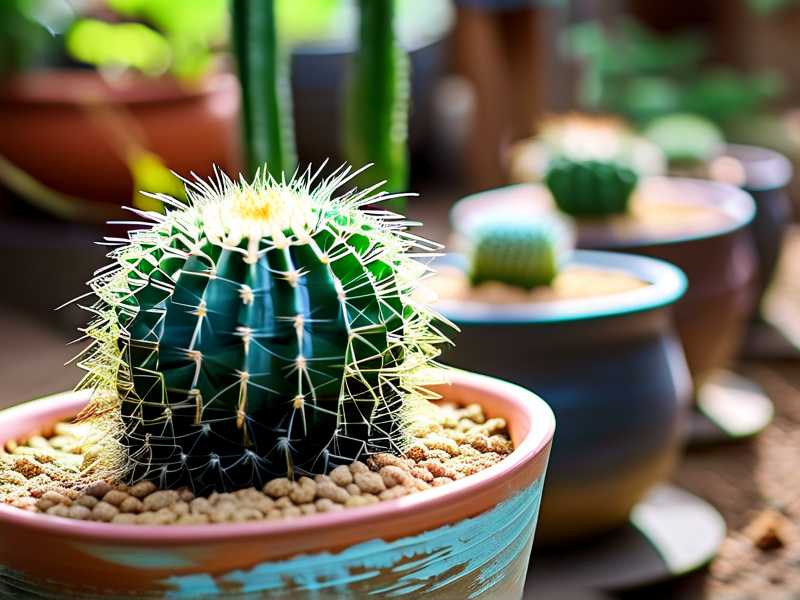
Globular cacti, also called barrel-shaped or ball cacti, adopt a rounded, often spherical form. This is an adaptation for minimizing surface area relative to volume, which reduces water loss in extremely harsh, exposed environments.
Primary Visual Cues:
- Rounded, Compact Shape: Their growth is centered around widening and rounding out, though they may eventually become cylindrical with age (a state sometimes called "columnar in age").
- Rib Structure: They also possess ribs, but these can be more numerous and sometimes less sharply defined than in columnar types. The ribs are crucial for the plant's expansion and contraction.
- Low Profile: They generally remain close to the ground, a strategy that minimizes exposure to drying winds and intense sunlight.
Familiar globular species include the golden Golden Barrel Cactus (Echinocactus grusonii), the fuzzy Old Man Cactus (Cephalocereus senilis) in its youth, and the diverse genus Mammillaria, which often clusters.
Your Step-by-Step Identification Checklist
When you encounter an unknown cactus, follow this practical, four-step assessment. According to Dr. Elena Flores, a botanist specializing in succulent adaptations, "A systematic approach focusing on growth axis, rib pattern, and areole placement is far more reliable than a glance at overall shape alone."
Step 1: Assess the Primary Growth Direction Observe the plant's main body. Is its energy directed overwhelmingly upward, suggesting a vertical column? Or is it focused on outward expansion, creating a wide, rounded profile? Look at the apex (top); a columnar cactus's growing tip is clearly oriented skyward.
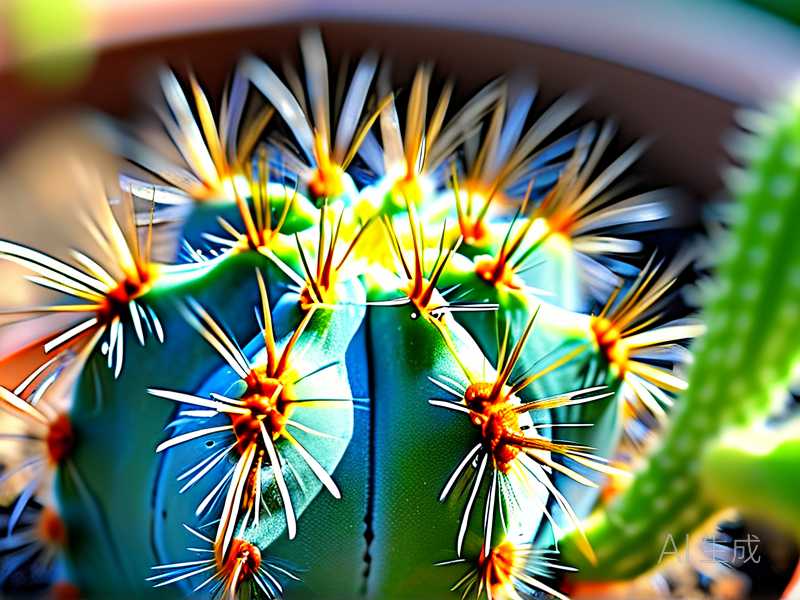
Step 2: Examine the Rib and Areole Pattern Run your eyes along the cactus body. Count the ribs if you can. Are they deep, vertical, and relatively few (often 5-20 in columnar types)? Or are they numerous, sometimes arranged in a spiral, and creating a more segmented, "ball-like" appearance? Note the areoles (the fuzzy spots where spines emerge). Their alignment along the rib crests is a key identifier for both forms.
Step 3: Consider the Size and Proportion While size alone isn't definitive, proportion is. A young cactus that is already taller than it is wide is likely columnar. A cactus that remains wider than tall for many years is typically globular. Ask about its mature size; a plant destined to reach 6 feet tall is almost certainly columnar.
Step 4: Analyze the Clustering or Branching Behavior Does the plant grow as a single, solitary unit? Many globular cacti start this way. Does it produce offsets or "pups" at its base to form a cluster? Many Mammillaria do. Does it branch high up on its main stem, like arms on a Saguaro? That is a classic trait of mature columnar cacti.
Why Correct Identification Matters for Plant Care
Getting the ID right directly translates to better plant health. Their shape dictates their needs.
Light Requirements: Columnar cacti, built for height, often thrive with more intense, direct sunlight to fuel their vertical growth. A south-facing window is ideal. Globular cacti, while still sun-loving, can sometimes tolerate slightly less intense direct light due to their minimized surface area, but this varies by species.
Watering and Soil Strategy: The massive water storage capacity of a large columnar cactus means its soil can dry out more completely between waterings. A deep but infrequent watering method works best. For globular cacti, their smaller soil volume requires a careful balance—thorough watering followed by complete drying to prevent rot. Both require exceptionally well-draining soil, but pot selection differs: deeper pots for columnar roots, wider pots for globular root systems.
Potting and Repotting Tips: Repotting a heavy, spiky globular cactus requires careful handling to avoid damage to its rounded body. Columnar cacti need stable, heavy pots to prevent top-heavy tipping. Staking may be necessary for tall, thin columnar specimens.
Navigating the Exceptions and Tricky Cases
The cactus family is wonderfully diverse, and some species blur the lines. Some globular cacti, like certain Ferocactus, become columnar as they mature. Conversely, some columnar cacti branch so low and densely they appear shrubby.
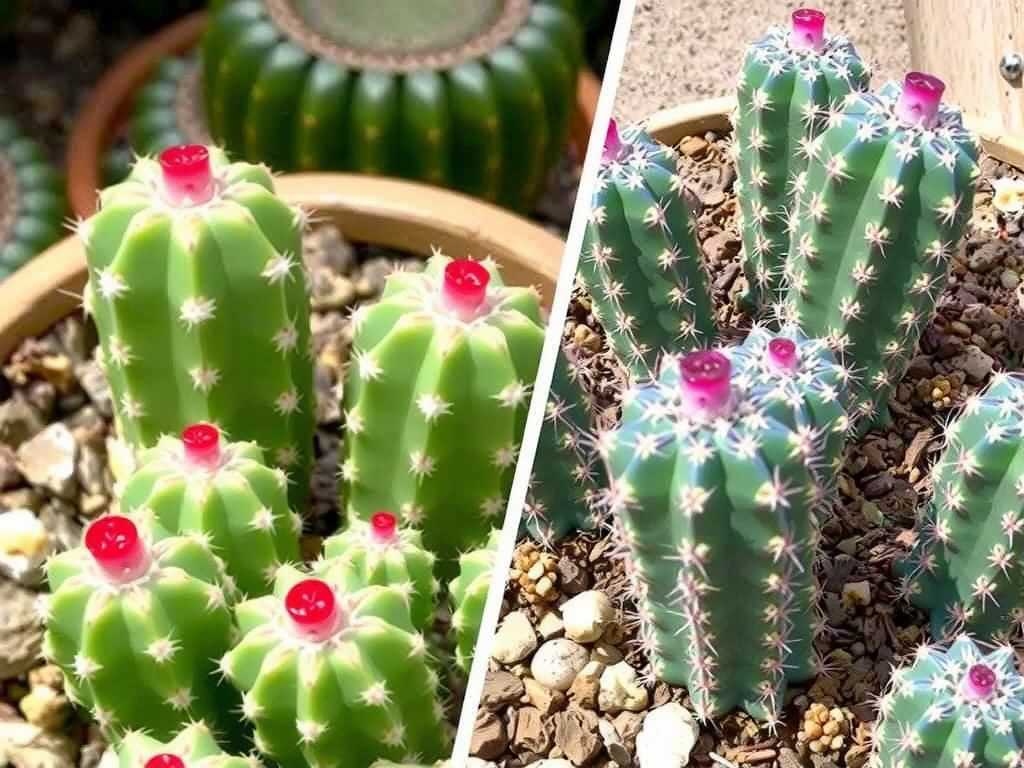
When in doubt, research the genus. Mammillaria and Rebutia are almost always globular or clustering. Trichocereus and Pachycereus are typically columnar. Using the checklist and then verifying with a genus-specific resource is a failsafe method.
How can I tell if my small, round cactus is a young columnar or a true globular type? Examine its growth pace and apex. A young columnar cactus will show a strong, centralized upward growth point and may gain height noticeably within a growing season. A true globular cactus will expand its girth more than its height, and the growing point is more central and flat.
Are the spine types different between columnar and globular cacti? Not reliably. Spine length, color, and number are species-specific traits, not growth-form-specific. A globular cactus can have long, fierce spines (e.g., Ferocactus), and a columnar cactus can have short, hair-like spines (e.g., some Cleistocactus). Use spines to identify species after determining the growth form.
Which growth form is better for indoor growing? Globular cacti are often more suited to typical indoor spaces due to their slower growth and smaller, manageable size. Many columnar cacti eventually outgrow indoor environments unless you have very high ceilings and abundant light. However, young specimens of either form can thrive indoors with proper care.
Distinguishing between columnar and globular cacti is a skill that deepens your appreciation for these remarkable plants. By moving beyond a simple glance and systematically observing growth direction, rib structure, and mature proportions, you unlock the ability to provide tailored care. Remember, the goal is not just to label a plant, but to understand the story its shape tells—a story of survival, adaptation, and natural elegance. Start applying this framework to your own collection, and you’ll move from uncertainty to confident, knowledgeable cultivation.