bluename
 How to Choose Cold-Hardy Snow Velvet Cactus Species for Northern Gardens
Dreaming of a resilient, low-maintenance garden that thrives despite harsh winters? For northern gardeners, the quest for unique, frost-tolerant plants often hits a wall. You want the sculptural beauty and drought resistance of cacti, but most species simply can't survive the freeze. This is where understanding how to choose cold-hardy Snow Velvet Cactus species becomes your key to success. These remarkable plants, known for their velvety texture and surprising resilience, can transform your landscape. This guide will walk you through the essential steps to select the perfect varieties for your climate, ensuring a stunning and sustainable garden year after year.
Understanding Cold Hardiness in Cacti
Not all cacti are created equal when it comes to tolerating cold. True cold hardiness involves a plant's ability to survive prolonged freezing temperatures, not just a brief overnight chill. The Snow Velvet group, primarily from the Maihueniopsis and Tephrocactus genera, have evolved in high-altitude South American regions where temperatures plummet. Their secret lies in specialized adaptations. They efficiently expel water from their cells to prevent ice crystal formation, which causes fatal damage. Furthermore, their dense, velvety spines (the "snow velvet" texture) create a micro-insulating layer, trapping dry air and protecting the sensitive epidermis from frost and winter sunscald.
Before you fall in love with a specific look, you must know your zone. The USDA Plant Hardiness Zone Map is your foundational tool. It provides the average annual extreme minimum temperature for your area. A cactus labeled "hardy to Zone 5b" can theoretically survive temperatures down to -15°F to -10°F (-26°C to -23°C). However, zone ratings are a starting point, not a guarantee. Microclimates in your own yard—such as a south-facing stone wall that radiates heat or a low, wet spot where cold air settles—can significantly alter real-world conditions.
Key Criteria for Selecting Your Plants
Your first filter is the official cold-hardiness rating. Reputable nurseries specializing in cold-hardy cacti will provide this information. Look for species consistently rated for at least one zone colder than your own to build in a safety margin. For a gardener in Zone 6, aiming for varieties hardy to Zone 5 is a prudent strategy. This accounts for unusually severe winters or unexpected wet conditions during the cold season, which is often more dangerous than dry cold.
While hardiness is paramount, you also need a plant suited to your specific growing conditions. Assess your garden's sun exposure. Most cold-hardy Snow Velvet cacti demand full, unfiltered sun—at least 6 to 8 hours daily—to maintain compact growth and develop their characteristic dense spine coverage. Soil is equally critical. Perfect drainage is non-negotiable. These cactus species will quickly rot in heavy, water-retentive clay. They require a gritty, mineral-based soil mix, often 50-70% inorganic material like coarse sand, pumice, or crushed granite. Consider your goal: are you creating a dedicated rock garden, a container display, or a xeriscape border? Dwarf, clumping species are ideal for pots and small spaces, while larger, spreading types can serve as groundcover in expansive, sunny slopes.
Top Recommended Cold-Hardy Snow Velvet Cactus Species
This genus is a top contender for northern gardens. Maihueniopsis clavarioides is a standout, hardy to Zone 5. It forms low, sculptural clusters of gray-green, finger-like stems covered in a soft, velvety armor of spines. Its growth habit is slow and manageable, making it excellent for containers or the front of a sunny border. Another excellent choice is Maihueniopsis glomerata. It creates dense, cushion-like mounds of small, cylindrical segments. Its extreme cold tolerance (also to Zone 5) and striking, pin-cushion appearance make it a prized specimen for the alpine or rock garden.
Often sharing the "Snow Velvet" common name, Tephrocactus offers unique forms. Tephrocactus articulatus var. papyracanthus, the "Paper Spine Cactus," is fascinating, with long, flexible, paper-like spines protecting its segments. It's slightly less cold-tolerant than some Maihueniopsis, typically hardy to Zone 7 or 8, but is a fantastic option for gardeners in milder northern zones or for container culture that can be moved to shelter. For sheer woolly texture, look to Tephrocactus molinensis. This species is covered in long, hair-like, white spines that truly embody the "velvet" name, providing exceptional insulation and a stunning visual contrast against dark rocks.
Planting and Ongoing Care for Success
The right planting technique sets the stage for survival. The ideal time is late spring to early summer, giving the cactus a full season to establish roots before winter. Dig a shallow, wide hole and amend the native soil heavily with grit. Create a small mound of your gritty mix and place the cactus so its root crown sits slightly above the surrounding soil level. This prevents water pooling at the base. Backfill with more gritty mix and top with a layer of gravel or small stones as mulch. This stone mulch keeps the stem dry, suppresses weeds, and absorbs daytime heat to radiate at night.
The mantra for watering cold-hardy cacti is "soak and dry." Water deeply only when the soil is completely dry, and then allow it to dry out again. In northern climates, you must actively promote dormancy. Starting in late summer, reduce watering. By early fall, cease watering altogether. A dry plant entering dormancy is far more cold-resistant than a hydrated one. No fertilizer is needed in winter. Come spring, resume watering only after consistent warm temperatures have returned and you see signs of new growth.
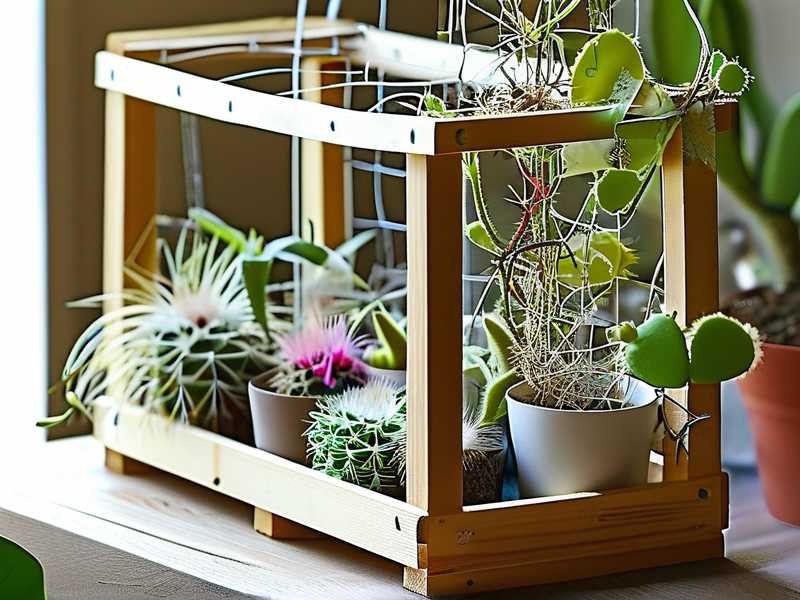
While these plants are built for cold, they still benefit from thoughtful winter protection, especially in their first few years or during excessively wet, snowy winters. The main enemy is not cold air, but cold, wet soil. A simple pane of glass or clear plastic positioned over the plant (but not touching it) to shield it from excess rain and snowmelt can be a game-changer. For smaller plants, a temporary cold frame or a layer of dry oak leaves covered with chicken wire to hold them in place can provide extra insulation. Avoid materials like bark mulch or leaves that stay damp and smother the plant.
Frequently Asked Questions
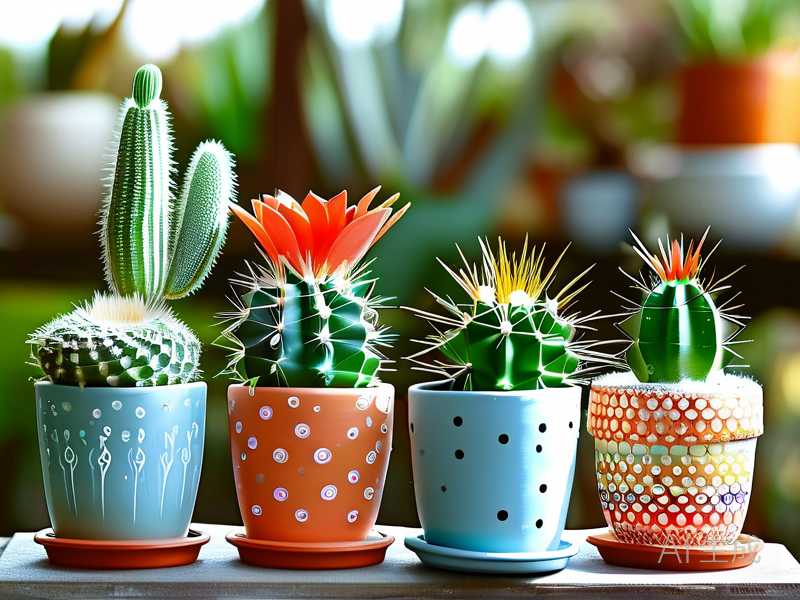
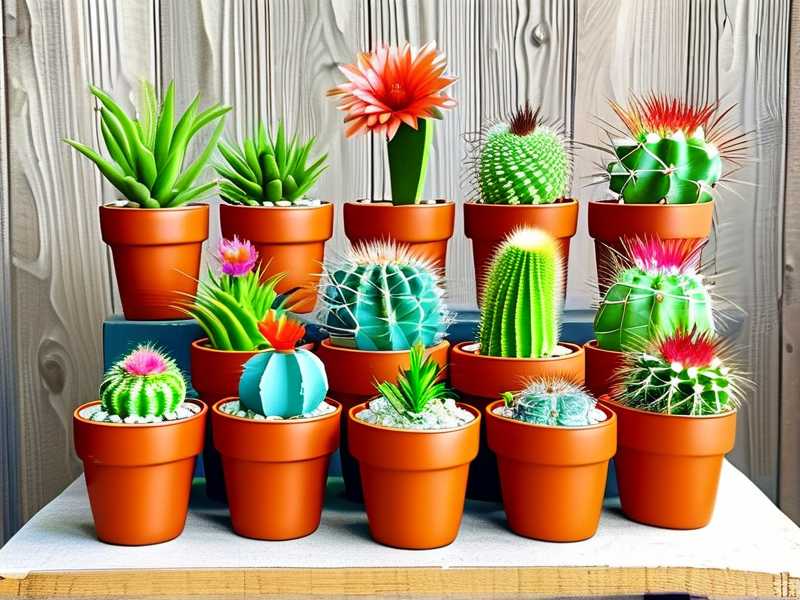
Can I grow these cacti in containers? Absolutely. Container gardening offers superior drainage control, which is a major advantage. Use an unglazed terracotta pot with a large drainage hole and a very gritty cactus mix. The main consideration is that potted roots are more exposed to freezing temperatures. In zones at the limit of the plant's hardiness, you can move the pot to an unheated garage or against a sheltered house foundation for the winter, ensuring it remains completely dry.
What is the biggest mistake northern gardeners make with these plants? Overwatering, especially in autumn and spring, is the most common cause of failure. The instinct to "water before a freeze" is exactly wrong for cacti. They must enter winter with dry soil. Similarly, eager watering in early spring when the air is warm but the soil is still cold and damp can lead to root rot. Patience is key.
Will they flower in a northern climate? Yes, mature and well-established plants will reward you with blooms. The flowers are often surprisingly large and vibrant relative to the plant's size, typically appearing in late spring or early summer. Maihueniopsis species often produce bright yellow or orange flowers, while some Tephrocactus may have white, pink, or red blooms. Consistent summer sun and a proper dormancy period are crucial for encouraging flowering.
Embracing cold-hardy Snow Velvet cacti opens a new dimension in northern gardening. It moves beyond mere survival to cultivating a landscape of unique texture, sculptural form, and resilient beauty. By starting with your zone, selecting proven species, and mastering the simple but critical care regimen of perfect drainage and seasonal dryness, you can confidently grow these extraordinary plants. Your garden will become a testament to the fact that even in the chill of the north, the stark, elegant beauty of the desert can not only survive but truly thrive.