bluename
 How to Grow Dancing Cactus Species as a Fun Indoor Decoration
Have you ever looked at your collection of houseplants and felt something was missing? Perhaps you crave a touch of whimsy, a living piece of decor that doesn't just sit there but seems to have a personality of its own. Enter the fascinating world of how to grow dancing cactus species. These aren't your typical, stoic cacti. With their charming, twisting stems that resemble playful dancers frozen in motion, they offer a unique blend of low-maintenance greenery and captivating sculptural form. Yet, many plant enthusiasts bring one home only to face curling stems, lack of growth, or worse, rot. The common pain point isn't a lack of love, but a misunderstanding of their specific, yet simple, needs. This guide will transform you from a curious admirer into a confident caretaker, ensuring your dancing cactus not only survives but thrives as the ultimate conversation-starting indoor decoration.
Understanding Your Dancing Cactus: More Than Just a Plant
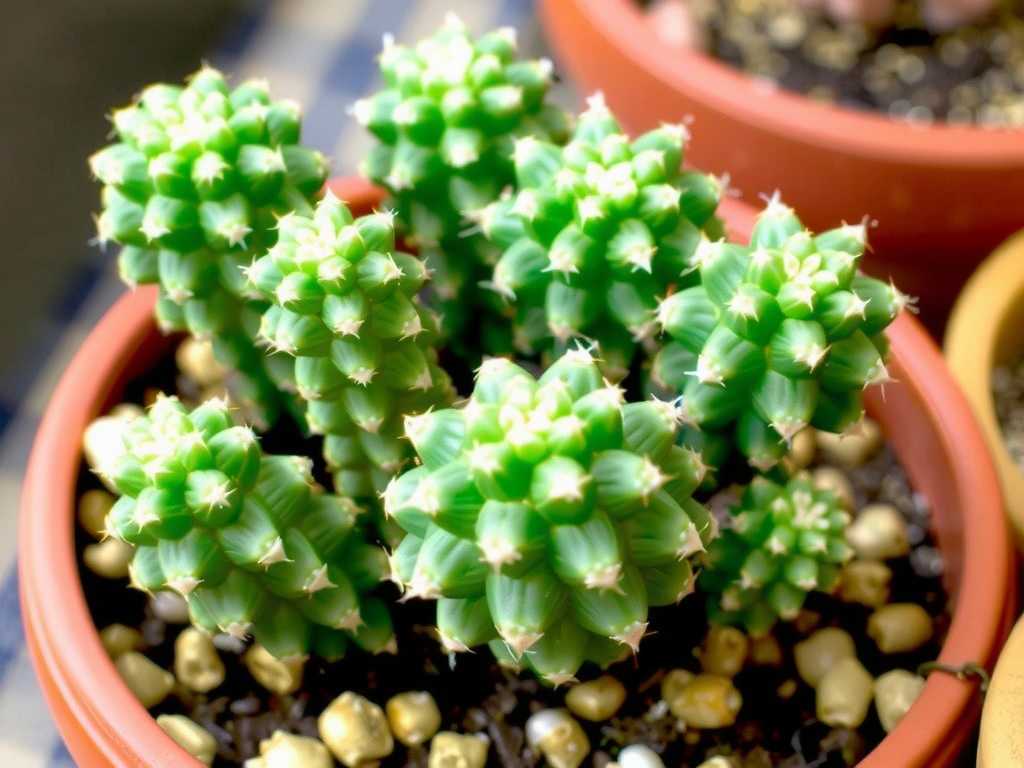
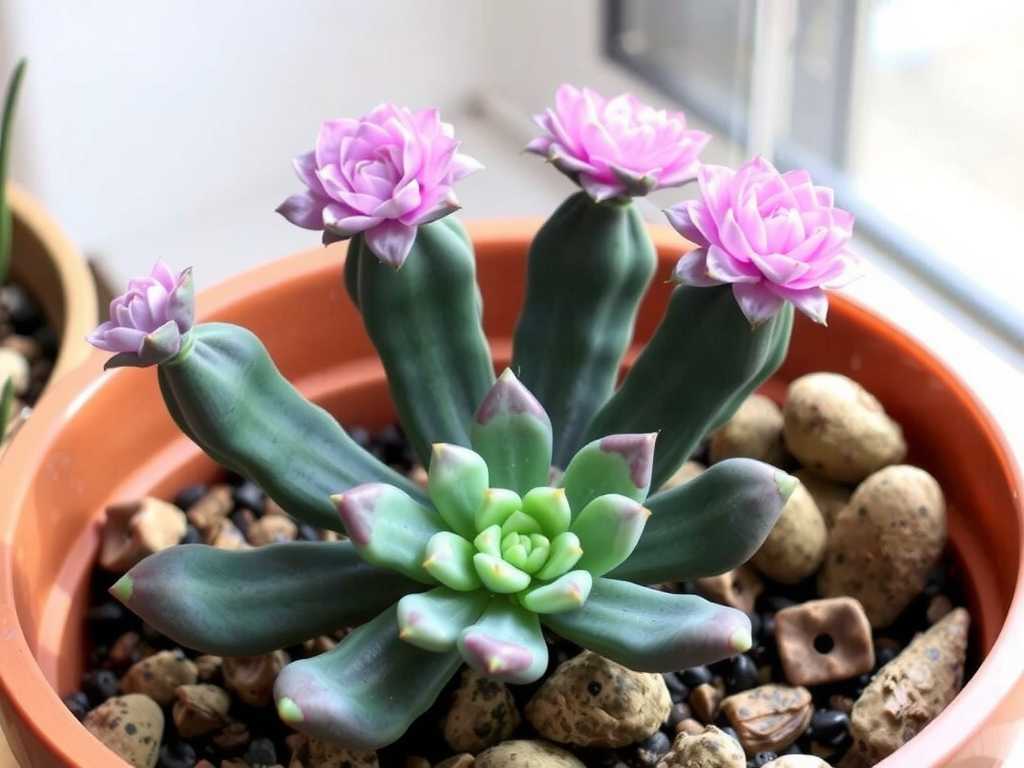
Before we dive into care, let's understand what makes these plants so special. Often belonging to genera like Cereus or Mammillaria with specific crested or monstrose forms, "dancing cacti" get their name from their unique growth pattern. Instead of growing straight or in a standard symmetrical shape, their stems contort, twist, and fan out in unpredictable, often mesmerizing ways. This mutation, known as fasciation or cresting, results in those sought-after "dancing" shapes. According to horticulturist Dr. Eleanor Vance, "Crested cacti are nature's sculptures. Their care is similar to their normal counterparts, but their unusual growth makes them more susceptible to issues like uneven light exposure or moisture retention in the folds." Recognizing this is the first step in tailored care.
Essential Steps for a Thriving Dancing Cactus
Creating the perfect environment is straightforward when you break it down into key elements. Follow these core principles to watch your plant flourish.
Providing the Perfect Light and Location
Light is the most critical factor in growing a healthy dancing cactus indoors. These plants are sun-worshippers at heart. They crave bright, direct light for most of the day. A south-facing windowsill is the ideal spot. An east or west-facing window can also work, but you may notice slower growth or less pronounced "dancing" shapes as the plant stretches for light.
If your home lacks sufficient natural light, don't despair. A grow light is an excellent investment. LED full-spectrum lights placed 6-12 inches above the cactus for 12-14 hours a day can perfectly supplement or replace sunlight. Remember, insufficient light leads to etiolation—where the new growth becomes pale, thin, and stretched, ruining the compact, artistic form you bought it for.
Mastering the Watering Rhythm
The golden rule for dancing cactus care for beginners is: when in doubt, wait it out. Overwatering is the fastest way to lose your plant. These cacti store water in their stems and need the soil to dry out completely between waterings.
During the active growing season (spring and summer), water deeply until water runs out of the drainage holes, then allow the potting mix to become bone dry. This might mean watering every 10-14 days, but always check the soil first. In fall and winter, significantly reduce watering to once a month or even less, as the plant enters dormancy. Use the "finger test": if the top two inches of soil are completely dry, it's safe to water. A moisture meter can also be a helpful tool for beginners.
Choosing the Right Soil and Pot
A dancing cactus's health is rooted in its soil. Standard potting soil holds too much moisture and will cause root rot. You need a fast-draining, gritty mix specifically formulated for cacti and succulents. You can easily make your own by mixing equal parts of:
- Regular potting soil
- Coarse sand or poultry grit
- Perlite or pumice
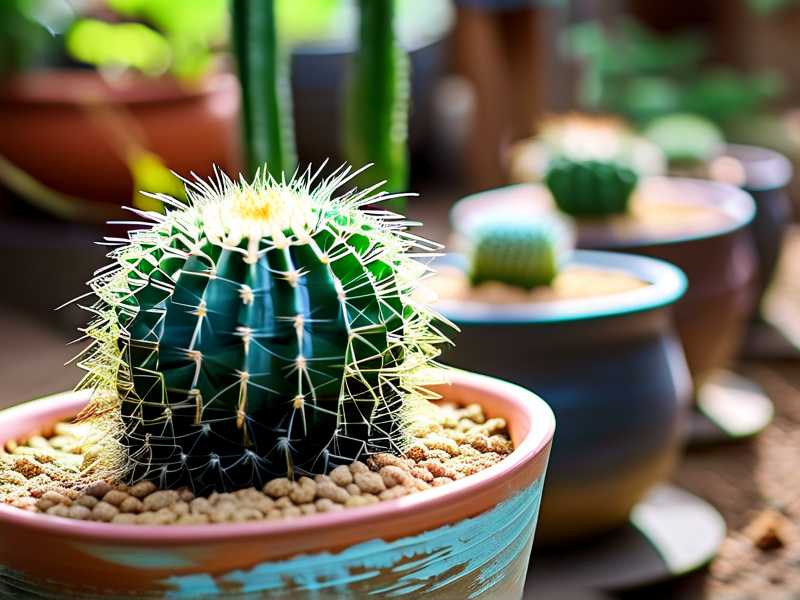
The pot is equally important. Always choose a container with ample drainage holes. Terracotta pots are ideal because they are porous, allowing the soil to dry from the sides as well as the top. The pot should be only slightly larger than the root ball; too much soil retains excess water.
Feeding and Seasonal Adjustments
Fertilizing is simple. During the growing season (spring and summer), feed your cactus once a month with a balanced, water-soluble fertilizer diluted to half strength. A formula like 10-10-10 works well. Do not fertilize at all during the fall and winter months when the plant is not actively growing.
Seasonal changes matter. As daylight decreases in winter, your cactus will slow its growth. This is normal. Move it away from drafty windows if temperatures drop drastically, but keep it in a bright, cool spot (around 50-55°F is ideal) to encourage a proper rest period, which is crucial for healthy growth and potential flowering in the future.
Advanced Tips for Display and Long-Term Health
Once you've mastered the basics, these tips will elevate your plant's display and vitality.
Creative Styling as Indoor Decor
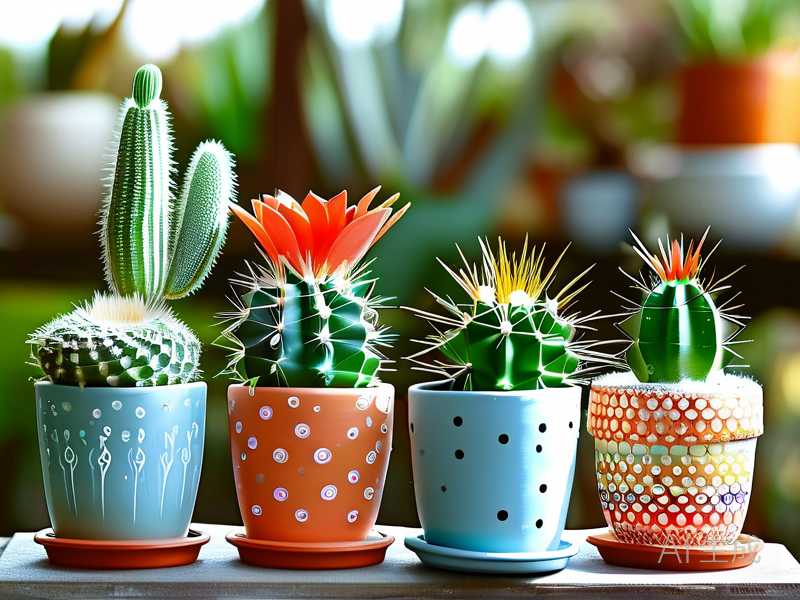
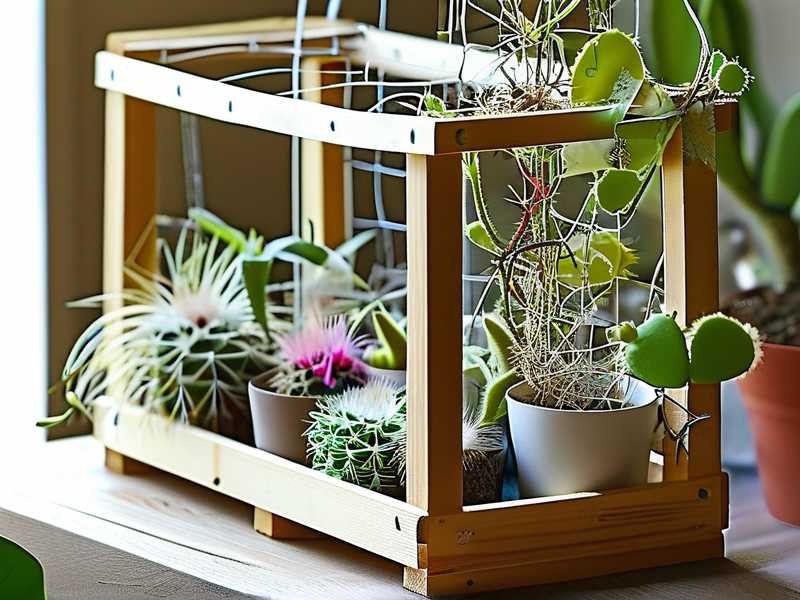
The fun part is styling! A dancing cactus is a natural art piece. Place it on a bright windowsill, a sunny desk, or a dedicated plant shelf. Use a decorative pot that complements your interior style—a minimalist white ceramic, a textured terracotta, or a colorful glazed planter. For a dramatic effect, group it with other sculptural succulents of varying heights and textures. The key is to let its unique form be the star. Ensure the decorative pot either has drainage or is used as a "cachepot" (sleeve) with the functional nursery pot inside.
Propagation and Troubleshooting Common Issues
Want more dancers? Propagating a crested dancing cactus can be tricky but is usually done through careful cuttings. Using a sterile, sharp knife, you can remove a small, healthy section of the crest. Let it callous over for a week in a dry, shaded spot, then place it on top of well-draining soil. Mist occasionally until roots develop, then treat as a mature plant.
Be vigilant for common issues:
- Soft, Mushy Stems: A classic sign of overwatering and rot. Act fast by cutting away the rotten tissue with a sterile tool and repotting in dry soil.
- Pale, Stretched Growth: Not enough light. Gradually move the plant to a brighter location.
- Brown, Dry Patches: This could be sunburn if the plant was moved into direct light too quickly. Provide filtered light and acclimate it slowly.
- Pests: Mealybugs can appear as white cottony masses. Treat by dabbing with a cotton swab dipped in rubbing alcohol.
What is the best type of dancing cactus for a beginner? A crested Mammillaria or a Cereus peruvianus 'Monstrosus' are excellent starter choices. They are relatively forgiving, grow at a moderate pace, and showcase the classic twisting, fan-like forms that make these plants so desirable.
Why is my dancing cactus not growing at all? Growth is seasonal. It will likely be dormant in fall and winter. If growth is stalled in spring/summer, assess light and nutrients. It likely needs more direct sunlight or a light feeding schedule. Also, ensure it's not pot-bound; check if roots are circling the bottom of the pot.
Can a dancing cactus flower? Yes, many can! However, crested forms often flower less frequently than their standard counterparts. Providing an excellent light regimen, a proper winter cool/dry period, and maturity are key factors that may encourage your plant to produce its often beautiful, delicate blooms.
Bringing a dancing cactus into your home is about embracing a living sculpture. Its care is a gentle practice of observation—learning to read the signs of thirst and the language of light. By providing a sunny spot, a cautious watering hand, and the right gritty soil, you enable its unique form to develop and shine. This resilient yet expressive plant proves that the most captivating indoor decorations aren't bought; they're grown. With patience and these simple guidelines, your dancing cactus will continue its silent, graceful performance for years to come, adding a unique spark of life and personality to your space.