bluename
 How to Select Cactus Species for Low-Maintenance Gardens: The Ultimate Guide
You dream of a beautiful, thriving garden, but your schedule is packed, or your local climate is unforgiving. Watering, pruning, and constant care feel like a chore. What if you could cultivate stunning greenery that thrives on neglect? The solution lies in the resilient and diverse world of cacti. Choosing the right cactus species for your low-maintenance garden is the key to unlocking a landscape of sculptural beauty with minimal effort. This guide will walk you through the essential steps to make informed selections, ensuring your garden is not only easy to care for but also a visually captivating, drought-resistant oasis.
Understanding Your Garden's Environment
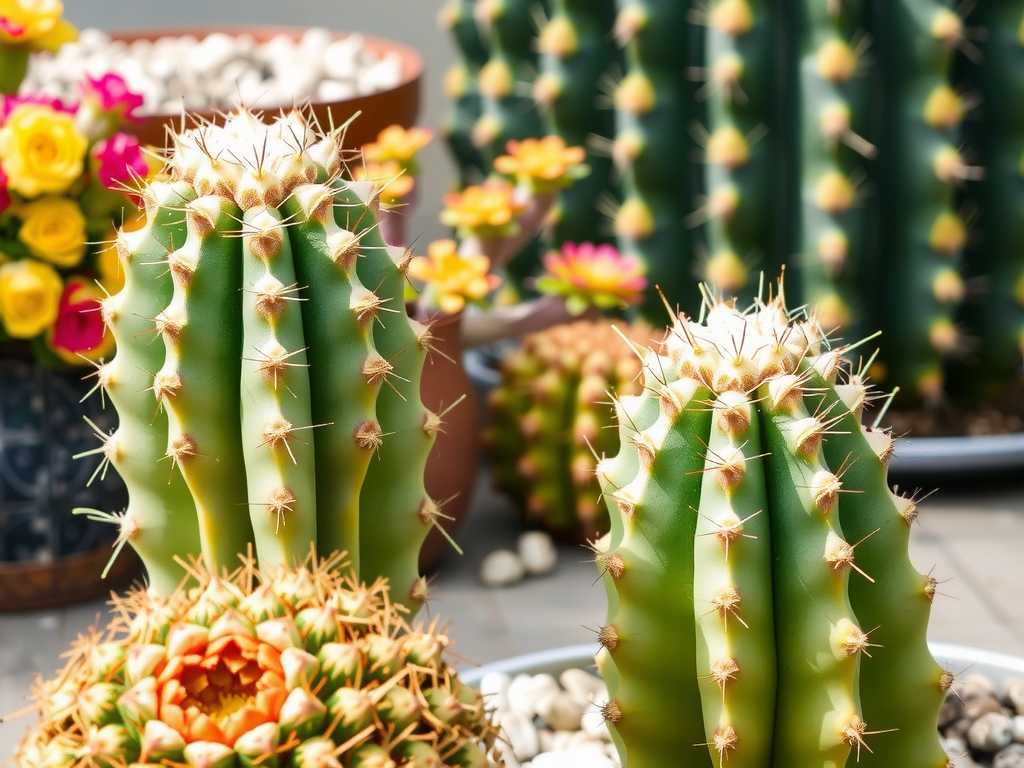
Before you fall in love with a specific cactus at the nursery, the most crucial step is to assess your own gardening space. A cactus perfectly suited to one environment may struggle in another, even with minimal care.
Analyze Your Climate Zone and Microclimates Your USDA Hardiness Zone or regional climate is the primary factor. Cacti native to the Sonoran Desert have different cold tolerance than those from the high Andes. Know your average minimum winter temperature. Beyond the zone, observe microclimates in your yard. A south-facing wall absorbs heat, creating a warmer spot perfect for more tender species. A north-facing, shaded area will be cooler and may suit certain forest cacti.
Deciphering Sunlight Exposure Most cacti crave abundant sunlight, but "full sun" requirements can vary. True desert species need 6-8 hours of direct, intense sun daily. Some species, like certain Mammillaria or Gymnocalycium, can tolerate light afternoon shade, especially in extremely hot climates. Insufficient light leads to etiolation—where the cactus stretches thin and pale toward the light source.
Soil and Drainage: The Non-Negotiables This is where many low-maintenance gardens fail. Cacti demand exceptional drainage. Soggy soil is a death sentence. Your garden soil must be gritty and fast-draining. For in-ground planting, amend heavy clay soil with large amounts of coarse sand, perlite, and small gravel. Consider building raised beds or mounds to further improve drainage. As noted by the University of Arizona Cooperative Extension, a well-draining soil mix is more critical than any other factor for preventing root rot in arid-adapted plants.
Key Criteria for Selecting Low-Maintenance Cacti
With your garden's profile in hand, you can now evaluate cacti based on traits that define true, easy-care plants.
Cold Hardiness and Frost Tolerance For gardens in regions with occasional frosts, this is paramount. Some exceptionally hardy species can withstand temperatures well below freezing. The Opuntia (Prickly Pear) genus is renowned for its cold tolerance, with species like Opuntia humifusa surviving down to -30°F (-34°C). Echinocereus (Hedgehog Cactus) and some Escobaria species are also excellent choices for chilly winters. Always verify the specific hardiness of a species before purchasing.
Growth Habit and Mature Size Think long-term. A small barrel cactus seedling can grow into a massive, 3-foot-wide sphere over decades. Consider the plant's ultimate size and shape. Columnar cacti like Carnegiea gigantea (Saguaro) are iconic but impractical for small spaces. Instead, look for clustering or globular forms like Rebutia or Parodia that stay compact and fill space beautifully without overwhelming the garden.
Watering Needs and Drought Resilience While all cacti are drought-tolerant, some are more forgiving of occasional overwatering than others. Species with dense spines or a heavy, waxy coating (cuticle) are often more resistant to excess moisture. Ferocactus (Barrel Cactus) and many Mammillaria are known for their robust drought adaptation. Remember, the goal of a low-maintenance garden is infrequent watering; select species that excel in this regime.
Top Recommended Cactus Species for Effortless Gardens
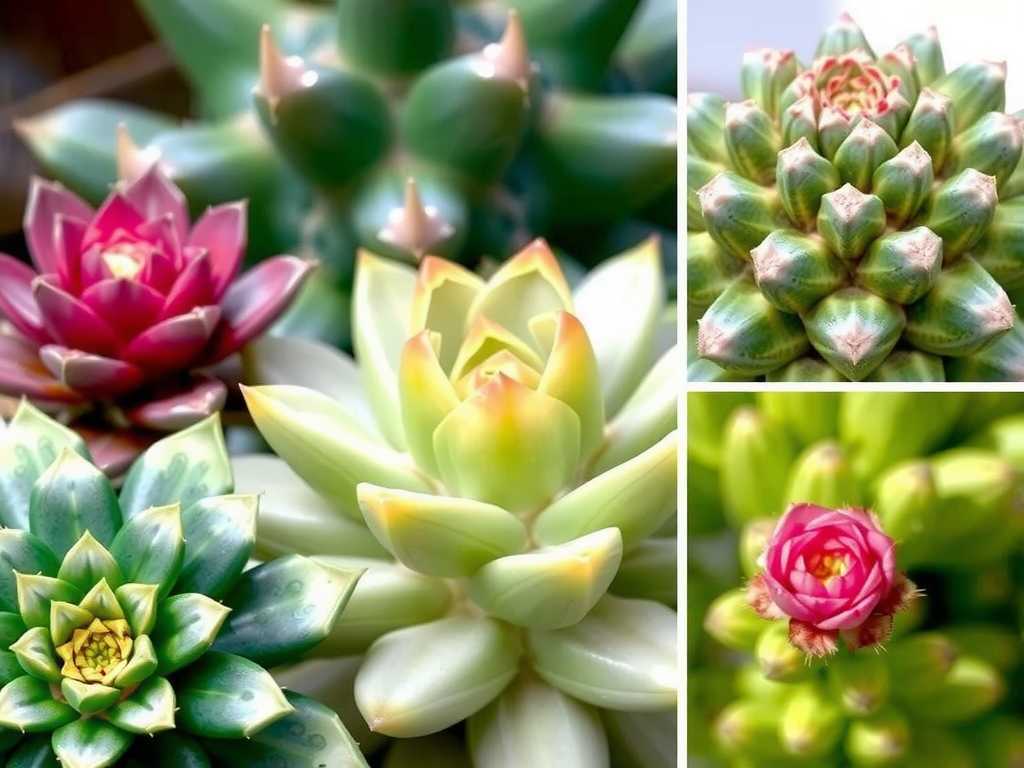
Here are some proven, easy-care performers categorized by their ideal application. These selections balance hardiness, visual appeal, and minimal requirements.
For Ground Cover and Landscape Texture: Opuntia spp. Prickly Pears are workhorses. They spread to form attractive clumps, provide stunning spring flowers, and edible fruits (pads). Varieties like Opuntia basilaris (Beavertail Cactus) have minimal spines, reducing maintenance hazards. They are incredibly cold and heat tolerant, establishing themselves with little intervention.
For Reliable Color and Compact Form: Echinopsis and Rebutia If you desire spectacular, large blooms, the Echinopsis genus (often called Sea Urchin or Easter Lily Cactus) is unmatched. These globular cacti produce breathtaking trumpet-shaped flowers in spring and summer with minimal care. Similarly, Rebutia cacti are small, clustering plants that cover themselves in vibrant rings of flowers, perfect for containers or garden edges.
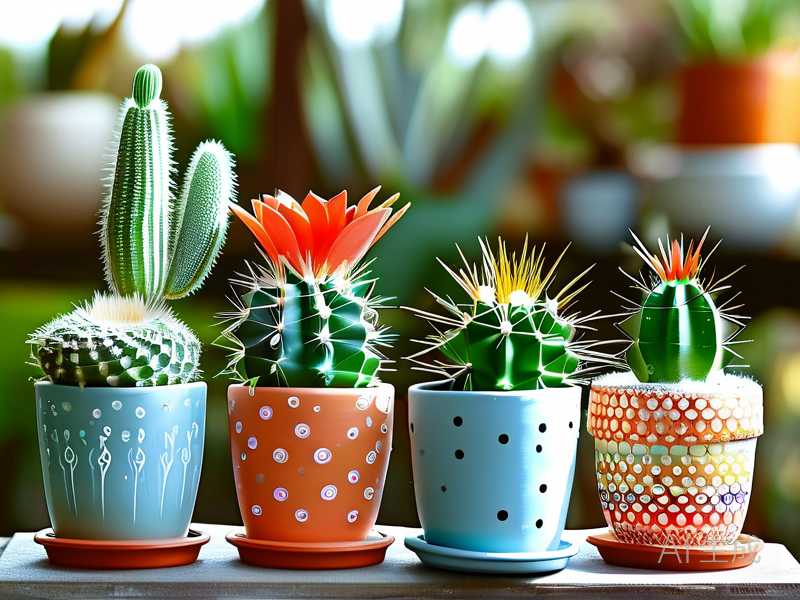
For Architectural Interest and Containers: Mammillaria and Gymnocalycium Mammillaria is one of the largest cactus genera, offering endless variety in form and spine patterns. Their symmetrical, often cylindrical shapes make them living sculptures. Gymnocalycium (Chin Cactus) are known for their smooth, spineless floral tubes and ease of cultivation. Both are superb for potted arrangements, which allow for perfect soil control—a cornerstone of low-maintenance cactus gardening.
Designing Your Low-Maintenance Cactus Garden
Selection is only half the battle; thoughtful design ensures long-term success and visual harmony.
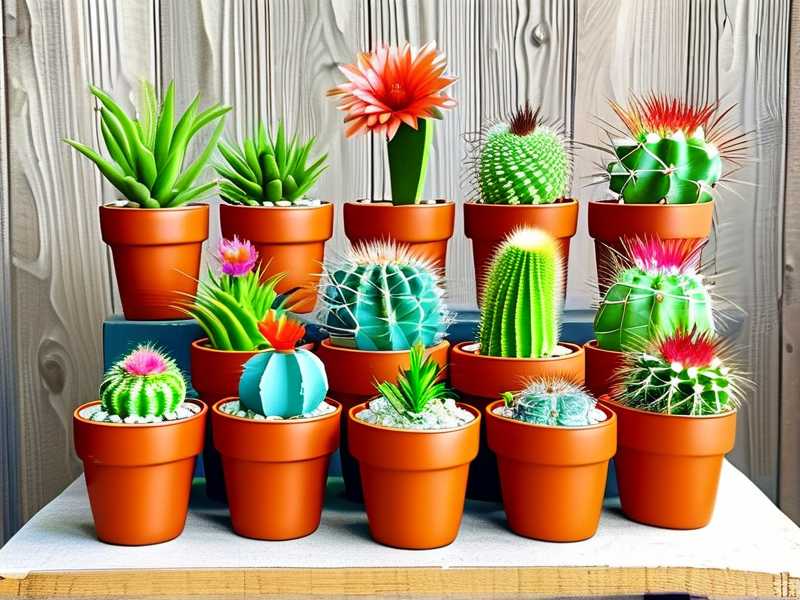
Grouping by Care Requirements Practice "hydro-zoning" with your cacti. Group species with similar water, sun, and soil needs together. This prevents you from overwatering a drought-loving Ferocactus while trying to quench a slightly thirstier Schlumbergera (Christmas Cactus). It simplifies care and promotes healthier plants.
Incorporating Companion Plants (Xeriscaping) Cacti don't have to be alone. Pair them with other drought-tolerant (xeric) plants for a lush, layered look. Succulents like Agave, Aloe, and Sedum offer contrasting forms and colors. Ornamental grasses and native wildflowers add movement and softness. This approach, known as xeriscaping, creates a complete, ecological landscape that requires far less water and upkeep than a traditional lawn.
Prioritizing Safety and Accessibility Place spiny cacti away from high-traffic paths, play areas, or pet zones. Use less-spiny or spineless options like some Opuntia or Astrophytum species near walkways. This thoughtful placement reduces the risk of injury and makes garden maintenance tasks much safer and easier.
Planting and Initial Care for Success
A good start ensures years of easy growth.
The Right Planting Technique Dig a hole slightly wider but no deeper than the cactus's root ball. Gently loosen circling roots. Place the cactus in the hole and backfill with your well-draining soil mix. Do not water immediately! Wait 5-7 days to allow any damaged roots to callus over, preventing rot. This initial patience is critical.
Establishing a Watering Rhythm For the first month, water lightly once a week to encourage new root growth. After establishment, the "soak and dry" method is universal. Water deeply until it runs out the drainage holes (or saturates the root zone in-ground), then allow the soil to dry out completely before watering again. In winter, most cacti need a period of dormancy with little to no water.
Ongoing Minimal Maintenance Fertilize sparingly. A diluted, low-nitrogen cactus fertilizer applied once in early spring and once in midsummer is sufficient. Monitor for pests like scale or mealybug, but in a healthy, well-ventilated garden, these are rare. The main task is simply enjoying their slow, steady growth.
Frequently Asked Questions
Can I grow cacti in a rainy climate? Absolutely. The key is managing moisture. Plant in raised beds or mounds with extreme soil drainage. Use protective eaves or rain covers during prolonged wet periods. Selecting cold-hardy species that also tolerate higher moisture, like many Opuntia, increases your chances of success.
How often should I really water my outdoor cactus garden? There is no fixed schedule. It depends on temperature, sun, and soil. During hot, dry summer months, established plants may need water every 2-4 weeks. In spring and fall, it may be every 4-6 weeks. In winter, stop watering entirely if temperatures are near or below freezing. Always let the soil be your guide—when in doubt, wait it out.
Are cacti safe for gardens with pets? Many cacti pose physical hazards from spines. Some, like certain Euphorbia (which are often mistaken for cacti), have toxic sap. To be safe, research the specific toxicity of your chosen species and always place spiny or potentially irritating plants out of reach of curious pets. Opting for spineless varieties in accessible areas is a prudent choice.
Selecting the right cactus species transforms the concept of gardening from a demanding task into a source of constant, effortless delight. By matching plant traits to your environment, focusing on fundamental needs like drainage and light, and designing with intention, you create a resilient landscape that flourishes with minimal input. Your low-maintenance cactus garden will stand as a testament to the beauty of adaptation, offering unique textures, surprising blooms, and enduring structure through the seasons, asking for little but giving so much in return.