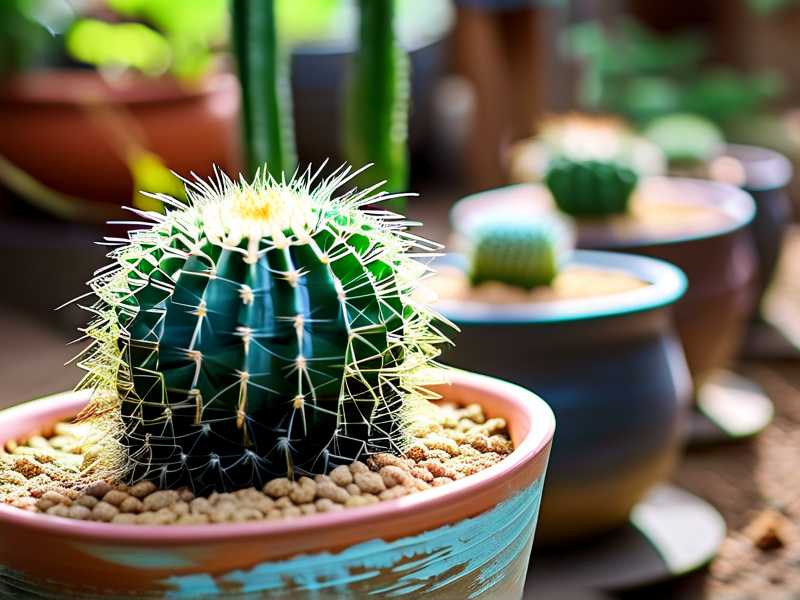
bluename
 How to Grow Cactus Species for Edible Fruit Production: A Complete Guide
Have you ever tasted a prickly pear or a dragon fruit and wondered if you could grow these exotic treats in your own backyard? Many gardening enthusiasts are intrigued by the idea of cultivating cacti for their delicious and nutritious fruit but are held back by common misconceptions. They worry about the complexity of handling spiny plants, fear that the growing process is too slow, or simply don’t know where to start with selecting and caring for the right species. The truth is, with the right knowledge, growing cactus for edible fruit production can be a remarkably rewarding and straightforward endeavor. This guide will demystify the process, providing you with a clear, step-by-step roadmap from selecting your first plant to harvesting a bountiful crop of sweet, homegrown cactus fruits.
Understanding Edible Fruit Cactus Species
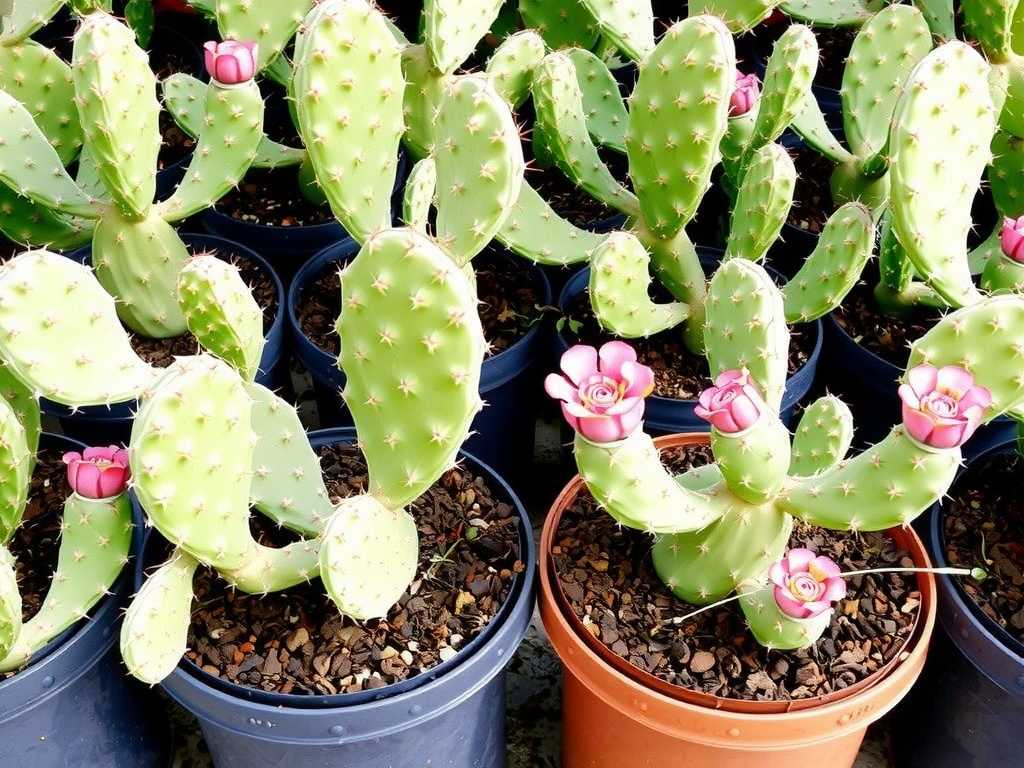
Not all cacti produce palatable fruit. For successful edible fruit production, you need to start with the right species. The most popular and reliable choices for home growers are members of the Opuntia and Hylocereus genera.
The Prickly Pear (Opuntia ficus-indica) is arguably the champion of edible cactus fruits. Known for its vibrant, egg-shaped fruits called tunas, this cactus is highly adaptable, drought-tolerant, and prolific. The pads (nopales) are also edible, making it a dual-purpose plant. Varieties produce fruits in shades of red, purple, orange, and green, each with a subtly different, sweet-tart flavor reminiscent of watermelon and bubblegum.
Dragon Fruit (Hylocereus undatus, H. costaricensis, H. megalanthus), a tropical climbing cactus, has gained immense popularity for its stunning appearance and mild, kiwi-like taste. Unlike desert cacti, it prefers more humidity and support to climb. Its large, fragrant night-blooming flowers are a spectacle in themselves, leading to the formation of the iconic pink or yellow-skinned fruit with white or red flesh dotted with tiny black seeds.
Other notable species include the Peruvian Apple Cactus (Cereus repandus), which produces crisp, juicy fruits, and various Selenicereus species. Your primary choice will depend on your local climate. Opuntia species thrive in arid, temperate zones, while Dragon Fruit requires a frost-free, subtropical or tropical environment or the protection of a greenhouse in cooler regions.
Essential Growing Conditions and Site Selection
The foundational step in growing cactus for fruit is replicating their preferred natural environment. Getting these conditions right dramatically reduces problems down the line.
Sunlight and Temperature Requirements Cacti are sun worshippers. For optimal growth and fruit production, most edible species require a minimum of 6 to 8 hours of direct, unfiltered sunlight daily. Insufficient light leads to etiolation—weak, stretched growth—and significantly reduced flowering. While they love heat, it’s crucial to know your species’ cold tolerance. Prickly pears can withstand brief dips below freezing, especially established plants, while dragon fruit will suffer damage at or just below 32°F (0°C). According to a University of California Cooperative Extension publication, selecting species matched to your USDA Hardiness Zone is the single most important factor for long-term success.
Soil and Drainage: The Non-Negotiables Perhaps the fastest way to kill a cactus is with soggy soil. Excellent drainage is paramount. These plants are adapted to survive in mineral-rich, fast-draining soils. A perfect cactus mix can be created by combining one part standard potting soil with one part coarse sand and one part perlite or pumice. For in-ground planting, amend heavy clay soil generously with gravel and sand or consider building a raised bed. The goal is soil that dries out completely between waterings.
Planting and Propagation Methods
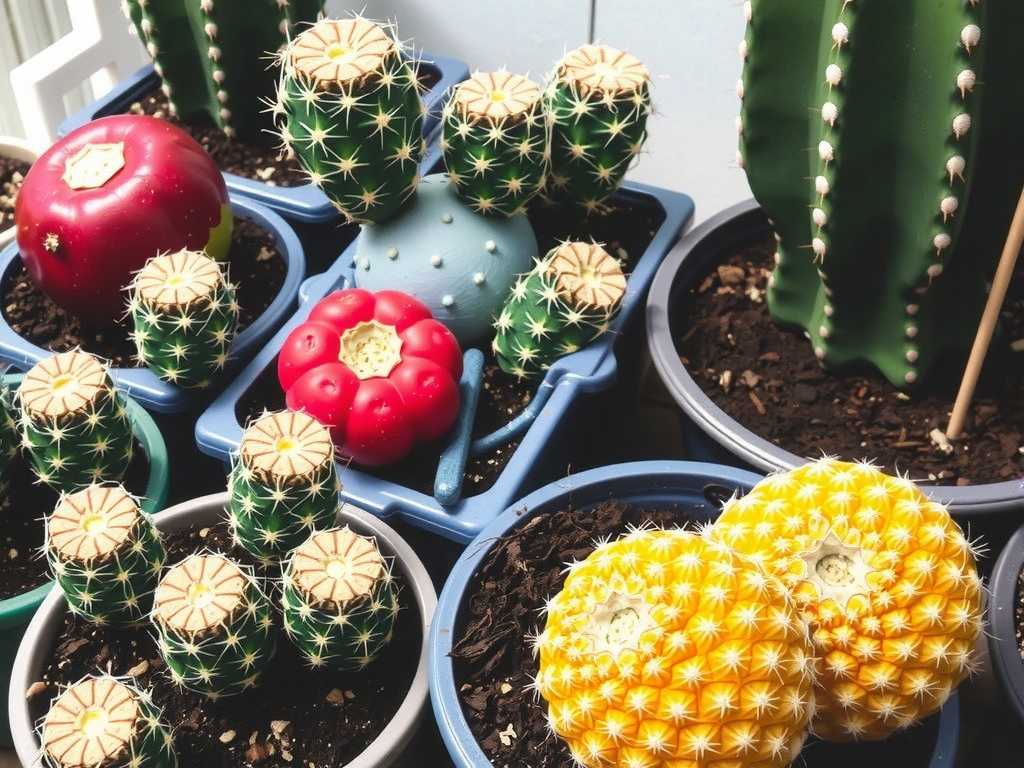
You can start your edible cactus journey from seeds, but for fruit production, using cuttings or purchased plants is far more efficient, as it can shave years off the time to your first harvest.
Starting from Cuttings (Pads and Stems) This is the most common and effective method for Opuntia and Hylocereus. For prickly pear, select a healthy, mature pad. Using clean, sharp tongs and a knife, remove it from the parent plant. Allow the cut end to callus over in a dry, shaded spot for 5-10 days. This critical step prevents rot when planted. Once callused, plant the pad about one-third of its depth in your prepared, dry soil mix. Do not water for the first week to ten days to encourage root development.
For dragon fruit, take a 12-18 inch segment of a healthy stem. Similarly, allow it to callus before planting. Dragon fruit cuttings require a sturdy trellis or support from the very beginning, as they are vining plants.
Caring for Your Fruit-Bearing Cacti
Once established, edible cacti are low-maintenance, but strategic care maximizes health and yield.
Watering and Fertilization Schedule The mantra is “deep but infrequent.” Water thoroughly only when the soil is completely dry. During the active growing season (spring and summer), this might be every 2-4 weeks, depending on heat and rainfall. In winter, reduce watering to a minimum. Overwatering is the most common mistake. For fertilization, use a balanced, low-nitrogen fertilizer. A formula like 5-10-10 or even a tomato fertilizer applied once in early spring and again in early summer supports strong flowering and fruiting without promoting excessive, weak vegetative growth. Dr. Peter Felker, a noted expert in Opuntia cultivation, emphasizes that excessive nitrogen can lead to lush pad growth at the expense of flower bud formation.
Pruning and Support for Optimal Health Pruning serves multiple purposes. For prickly pear, removing lower, older pads improves air circulation, directs energy to new growth, and makes harvesting easier. Always wear thick gloves and use long-handled tools. For dragon fruit, pruning is essential to manage the vine, create a strong framework on the trellis, and remove tangled or dead stems. This directs the plant’s energy into producing larger, higher-quality fruits.
Pollination and Fruit Set
This is a stage where many growers need to intervene. While some Opuntia varieties are self-fertile, others require cross-pollination between two different genetic plants. Dragon fruit flowers are often self-sterile and rely on nocturnal pollinators like bats and moths. In many home gardens, these natural pollinators are absent.
Hand-Pollination Techniques To guarantee fruit set, learn to hand-pollinate. Identify the pollen-covered anthers and the sticky stigma in the center of the flower. For dragon fruit, which blooms at night, collect pollen from one flower using a soft brush and transfer it to the stigma of another flower. For prickly pear, use a similar technique during the day. This simple practice can mean the difference between a flower that withers and one that swells into a developing fruit.
Harvesting and Enjoying Your Bounty
Knowing when and how to harvest is key to enjoying your labor’s reward.
Identifying Ripeness Prickly pear fruits are ripe when they have developed their full, deep color and come off the pad with a gentle twist. They should feel slightly soft to the touch. Dragon fruit is ready when the “wings” or fins on the fruit begin to wither and color slightly, and the fruit gives a little under gentle pressure. Flavor peaks a few days after the color change.
Safe Handling and Preparation The spines on prickly pear fruits (glochids) are notoriously fine and irritating. Always handle fruits with thick gloves and tongs. A effective method to remove glochids is to burn them off briefly over an open flame or scrub the fruit under cold running water using a stiff brush. Once cleaned, the skin can be peeled away to reveal the sweet, seedy flesh inside, perfect for eating fresh, making jams, syrups, or even fermenting into wine.
Frequently Asked Questions
How long does it take for a cactus to bear fruit? This depends heavily on the species and starting method. A prickly pear grown from a mature pad may produce a few fruits in its second year and reach full productivity in 3-4 years. Dragon fruit from a cutting can often flower and fruit within 1-2 years if conditions are ideal. Plants grown from seed can take 5-7 years or more to mature.
Can I grow edible cactus fruit in containers? Absolutely. Container growing is an excellent option, especially for those with limited space or in colder climates where plants need to be moved indoors for winter. Choose a large, well-draining pot (at least 10-15 gallons for a mature plant) and use a dedicated cactus soil mix. Ensure the container has ample drainage holes and adjust watering frequency, as pots dry out faster than ground soil.
Why is my cactus flowering but not setting fruit? This is most commonly a pollination issue. If your cactus produces abundant blooms that then fall off without forming fruit, it’s a clear sign that pollination has not occurred. Implement hand-pollination as described in the guide. Other factors can include extreme temperatures during flowering, inadequate sunlight, or a nutrient imbalance from over-fertilizing with nitrogen.
Embarking on the journey of growing cactus for edible fruit production connects you with a unique and resilient group of plants. It transforms the way you view these often-spiny specimens, from mere ornamental curiosities to generous providers of exotic, sun-ripened fruit. By choosing the right species for your climate, mastering the basics of soil and water, and playing the role of a pollinator at the crucial moment, you can turn a patch of sunny ground or a spacious container into a productive and fascinating food garden. The reward is not just the harvest, but the satisfaction of cultivating something truly extraordinary.