bluename
 How to Differentiate Male vs. Female Cactus Species (When Applicable)
Have you ever nurtured a cactus for years, eagerly awaiting its spectacular bloom, only to be left wondering why it never sets fruit or produces seeds? The culprit might be a common, yet often misunderstood, aspect of cactus biology: plant sex. Many cactus enthusiasts are surprised to learn that some species have distinct male and female individuals, a condition known as dioecy. Without a partner of the opposite sex, your lonely cactus may flower beautifully but will never reproduce. This guide will demystify the process of how to differentiate male vs. female cactus species, helping you identify your plant's sex, understand when it even applies, and finally achieve successful pollination and fruiting.
Understanding Plant Sex in the Cactus Family
First, it's crucial to dispel a widespread myth: the vast majority of cactus species are not dioecious. Most cacti are hermaphrodites, meaning each flower contains both male (stamens) and female (pistil) reproductive parts. These self-sufficient plants can often pollinate themselves or rely on pollinators to transfer pollen between their own or a neighbor's flowers.
However, a significant minority of cactus species have evolved separate sexes. For these plants, knowing how to tell if a cactus is male or female becomes essential for propagation. The key is to know which species are dioecious and then learn what to look for.
Key Dioecious Cactus Genera to Know
Dioecy is not random; it clusters within specific genera. If you own a cactus from one of these groups, you'll need to investigate further.
- Opuntia (Prickly Pears and Chollas): This is the most well-known group containing dioecious species. Not all Opuntia are dioecious, but many common ones, like Opuntia stenopetala and some forms of Opuntia ficus-indica, are.
- Mammillaria (Pincushion Cacti): While most are hermaphroditic, a few species like Mammillaria dioica (whose name literally means "two houses") are dioecious.
- Echinocereus (Hedgehog Cacti): Certain species within this genus, such as Echinocereus coccineus, exhibit separate sexes.
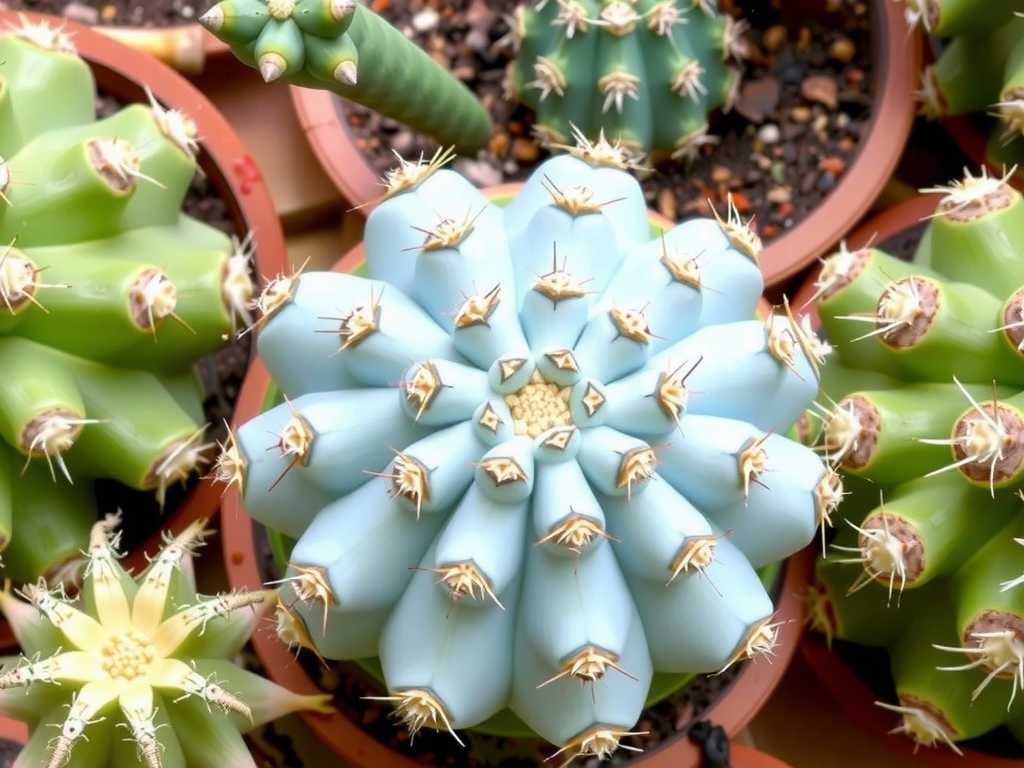
- Myrtillocactus: The popular Myrtillocactus geometrizans is a dioecious species.
If your cactus belongs to one of these genera, the next step is examination during the flowering period. As noted by botanist Dr. Lucas Miller in The Cactus and Succulent Journal, "Sexual differentiation in dioecious cacti is primarily, and sometimes exclusively, expressed in the floral morphology. Vegetative clues are rare and unreliable."
A Step-by-Step Guide to Identifying Cactus Sex
The only reliable method for differentiating male and female cactus plants is to inspect the flowers. You must wait for your cactus to bloom. Here’s what to look for:
1. Inspect the Flower's Center (The Reproductive Structures)
This is the most definitive check. You may need a magnifying glass for small flowers.
- Female Cactus Flowers: Look for a prominent, multi-lobed stigma at the flower's center. The stigma is the sticky tip of the pistil, designed to catch pollen. Below the stigma, you should see a swollen structure called the ovary, which will develop into fruit if pollinated. You will see no, or only rudimentary and non-functional, stamens (the pollen-producing parts).
- Male Cactus Flowers: The center will be filled with numerous stamens, each topped with an anther laden with yellow pollen. A key sign is the absence of a well-developed, multi-lobed stigma. You might see a small, underdeveloped pistil, but it will not be receptive.
2. Observe Overall Flower Presentation and Longevity
- Female Flowers: Often (but not always) appear slightly fewer in number. They may be structured to better receive pollen. Once pollinated, the flower's base (the ovary) will begin to swell noticeably.
- Male Flowers: Typically produce abundant pollen and may appear in larger clusters. Their primary role is to shed pollen, after which they often wilt more quickly than female flowers.
3. Understand the Limitations of Vegetative Clues
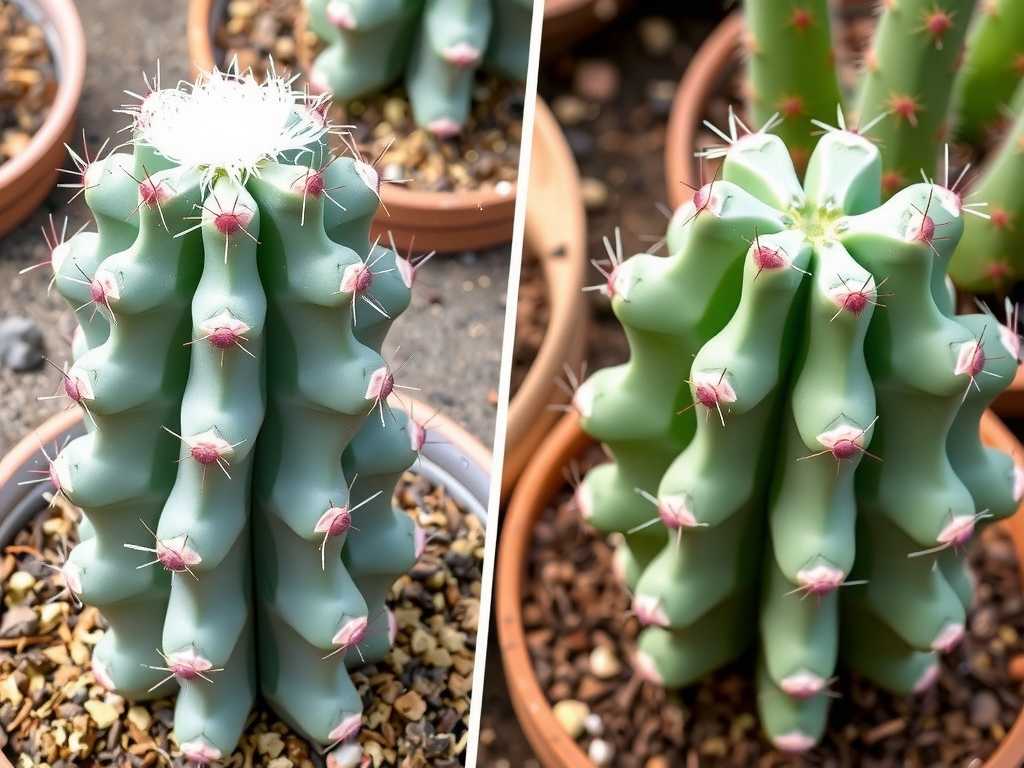
It is extremely difficult, and often impossible, to identify male female cactus plants based on size, spine formation, or overall shape alone. While some growers anecdotally suggest male plants grow faster or have different areoles, these are not scientifically reliable indicators and can lead to misidentification. Always rely on the flowers.
Why Does This Matter? Practical Implications for Growers
Understanding your cactus's sex isn't just botanical curiosity; it has real-world benefits.
- Successful Fruiting: To get edible prickly pear tunas or decorative berries from dioecious species, you must have at least one male and one female plant of the same species in bloom simultaneously.
- Efficient Propagation: If you aim to grow plants from seed for genetic diversity, you need both sexes. Knowing the sex helps you plan your collection and trading with other enthusiasts.
- Solving the "No Fruit" Mystery: It provides the answer to the common frustration of a non-fruiting, flowering cactus. The plant isn't failing; it simply lacks a partner.
What If You Have Only One Sex?
Don't worry if you discover you have only male or female plants.
- Acquire a Partner: Seek out the opposite sex from a specialty nursery or a fellow collector.
- Grafting: As a advanced technique, you can graft a scion (a small piece) from a needed sex onto a hardy rootstock. A grafted branch that flowers can provide the necessary pollen or fruit.
- Enjoy the Blooms: Remember, the flowers themselves are a reward. While you won't get fruit, you can still appreciate their beauty.
Frequently Asked Questions
Can a cactus change its sex? No, cacti cannot change their sex. Once a dioecious cactus reaches maturity and flowers, its sex is genetically determined and fixed for life. A male plant will always produce male flowers.
Are there any visual signs on the cactus body that indicate sex? Generally, no. Prior to flowering, there are no consistent, reliable visual cues on the stem, spines, or body to determine the sex of a dioecious cactus. Waiting for blooms is the only guaranteed method.
What if my supposed "female" cactus produces pollen? Then it is not a true female. You may have a hermaphroditic species or a monoecious cactus (where one plant has both separate male and female flowers). Re-examine the flower: a true female flower from a dioecious species will have a dominant stigma and ovary but will not produce viable pollen.
In the world of cacti, successful reproduction often hinges on understanding a fundamental biological detail. By learning which genera require a partner and mastering the art of floral inspection, you move from passive observer to an informed cultivator. The journey to seeing your first home-grown cactus fruit starts with a simple question during bloom time: stamen or stigma? With this knowledge, you can curate a thriving, productive collection, ensuring that every beautiful flower has the potential to become a fascinating fruit.