bluename
 How to Grow Cactus Species for Cut Flower Arrangements: A Complete Guide
You love the bold, sculptural beauty of cactus flowers in modern floral designs, but sourcing them can be expensive and unreliable. Perhaps you’ve tried using store-bought blooms only to watch them wilt prematurely. The real frustration? Knowing these stunning, long-lasting flowers could come from your own space, but the process seems shrouded in mystery. How do you coax a cactus to produce those magnificent blooms, and how do you then harvest and arrange them without a painful mishap? This guide demystifies the entire journey, transforming you from an admirer into a grower of exquisite, sustainable cactus cut flowers.
Understanding Cactus Species for Cutting
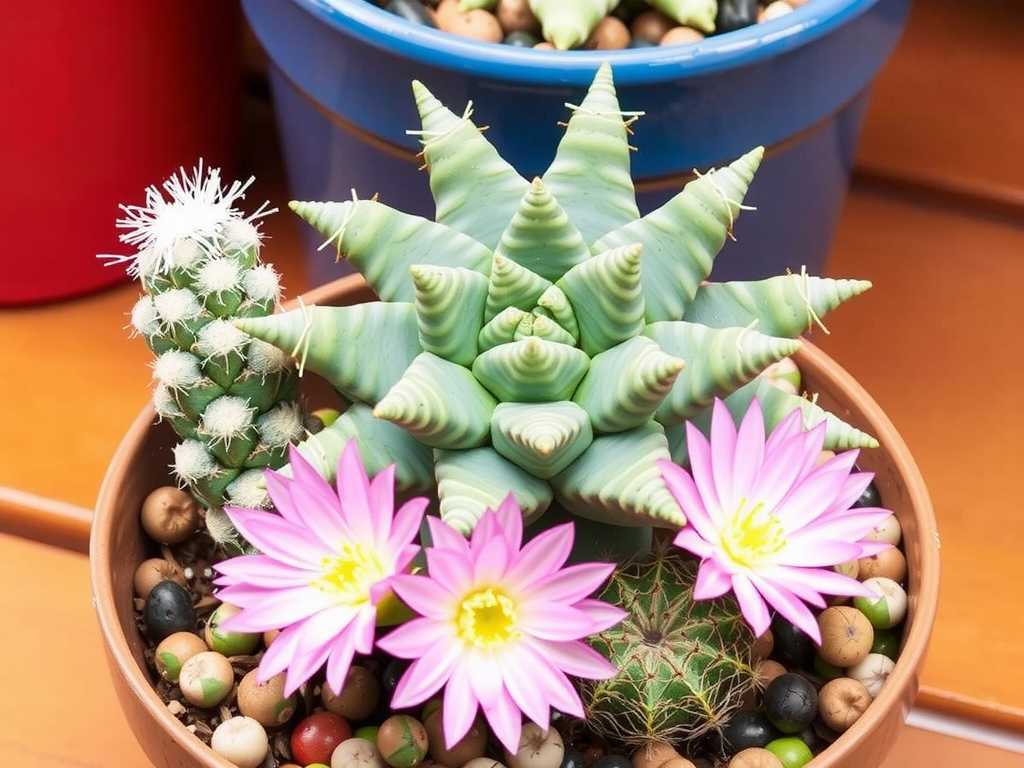
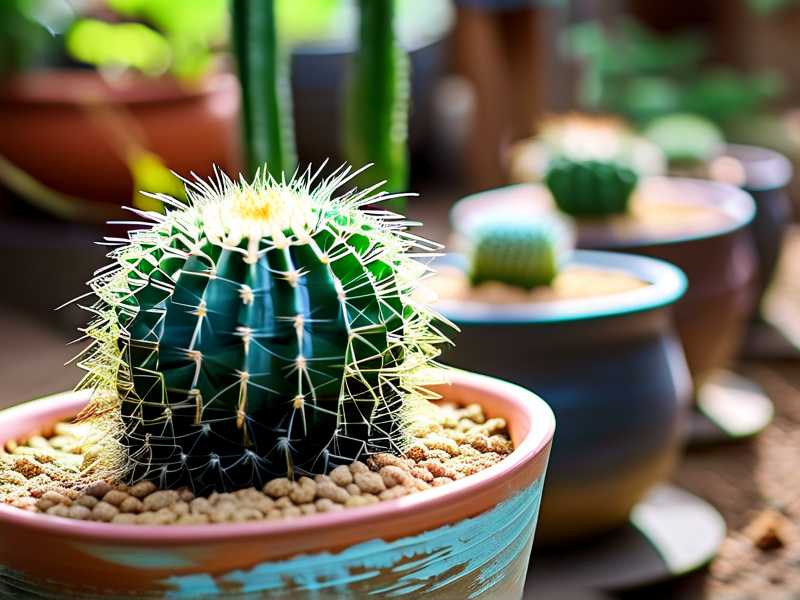
Not all cacti are created equal when it comes to cut flower production. The key is selecting species known for their prolific, sturdy, and visually striking blooms. Your success begins with choosing the right plants.
Ideal Cactus Varieties for Cut Flowers For reliable and spectacular blooms, focus on these genera:
- Echinopsis: Often called the "sea urchin cactus," this group is a superstar for cut flowers. Hybrids produce enormous, trumpet-shaped blooms in neon pinks, vibrant reds, and pure whites. The flowers are large, often fragrant, and appear in stunning profusion from spring to summer.
- Epiphyllum (Orchid Cacti): These forest cacti boast some of the most breathtaking, often dinner-plate-sized flowers in shades of white, pink, red, and orange. Their blooms are exquisite and long-lasting when cut, perfect for elegant, trailing arrangements.
- Schlumbergera (Holiday Cactus): A familiar favorite, these cacti provide abundant, zygomorphic flowers during fall and winter holidays. Their arching stems laden with blooms add a graceful, cascading element to arrangements.
- Gymnocalycium: Known for their beautiful, often pale-colored flowers that emerge from the crown, these smaller cacti offer delicate, charming blooms suitable for petite arrangements and boutonnieres.
Essential Growth Requirements for Prolific Blooming
Cacti are masters of survival, but to push them towards abundant flowering, you must replicate their ideal conditions with precision. As noted by Dr. Linda Grimaldi of the Desert Botanical Institute, "Cactus flowering is not an accident; it's a direct response to specific environmental cues, primarily light and a distinct dormancy period."
Mastering the Light Cycle Light is the primary trigger for bud formation. Most flowering cacti require:
- Bright, Direct Sunlight: Aim for at least 6-8 hours of direct sun daily. A south-facing window is ideal indoors; full sun exposure is best outdoors.
- Uninterrupted Darkness: Critical for holiday cacti (Schlumbergera) and many others to set buds. From late summer, ensure they receive 12-14 hours of complete darkness each night for 6-8 weeks.
Perfecting the Watering and Feeding Schedule The "soak and dry" method is non-negotiable. Water deeply only when the soil is completely dry, then allow it to dry out again. Overwatering is the fastest way to kill roots and prevent blooms.
- Growing Season (Spring-Summer): Water regularly and feed with a balanced, low-nitrogen fertilizer. Switch to a fertilizer higher in phosphorus (like a 5-10-5 formula) monthly to encourage blooming.
- Dormancy Period (Fall-Winter): For many species, this is crucial. Reduce watering significantly (perhaps once a month) and stop fertilizing entirely. This rest period is when the plant prepares its energy for spring flowering.
Soil and Potting for Healthy Roots Use a fast-draining cactus/succulent mix. You can enhance a commercial mix with extra perlite or pumice (50/50 ratio). Ensure pots have ample drainage holes. A slightly root-bound cactus often blooms more readily, so don't rush to repot.
The Art of Harvesting and Conditioning Cactus Blooms
Harvesting cactus flowers requires care to ensure longevity and avoid injury.
Optimal Harvesting Techniques
- Timing is Everything: Harvest blooms in the early morning or late evening when they are most hydrated. The ideal moment is just as the bud begins to open or within the first few hours of opening.
- The Right Tools: Use sharp, sterilized floral snips or precision pruners. For cacti with spines, wear thick leather gloves and use kitchen tongs to hold the stem.
- Cutting Method: Cut the flower stem at its base, where it emerges from the plant. For epiphytic cacti like Epiphyllum, you may cut a segment of the stem bearing the flower.
Post-Harvest Conditioning for Maximum Vase Life This step extends vase life from days to over a week.
- Searing (For Milky Sap): If the cut stem exudes a milky sap (common in some Echinopsis), briefly sear the end with a flame for 2-3 seconds to seal it. This prevents sap from clogging the vascular system.
- Hydration: Immediately place the cut stem in a container of warm water. Let it hydrate in a cool, dark place for several hours or overnight before arranging.
- Holding Solution: Use a commercial floral preservative in the vase water. It provides nutrients and inhibits bacterial growth.
Designing with Cactus Flowers: Style and Structure
Cactus flowers bring drama, texture, and an unexpected elegance to arrangements.
Principles of Desert-Inspired Floristry Embrace their unique forms. Use a single, massive Echinopsis bloom as a stunning focal point in a minimalist vase. Let the trailing stems of an Epiphyllum flower create dynamic, cascading lines. Combine smaller Gymnocalycium blooms with succulents, dried grasses, or architectural foliage for a modern textural piece.
Pairing and Preservation Cactus flowers pair beautifully with other drought-tolerant elements: proteas, dried palm spears, bleached eucalyptus, or sculptural branches. To preserve them, consider air-drying smaller, sturdier blooms upside down in a dark, well-ventilated space.
Troubleshooting Common Blooming Challenges
- "My cactus is healthy but won't bloom." This is almost always due to insufficient light or a missing dormancy period. Review its light exposure and seasonal watering routine.
- "Buds form but then fall off (bud blast)." This is typically caused by a sudden change in environment—draft, temperature shift, or underwatering during bud development. Keep conditions stable once buds appear.
- "The stems are leggy and weak." This is etiolation, a sign of inadequate light. Gradually introduce the plant to more direct sun.
Frequently Asked Questions
How long do cut cactus flowers typically last? With proper harvesting and conditioning, most cactus flowers can last 5 to 7 days in a vase arrangement. Some, like certain Epiphyllum blooms, may last slightly longer, while others are spectacular but may only persist for 2-3 days.
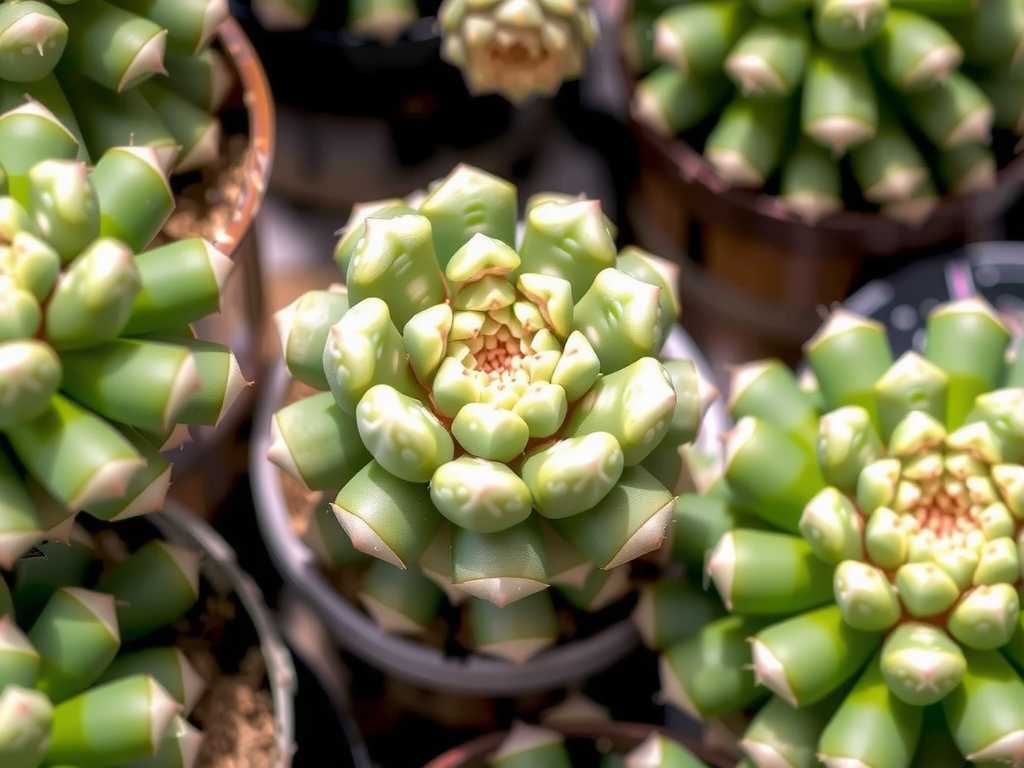
Can I grow flowering cacti indoors successfully? Absolutely. The key is providing enough bright, direct light. A south-facing windowsill is essential. You may need to supplement with a grow light during darker winter months to encourage blooming and prevent etiolation.
Is it harmful to the cactus to cut its flowers? Not at all. In fact, deadheading spent flowers can encourage some species to produce more blooms. Harvesting flowers is similar to deadheading. Always use clean, sharp tools to make a clean cut and avoid damaging the main plant body.
Cultivating your own cactus flowers for arrangements is a deeply rewarding pursuit that blends horticulture with art. It begins with selecting the right bloomer and providing the disciplined cycle of sun, seasonal water, and winter rest it craves. Mastering the careful harvest and conditioning unlocks their full vase potential, allowing you to create striking, conversation-starting designs. Start with a single, promising Echinopsis hybrid, follow its natural rhythms, and you’ll soon be cutting your own breathtaking blooms—transforming the elusive beauty of the desert into a sustainable centerpiece for your home.