bluename
 How to Care for Cactus Species During Winter Dormancy: A Practical Guide from a Fellow Plant Lover
I used to dread winter as a cactus owner. Every year, despite my best intentions, I’d lose a precious plant to rot or etiolation. The frustration was real. I’d think, “They’re desert plants, they should be tough!” But I was missing a crucial piece of the puzzle: winter dormancy care for cactus species. This isn't just about neglect; it's a deliberate, gentle strategy for their survival and future blooms. After years of trial, error, and a particularly enlightening two-week observation period, I’ve cracked the code. Let me walk you through the exact steps I now follow to ensure my spiky friends not only survive but thrive through the cold months.
Understanding the "Why": The Science of Cactus Dormancy
First, let's ditch the guilt. Your cactus isn’t dying when it stops growing; it’s sleeping. In their native habitats, many cacti experience significant drops in temperature and water availability during winter. They’ve evolved to enter a state of dormancy to conserve energy. Forcing them to grow with ample water and warmth during this natural rest period is like waking a bear during hibernation—it weakens them, leading to leggy, pale growth (etiolation) and making them susceptible to disease.
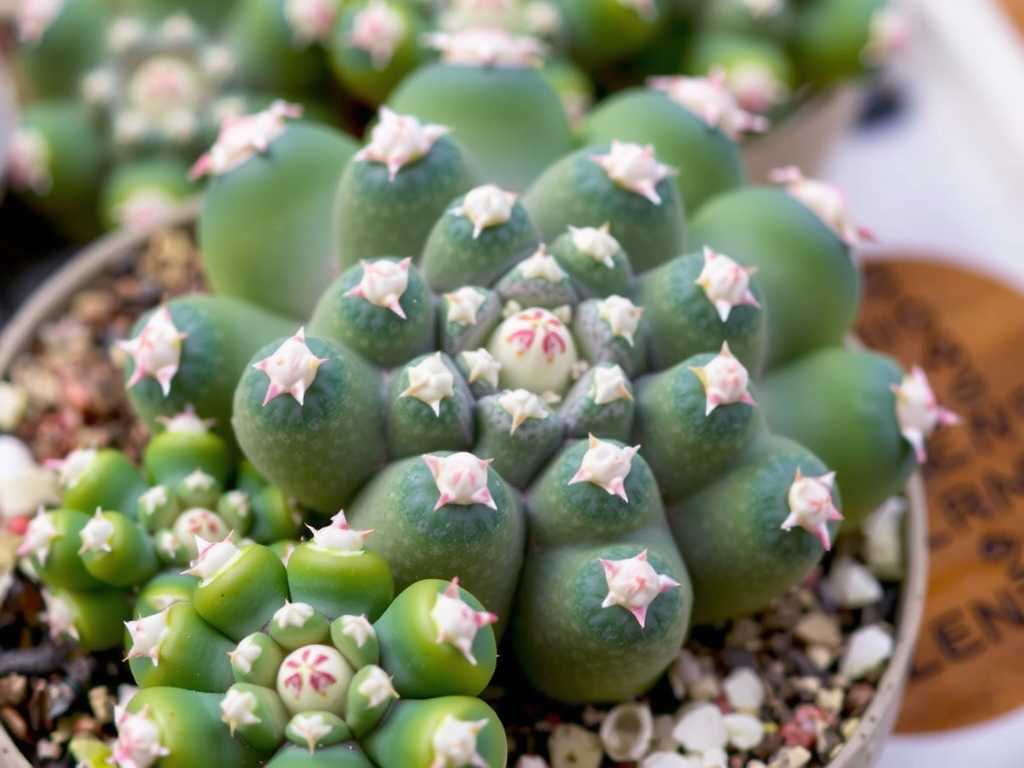
The Royal Horticultural Society (RHS) confirms that for many cacti, a cool, dry rest period is essential for stimulating prolific flowering in the following growing season. It’s not optional; it’s a core part of their biological rhythm.
My Four-Pillar Framework for Winter Cactus Care
My approach rests on four non-negotiable pillars: Light, Temperature, Water, and Monitoring. Adjusting these in harmony is the key.
1. The Great Light Shift: Quality Over Quantity
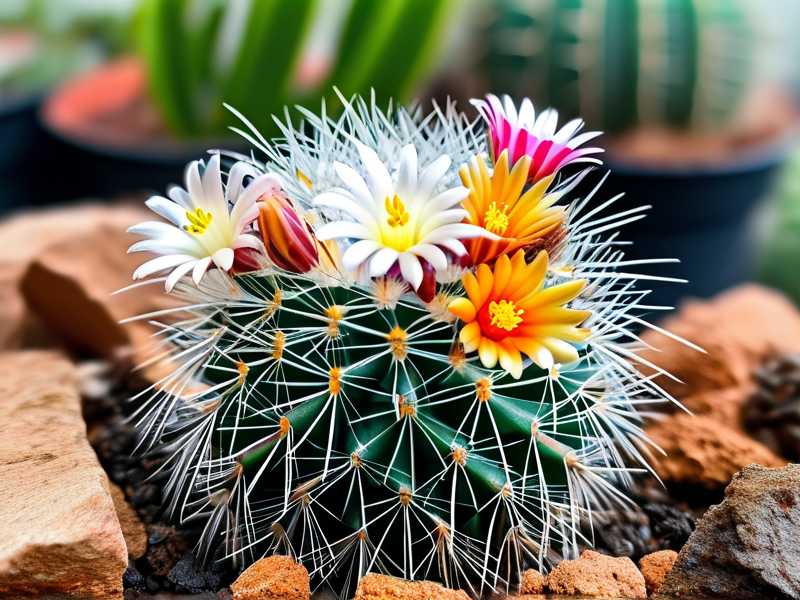
As daylight hours dwindle, light becomes your top priority. I learned this the hard way. One winter, I kept my Mammillaria on a warm windowsill but behind a sheer curtain. Within two weeks, I noticed a disturbing change: its normally compact, spherical form began to stretch slightly upward, and the vibrant green faded to a sickly yellow-green. This was classic etiolation.
My solution was immediate and effective: I moved all my sun-loving cacti to the brightest, most unobstructed south-facing window in my home. For specimens needing even more light, like my Gymnocalycium, I invested in a simple, full-spectrum LED grow light. I set it on a 10-hour timer to simulate a short winter day. The difference was remarkable. After another two weeks under the new light regime, the etiolation on the Mammillaria halted. The new growth, while slow as expected for winter, was firm and maintained its proper shape. The key takeaway? Maximize whatever natural light you have, and don’t hesitate to supplement.
2. Embracing the Chill: Finding the Ideal Temperature Range
This was the hardest mindset shift for me. We want to keep our plants "cozy," but cacti need cool. The Arizona Horticultural Society (AHS) recommends a winter temperature range between 35°F and 55°F (2°C and 13°C) for many desert cactus species to successfully enter dormancy.
I don’t have a greenhouse, so I got creative. I selected a room with a bright, cool windowsill away from active heating vents. At night, I’d lower the household thermostat slightly. I even used a digital thermometer/hygrometer to track the microclimate. The goal is a consistent coolness, not freezing. Avoid placing plants in drafty hallways or against freezing cold single-pane windows, as this can cause cold damage.
3. The Watering Winter Lockdown: Less is Infinitely More
This is where most failures, including my early ones, occur. Watering dormant cacti is the single greatest risk. My rule is now simple: when in doubt, don’t.
For most of my collection, I implement a near-total watering cessation from late October through early March. For plump, columnar cacti like my Trichocereus, I might give one very light watering in mid-January if they show signs of severe, deep wrinkling—not just superficial shriveling. For thinner or epiphytic cacti like Schlumbergera (Christmas Cactus), I extend the interval between waterings to 3-4 weeks, just enough to prevent complete desiccation.
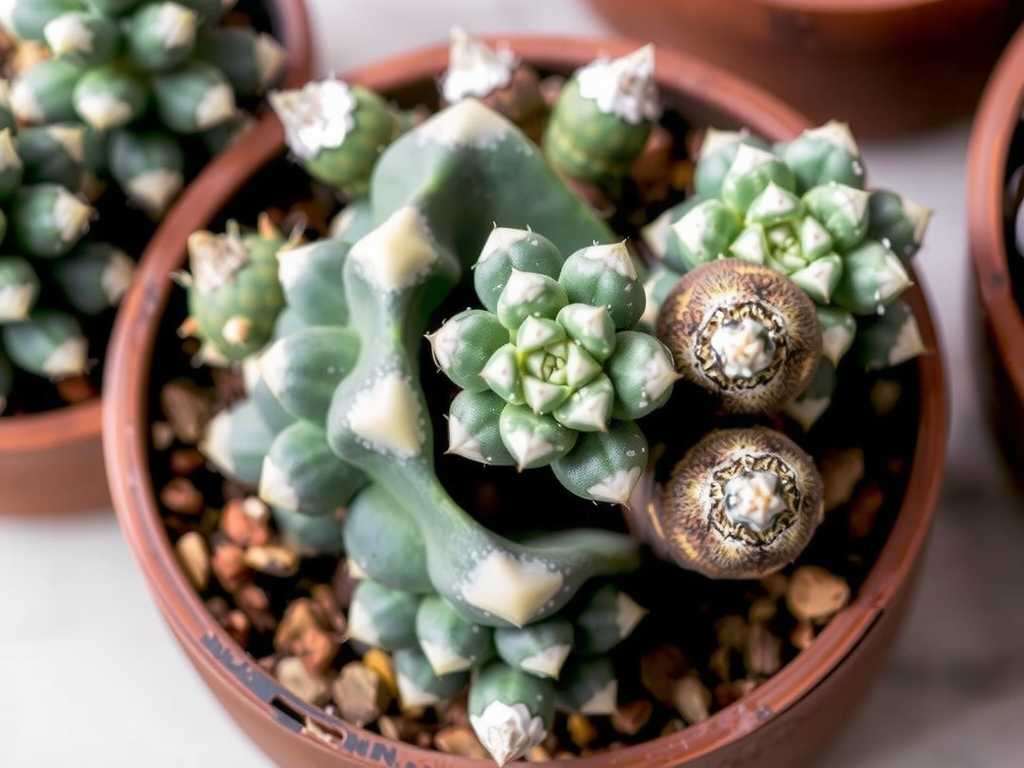
I once killed a beautiful Lophophora by giving it a "little drink" because the room felt dry. The soil stayed cold and wet for weeks, and root rot set in before I noticed the soft, blackened base. The fix? A gritty, perfectly draining soil mix (now I use a blend of 50% mineral grit like pumice or perlite to 50% potting soil) and unwavering discipline with the watering can.
4. The Vigilant Observer's Routine: Weekly Check-Ins
Care doesn’t mean constant action. It means attentive observation. Every weekend, I do a "dormancy patrol." This isn’t for watering; it’s for inspection.
- I gently look for signs of pests (mealybugs love stagnant winter air).
- I check for any sudden, mushy soft spots indicating rot.
- I note the firmness of the stems. A slightly less plump feel is normal; a severely deflated, wrinkled one might need evaluation.
- I ensure no fallen leaves or debris are sitting on the soil surface, promoting mold.
This quiet, weekly ritual takes 10 minutes but gives me peace of mind and lets me catch any issues before they become catastrophes.
The Two-Week Transformation: Witnessing Dormancy in Action
To truly understand this process, I conducted a focused experiment last December. I took two healthy, similar-sized Parodia magnifica plants. One remained in my warm living room with monthly watering. The other went to my cool, bright spare room with no water.
After one week, the differences were subtle. The "warm" cactus still had a slight green sheen of activity. The "cool" cactus looked unchanged.
After two weeks, the story was clear. The warm cactus had produced a tiny, pale, and weak-looking new areole at its crown—a sign it was being tricked into off-season growth. The cool cactus, however, looked supremely content. Its body had firmed up, and its color was a deep, restful blue-green. It was clearly dormant, conserving every ounce of energy. This visual proof cemented my belief in the cool, dry method. That "warm" cactus never flowered the next spring, while the dormant one produced three glorious yellow blooms.
Common Winter Cactus Pitfalls and How I Navigated Them
- The "Helping Hand" Overwater: My biggest pitfall, as mentioned. Solution: Stick to the schedule. Use a moisture meter if you’re unsure, but better yet, learn to judge by weight—a dry pot is significantly lighter.
- Sudden Cold Snaps: A window left open on a freezing night can be deadly. Solution: I use a thin sheet of bubble wrap as a temporary insulator between the plant and the glass on forecasted freeze nights.
- Low Light & Etiolation: We covered this. Solution: Prioritize light above all else. Rotate pots quarterly for even exposure.
- Forgotten Pests: Spider mites thrive in dry, indoor winter air. Solution: During my weekly check, I look for fine webbing. A quick wipe with a cotton swab dipped in diluted isopropyl alcohol stops an infestation early.
Your Winter Cactus Care Questions, Answered
Can I fertilize my cactus in winter? Absolutely not. Fertilizing during dormancy is like offering a three-course meal to someone in a deep sleep. It can force growth, burn roots, and cause severe stress. Resume feeding only in late spring when you see consistent new growth and resume regular watering.
My cactus looks shriveled and wrinkled. Is it dying? Not necessarily. Some shrinkage is normal as the plant uses internal water stores. Deep, severe wrinkles might indicate it’s too dry. Before watering, check the temperature. If it’s in a cool spot (<50°F/10°C), it’s likely still okay. If it’s warm and bone-dry for months, a very slight, shallow watering may be warranted. Err on the side of underwatering.
When do I wake my cactus up from dormancy? Let nature be your guide. In early to mid-spring, as daylight increases noticeably and temperatures consistently rise, you can begin the transition. Start with a thorough, deep watering (ensuring complete drainage), and gradually move plants back to their warmer, summer locations. This signals the start of the new growing season.
Successfully guiding your cactus through winter dormancy is the mark of a thoughtful plant keeper. It requires a shift from nurturing to providing the right conditions for rest. By mastering the balance of light, cool temperatures, and minimal water, you’re not just helping your cactus survive the winter; you’re setting the stage for a vibrant, healthy, and potentially flower-filled spring. Trust the process, embrace the quiet period of observation, and you’ll be rewarded with resilient plants that thrive for years to come.