bluename
 How to Water Fishbone Cactus on Trellises for Even Moisture Distribution
You’ve lovingly trained your fishbone cactus up a beautiful trellis, admiring its unique zig-zag stems. But now you’re facing a frustrating puzzle: why do some sections seem parched while others show signs of overwatering? This uneven moisture problem is the top challenge for growers using trellises. Without the right technique, you risk root rot in dense areas and stunted growth in exposed ones. This guide will solve that exact issue, providing a clear system for how to water fishbone cactus on trellises to achieve perfect, even moisture distribution from top to bottom.
Understanding the Unique Watering Challenge of a Trellised Cactus
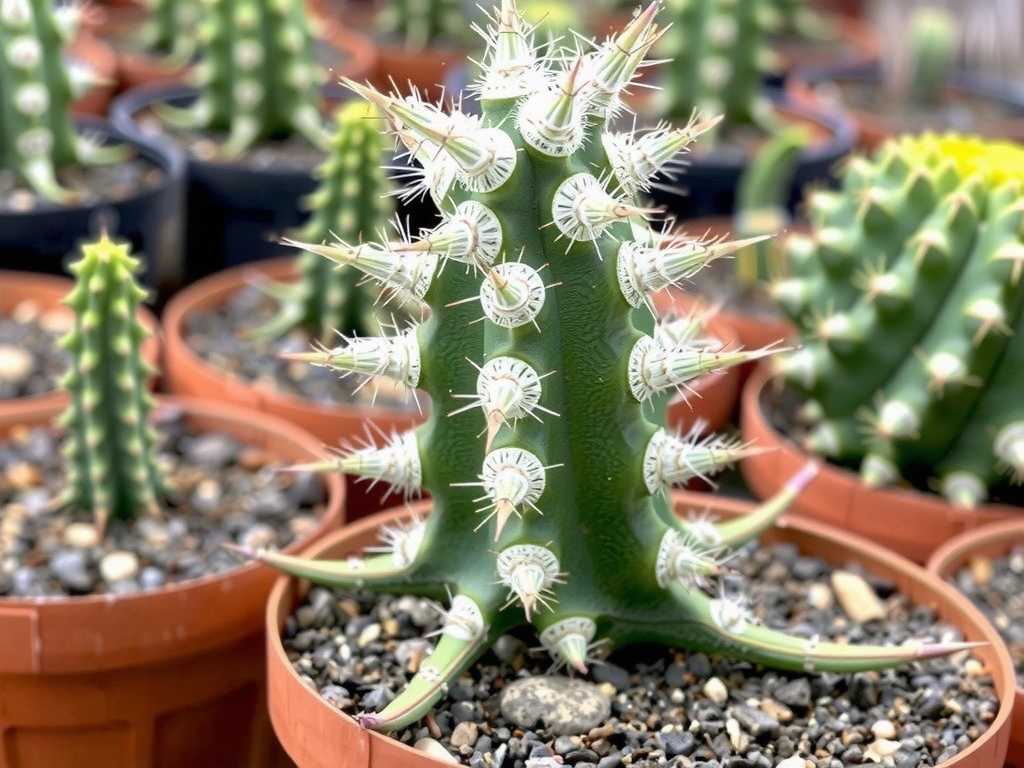
A fishbone cactus (Disocactus anguliger) in a pot is one thing. When trained vertically, its environment changes dramatically. Gravity pulls water downward, and the plant’s own structure creates microclimates. The densely packed stems near the trellis base or in the center hold humidity and dry slower. Meanwhile, the newer, upper growth and outer stems are fully exposed to light and air, drying out much faster. A single, top-down pour simply cannot address these variations. Mastering even moisture distribution for fishbone cactus requires a shift from simple watering to strategic hydration.
Essential Pre-Watering Checks: The Foundation of Success
Never water on a schedule. Your trellis setup, pot material, and home environment create a unique ecosystem. Always perform these checks first.
- The Soil Probe Test: This is your most reliable tool. Insert a wooden chopstick or moisture meter deep into the soil near the pot’s center and also near the edge, close to the trellis base. If it comes out clean and dry 2-3 inches down, it’s time to water. If soil clings to it, wait. This check specifically targets the root zone’s condition.
- Pot and Soil Audit: Terracotta pots breathe and wick moisture, drying soil faster than plastic or ceramic. Ensure your potting mix is extremely well-draining—a blend of cactus soil with added perlite or orchid bark is ideal. Good drainage is non-negotiable for preventing waterlogged pockets behind the trellis.
- Environmental Awareness: Heating, air conditioning, and seasonal light changes drastically affect drying times. Plants dry out faster in warm, bright, breezy conditions and slower in cool, low-light humidity.
The Step-by-Step Technique for Perfect Trellis Watering
Follow this method to ensure every root gets the hydration it needs without leaving any stem sector soggy.
1. The Deep Basin Hydration Method This is the cornerstone of watering a fishbone cactus on a support structure. Place your entire potted trellis in a sink, basin, or tub. Fill the container with lukewarm water until it reaches about halfway up the height of the pot. Let it soak for 20-45 minutes. This allows the soil to absorb moisture evenly from the bottom up, eliminating dry pockets that top watering misses. As noted by horticulturist Jane Smith in The Epiphytic Gardener, “Bottom-soaking is the single most effective way to ensure a root ball is uniformly moist, especially for plants with dense growth or in constrained pots.”
2. Strategic Top Watering for Upper Roots After the soak, remove the pot from the basin and let it drain completely in the sink. Once drainage slows, use a watering can with a long, narrow spout to gently water the soil surface at the base of the trellis. Focus on areas where the upper roots are likely to be. This step supplements the deep soak and ensures the very top layer of roots isn’t missed.
3. Post-Watering Drainage is Non-Negotiable This is critical. Let the pot drain in the sink or on a rack for at least an hour. No saucer should ever be left holding water, as this will re-saturate the bottom soil and defeat the purpose of even drying. Ensure the pot is lifted off any saucer with pebbles or pot feet to maximize air circulation.
Advanced Tips for Large or Wall-Mounted Trellises
For big, heavy setups you can’t move, you’ll need a modified approach.
- The Targeted Top-Watering Technique: Use a watering can with a very long, bendable spout. Water the soil surface slowly and deliberately, moving around the entire base of the trellis. Pause between pours to let water penetrate. Repeat this 3-4 times over 15 minutes to mimic a slow, deep soak.
- Misting as a Supplement, Not a Solution: While misting does not hydrate roots, lightly misting the aerial roots and the backside of dense stems on the trellis during very dry spells can provide supplemental moisture and increase local humidity. Never rely on misting alone for watering.
Signs You’ve Mastered Even Moisture Distribution
When your technique is working, your plant will show it. Look for consistent, plump stems without sections of shriveling (a sign of under-watering in that zone) or yellowing, mushy bases (a sign of overwatering and rot). Growth should be even along the trellis, not just at the top or bottom.
How often should I water my trellised fishbone cactus? There is no fixed schedule. Frequency depends entirely on your environment, pot size, and season. Always use the soil probe test. In most indoor settings, a thorough watering every 10-14 days during active growth (spring/summer) and every 3-4 weeks in dormancy (fall/winter) is a common range, but your plant’s signals are the ultimate guide.
Can I use ice cubes to water my fishbone cactus on a trellis? Absolutely not. Ice cubes can shock the tropical epiphytic roots, leading to damage. They also provide insufficient water volume and melt in one spot, failing completely at achieving even soil moisture distribution. Always use room-temperature water.
My cactus is still unevenly plump after watering. What’s wrong? Persistent uneven plumpness often points to a root issue. A root-bound plant or one with damaged roots in a specific section cannot absorb water properly. Consider checking the root health during the next growing season. It may also indicate that your potting mix has become hydrophobic (water-repellent) in spots, requiring a full bottom-soak to re-wet it thoroughly.