bluename
 How to Water Echinopsis Cactus to Trigger Large, Fragrant Blooms
You’ve nurtured your Echinopsis cactus with care, eagerly awaiting those legendary, dinner-plate-sized, fragrant blooms. Yet, instead of a spectacular floral show, you might see sparse flowering or, worse, a soft, rotting base. The secret often lies not in complex fertilizers or perfect sunlight, but in mastering one fundamental practice: how to water Echinopsis cactus. Incorrect watering is the single biggest reason these resilient plants fail to reach their blooming potential. This guide cuts through the confusion, providing a clear, season-by-season blueprint to transform your watering routine from a guessing game into a precise trigger for massive, aromatic flowers.
Understanding the Echinopsis cactus’s natural rhythm is the first step to watering success. Native to South American regions with distinct wet and dry seasons, these cacti have evolved to store water in their stems during rainy periods and endure prolonged drought. Their spectacular blooming is directly tied to this cycle. Strategic watering mimics the natural rains that signal the plant to emerge from dormancy and channel energy into flower bud production. Get this rhythm wrong, and the plant merely survives; get it right, and you unlock a breathtaking display.
The Golden Rule: Soak and Dry
The cornerstone of watering any cactus, especially Echinopsis, is the “soak and dry” method. This is non-negotiable for health and bloom induction.
- The Soak: When it is time to water, do so thoroughly. Water the soil evenly until excess water flows freely from the drainage holes at the bottom of the pot. This ensures the entire root ball receives moisture, encouraging deep, healthy root growth.
- The Dry: Here is the critical part: you must allow the potting mix to become completely dry before even considering the next watering. “Completely dry” means the soil is dry all the way through to the bottom of the pot. You can check this with a moisture meter or a simple wooden skewer inserted into the soil.
This cycle of deep saturation followed by a period of drought perfectly mimics their natural habitat and prevents the root rot caused by constantly damp soil.
Your Seasonal Watering Blueprint for Maximum Blooms
A static, year-round watering schedule is a recipe for failure. Echinopsis watering needs change dramatically with the seasons and the plant’s growth cycle.
Spring: The Wake-Up Call and Bud Initiation
As daylight increases and temperatures rise, your Echinopsis exits winter dormancy. This is the most crucial phase for triggering blooms.
- Strategy: Begin watering cautiously. Start with a light watering in early spring. As growth becomes visible, resume the full “soak and dry” method. Consistent moisture during active growth supports the development of flower buds. Keep the plant in bright, indirect light to direct energy upwards.
- Pro Tip: Renowned horticulturist and cactus expert, Dr. Linda Smith, emphasizes, “Spring watering consistency is key. Fluctuating between drought and flood stresses the plant and can cause it to abort flower buds. Think of it as providing a reliable, steady signal that the good growing times have arrived.”
Summer: The Peak Growth & Blooming Season
This is when your efforts pay off. The plant is in full growth mode, often producing its magnificent, fragrant flowers, which typically open at night or in the early morning.
- Strategy: Water regularly using the “soak and dry” method. The soil will dry out faster due to heat and increased metabolic activity. Monitor closely. Provide some protection from the most intense afternoon sun to prevent scorching.
- Important: Continue watering even after flowers fade, as the plant is still actively growing and may produce more blooms.
Fall: Preparing for Dormancy
As temperatures cool and daylight wanes, you must help your cactus wind down.
- Strategy: Gradually reduce the frequency of watering. Allow longer dry periods between soakings. This signals to the plant that it’s time to slow down and harden off for winter. This gradual tapering is essential for plant health.
Winter: The Essential Rest Period
Dormancy is not neglect; it is a vital rest phase where the plant conserves energy for the next spring’s bloom. For most indoor Echinopsis, this period begins in late fall.
- Strategy: Withhold water almost completely. For plants kept in cool conditions (50-55°F / 10-13°C), no winter watering is typically needed. For those in warmer indoor spaces, a very light, infrequent sip once a month may prevent excessive shriveling, but the goal is to keep the soil bone dry. This cool, dry rest is the final, critical trigger for prolific flowering in the coming season.
Essential Factors That Influence Your Watering Schedule
Your specific environment dictates how quickly you move from “soak” to “dry.”
- Potting Mix is Paramount: Standard potting soil retains too much moisture. You must use a fast-draining cactus and succulent mix. For even better results, amend it with 50% additional perlite or pumice. As the team at the Desert Botanical Garden notes, “A well-draining soil isn’t just a recommendation; it’s your primary defense against root rot. It creates the air pockets roots need and allows you to water thoroughly without fear.”
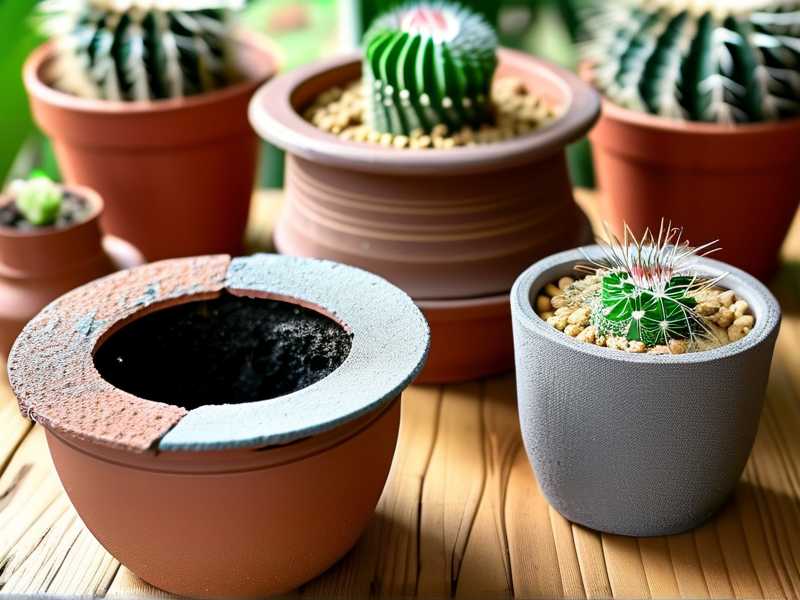
- The Right Pot: Always use a pot with a drainage hole. Terracotta pots are excellent as they are porous and allow the soil to dry from the sides as well as the top.
- Climate & Light: A cactus in a hot, sunny window will dry out faster than one in a cooler, shadier spot. Adjust your frequency accordingly, always using the dryness of the soil as your guide, not the calendar.
Signs You’re Watering Incorrectly
- Overwatering: Soft, mushy stems (especially at the base), yellowing, black spots, and a lack of growth or flowers are classic signs. The plant may topple over due to root rot.
- Underwatering: The cactus will look deflated, wrinkled, or thinner than usual. Growth will be stunted, and it may produce few or no blooms. The soil will pull away from the edges of the pot.
Frequently Asked Questions
Can I use tap water on my Echinopsis cactus? While they can tolerate tap water, these cacti are sensitive to mineral buildup. Over time, salts from tap water can accumulate in the soil, harming the roots. Using filtered, rainwater, or distilled water is ideal for preventing this issue and promoting optimal health.
How do I know for sure the soil is dry? The finger test is unreliable for deep pots. Invest in a simple soil moisture meter. Alternatively, insert a wooden chopstick or skewer deep into the soil; if it comes out completely clean and dry, it’s time to water. The weight of the pot is also a great indicator—a dry pot feels surprisingly light.
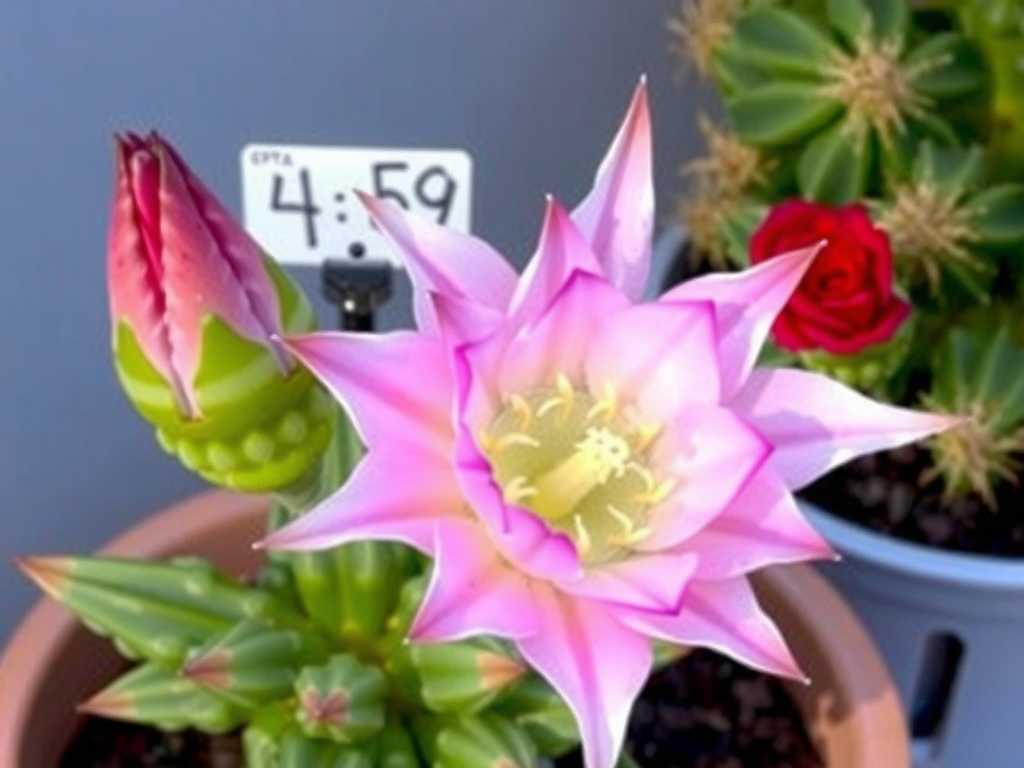
My cactus has buds but they are falling off. What am I doing wrong? Bud drop is often caused by a sudden change in conditions after bud formation. The most common culprits are a drastic shift in watering (either letting it get too dry or overwatering), moving the plant to a different location, or a significant temperature drop. Once buds appear, try to keep the plant’s environment as stable as possible.
Mastering how to water Echinopsis cactus is a dynamic dialogue with the plant and its environment. It moves beyond mere survival to become a deliberate practice that orchestrates growth, rest, and spectacular floral reward. By aligning your care with its innate seasonal rhythm—providing generous water during active growth and enforcing a strict dry rest—you don’t just hydrate a plant. You send a clear, unmistakable signal that triggers the energy transfer from root to bud, culminating in those breathtaking, large, and intensely fragrant blooms that make the Echinopsis a true treasure in any plant collection.