bluename
 How to Water Your Dancing Cactus Without Damaging Its Electronic Components
You've just brought home a delightful dancing cactus, a perfect blend of quirky charm and interactive technology. It sways happily to music, bringing a smile to your face. But when it comes time for watering, a wave of anxiety hits. How do you hydrate a plant that’s also an electronic gadget? One wrong move could mean a short circuit, silent motors, or a permanently wilted companion. This guide is designed to eliminate that fear. We will walk you through the precise, safe methods to water your dancing cactus, ensuring its roots stay healthy and its electronic components remain perfectly dry and functional.
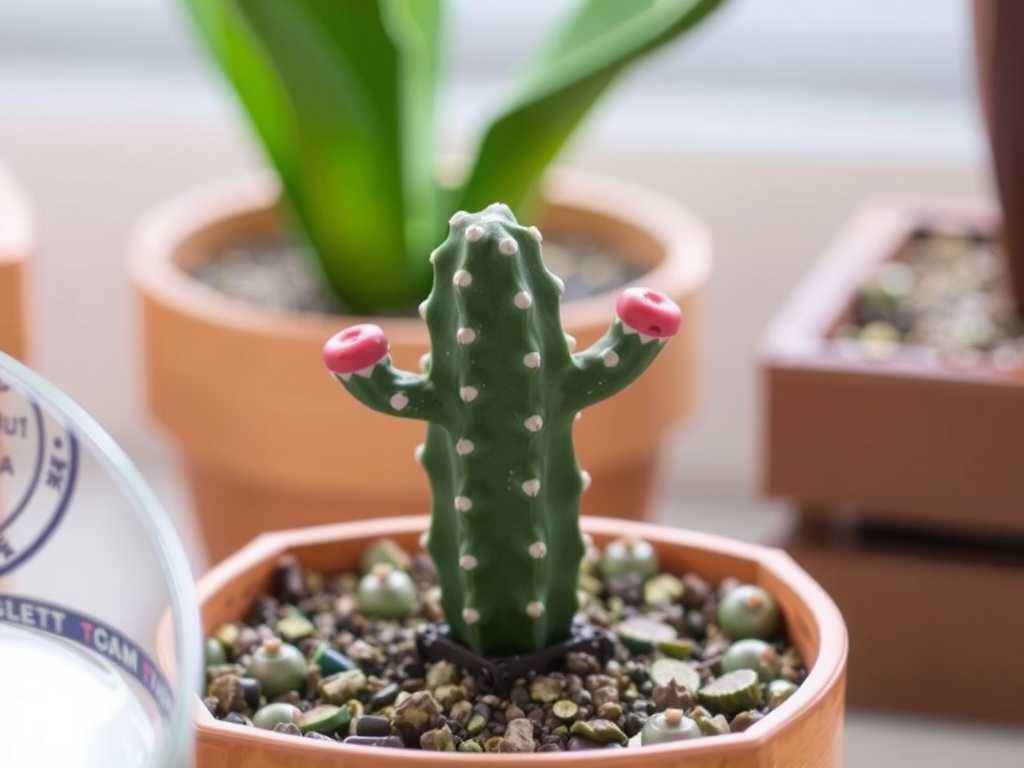
Understanding Your Dancing Cactus: A Hybrid of Nature and Tech
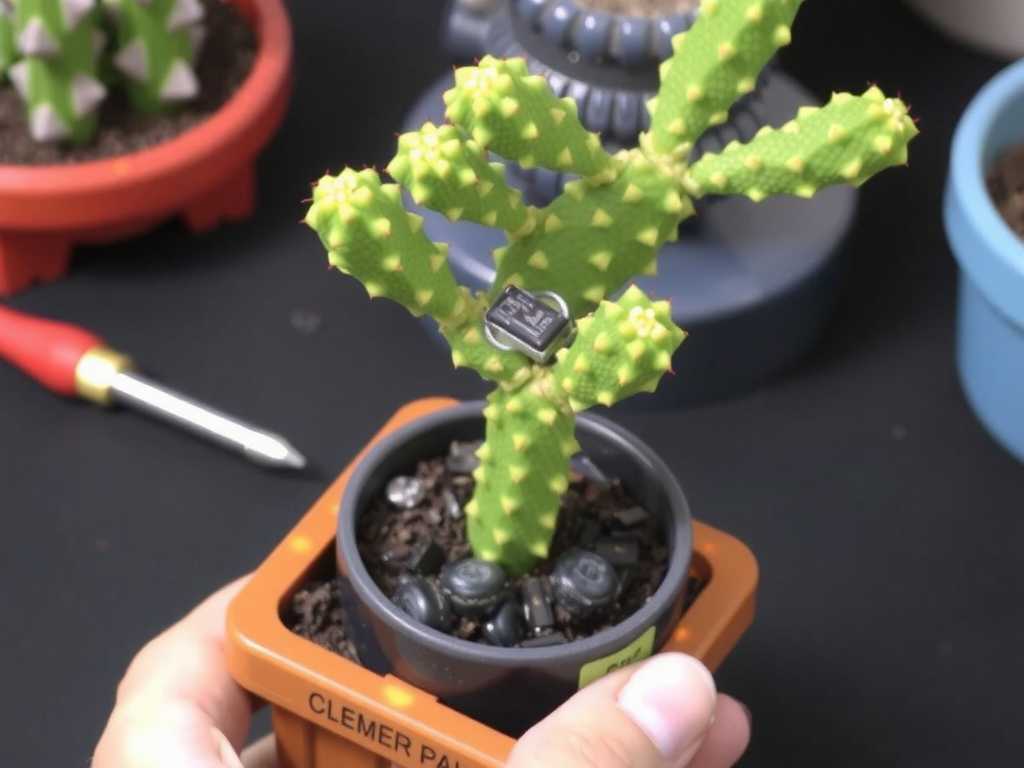
Before you reach for the watering can, it's crucial to understand what you're caring for. Unlike a regular cactus, your dancing friend is a complex system. The exterior is a living succulent, typically a Gymnocalycium mihanovichii or similar species, grafted onto a rootstock. Inside the pot, however, lies a small electronic module containing a battery, a sound sensor, and a motor that creates the charming dance movements.
The primary enemy is water intrusion. Moisture seeping into the electronic compartment can corrode connections, damage the motor, and drain the battery. The goal is to nourish the soil and roots while creating an impenetrable barrier between the water and the electronics.
Essential Pre-Watering Checklist
Always perform these checks before any watering session:
- Examine the Pot and Seal: Most quality dancing cacti have a sealed base or a raised platform that separates the soil compartment from the electronics. Identify the watering area—usually a small opening at the top or a designated soil section. Never submerge the entire pot in water.
- Check the Soil Moisture: The classic "soak and dry" method for succulents applies here. Insert a dry wooden skewer or your finger about an inch into the soil. If it comes out completely dry, it’s time to water. If there’s any moisture, wait a few more days. Overwatering is the fastest way to harm both the plant (root rot) and the electronics (by creating prolonged humidity).
- Power Down: As a simple safety precaution, turn off the dancing cactus if it has a power switch, or move it away from sound sources to prevent it from activating during watering.
The Step-by-Step Safe Watering Technique
Follow this method to ensure a safe and effective watering routine.
Gather Your Tools: You will need a watering can with a long, narrow spout or, even better, a small syringe or turkey baster. This allows for pinpoint accuracy. Using a large cup or a spray bottle that mists the entire plant body is not recommended, as water can trickle down into unwanted areas.
The Targeted Watering Process:
- Position the Pot: Place your cactus on a stable, level surface. Tilt the pot slightly away from the central stem and any visible seams or joints in the plastic housing.
- Apply Water Slowly: Using your chosen tool, gently apply water directly to the soil at the base of the plant. Aim for the perimeter of the soil, not the center stem. The key is to water the soil only, avoiding the plant's body and the outer casing of the pot.
- Control the Amount: Provide just enough water to moisten the soil thoroughly until you see a tiny bit of excess water begin to drain from the bottom drainage holes—if your model has them. If there are no drainage holes, be extra conservative. Typically, 1-2 ounces of water is sufficient, depending on pot size.
- Immediate Drainage: After watering, lift the pot and gently tilt it over a sink to allow any excess water in the saucer or casing to escape. Do not let the pot sit in standing water. Wipe away any accidental droplets on the exterior with a dry cloth.
Post-Watering Care: Leave the cactus in a well-ventilated area with indirect light for a few hours. Do not turn it on immediately. This allows any surface moisture to evaporate and ensures the internal environment is stable before reactivating the electronics.
Common Watering Mistakes to Avoid
- The "Misting" Myth: Misting the cactus body does not provide adequate water to the roots and significantly increases the risk of water seeping into seams and electronic ports.
- Ice Cube Method: A trendy hack for some houseplants, placing ice cubes on the soil is a terrible idea for a dancing cactus. The slow melt offers poor control, and cold water can shock the succulent's roots.
- Soaking or Submersion: Never, under any circumstances, soak the entire plastic pot in a bowl of water. This is an almost guaranteed way to damage the electronic components.
- Watering on a Schedule: Adhere to soil dryness, not the calendar. Watering every "Tuesday" regardless of conditions leads to overwatering.
Troubleshooting and Long-Term Health
What if you accidentally get water in the wrong place? If water exposure occurs, immediately power off the device, remove batteries if possible, and place the cactus in a dry, warm area with good airflow for at least 48-72 hours. Do not attempt to use a hairdryer, as focused heat can damage both plant and plastic.
For long-term maintenance, always use well-draining cactus or succulent soil if you ever need to repot. Ensure the internal seal between the soil section and the electronics remains intact. As noted by horticulturist and tech-gadget reviewer, Dr. Eleanor Greene, "The longevity of hybrid bio-tech novelties like the dancing cactus hinges entirely on the user's understanding of its two separate care profiles: botanical and digital. Respecting the boundary between them is non-negotiable."
Frequently Asked Questions
Can I use tap water to water my dancing cactus? It's best to use filtered, distilled, or rainwater if your tap water is very hard. Mineral deposits from hard water can build up in the soil and potentially clog any drainage paths over time, affecting soil health.
How often should I water my dancing cactus plant? There is no universal frequency. It depends on your home's climate, season, and light. During hot, sunny summers, it might need water every 10-14 days. In cool, dim winters, it may only need water once a month or less. Always let the soil dryness be your guide.
What are the signs that I’ve damaged the electronics from watering? Clear indicators include the cactus failing to dance when music is played, erratic or jerky movements, no movement at all, or audible grinding sounds from the motor. If the plant remains firm and green but the motion has stopped, the issue is likely electronic and often linked to moisture damage.
By following these careful practices, you can fully enjoy the whimsical personality of your dancing cactus for years to come. Consistent, mindful watering protects the sensitive technology within while providing just enough hydration to keep the living succulent thriving. It’s a simple routine that safeguards your investment and ensures the music—and the dance—never has to stop.