bluename
 How to Water Snow Velvet Cactus in Freezing Northern Winter Conditions
The Snow Velvet Cactus, with its striking white spines and resilient nature, is a prized specimen for succulent enthusiasts. However, its care becomes a significant challenge when winter arrives in northern climates. The combination of freezing temperatures, reduced light, and your natural instinct to nurture can quickly lead to a common, yet fatal, mistake: improper watering. Overwatering is the single greatest threat to your Snow Velvet Cactus during the cold months, potentially leading to root rot and irreversible damage. This guide is designed to demystify the precise watering techniques needed to help your cactus not just survive, but thrive, through a freezing northern winter.
Understanding the Dormant Phase
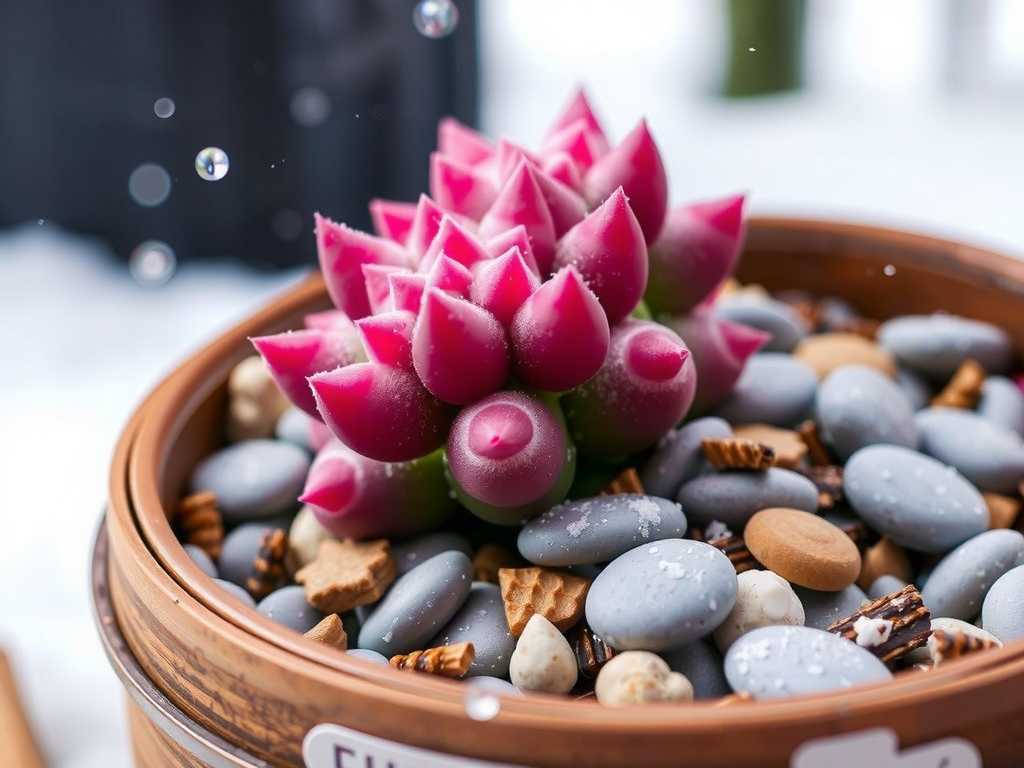
To water correctly, you must first understand the cactus's state of being. Unlike in its vibrant summer growth period, the Snow Velvet Cactus enters a state of dormancy in winter. Triggered by shorter days and colder temperatures, this is a survival mechanism. Its metabolic processes slow down dramatically; it ceases active growth and requires minimal resources. As noted in the Journal of Arid Environments, many cacti species reduce their water uptake by over 90% during dormancy. Watering as if it were still actively growing ignores this fundamental biological shift and floods a system that is essentially "shut down."
Assessing Your Specific Environment
Your watering schedule is not a fixed calendar date. It is a direct response to your plant's unique environment. Three critical factors determine how often you should water.
Indoor Heating and Humidity: A cactus placed near a radiator or forced-air vent experiences a much drier microclimate than one in a cool, bright sunroom. Indoor heating drastically reduces air humidity, which can affect the rate of soil evaporation. However, this does not automatically mean more frequent watering. The cactus's roots are still cold and dormant. Focus on providing ambient humidity through a pebble tray rather than adding water to the soil.
Light Exposure: A Snow Velvet Cactus in a south-facing window that receives several hours of weak winter sun will have slightly higher soil evaporation than one in an east-facing window. Light influences temperature, which in turn influences how quickly the potting medium dries. Always prioritize light for health, but let soil moisture be your primary watering guide, not light levels alone.
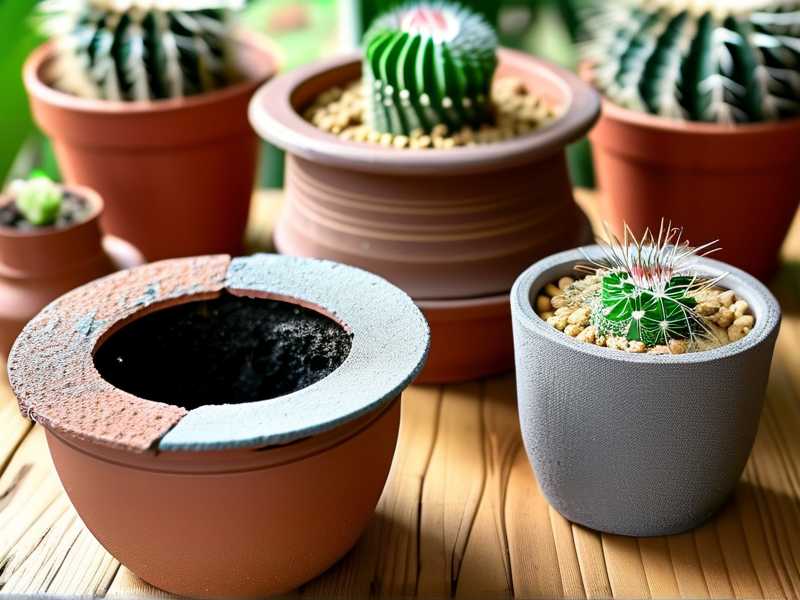
Pot and Soil Composition: This is arguably the most crucial factor. A ceramic or terra cotta pot allows moisture to evaporate through its walls, promoting a drier root zone. Plastic pots retain moisture far longer. Similarly, a well-draining soil mix—specifically formulated for cacti and succulents with ample perlite, pumice, or coarse sand—is non-negotiable. Heavy, moisture-retentive soil is a death sentence in winter.
The Golden Rule: The "Dry and Cold" Check
Forget watering on a schedule. Your new mantra is to check for both dry soil and cold temperatures before even considering water.
Step 1: The Soil Probe Test. Insert a wooden skewer or chopstick deep into the potting mix, near the edge of the pot. Leave it for a minute, then remove it. If it comes out completely clean, dry, and free of any soil particles or dampness, the soil is fully dry. If you see any moisture or darkened soil on the stick, do not water. Wait and test again in one to two weeks.
Step 2: The Temperature Check. Feel the weight of the pot. A completely dry pot will feel very light. More importantly, ensure the plant itself and its soil are at room temperature, not cold to the touch from being near a drafty window. Watering a cold root ball with warm water can shock the plant.
The Step-by-Step Winter Watering Technique
When both checks confirm bone-dry soil and a non-cold plant, you may proceed with extreme caution.
- Choose the Right Time: Water in the late morning on a relatively bright day. This gives any excess moisture on the plant a chance to evaporate before nighttime temperatures drop.
- Use Tepid Water: Never use ice-cold tap water. Allow water to sit until it reaches room temperature to avoid root shock.
- Water Deeply but Infrequently: Apply water slowly and evenly to the soil surface, not over the plant's body. Water until you see a slight trickle escape from the drainage holes. This ensures the entire root ball receives moisture. Immediately discard any water that collects in the saucer. Do not let the pot sit in water.
- Provide Immediate Drainage: After watering, tip the pot slightly to ensure all excess water drains away. Increased airflow around the pot base can help.
- Return to Observation Mode: After this single watering, return to your "dry and cold" check protocol. The interval until the next watering could be four, six, or even eight weeks depending on your conditions.
Signs of Trouble: Overwatering vs. Underwatering
Correctly diagnosing your cactus's condition is vital.
Symptoms of Overwatering (More Common in Winter): The base of the cactus or its stems become soft, mushy, and may appear translucent or yellow/brown. The plant may feel unstable in the pot. A foul smell from the soil indicates advanced root rot. If caught early, you must stop all watering, remove the plant from its wet soil, cut away any rotten parts with a sterile tool, and repot in fresh, dry mix.
Symptoms of Underwatering (Less Common in Winter): The cactus may exhibit excessive, severe wrinkling or shriveling, often starting from the base. The spines may appear dull. While underwatering is risky, it is almost always less immediately dangerous than overwatering in winter. If you see these signs, perform the soil probe test. If dry, execute one careful watering as described and monitor for plumping over the next week.
Expert Insight for Extreme Cold Spells
During prolonged periods of deep freeze where indoor windowsills become very cold, some experts, like horticulturist Dr. Eleanor Greene, advocate for a "near-zero watering" approach. "For a Snow Velvet Cactus in a consistently cold (below 50°F/10°C), bright location, it is often safest to withhold water entirely from December through February," she advises. "The plant utilizes its stored internal moisture and the risk of rot from even a single watering is too high." This method requires confidence in your plant's health entering dormancy and perfect, well-draining soil.
My cactus looks slightly shriveled. Should I water it? A slight degree of wrinkling is normal and expected during dormancy as the plant uses its internal water stores. Do not interpret this as an immediate need for water. First, perform the soil probe test. If the soil is still moist at all, hold off. Watering a slightly shriveled cactus in damp, cold soil is the most common error. Only water if the plant is severely shriveled and the soil is completely dry.
Can I use a moisture meter instead of the skewer test? Moisture meters can be unreliable for fast-draining cactus mixes, often giving false readings. The simple wooden skewer or chopstick method is more accurate and tactile, giving you a direct physical sense of the soil's moisture level at root depth.
When should I resume normal watering in spring? Do not switch to a summer schedule based on the calendar. Wait for consistent signs of active growth, such as new, bright green growth at the apex of the cactus or an increase in plumpness. This typically occurs when daylight increases significantly and ambient temperatures consistently stay above 60°F (15°C). Then, you can begin to water more regularly, always allowing the soil to dry thoroughly between sessions.
Successfully nurturing a Snow Velvet Cactus through a freezing winter hinges on restraint and observation. By respecting its dormant state, prioritizing a perfect potting environment, and replacing a watering schedule with a responsive "dry and cold" check, you provide the precise care it needs. This approach minimizes the risk of root rot—the primary winter threat—and allows your cactus to conserve its energy. When spring's warmth returns, your patient, careful stewardship will be rewarded with a healthy, resilient plant ready for a new season of growth. Remember, in the winter care of this beautiful cactus, less is unequivocally more.