bluename
 How to Care for Pet-Safe Opuntia Cactus Around Cats and Dogs
You love the sculptural beauty of cacti and the cheerful company of your furry friends. But bringing a spiky plant into a home with curious cats and dogs can feel like a recipe for disaster. The worry is real—will a playful swat or an investigative nibble lead to a painful vet visit? Fortunately, the Opuntia cactus, often known as the prickly pear, offers a stunning solution. With the right knowledge and precautions, you can cultivate a thriving, pet-safe Opuntia cactus that adds unique character to your space without compromising your pets' safety. This guide will walk you through every step, from safe selection to expert care, ensuring harmony between your botanical and animal family members.
Understanding the Opuntia and Pet Safety
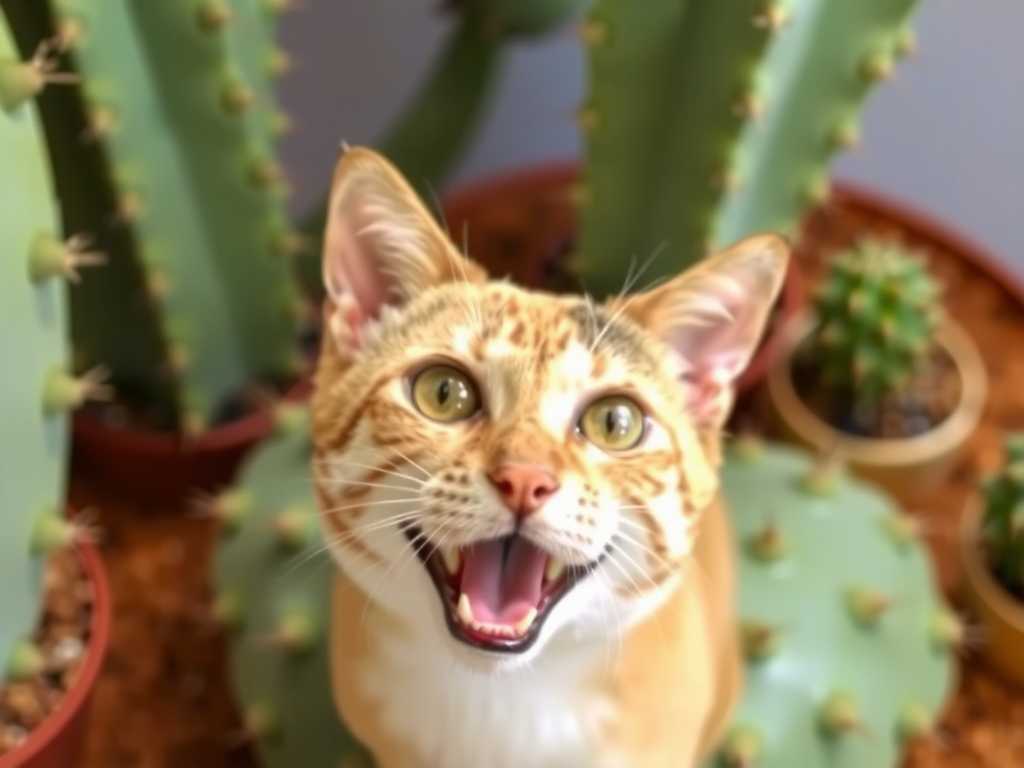
Not all cacti are created equal, especially in a pet-friendly household. The Opuntia genus stands out for its distinctive, flattened pads and, crucially, its type of spines.
What Makes Some Opuntia Varieties Pet-Safer?
The primary hazard of most cacti comes from their sharp, rigid spines that can easily embed in skin and fur, causing injury and potential infection. Many Opuntia species, however, are armed with glochids. These are tiny, hair-like barbed spines that detach at the slightest touch. While glochids are notoriously irritating and difficult to remove, they are less likely to cause deep puncture wounds compared to large spines. The key to a pet-safe cactus is selecting specific "spineless" or minimally-spined Opuntia cultivars that have been bred to reduce or eliminate these hazards.
Top Pet-Safe Opuntia Varieties to Consider
When choosing your plant, opt for these safer varieties:
- Opuntia ellisiana (Spineless Prickly Pear): True to its name, this variety typically lacks both large spines and significant glochids, making it one of the safest choices.
- Opuntia ficus-indica (Indian Fig Opuntia): Cultivated varieties often have few to no spines, though minor glochids may be present. Always inspect the plant before purchase.
- Opuntia cacanapa ‘Ellisiana’: Another excellent, nearly spineless cultivar known for its blue-green pads.
Remember, "spineless" can sometimes mean "fewer spines." A thorough visual and gentle touch inspection (using a tool like tweezers) is essential before bringing any cactus home.
Safe Placement and Pet Training Strategies
Even with a safer plant, proactive management is the cornerstone of cactus and pet cohabitation.
Choosing the Right Location
Placement is your first line of defense. Consider these spots:
- High Shelves or Hanging Planters: Elevating your Opuntia places it completely out of reach for most dogs and cats. Ensure the shelf is stable and not accessible via furniture "stairs."
- Designated Plant Rooms: Keeping your cactus in a room that is off-limits to pets is a simple, effective solution.
- Inside a Terrarium or Cloche: A large, open glass container can act as a decorative barrier, allowing light in while keeping paws out.
Training Your Pet to Steer Clear
Training reinforces safe boundaries:
- Use positive reinforcement. When your pet ignores the cactus, reward them with a treat or praise.
- If they show interest, a firm "no" or "leave it" command can be effective. Consistently redirect their attention to an appropriate toy.
- For cats, providing appealing alternatives like cat grass can satisfy their desire to chew on greenery.
Essential Care for Your Pet-Safe Opuntia
A healthy cactus is a safe cactus, as it’s less likely to drop pads or become unstable. Opuntia is delightfully low-maintenance when its basic needs are met.
Light and Temperature Requirements
Opuntia cacti thrive on abundant light. Provide at least 6 hours of direct sunlight daily, ideally in a south or west-facing window. They prefer warm temperatures between 70-100°F (21-38°C) in summer and cooler, but not freezing, conditions in winter (above 50°F or 10°C).
Watering and Soil: The "Soak and Dry" Method
Overwatering is the fastest way to harm a cactus. Use a well-draining cactus or succulent mix. Water only when the soil is completely dry throughout the pot. When you do water, soak the soil thoroughly until water runs out the drainage holes, then let it dry out completely again. In winter, reduce watering to once a month or less.
Fertilizing and Repotting
Feed your Opuntia sparingly. A balanced, diluted liquid fertilizer formulated for cacti applied once in early spring and once in mid-summer is sufficient. Repot every 2-3 years in spring if the plant becomes root-bound, using fresh potting mix and handling the plant with thick gloves and folded newspaper for safety.
Emergency Preparedness: What If Your Pet Interacts with the Cactus?
Despite all precautions, accidents can happen. Here’s what to do.
First Aid for Spine or Glochid Contact
If your pet gets spines or glochids in their skin, nose, or mouth:
- Restrain Safely: Calm and gently restrain your pet to prevent them from rubbing the area and driving spines deeper.
- Visible Spines: Use tweezers to carefully remove any large, visible spines. Avoid breaking them.
- Glochids: For clusters of tiny glochids, apply a layer of white glue or adhesive tape to the area, let it dry partially, and gently peel it away. This can lift out many of the fine spines.
- Bathe the Area: Wash the affected area with mild soap and warm water to soothe and clean it.
When to Call the Veterinarian
Contact your vet immediately if:
- Spines are embedded in the eyes, mouth, or throat.
- You cannot remove the spines easily, or the area becomes swollen, red, or shows signs of infection.
- Your pet is in significant distress, pawing incessantly, or showing signs of an allergic reaction.
Creating a Truly Pet-Friendly Green Space
Your Opuntia can be the centerpiece of a broader pet-friendly indoor garden. Complement it with other completely non-toxic plants like Spider Plants (Chlorophytum comosum), Boston Ferns (Nephrolepis exaltata), or Parlor Palms (Chamaedorea elegans). This diversifies your indoor jungle and gives you peace of mind. Dr. Laura Greene, a veterinarian specializing in toxicology, advises, "The best strategy is a combination of safe plant selection and strategic placement. Knowing which plants are non-toxic, like certain Opuntia, allows pet parents to enjoy greenery without constant worry."
Frequently Asked Questions
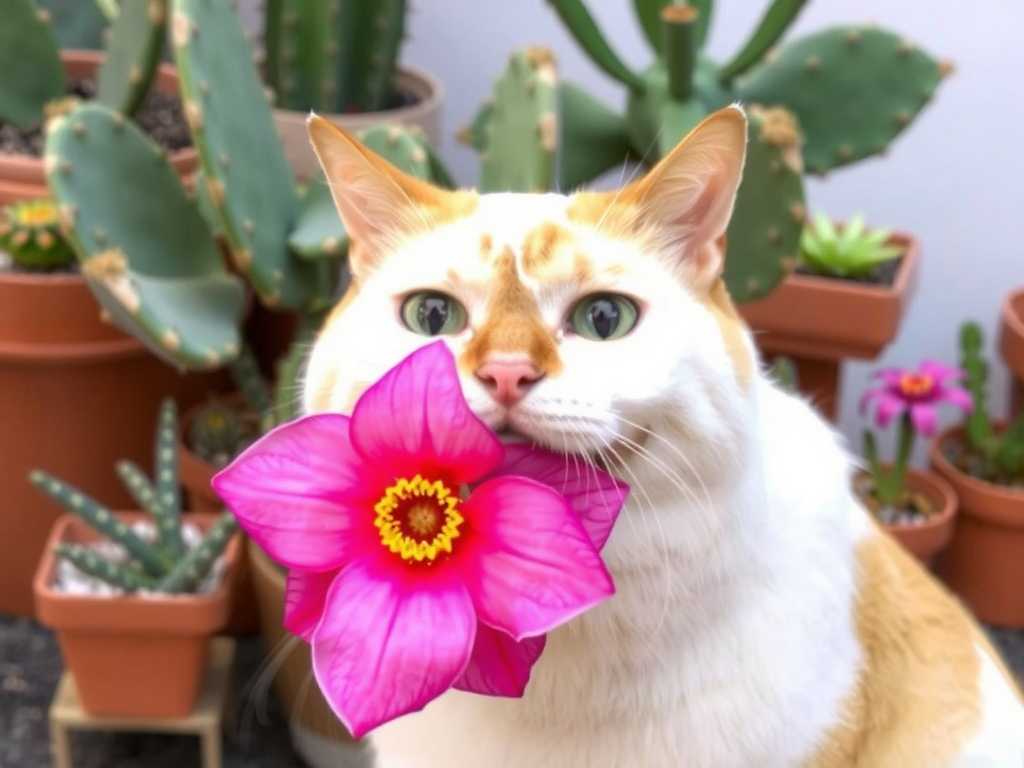
Is the Opuntia cactus fruit safe for pets? The ripe fruit of the Opuntia (prickly pear) is non-toxic to dogs and cats. However, the outer skin may have residual glochids, which are hazardous. It's safest to remove the skin completely and only offer a small amount of the inner flesh as a rare treat, monitoring for any digestive upset.
My dog ate a piece of my Opuntia pad. What should I do? First, identify the variety. If it's a "spineless" type, the main risk is physical irritation from any glochids or fibrous plant material. Monitor your dog closely for signs of mouth discomfort, drooling, gagging, or vomiting. If the cactus had large spines or if any symptoms develop, contact your veterinarian promptly.
How can I tell if my Opuntia is getting too much or too little water? Signs of overwatering include soft, mushy, or discolored (often yellow or black) pads, and a foul smell from the soil. Underwatering is signaled by thin, wrinkled, or shriveled pads that may lose their firmness. When in doubt, err on the side of underwatering; Opuntia are exceptionally drought-tolerant.