bluename
 How to Care for Columnar Cactus to Prevent Top-Heavy Tilting
There's a special kind of heartbreak for a plant lover: watching your once-stately columnar cactus slowly begin to lean, bend, or even threaten to topple over. That majestic, upright form you fell in love with is now a top-heavy tower in peril. This frustrating issue, known as top-heavy tilting, is a common cry for help from these architectural beauties. It’s a clear sign that something in their care routine is out of balance. But don't worry—this problem is almost always preventable and often correctable. This guide will walk you through the essential steps of columnar cactus care, focusing specifically on the practices that keep them growing straight, strong, and stable for years to come.
Understanding Why Your Columnar Cactus is Tilting
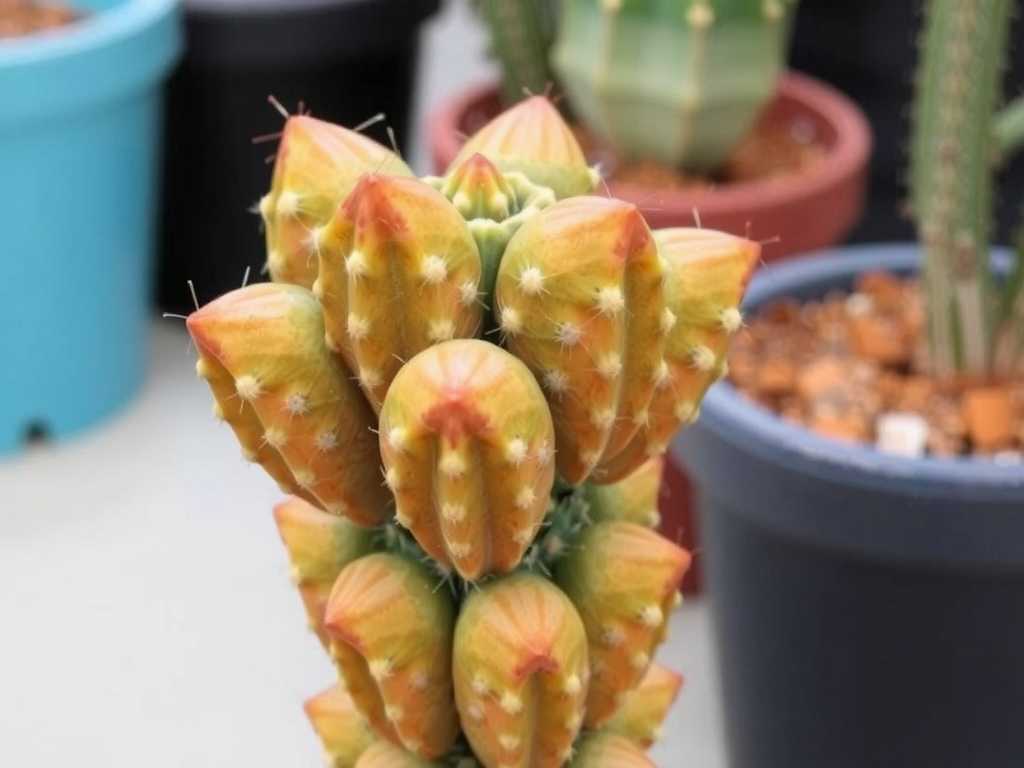
Before we can fix the problem, we need to diagnose the cause. A leaning cactus isn't just being dramatic; it's responding to physical stressors. The primary culprits almost always boil down to issues with light, water, or support.
Insufficient or Uneven Light Columnar cacti are sun worshippers. In their native habitats, they bask in hours of direct, intense sunlight. When grown indoors or in shaded spots, they will etiolate—stretch abnormally towards the nearest light source. This new growth is weaker, thinner, and paler, creating a top-heavy plant with a fragile neck. Similarly, if light only comes from one direction (like a single window), the cactus will literally lean into the light, causing a permanent bend.
Improper Watering Practices This is a two-fold issue. Chronic overwatering is the most dangerous. It leads to root rot, which destroys the root system's ability to anchor the plant. The cactus becomes loose in the soil and can easily tilt. The base may also become soft and mushy. On the other hand, prolonged underwatering can cause the cactus to use up its internal moisture reserves, leading to severe shrinkage and loss of turgor pressure. A dehydrated cactus can become lightweight and desiccated, making it less stable.
Inadequate Root Development or Soil Sometimes, the issue starts at the very foundation. A root system confined to a small pot cannot physically support a large, heavy column. Furthermore, a soil mix that is too dense, retains too much moisture, or lacks grit fails to provide the sharp drainage and firm anchorage these plants require. A top-heavy cactus in poor soil is an accident waiting to happen.
The Pillars of Prevention: A Proactive Care Routine
The best strategy is to create an environment where tilting never begins. By mastering these core aspects of care, you build a resilient, upright plant from the roots up.
Providing Optimal Sunlight Exposure Your cactus needs direct sunlight—as much as you can possibly give it. A south-facing window is ideal indoors. During the growing season (spring and summer), consider moving potted specimens outdoors to a spot with full sun. Do this gradually over a week to prevent sunburn. If natural light is insufficient, supplement with a high-quality grow light positioned directly above the plant. This encourages even, upward growth. Remember to rotate your pot a quarter turn every few weeks to ensure all sides receive equal light and prevent phototropic leaning.
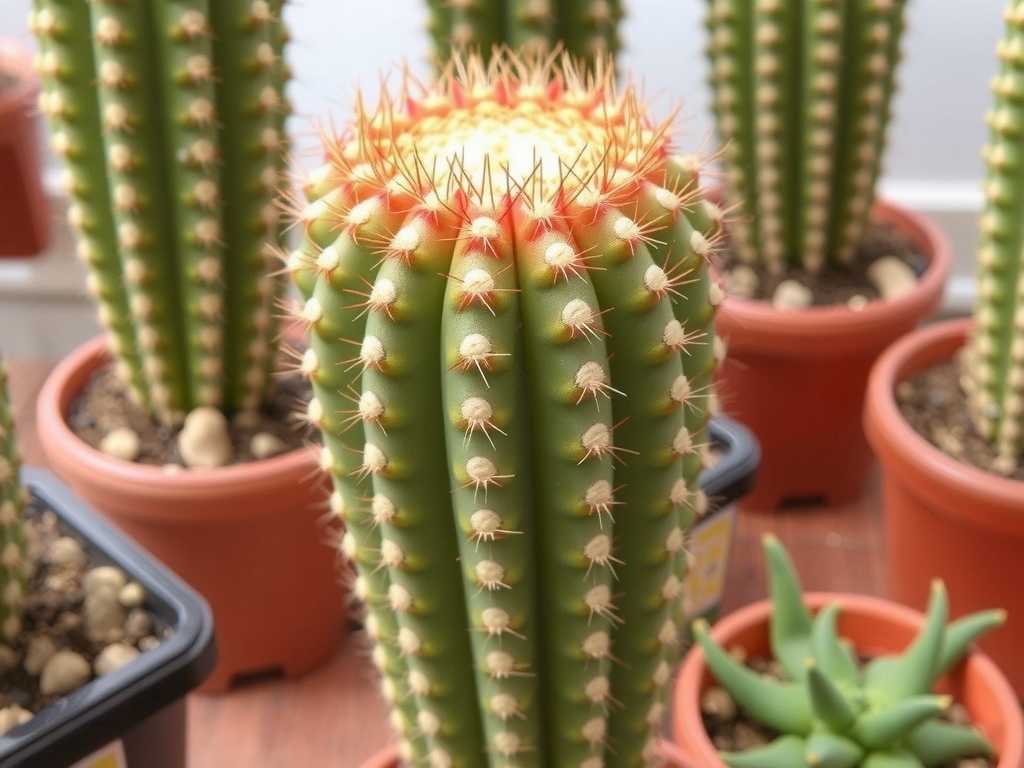
Mastering the Soak-and-Dry Watering Method This technique is non-negotiable for healthy columnar cacti. Water deeply and thoroughly until water runs freely from the drainage holes. This ensures the entire root ball is moistened. Then, let the soil completely dry out. You must check the soil moisture at the root level; stick your finger or a wooden skewer several inches into the pot. Only water again when it is bone dry. In winter, when the plant is dormant, watering may only be needed once a month or even less. This cycle promotes strong, deep root growth as the roots seek out moisture, creating a natural anchor.
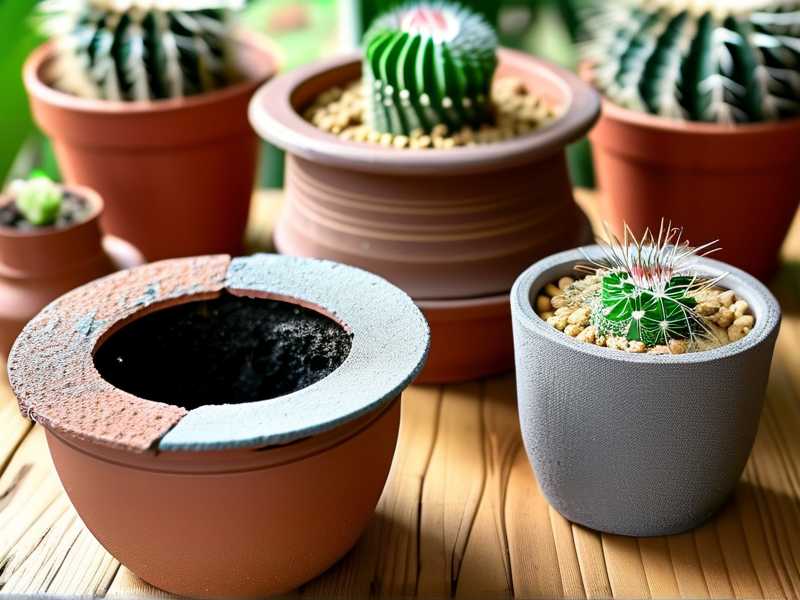
Choosing the Right Soil and Pot The perfect home for your cactus is a terracotta pot with a drainage hole. Terracotta is porous, allowing the soil to dry from the sides as well as the top, and its weight adds stability against top-heavy plants. The pot should be only slightly larger than the root ball—a pot that's too large holds excess wet soil. For soil, use a specialized cactus and succulent mix. For extra security, amend it with 50% additional inorganic material like perlite, pumice, or coarse sand. This creates a gritty, fast-draining, and structurally supportive medium that roots can grip easily.
Corrective Actions for a Leaning Cactus
If your cactus is already tilting, act quickly. The solution depends on the cause and severity.
Staking and Support for Immediate Stability For a severe lean, provide temporary external support. Gently insert a sturdy stake (like bamboo or a dowel) into the pot, being careful to avoid major roots. Use soft plant ties or cloth strips to loosely secure the cactus to the stake. The goal is to support, not strangle. This is a brace, not a permanent solution, and must be combined with correcting the underlying care issue.
The Safe Repotting Procedure If the cause is root rot or a poor soil/pot situation, repotting is necessary.
- Gently remove the cactus from its pot, using rolled-up newspaper or gloves for handling.
- Inspect the roots. Cut away any black, mushy, or rotten roots with a sterile knife.
- Let the root ball air dry in a shaded spot for a few days to callous over.
- Plant it in a fresh, dry, gritty cactus mix within a suitable terracotta pot.
- Do not water for at least a week after repotting to allow roots to heal.
Encouraging Straight Regrowth For etiolated or bent growth, you cannot reverse the damage. However, you can correct the plant's form. If the top is severely etiolated, you may use a sterile, sharp knife to behead the cactus. Cut straight across the column above the healthy, thick growth. Let the cutting callous for several weeks, then you can re-root it to start a new, straight plant. The original base will often produce new offsets (pups).
Advanced Tips for Long-Term Health and Stability
Fertilizing for Strength, Not Just Growth Feed your columnar cactus sparingly during the active growing season (spring to early fall). Use a balanced, water-soluble fertilizer diluted to half-strength, or a formula specifically for cacti. Over-fertilizing, especially with high-nitrogen blends, can cause overly soft, rapid growth that is prone to weakness and splitting. As noted by horticulturist Dr. Linda S. Smith in The Journal of Arid Land Plants, "Controlled, modest fertilization supports the development of robust cellular structure in columnar cacti, enhancing their ability to remain self-supporting."
Monitoring for Pests and Damage Mealybugs, scale, and other pests can weaken a plant. Regularly inspect the crevices and base of your cactus. Physical damage from bumps or scrapes can also create weak points. A healthy, pest-free plant has the best structural integrity.
Seasonal Adjustments Respect the dormancy period in winter. Provide cooler temperatures (if possible) and drastically reduce watering. This period of rest is crucial for the plant to harden off and prepare for the next growth spurt. A cactus forced to grow year-round in warm, wet conditions will be structurally weak.
Can I just use regular potting soil for my columnar cactus? It is strongly discouraged. Regular potting soil retains too much moisture and will compact over time, suffocating roots and promoting rot. The unique, gritty mix recommended for cacti is essential for both drainage and physical stability, allowing roots to anchor firmly.
My cactus is leaning after repotting. What did I do wrong? This is common. The plant may not have been planted deeply or firmly enough in the new soil. Ensure the base is well-supported and the surrounding soil is gently firmed to hold it upright. It may also be in shock; give it a week or two of bright, indirect light and no water to settle. Temporary staking can help during this adjustment period.
How do I know if the tilting is from overwatering or underwatering? Check the plant's texture and soil history. An overwatered cactus often has a soft, mushy, or discolored (yellow/brown) base, and the soil may stay damp. An underwatered cactus will feel dry, wrinkled, or brittle, and the soil will be powdery dry. The lean from overwatering is often accompanied by rot, while an underwatered lean is from shrinkage and weight loss.
A straight, towering columnar cactus is a testament to attentive, knowledgeable care. By prioritizing intense light, a disciplined watering routine based on the soak-and-dry method, and a gritty, well-draining soil within a sturdy pot, you build a foundation that actively prevents top-heavy tilting. Remember to observe your plant closely—it will show you what it needs. With these practices, you can confidently grow these stunning architectural plants to their full, upright potential, avoiding the lean and enjoying their vertical beauty for decades.