bluename
 How to Care for Bonsai Cactus to Maintain Its Miniature Size
You’ve fallen in love with the unique, sculptural beauty of a bonsai cactus. Its miniature form mimics ancient trees, bringing a serene, desert-like landscape to your windowsill. But a creeping fear follows the initial wonder: “What if it grows out of control?” Seeing your carefully styled plant lose its tiny, artistic proportions to unchecked, leggy growth is the ultimate frustration for any enthusiast. The secret isn't just in the initial styling; it's in the dedicated, ongoing care. Keeping a bonsai cactus small is an art form in itself, requiring specific techniques that differ from caring for a regular cactus. This guide will walk you through every essential step, from precise watering to strategic pruning, ensuring your living sculpture remains perfectly miniature for years to come.
Understanding the Bonsai Cactus Philosophy
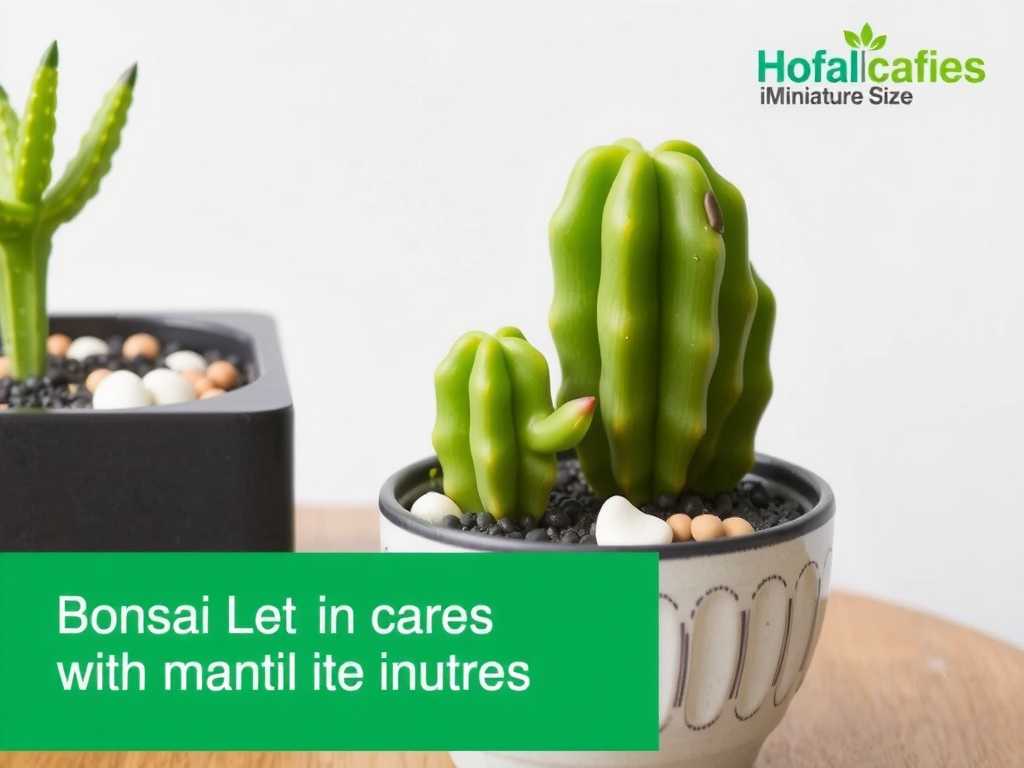
At its heart, bonsai is the practice of cultivating a tree or plant in a container while meticulously controlling its size and shape to evoke the essence of a mature, full-sized specimen in nature. When applied to cacti, this philosophy combines the resilience of succulents with the disciplined artistry of bonsai. The goal is not to stunt the plant’s health but to guide its growth. As noted by the Bonsai Society, the core principles—proportion, balance, and harmony—apply just as much to a prickly juniper as they do to a ficus. For a cactus, maintaining its miniature size is a continuous dialogue between you and the plant, responding to its needs while gently directing its form.
Essential Care for Size Control
The foundation of a miniature bonsai cactus is not one dramatic action, but a series of consistent, correct care practices. These elements work in concert to create an environment where the plant thrives in health but is gently restrained in expansive growth.
Precise Watering: The Delicate Balance
Watering is perhaps the most critical and most misunderstood aspect. Your instinct might be to underwater, assuming all cacti thrive on neglect. However, a bonsai cactus in a shallow pot has limited soil reserves. The key is the “soak and dry” method. Water thoroughly until it runs freely from the drainage holes, ensuring the entire root ball is moistened. Then, allow the soil to become completely dry before watering again. This cycle promotes strong, healthy roots that seek moisture without encouraging rapid, spongy growth. Overwatering is a sure path to rot and disproportionate swelling, while chronic underwatering stresses the plant, causing it to shrink unhealthily.
The Right Soil Mix: Foundation for Miniature Growth
Standard cactus soil is often too organic and moisture-retentive for the confined space of a bonsai pot. To maintain size and health, you need a gritty, free-draining mix. A recommended formula is:
- 50% inorganic material (like pumice, coarse sand, or perlite)
- 30% mineral component (like akadama or turface)
- 20% organic matter (like coconut coir or sifted pine bark) This mix provides excellent drainage, prevents root rot, and physically restricts rampant root growth. The limited nutrients in this substrate also naturally slow down top growth, helping you maintain that coveted miniature stature.
Strategic Light Exposure
Light is the engine of growth. To control that engine, provide bright, indirect light for most of the day with some direct morning or late afternoon sun. An east or south-facing window is ideal. Insufficient light will cause etiolation—where the cactus stretches thin and pale toward the light source, ruining its compact form. Too much harsh, direct midday sun, especially behind glass, can scorch the plant. If you notice stretching, gradually increase light exposure. For consistent, compact growth, many experts recommend supplementing with a grow light for 10-12 hours a day, especially during winter months.
Fertilizing with Restraint
Fertilizer is not food for explosive growth in the bonsai world; it’s a subtle supplement. Use a balanced, water-soluble fertilizer diluted to half-strength, or a fertilizer specifically formulated for cacti and succulents. Apply this only during the active growing season (typically spring and summer), and do so no more than once a month. As master bonsai artist Michael Persiano advises, “Think of fertilizer as vitamins, not a meal. Overfeeding forces growth, leading to large, weak internodes that destroy miniature proportions.” A lean diet encourages slower, denser, and more resilient growth.
Active Techniques to Maintain Miniature Size
Beyond daily care, active intervention is necessary to direct and contain your bonsai cactus’s form. These are the artistic tools of the practice.
The Art of Pruning and Pinching
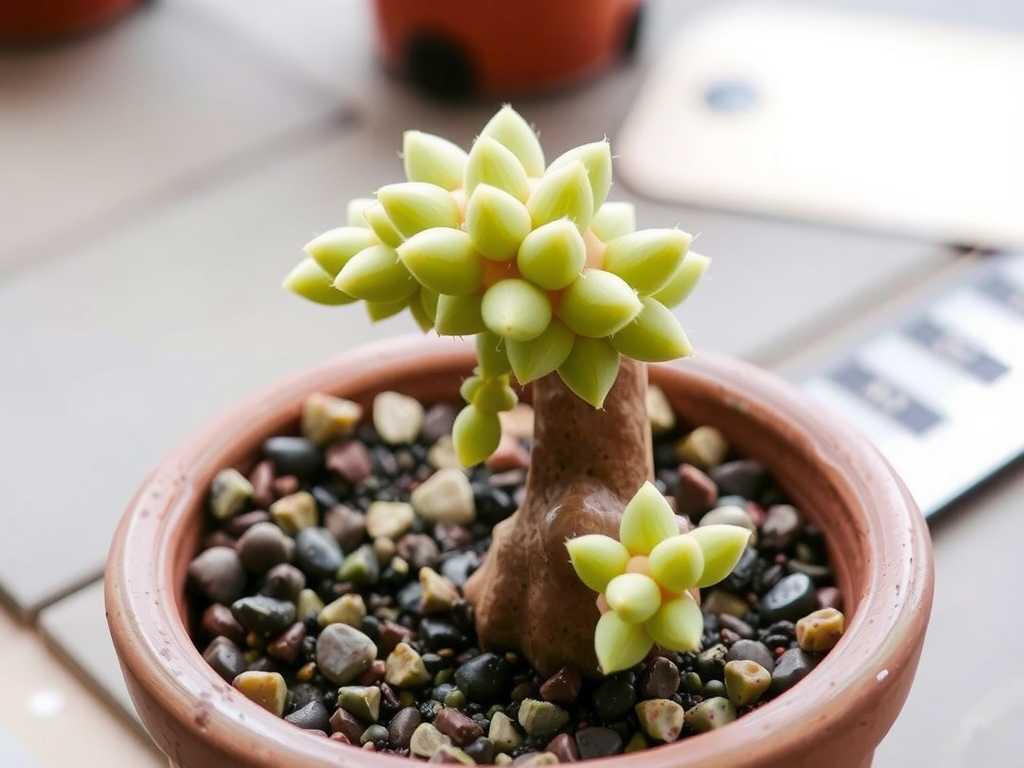
Pruning is your primary tool for shaping and controlling size. The goal is to remove growth that disrupts the design—whether it’s a branch that’s too long, a pad that’s too large, or new pups (offsets) that clutter the base.
- Tools: Always use clean, sharp tools like bonsai shears or a sterile knife. Wipe blades with rubbing alcohol between cuts to prevent disease spread.
- Method: For columnar cacti, you can carefully cut back the main stem to a desired point. New growth will emerge from just below the cut, allowing you to build ramification (branching). For opuntia or other pad-forming types, remove entire pads at the joint. Make clean cuts and allow them to callus over completely in a dry, shaded area before resuming normal care. This process redirects the plant’s energy, encouraging back-budding and a denser, more compact form.
Root Pruning and Repotting Schedule
The roots and the canopy are in a direct balance. Confining the roots in a small pot is a fundamental bonsai technique for controlling overall plant size. Every 2-3 years, during the early growing season, it’s time to repot and root prune.
- Gently remove the cactus from its pot.
- Carefully comb out the old soil and inspect the roots.
- Using sharp, clean scissors, prune away up to one-third of the root mass, focusing on long, thick, or circling roots. This may seem drastic, but it stimulates the growth of fine feeder roots and prevents the plant from becoming pot-bound in a way that stresses it.
- Repot in the same or a slightly larger pot with fresh, well-draining soil mix. This cycle refreshes the soil, manages the root system, and ensures the plant’s growth remains manageable and proportionate to its container.
Styling with Wire (With Caution)
Wiring can be used on some cactus species to bend and position pads or stems, but extreme caution is required. The fleshy tissues of a cactus can scar easily and are prone to damage. If you attempt wiring:
- Use a thicker, aluminum wire that will hold its shape.
- Wrap it loosely, never digging into the skin.
- Monitor constantly and remove it within a few months, well before it starts to cut into the growing tissue.
- For many cacti, strategic pruning and positioning toward the light source are safer and more effective methods of shaping.
Troubleshooting Common Growth Problems
Even with perfect care, challenges arise. Here’s how to correct course.
- Leggy or Stretched Growth: This is a clear sign of insufficient light. Gradually move the plant to a brighter location or introduce a grow light. The existing stretched portion will not shrink, but new growth from the top will be compact. You may later prune away the etiolated section.
- Yellowing or Softness: Usually indicates overwatering and potential root rot. Stop watering immediately. Remove the plant from its pot to inspect the roots. Cut away any black, mushy roots with a sterile tool. Let the plant dry out fully for a week or more before repotting in fresh, dry soil. Wait another week before a very light watering.
- No New Growth: Could be due to dormancy (in winter), insufficient light, or a lack of nutrients during the growing season. Assess light and temperature conditions first, then consider a very diluted fertilizer application if all other factors are correct.
How often should I really water my bonsai cactus? There is no fixed weekly schedule. The frequency depends entirely on your climate, pot size, and soil mix. The only reliable method is to check the soil. Insert a wooden skewer into the soil; if it comes out completely dry and clean, it’s time for a thorough watering. In winter, when the plant is dormant, watering may only be needed once a month or even less.
Can I use any type of cactus for bonsai? While many cacti can be trained, some are more suitable than others. Excellent choices include species that naturally branch or form interesting shapes, such as Opuntia (Prickly Pear) varieties, Cereus species, Echinocereus, and older Mammillaria. Look for plants with a woody, tree-like appearance or the potential to develop one.
My cactus has grown too tall. Can I fix it? Absolutely. You can perform a “trunk chop.” Using a sterile knife, cut the main stem at your desired height. Allow the cut top to callus for several weeks, then you can pot it as a new plant. The original base will typically produce new heads or pups from below the cut, allowing you to restart the shaping process with a more compact form.
Maintaining the miniature size of your bonsai cactus is a rewarding journey of patience and observation. It blends the science of understanding its needs—light, water, and lean soil—with the art of strategic pruning and root care. By embracing the cycle of growth and gentle restraint, you become more than an owner; you become a co-creator of a living sculpture. Remember, the beauty lies in the process as much as in the result. With consistent application of these principles, your miniature desert landscape will continue to bring tranquility and a sense of accomplishment for many years, a true testament to the harmonious practice of bonsai.